
Sauces & Condiments
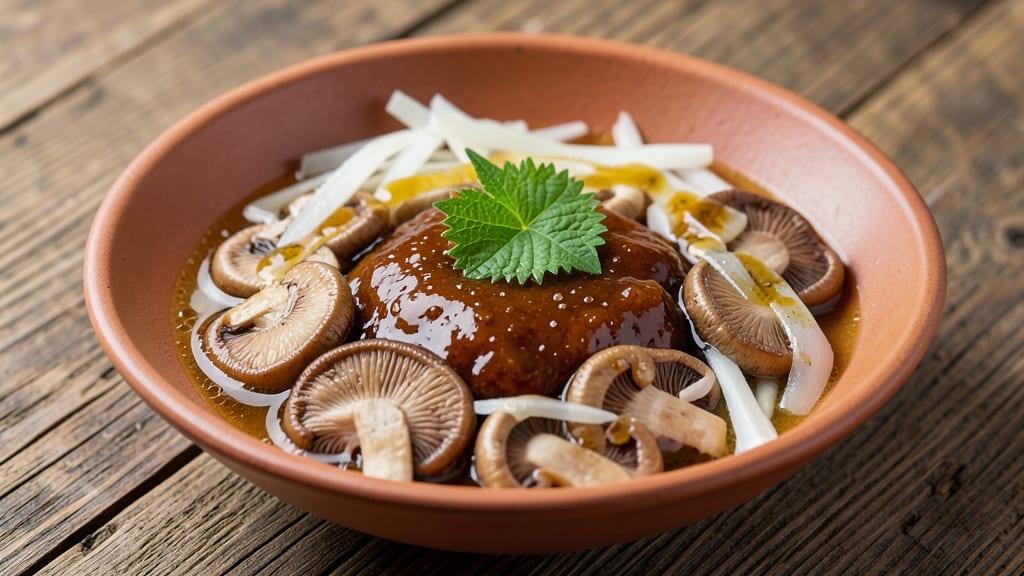
This amakuchi sauce recipe unlocks the secret to restaurant-quality umami in every stir-fry, noodle dish, and grilled protein. The balance of soy sauce, mirin, and dashi creates a glossy, savory-sweet glaze that transforms ordinary meals into something extraordinary.
I developed this version after years of testing—it’s the one that finally delivers that perfect harmony of richness and brightness.
The foundation lies in a slow reduction that intensifies flavors without burning. Traditional recipes often include okara or wheat gluten for depth, but this version keeps it simple with just five core ingredients.
What sets it apart is how it clings to food—whether you’re tossing yakisoba or glazing teriyaki chicken, the sauce delivers that signature sticky, caramelized finish. The key is patience during reduction; rushing this step means missing out on those complex umami notes.
Once complete, you’ll have a sauce that’s equally at home as a dipping sauce for okonomiyaki or a finishing glaze for grilled meats. The texture is velvety yet slightly thickened, with just enough sweetness to balance the saltiness.
Store it in an airtight container in the fridge for up to two weeks, or freeze for longer shelf life. For extra depth, finish with a drizzle of toasted sesame oil or a pinch of chili flakes—both optional but highly recommended.
This isn’t just another soy-based sauce; it’s the kind of condiment that elevates simple ingredients into something memorable. Whether you’re cooking for a crowd or treating yourself to a weeknight meal, amakuchi sauce delivers professional results with minimal effort. Let’s get started on creating your own batch.
Ingredients for amakuchi sauce
Five simple ingredients transform into the ultimate umami-packed sauce for stir-fries and noodles.
| Ingredient | Amount | Notes |
|---|---|---|
| Soy Sauce 🥄 | ½ cup | Use high-quality Japanese soy sauce |
| Mirin 🍶 | ¼ cup | Sweet cooking wine, not substitute |
| Dashi Stock 🍲 | ½ cup | Instant or homemade preferred |
| Granulated Sugar 🍚 | 2 tbsp | White sugar for proper balance |
| Rice Vinegar 🍶 | 1 tbsp | White or seasoned vinegar |
| Toasted Sesame Oil 🌾 | 1 tbsp | For finishing, optional but recommended |
| Red Chili Flakes 🌶️ | ½ tsp | For finishing, optional heat |
The soy sauce and mirin are the powerhouse duo here. Japanese soy sauce from Marukome or Kikkoman gives that authentic depth—don't skimp on quality. Mirin should be the sweet cooking wine, not that cheap 'mirin substitute' stuff. Trader Joe's and Asian markets carry good options. Dashi stock is non-negotiable for that unmistakable umami punch. If you're using instant dashi powder, Hondashi is my go-to. For homemade, simmer kombu and bonito flakes—simple but game-changing. The sugar might seem small, but it's what creates that beautiful caramelized finish during reduction. White sugar dissolves cleanly and doesn't leave graininess.
No mirin? Dry sherry plus 1 tsp sugar gets you close, but it won't be identical. Running out of dashi? Vegetable broth with a dash of soy sauce works in a pinch, though the flavor will be milder. The rice vinegar adds brightness—if you only have apple cider vinegar, use half the amount. For the finishing touches, Kadoya sesame oil from Asian markets is worth the splurge. No sesame oil? A drizzle of neutral oil plus a pinch of toasted sesame seeds does the trick. The chili flakes are completely optional but add that little kick that makes it restaurant-quality.
This sauce keeps beautifully—2 weeks in the fridge in an airtight container. For longer storage, freeze in ice cube trays, then transfer to a bag. Thaw overnight in the fridge before using. The flavor actually improves after a day or two as everything melds together. I like to make a double batch because it disappears fast—especially when you discover how versatile it is. Double the recipe if you're prepping for a crowd; it's perfect for meal prep. Just remember, the longer you reduce it, the more intense the flavor becomes.
Why You'll Love This Recipe
- Pantry Magic: I swear by this sauce—no fresh herbs, no last-minute trips to the market. Just soy, mirin, and dashi simmering together until it’s that perfect balance of salty, sweet, and umami. My go-to when I forget to grocery shop.
- Umami Bomb: That first sip? Pure flavor payoff. The dashi deepens the soy’s richness while the sugar and vinegar cut through with just enough tang. Honestly, it’s the kind of sauce that makes you pause mid-bite and think, “Wait, how did this get so good?”
- Weeknight Swiss Army: Drizzle it on rice bowls, toss it with noodles, or even glaze grilled fish—this sauce does it all. I keep a jar in my fridge because it’s the only thing that turns my Tuesday takeout cravings into a 15-minute homemade win.
- Budget Stretch: A little goes a long way, and since it’s just five basic ingredients, you’ll never overpay. I make double batches and freeze half; that extra jar saves me from ordering delivery when inspiration (or money) runs dry.
Step-by-step instructions for amakuchi sauce
This umami-packed sauce comes together in minutes with simple ingredients you likely already have.
Combine the Base Ingredients
In a medium saucepan, pour in the 0.5 cup soy sauce and 0.25 cup mirin. Stir to blend them completely - you'll notice the mirin's sweetness immediately cutting through the soy's saltiness. Add the 0.5 cup dashi stock next, giving the mixture a deeper, more complex flavor foundation.
Place the saucepan over medium heat and bring everything to a gentle simmer. You'll see small bubbles forming around the edges - this is your signal that the liquid is heating through. Let it simmer for 3-4 minutes while you prepare the next ingredients. The sauce should reduce slightly but still maintain a smooth consistency.
Add Sugar and Vinegar
While the sauce simmers, sprinkle in the 2 tablespoons granulated sugar and stir until completely dissolved. The sugar will help balance the acidity and enhance the umami flavor. After about 1 minute, add the 1 tablespoon rice vinegar and continue stirring.
Let the mixture simmer for another 2-3 minutes until the sugar is fully incorporated and the sauce begins to thicken slightly. You'll notice the aroma becoming more complex - the vinegar adds a bright, tangy note that cuts through the richness. Taste the sauce at this point - it should be sweet, salty, and slightly acidic with a deep umami base.
Simmer to Perfect Consistency
Continue simmering the sauce for 5-7 minutes until it reduces by about one-third. You're looking for a syrupy consistency that coats the back of a spoon but isn't overly thick. The sauce should be glossy with a rich, dark color - this indicates proper reduction and flavor concentration.
For the final touch, remove the saucepan from heat and stir in the 1 tablespoon toasted sesame oil. This adds a nutty aroma and depth of flavor. The oil should be completely incorporated, giving the sauce a beautiful sheen. If you prefer some heat, sprinkle in the 0.5 teaspoon red chili flakes and stir gently to distribute evenly.
Cool and Adjust to Taste
Let the sauce cool to room temperature - this allows the flavors to meld completely. Once cooled, taste and adjust the seasoning if needed. If it's too salty, add a bit more mirin or rice vinegar. If it needs more umami, add a splash of soy sauce. The sauce should be balanced with sweet, salty, sour, and umami notes.
This versatile sauce keeps well in the refrigerator for up to 5 days in an airtight container. Use it to elevate stir-fries, noodle dishes, or even as a dipping sauce. The perfect amakuchi sauce should coat your food beautifully while adding layers of complex flavor with every bite.
Pro Tips For Making Amakuchi Sauce
- Simmer Slow and Steady: After burning the first batch of sauce because I panicked and cranked the heat, I learned: keep it at a gentle simmer—just small bubbles breaking the surface. Amakuchi sauce thickens gradually, and rushing it turns your rich umami base into a bitter mess. If it’s not simmering, you’re not doing it right.
- Whisk in Sugar Last: I used to add sugar early, thinking it would dissolve better. Wrong. The sugar caramelizes too fast and throws off the balance of sweetness. Stir it in after the soy and mirin have cooked down for 2–3 minutes—just enough to let the flavors meld before the sugar gets involved.
- Strain Your Dashi: Skip this, and you’ll end up with a gritty sauce. Dashi stock—especially homemade kombu or bonito-based—holds tiny particles that turn your smooth sauce into a textured disappointment. Strain it through a fine-mesh sieve or cheesecloth before mixing. Trust me, your future self will notice the difference.
- Reduce Vinegar First: Rice vinegar’s acidity can cut through the richness if you add it too early. Instead, let the soy, mirin, and sugar cook down until syrupy (about 8–10 minutes), then stir in the vinegar last. This keeps the tang sharp and bright instead of muted. (Yes, even if you’re impatient like me.)
Regional styles of this amakuchi sauce
Japanese Okonomiyaki Style
In Osaka, amakuchi sauce is the star of okonomiyaki, where it's drizzled over savory cabbage pancakes. The sauce's sweet-salty balance perfectly complements the smoky flavors of tonkatsu sauce and mayo in this dish.
I like to add 1 tbsp okara (tofu pulp) to the base ingredients for extra texture, mimicking traditional Japanese okonomiyaki sauce. Serve with bonito flakes and aonori seaweed for that authentic street-food experience. 🍳
Korean Kimchi Fusion
For a Korean-inspired twist, reduce the sauce with 2 tbsp gochujang (Korean chili paste) instead of chili flakes. This creates a spicy-sweet glaze perfect for bulgogi beef or kimchi fried rice.
I recommend using Daesang gochujang for authentic heat. The fermented umami of gochujang pairs beautifully with the sauce's sweetness, creating a complex flavor profile that's addictive. 🌶️
Chinese Stir-Fry Adaptation
In Chinese cuisine, this sauce becomes a hoisin-inspired glaze when combined with 1 tbsp hoisin sauce and 1 tsp grated ginger. Use it to coat char siu pork or toss with stir-fried bok choy.
The ginger adds a bright, aromatic note that bridges the gap between Japanese and Chinese flavors. For extra richness, finish with a drizzle of light soy sauce and toasted sesame seeds. 🍜
Thai-Inspired Sweet Chili
Transform the sauce into a Thai-style sweet chili glaze by adding 1 tbsp fish sauce and 1 tsp palm sugar (or brown sugar). This version works beautifully with grilled chicken satay or pad thai noodles.
The fish sauce adds a salty depth, while the palm sugar creates a caramelized finish. For heat, stir in 1 tsp Thai bird's eye chili paste at the end. This fusion takes just 10 minutes to prepare but delivers restaurant-quality results. 🌶️
Vegan Version
For a plant-based version, replace the dashi with vegetable dashi (made from kombu and shiitake mushrooms) and use tamari instead of soy sauce. Add 1 tbsp nutritional yeast for extra umami depth.
This vegan amakuchi sauce is perfect for glazing tofu or tempeh stir-fries or drizzling over vegan yakisoba. The nutritional yeast adds a cheesy, savory note that balances the sweetness beautifully. 🌱
Nutrition facts
Frequently asked questions
What makes amakuchi sauce different from regular soy sauce?
Amakuchi sauce is a reduced, umami-rich glaze with a perfect balance of sweet, salty, and tangy flavors. Unlike regular soy sauce, it includes mirin, dashi, and sugar for depth, then simmers until syrupy. This creates a glossy, caramelized finish that clings beautifully to food—ideal for stir-fries and noodles!
Can I substitute mirin in this recipe?
Yes! Mix 2 tbsp dry sherry with 1 tsp sugar as a substitute, but the flavor won’t be identical. Mirin’s sweetness and acidity are key for balancing the sauce. For a vegan version, use white wine + 1 tsp sugar, though the texture may be slightly thinner.
How long should I simmer the sauce for maximum flavor?
Simmer for 8-10 minutes total to achieve the perfect syrupy consistency. The longer it reduces, the more intense the umami flavor becomes. Stop when it coats the back of a spoon but remains pourable. Over-reducing can make it too thick or bitter.
What are the best dishes to use this sauce on?
Amakuchi sauce shines on yakisoba, okonomiyaki, grilled meats, and stir-fried veggies. Drizzle it over noodles, toss with tofu, or use as a dipping sauce for dumplings. Its sticky-sweet profile works especially well with charred or crispy textures. For extra richness, finish with sesame oil or chili flakes.
Can I make this sauce ahead of time?
Store it in an airtight container in the fridge for up to 2 weeks, or freeze for 3 months. The flavors actually improve as they meld. Thaw overnight in the fridge before using. Double the recipe if you plan to use it often—it disappears fast!