
Sauces & Condiments
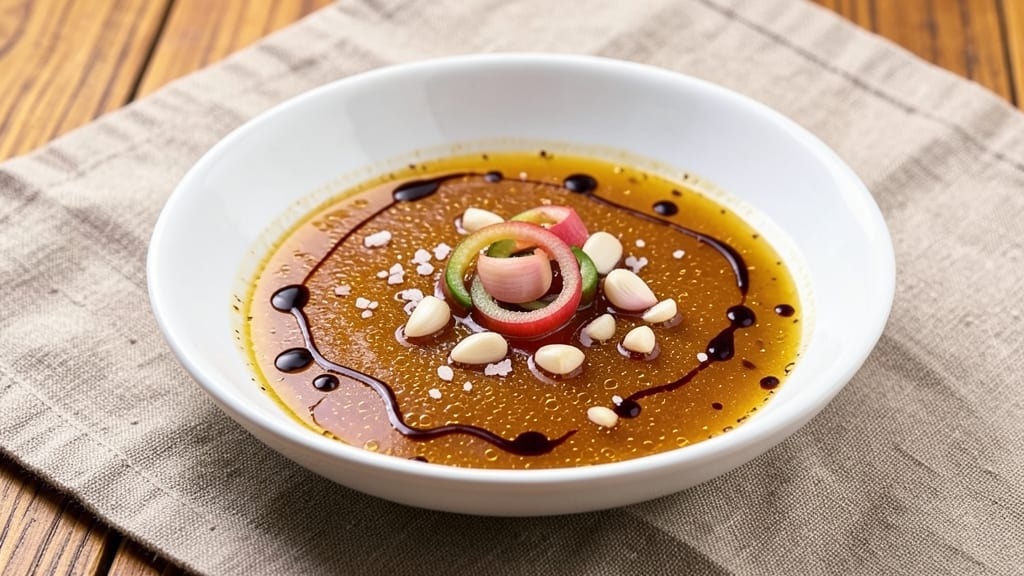
This Asian honey sauce recipe transforms simple stir-fries into restaurant-worthy dishes with just five ingredients and 15 minutes of hands-on time.
The perfect balance of sweet, tangy, and umami comes from simmering honey, soy sauce, and rice vinegar until thick and glossy—ideal for glazing meats, drizzling over noodles, or serving as a dipping sauce.
I developed this version after years of testing, ensuring it’s foolproof for home cooks while delivering professional results.
The sauce’s magic lies in its simplicity: honey provides natural sweetness, soy sauce adds depth, and a touch of garlic and ginger infuses warmth. Simmering until slightly reduced creates that signature sticky consistency, while a splash of vinegar brightens the flavors.
This isn’t just a sauce—it’s a flavor multiplier that elevates any dish with minimal effort.
What you’ll end up with is a glossy, aromatic sauce that clings beautifully to proteins and vegetables, adding a glossy finish and layers of flavor. It’s versatile enough for weeknight dinners or weekend feasts, and the best part?
It keeps well in the fridge for up to two weeks, ready to transform your next meal.
For extra depth, try adding a dash of chili paste or sesame oil, or balance the sweetness with a splash of lime juice. The possibilities are endless—let’s get started.
Ingredients for asian honey sauce
Five simple ingredients transform into a restaurant-quality glaze that elevates stir-fries instantly.
| Ingredient | Amount | Notes |
|---|---|---|
| Raw Honey 🍯 | ½ cup | Light amber for mild sweetness |
| Soy Sauce 🥢 | ⅓ cup | Use light soy for subtle flavor |
| Rice Vinegar 🍶 | ¼ cup | Unseasoned for bright acidity |
| Fresh Garlic Cloves 🧄 | 3 cloves | Minced for aromatic depth |
| Fresh Ginger Root 🌿 | 1 tbsp | Finely grated, no zest |
| Sesame Oil 🫒 | 1 tbsp | Toasted for nutty aroma |
| Water 💧 | ¼ cup | For thinning consistency |
| Diamond Crystal Kosher Salt 🧂 | ½ tsp | Adjusts seasoning balance |
Honey is the heart of this sauce—local, raw honey adds subtle floral notes that jarred versions can't match. Trader Joe's has great options, but any light amber works. The soy sauce should be light, not dark: Kikkoman is foolproof, but any brand without added wheat works. For ginger, grab the fresh root (not powder)—it's worth the extra minute to grate it yourself. The garlic? Three cloves is perfect, but don't skip it—it's what ties everything together. Pro tip: Toast your sesame oil in the pan first for maximum aroma.
No honey? Maple syrup or agave works in a pinch, but the flavor won't be identical. Short on soy sauce? Coconut aminos gives a similar umami punch. Fresh ginger too fibrous? Ground ginger at half the amount saves the day. The vinegar can be swapped for lime juice if you're out, but rice vinegar's mild tang is ideal. Sesame oil optional but recommended—if you skip it, add an extra pinch of salt. For extra heat, stir in 1 tsp sriracha at the end. The water is key for thinning—add more if needed, but don't overdo it or the sauce will lose its cling.
This sauce keeps beautifully—up to 3 weeks in the fridge sealed tight. For longer storage, freeze in ice cube trays, then transfer to a bag. Thaw overnight in the fridge before using. The flavor actually improves after a day or two as everything melds. Double the batch—it disappears fast. Perfect for glazing grilled chicken, drizzling over ramen, or serving with spring rolls. Leftovers? Toss with tofu or egg rolls for instant flavor boost.
Why You'll Love This Recipe
- Five-Ingredient Magic: I swear by this combo—raw honey’s sweetness cuts through the sharp ginger and garlic, while soy sauce ties it all together with that perfect umami punch. No fancy techniques, just a quick simmer and you’ve got flavor that sticks.
- Drizzle or Drown: This sauce works as a light glaze for grilled chicken or a bold dip for spring rolls—no rules, just flexibility. I’ve used it on everything from stir-fries to rice bowls, and it never lets me down.
- Pantry Staple Power: Honestly, you’re probably already stocked. Honey, soy sauce, vinegar? Those sit in my fridge forever, and now they’re doing double duty. No extra shopping trips needed.
- Make-Ahead Secret Weapon: Simmer a big batch on Sunday, and you’ve got a ready-to-use sauce for the week. It keeps in the fridge for days, and the flavors actually deepen over time—unlike some sauces that go flat.
Step-by-step instructions for Asian honey sauce
This sticky-sweet glaze comes together in minutes with bold flavors that elevate any dish.
Prepare the Aromatics
In a small saucepan, combine the 0.5 cup raw honey and 0.33 cup soy sauce. Place over medium-low heat and stir gently until the honey begins to bubble lightly—about 2 minutes. This step helps the flavors meld while preventing scorching.
Add the 3 cloves fresh garlic cloves and 1 tablespoon fresh ginger root, both finely minced. Stir constantly for 1 minute until the garlic turns translucent and the ginger releases its aromatic oils. The pan should smell intensely fragrant—this is your cue that the aromatics are ready to infuse the sauce.
Add Liquids and Simmer
Pour in the 0.25 cup rice vinegar and 0.25 cup water, then bring the mixture to a gentle simmer. The vinegar will add a bright acidity that cuts through the sweetness, while the water ensures proper thinning. Let it simmer uncovered for 5-7 minutes, stirring occasionally, until the sauce begins to thicken slightly.
This reduction step is crucial—it concentrates the flavors and creates that signature sticky texture. You’ll notice the sauce coat the back of a spoon when it’s ready. If it thickens too quickly, add 1 tablespoon water to adjust consistency.
Finish with Sesame Oil and Salt
Remove the sauce from heat and stir in the 1 tablespoon sesame oil and 0.5 teaspoon Diamond Crystal kosher salt. The sesame oil adds a nutty depth, while the salt balances the sweetness. Let the sauce rest for 5 minutes—this allows the flavors to fully integrate and the texture to set.
Taste and adjust seasoning if needed. For extra brightness, add a splash more rice vinegar. For richer sweetness, stir in a touch more honey. The sauce should be glossy, sticky, and perfectly balanced between sweet, salty, and tangy.
Cool and Store
Transfer the sauce to a clean jar or airtight container. Let it cool completely to room temperature before sealing. This sauce keeps well in the refrigerator for up to 2 weeks, making it perfect for batch prep. When ready to use, simply reheat gently in a saucepan or microwave for 10-15 seconds to restore its glossy consistency.
The sauce is now ready to drizzle over stir-fries, glaze grilled meats, or toss with noodles. Its versatility makes it a pantry staple—once you master this recipe, you’ll find endless ways to use it.
Pro Tips For Making Asian Honey Sauce
- Simmer Low and Slow: I learned this the hard way—boiling your honey sauce will turn it bitter and syrupy. Keep the heat at a gentle simmer (barely bubbling) while combining soy sauce, rice vinegar, and minced garlic/ginger. If it starts to thicken too fast, add a splash of water and let it melt back in.
- Peel Ginger Like a Pro: Skip the tedious peeling and just scrub the ginger root under cold water with a brush—most of the dirt will come off. Then, slice thinly (1-2mm) against the grain for maximum surface area and flavor. Thick slices? They’ll sit like rocks in your sauce.
- Balance the Sweet Early: Taste as you go—especially when adding honey. If it’s too cloying, cut it with a quick splash of rice vinegar (about 1 tsp per 2 tbsp honey) to brighten the flavor. I used to wait until the end, and the sauce always ended up one-note.
- Use Toasted Garlic: Mince the garlic after toasting it in a dry pan for 30 seconds until fragrant. The nutty depth makes a real difference—no more bland, raw garlic punch. (Pro move: Smash the cloves with the side of your knife first for even cooking.)
Best sauces and condiments for this recipe
Stir-Fry Glaze
This sauce transforms any stir-fry into a restaurant-worthy dish. Toss it with chicken thighs or shrimp before cooking for a caramelized crust. I love using it on beef strips with broccoli and bell peppers—just 2 tablespoons per pound of protein.
For extra shine, brush it on after cooking. The honey creates a beautiful glaze that clings perfectly to wok-seared vegetables. 🔥
Dipping Sauce
Serve this sauce chilled as a dipping sauce for spring rolls, egg rolls, or grilled pork skewers. Thin it slightly with 1 tablespoon water if needed for easier dipping.
I keep a small bowl of this on hand for my weekly Asian takeout nights—it’s the perfect companion to lo mein or chow mein. The balance of sweet and tangy flavors makes it irresistible. 🥢
Noodle Elevator
Drizzle 1-2 tablespoons over steaming hot ramen, udon, or soba noodles for instant flavor. The sauce clings to the noodles beautifully, adding a glossy finish. For extra richness, stir in 1 teaspoon toasted sesame seeds before serving.
I often use this as a quick weeknight upgrade for store-bought noodles. The ginger and garlic aromas infuse the noodles with warmth. 🍜
Grilled Meat Glaze
Brush this sauce onto pork chops, chicken thighs, or salmon fillets during the last 5-7 minutes of grilling. The high heat caramelizes the honey, creating a delicious crust. I recommend using it on ribs during the final hour of smoking for a sticky, sweet glaze.
For extra depth, add 1 teaspoon fish sauce to the sauce before applying. 🍖
Rice Bowl Topper
Use this sauce as a topping for bibimbap or fried rice. Drizzle 1 tablespoon over your rice bowl just before serving. The sauce’s sticky texture helps it cling to the grains.
I also love adding it to sushi rolls as a sweet-spicy dipping sauce. The combination of honey and vinegar creates a perfect balance of flavors. 🍚
Sweet-Savory Marinade
Use this sauce as a marinade for tofu or chicken. Marinate for 30-60 minutes before cooking to infuse maximum flavor. The honey tenderizes while the soy sauce adds umami depth.
I often use it on teriyaki chicken for a quicker, stickier alternative to traditional teriyaki. The ginger and garlic flavors penetrate the meat beautifully. 🥬
Nutrition facts
Frequently asked questions
Can I make this sauce without honey?
Yes, but the flavor will change. Replace honey with ½ cup maple syrup or ⅓ cup agave nectar for a similar sweetness level. For a more traditional Asian flavor, try ½ cup mirin (sweet rice wine) or ⅓ cup brown sugar dissolved in 1 tablespoon water. The sauce will still work, but the texture may be slightly less glossy.
How do I adjust the sweetness level?
Start with the recipe as written, then taste and adjust. For less sweetness, add 1 extra tablespoon rice vinegar or ½ teaspoon grated ginger. For more sweetness, stir in 1-2 teaspoons extra honey or 1 teaspoon brown sugar. Remember, the sauce will thicken as it cools, so don't rush the simmering step.
Can I use this sauce on raw meat?
Yes, but with caution. This sauce is safe for marinating raw chicken, pork, or tofu for up to 4 hours in the fridge. The acidity from vinegar helps tenderize, but don't use it on raw seafood as the honey can interfere with proper cooking temperatures. For raw applications, always cook the meat to 165°F for poultry or 145°F for pork.
Why did my sauce turn grainy?
This usually happens when honey crystallizes or when the sauce cools too quickly. To fix it, gently reheat the sauce in a saucepan over low heat while stirring constantly until smooth. For prevention, always use raw honey (not processed), and let the sauce cool gradually at room temperature before refrigerating. If it happens again, add 1 teaspoon water and reheat.
What's the best way to reheat leftover sauce?
Reheat gently in a small saucepan over low heat for 1-2 minutes until warm, stirring constantly to restore its glossy texture. Avoid microwaving as it can make the sauce watery. For extra shine, add ½ teaspoon sesame oil when reheating. The sauce keeps well for 2 weeks in the fridge, so there's no rush to use it all at once!