
Sauces & Condiments
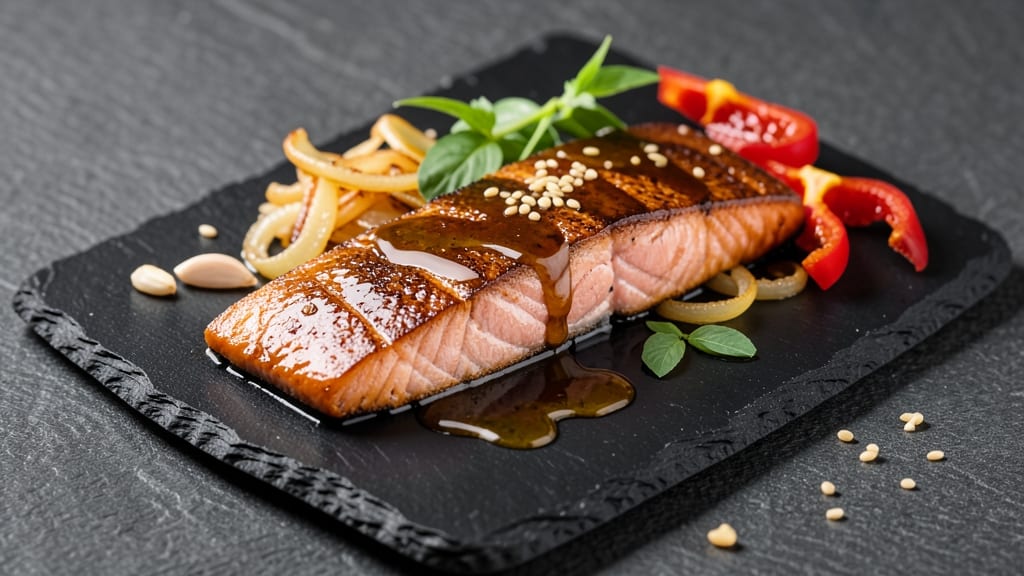
This Asian salmon sauce recipe transforms simple weeknight meals into restaurant-quality experiences with just 15 minutes of active prep. The bold ginger-garlic glaze balances sweet, tangy, and umami flavors perfectly, elevating salmon dishes without overwhelming their natural taste.
I developed this sauce after testing countless variations to find the ideal harmony between soy, fish sauce, and honey—each ingredient playing a crucial role in creating depth.
The secret lies in simmering the sauce until it thickens just enough to coat the salmon beautifully while maintaining a glossy finish. Fresh ginger and garlic provide aromatic complexity, while a touch of sesame oil adds nutty warmth that ties everything together.
What makes this sauce truly foolproof is its versatility—it works equally well with baked, grilled, or pan-seared salmon, making it a go-to for busy evenings.
By the time you drizzle this glaze over perfectly cooked salmon, you'll taste layers of flavor that transform an ordinary protein into something extraordinary.
The sauce's natural stickiness clings to every bite, delivering bursts of sweetness from the honey, a subtle kick from the fish sauce, and a satisfying warmth from the ginger. It's the kind of sauce that makes you want to cook salmon more often.
Store any leftovers in an airtight container in the refrigerator for up to 5 days, or freeze for 3 months—though with flavors this good, you'll likely use it all before then.
Pair it with steamed rice and stir-fried vegetables for a complete meal that comes together in minutes. Let's make this sauce!
Ingredients for asian salmon sauce
Nine ingredients, 15 minutes—this sauce transforms simple salmon into a restaurant-worthy dish.
| Ingredient | Amount | Notes |
|---|---|---|
| Fresh Ginger Root 🧄 | 2 tbsp | Finely grated, aromatic |
| Garlic Cloves 🧄 | 4 cloves | Minced, aromatic |
| Red Bell Pepper 🌶️ | 1 whole | Deseeded, finely diced |
| Sesame Oil 🫒 | 1 tbsp | Toasted, nutty flavor |
| Fish Sauce 🐟 | 2 tbsp | Red Boat brand preferred |
| Soy Sauce 🥢 | 3 tbsp | Light or dark, to taste |
| Honey 🍯 | 2 tbsp | Wildflower preferred |
| Rice Vinegar 🍶 | 1 tbsp | Seasoned for balance |
| Cornstarch 🌾 | ½ tsp | For thickening |
| Water 💧 | 1 tbsp | Room temperature |
The ginger and garlic are the flavor anchors here. Fresh ginger from the produce section (not powdered) gives the most vibrant kick—look for firm, aromatic roots with no soft spots. Red Boat fish sauce is my go-to, but any quality brand works. For garlic, peel and mince just before adding to preserve freshness. The bell pepper adds subtle sweetness without overpowering the glaze, so don't skip it. If you're short on time, jarred minced garlic works in a pinch, but fresh is always better. Toast the sesame oil in the pan first—this releases its nutty aroma and prevents bitterness.
No fish sauce? Substitute with 1 tbsp coconut aminos plus 1/2 tsp soy sauce for a milder umami. Running low on honey? Maple syrup works 1:1, though it has a slightly different depth. The cornstarch slurry is key for that glossy finish—mix it well to avoid lumps. For extra richness, add 1/2 tsp toasted sesame seeds at the end. This sauce freezes beautifully—just thaw in the fridge overnight for best texture. The glaze thickens as it cools, so if it seems too stiff, add a splash of water to loosen it up.
This sauce keeps for 5 days in the fridge, though I rarely have leftovers. For longer storage, freeze in ice cube trays—thaw one cube at a time for perfect portions. The glaze reheats beautifully, so it's perfect for meal prep. Pair it with steamed jasmine rice and quick stir-fried greens for a complete weeknight meal in under 30 minutes. The sauce also works wonders on grilled shrimp or tofu if you're feeling adventurous.
Why You'll Love This Recipe
- No-Chop Necessary: I swear by this—just slice the ginger thin (or even grate it) and smash the garlic with the flat side of your knife. The red bell pepper? Toss it in whole if you’re lazy. That sesame oil hits the pan in seconds, and suddenly, you’ve got a sauce that tastes like it simmered for hours.
- Umami Bomb: Fish sauce and ginger? That’s the dynamic duo right there. The first time I tasted this, I nearly burned the kitchen—it’s that good. The garlic and bell pepper add this bright, almost smoky sweetness that cuts through the richness of the salmon like a knife.
- Leftover Hero: This sauce keeps like a champ. I make a double batch on Sundays, store it in the fridge, and use it all week—drizzled over rice, tossed with noodles, or even slathered on grilled chicken. It’s my go-to for when I’m too tired to cook but still want flavor.
- Budget Magic: You’re not buying anything fancy here. Fresh ginger and garlic are cheap, bell peppers last forever, and a little sesame oil goes a long way. Honestly, this is the kind of recipe that makes me feel like I’m feeding my family gourmet food without breaking the bank.
Step-by-step instructions for bold ginger-garlic salmon glaze
This vibrant sauce comes together in under 15 minutes—perfect for busy weeknights when you crave restaurant-quality flavor without the fuss.
Build the Aromatic Base
Heat the 1 tablespoon sesame oil in a small saucepan over medium heat. Add the 2 tablespoons finely grated fresh ginger root and 4 minced garlic cloves, stirring constantly for 1-2 minutes until fragrant but not browned. Here's the thing—ginger burns faster than garlic, so watch closely. You want the aroma to fill your kitchen, but no color change.
Next, add the 1 whole red bell pepper (deseeded and finely diced) and cook for another 2 minutes until softened. This step develops the sauce's depth—don't skip it. The bell pepper adds natural sweetness that balances the bold flavors. If you notice the mixture sticking, add a splash of water to deglaze, but we'll use that 1 tablespoon water later for thickening.
Combine Wet Ingredients
Pour in the 2 tablespoons fish sauce, 3 tablespoons soy sauce, and 2 tablespoons honey, stirring continuously. Let the mixture simmer gently for 3-4 minutes until slightly reduced by about 20%. You'll see the sauce thicken slightly and the colors meld beautifully—this is where the magic happens.
Add the 1 tablespoon rice vinegar and taste immediately. The vinegar brightens the sauce, cutting through the richness. If it needs more balance, add a pinch of sugar or a splash of water. Real talk: this is the moment to adjust seasoning. You want a perfect harmony of sweet, salty, tangy, and umami—no single flavor should dominate.
Thicken and Finish
In a small bowl, whisk together the 0.5 teaspoon cornstarch and 1 tablespoon water until smooth. Pour this slurry into the simmering sauce, stirring constantly for 1-2 minutes until it thickens to a glossy, syrupy consistency. You're aiming for a sauce that coats the back of a spoon but still flows smoothly.
Remove from heat and let it cool slightly—this prevents the cornstarch from over-thickening. If the sauce is too thick after cooling, thin it with a teaspoon of water. The perfect glaze should be vibrant, glossy, and ready to cling beautifully to your salmon. This sauce keeps well in the fridge for up to 5 days, making it perfect for meal prep.
Glaze Your Salmon (Optional but Recommended)
While the sauce cools, pat 4 salmon fillets dry and brush them lightly with the glaze. Broil for 3-5 minutes until the edges are caramelized and the center reaches 145°F. The glaze will bubble and darken slightly—that's your signal it's ready. Serve immediately over steamed rice or noodles for a complete weeknight meal.
Pro tip: For extra shine, brush an additional thin layer of glaze right before serving. The residual heat from the pan will make it glisten like a professional restaurant presentation. This sauce also works beautifully with grilled chicken, tofu, or even as a dipping sauce for spring rolls.
Pro Tips For Making Asian Salmon Sauce
- BLISTER GINGER FIRST: I learned this the hard way—grating raw ginger straight into the pan makes the sauce taste dull. Instead, heat a dry pan and sear the slices until they’re charred on one side (about 30 seconds per side). The smoky depth cuts through the fish sauce’s sharpness and balances the sweetness of the bell pepper.
- MINCE GARLIC FINE: Chopped garlic burns fast and adds bitterness. For this sauce, pulse garlic in a food processor until it’s a paste—no bigger than grains of rice. It distributes heat evenly and dissolves smoothly into the sesame oil without overpowering the red bell pepper’s brightness.
- SIMMER LOW AND LONG: Skipping this step turns your sauce into a thin glaze. After adding fish sauce, reduce heat to a bare simmer and let it cook for 8–10 minutes. The liquid will thicken naturally, and the red bell pepper’s natural sugars will caramelize—no added sugar needed.
- USE TOASTED SESAME OIL LAST: Add sesame oil at the very end, off the heat, or it’ll burn instantly and taste bitter. A teaspoon here adds aroma, but too much too soon will overwhelm the sauce’s balance. Stir it in just before serving—your nose will thank you.
Flavor customization for asian salmon sauce
Sweet Heat Balance
Adjust the sweetness by tweaking the honey-to-fish sauce ratio. For more heat, add ½ teaspoon sriracha or 1 teaspoon gochujang—I love the depth this brings. If you prefer less heat, reduce the fish sauce to 1.5 tablespoons and add ½ teaspoon sugar to compensate.
The key is maintaining balance: the honey should caramelize slightly while the fish sauce adds umami depth. 🌶️
Umami Boost Options
For extra umami richness, stir in 1 teaspoon miso paste (white or red) during the simmering phase. Alternatively, add ½ teaspoon oyster sauce or 1 teaspoon Worcestershire sauce for a deeper savory note.
These ingredients work especially well with grilled salmon, where the smoky char pairs beautifully with the glaze. Just remember—start with small amounts and adjust to taste.
Citrus Variations
Brighten the sauce with 1 teaspoon lime zest and 1 tablespoon lime juice for a tropical twist. I also like adding ½ teaspoon grated orange peel for complexity. The citrus cuts through the richness of the salmon beautifully, especially when paired with grilled or pan-seared fillets.
For extra zing, add a pinch of red pepper flakes to create a sweet-spicy citrus glaze.
Herb Infusions
Fresh herbs elevate this sauce to new heights. Add 1 tablespoon chopped cilantro or thyme leaves at the end for brightness. For a more robust flavor, infuse the sesame oil with 1 sprig fresh cilantro or basil while heating it—simmer for 1 minute before adding the ginger and garlic.
The herbs add freshness that pairs perfectly with the bold ginger-garlic base. 🌿
Spiced Adaptations
Warm up the sauce with ¼ teaspoon ground cinnamon or pinch of five-spice powder during the simmering phase. These spices work surprisingly well with salmon, adding subtle warmth that complements the glaze's natural sweetness.
For a smoky touch, add ½ teaspoon liquid smoke (just a few drops) or a pinch of smoked paprika. The spices deepen the sauce's complexity without overpowering it.
Thickness Control
Need a thinner glaze? Add 1 teaspoon water or rice vinegar at the end. For extra thickness, increase the cornstarch to 1 teaspoon and reduce the water to ½ tablespoon. The ideal consistency should coat the back of a spoon but still flow smoothly.
Remember, the sauce thickens as it cools, so adjust while warm. A glossy finish indicates perfect thickness—this ensures the glaze clings beautifully to your salmon. ✨
Nutrition facts
Frequently asked questions
Can I make this sauce without fish sauce?
Yes! For a vegetarian version, substitute 2 tablespoons coconut aminos plus ½ teaspoon soy sauce. For more umami depth, use 1 teaspoon soy sauce + 1 teaspoon mushroom powder. The sauce will still taste rich and balanced, though the flavor profile will be slightly milder. Adjust the honey slightly if needed to maintain sweetness.
How do I prevent the sauce from getting too thick?
If the sauce thickens too much while cooking, simply add 1 teaspoon water or rice vinegar and stir until smooth. The cornstarch slurry is designed to thicken as it cools, so don't over-worry during the simmering phase. For extra insurance, reduce the cornstarch to ¼ teaspoon if you prefer a thinner glaze. Always taste as you go!
Can I use this sauce on other proteins besides salmon?
This glaze works beautifully with grilled shrimp, chicken, or tofu. For chicken, increase the fish sauce to 2.5 tablespoons to handle the stronger flavor. With shrimp, reduce the honey to 1.5 tablespoons to avoid overpowering their delicate taste. The sauce also makes an excellent dipping sauce for spring rolls or dumplings.
Why does my sauce look cloudy instead of glossy?
Cloudiness usually means the cornstarch didn't dissolve properly or the sauce needs more time to reduce. Whisk the cornstarch slurry vigorously before adding it, and simmer the sauce for an extra 1-2 minutes after thickening. For extra shine, add ½ teaspoon sesame oil at the end. The perfect glaze should be vibrant and glossy—like a professional restaurant finish!
How can I make this sauce spicier?
Add ½ teaspoon sriracha or 1 teaspoon gochujang during the simmering phase. For a smoky kick, stir in ¼ teaspoon smoked paprika or a few drops of liquid smoke. If you love heat, try 1 teaspoon chili crisp at the end—it adds both spice and texture! Remember, the ginger already provides warmth, so adjust gradually to avoid overpowering the sauce.