
Sauces & Condiments
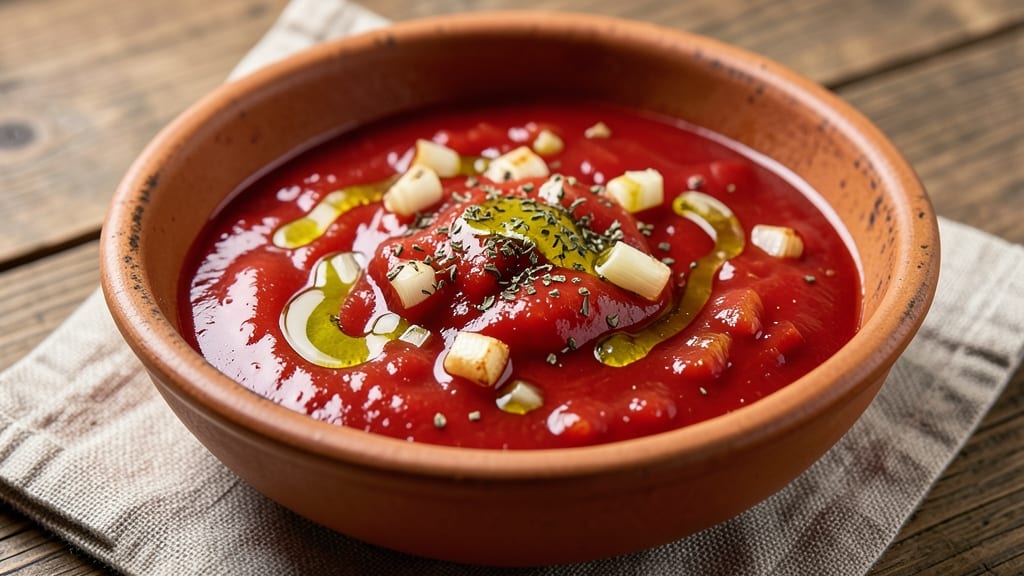
This all day sauce recipe transforms simple pantry staples into a rich, versatile tomato base that elevates everything from pasta to grilled meats. The secret lies in slow-simmered tomatoes, balanced acidity, and aromatic spices that develop deep flavor over time.
I’ve perfected this sauce to work as a marinade, dipping sauce, or finishing touch—no two meals taste the same.
What sets this sauce apart is its adaptability. Start with a classic tomato foundation—san marzano tomatoes, garlic, and onion—but customize it with herbs, vinegar, or a splash of red wine for complexity. The 30-minute simmer concentrates flavors without overpowering, while blending creates a silky texture that clings perfectly to food.
It’s the kind of sauce that gets better with age, intensifying in flavor as it sits.
The result is a versatile tomato base that’s tangy, slightly sweet, and packed with umami—ideal for weeknight dinners or meal prep. Use it fresh over grilled chicken, drizzled on bruschetta, or as a marinade for steak.
The best part? It keeps beautifully in the fridge for up to a week, making it a pantry staple that never disappoints.
Whether you’re a home cook or a busy professional, this sauce cuts through the monotony of everyday meals. Let’s get cooking—your taste buds will thank you.
Ingredients for all day sauce
Nine pantry staples transform into the ultimate weeknight sauce foundation.
| Ingredient | Amount | Notes |
|---|---|---|
| San Marzano Tomatoes 🍅 | 28 oz | Canned, crushed by hand |
| Yellow Onion 🧅 | 1 whole | Medium, finely diced |
| Garlic Cloves 🧄 | 4 cloves | Fresh, minced for depth |
| Extra-Virgin Olive Oil 🫒 | ½ cup | High quality, fruity |
| Red Wine Vinegar 🍷 | 2 tbsp | Balances sweetness |
| Dried Oregano 🌿 | 1 tsp | Italian preferred |
| Dried Basil 🌿 | 1 tsp | Crumbled for aroma |
| Sea Salt 🧂 | 1 ½ tsp | Diamond Crystal preferred |
| Black Peppercorns 🌶️ | ½ tsp | Freshly cracked |
| Sugar 🍯 | 1 tsp | Balances acidity |
San Marzano tomatoes are non-negotiable here—their sweetness and low acidity make all the difference. Trader Joe's and Whole Foods carry them canned, but if you're near a specialty Italian market, grab a few jars fresh. The onions and garlic should be fresh, not wilting or bruised—yellow onions add sweetness, while garlic brings that aromatic punch. For olive oil, California extra-virgin brands like Corto or Pompeian elevate the sauce without overpowering. I always grab a bottle of red wine vinegar from the same store—it's worth the extra few cents for quality.
No San Marzano tomatoes? Crushed tomatoes in a high-quality can work, but add an extra pinch of sugar to balance the acidity. Short on fresh garlic? Garlic powder at half the amount gets you close, though fresh is always better. Want more depth? Add a splash of red wine (about 2 tbsp) or a pinch of smoked paprika. The dried herbs can be swapped for fresh—use one-third the amount of fresh basil or oregano. For a smoother texture, strain the sauce through a fine-mesh sieve after blending. If you prefer chunkier sauce, skip the blending step entirely.
This sauce tastes even better the next day as flavors meld. Store in an airtight container in the fridge for up to 1 week—it keeps beautifully. For longer storage, portion into ice cube trays, freeze, and transfer to a bag for up to 6 months. The sauce thickens as it cools, so add a splash of water or broth if it becomes too concentrated. I always double the batch—the extra sauce finds its way onto toast, eggs, or grilled veggies by the end of the week.
Why You'll Love This Recipe
- Foolproof Simplicity: I swear, this sauce comes together while you’re still debating whether to watch one more episode. Just sauté onions until soft, add garlic, then dump in chopped San Marzano tomatoes—no peeling, no fancy techniques. The vinegar brightens it all in minutes, and honestly? The hardest part is waiting for it to simmer.
- Umami Bomb: That first taste of slow-cooked tomatoes caramelizing with garlic? Chef’s kiss. The San Marzano’s natural sweetness pairs perfectly with the sharp kick of red wine vinegar, while the olive oil ties it all into something dangerously addictive. I’ll be real: I’ve made this for friends who aren’t even “tomato people,” and they’ve all come back for seconds.
- Weeknight Swiss Army: This sauce is my secret weapon for lazy nights—drizzle it over pasta, toss it with grilled chicken, or serve it cold in a bowl with crusty bread. (Yes, even on a Tuesday night.) It’s the one pantry staple that turns “what’s for dinner?” into “oh, we’re having that sauce again?”
- Budget Magic: A single jar of San Marzano tomatoes and a bulb of garlic stretch this recipe into meals for days. The vinegar and olive oil? Already in my pantry. I’ve made this for potlucks, meal prep, and spontaneous takeout nights—it’s the kind of sauce that makes grocery bills feel less stressful. Plus, the longer it sits, the deeper the flavor gets. Win.
Step-by-step instructions for all day sauce
This versatile tomato base transforms simple ingredients into a flavorful foundation for any meal.
Sauté Aromatics Until Deeply Fragrant
Heat the 0.5 cup Extra-Virgin Olive Oil in a heavy-bottomed saucepan over medium heat. Add the 1 whole Yellow Onion, finely diced, and cook for 5-6 minutes until softened and translucent. Here's the thing—don't rush this step. You'll know it's ready when the onion releases its natural sweetness and begins to caramelize slightly at the edges.
Add the 4 cloves Garlic Cloves, minced, and cook for another 30 seconds until fragrant. The garlic should sizzle gently without browning—this ensures you capture its sweet, aromatic essence rather than bitter overtones. I always press the garlic into the onions during the last minute of cooking to maximize flavor extraction. If it starts to brown too quickly, reduce the heat slightly to medium-low and keep stirring.
Build the Tomato Foundation
Pour in the 28 oz San Marzano Tomatoes, crushed by hand, and stir to combine with the aromatics. The tomatoes should coat the onions and garlic completely. Increase the heat to medium-high and bring the mixture to a gentle boil, then immediately reduce to medium-low. Let it simmer uncovered for 15-20 minutes, stirring occasionally.
This initial simmer breaks down the tomatoes' texture, creating a smoother base. You'll notice the sauce darkening slightly and reducing in volume—this is normal and desirable. The reason we don't cover the pan is to allow excess moisture to evaporate, concentrating the flavors. If the sauce seems too thick, add 2-3 tablespoons of water to maintain a loose consistency for now.
Season and Balance the Flavors
Add the 1.5 tsp Sea Salt, 0.5 tsp Black Peppercorns (freshly cracked), 1 tsp Dried Oregano, 1 tsp Dried Basil, and 1 tsp Sugar to the simmering tomatoes. Stir well to distribute the seasonings evenly. The sugar here isn't just for sweetness—it's a balancing act that rounds out the acidity of the tomatoes and vinegar we'll add next.
Let the sauce simmer for another 10 minutes, stirring occasionally. This allows the seasonings to meld completely with the tomatoes. Taste the sauce at this point—it should be rich and tomato-forward, with a developing depth of flavor. If it needs more brightness, this is when you'd add a splash of red wine vinegar, but we'll hold off until the next step to ensure proper balance.
Finish with Acid and Reduce to Perfection
Stir in the 2 tbsp Red Wine Vinegar and simmer for 5-7 minutes more. The vinegar brightens the sauce and cuts through the richness of the tomatoes and olive oil. You'll see the sauce reduce further and develop a glossy sheen—this indicates the flavors are concentrating. The sauce should now have a balanced profile: sweet from the tomatoes and sugar, bright from the vinegar, and savory from the aromatics.
For the final texture adjustment, use an immersion blender to purée the sauce until smooth. If you prefer a rustic texture, skip blending. Taste again and adjust seasoning if needed—this is your opportunity to fine-tune the sauce to your preference. The finished sauce should coat the back of a spoon and have a rich, velvety consistency. Let it cool to room temperature before storing.
Store and Use Throughout the Week
Transfer the sauce to airtight containers and refrigerate for up to 5 days or freeze for up to 3 months. This sauce is incredibly versatile—use it as a base for pasta, as a marinade for meats, or as a topping for grilled vegetables. The beauty of this recipe lies in its adaptability: you can enhance it with cream for a richer texture, add ground meat for heartiness, or keep it simple as a bright tomato sauce.
When reheating, do so gently over low heat to prevent curdling. A splash of water or broth can help restore the sauce's original consistency if it thickens too much during storage. The key to this sauce's longevity is its balanced seasoning—no single flavor dominates, making it a perfect blank canvas for your culinary creations throughout the week.
Pro Tips For Making All Day Sauce
- CRUSH THE ONIONS FIRST: I learned this the hard way—sautéing raw onion and garlic together makes the sauce bitter. Dice the onions extra fine and cook them in olive oil for 8–10 minutes until they’re translucent and sweet-smelling before adding garlic. That’s when the real flavor starts building.
- SIMMER LOW AND SLOW: This sauce needs patience. After adding the tomatoes, turn the heat down to a bare simmer—just enough to keep tiny bubbles breaking the surface. Skipping this step means a thin, watery sauce instead of rich, velvety depth.
- PEEL AND SEED THE TOMATOES: San Marzano tomatoes are sweet, but unpeeled skins turn bitter when simmered. Cut a shallow X on the bottom, blanch in boiling water for 30 seconds, then shock in ice water. The skins slip right off, and seeding removes excess pulp for a cleaner sauce.
- ACIDIFY AT THE END: Add the red wine vinegar only in the last 5 minutes of cooking. Too early, and it overpowers the tomatoes; too late, and the flavor doesn’t meld. A splash (1–2 tablespoons) brightens the sauce without making it taste like a salad dressing.
Storing and reheating this all day sauce
Fridge Storage Essentials
Store your all day sauce in airtight glass containers—I love Pyrex with snap-on lids—to preserve freshness for up to 5 days. The sauce thickens slightly as it cools, so leave ½ inch headspace at the top to prevent spills.
Let it cool completely before sealing to avoid condensation buildup, which can dilute flavors. 🌡️
Label containers with the date to track freshness. I keep a small batch in the fridge for quick weeknight meals—just reheat gently over low heat for 5-7 minutes, stirring occasionally. If the sauce separates, whisk in 1 tablespoon water or broth to restore its silky texture.
Freezer Prep for Months
For long-term storage, portion sauce into ice cube trays—this makes it easy to thaw just what you need. Once frozen, transfer cubes to a freezer bag (squeeze out excess air) and store for up to 6 months.
The sauce maintains its vibrant color and balanced flavors when frozen properly. ❄️
Thaw frozen sauce overnight in the fridge or quickly in a microwave on low power (30-second intervals). Avoid reheating directly from frozen—this can cause separation. For best results, thaw and reheat gently on the stovetop with a splash of water.
Reheating Like a Pro
Never reheat sauce on high heat—this breaks down the delicate tomato flavors and causes curdling. Instead, warm over medium-low heat for 5-10 minutes, stirring constantly. If the sauce thickens too much, add 1-2 tablespoons water or broth to restore consistency. 🔥
For restaurant-quality results, finish reheated sauce with a pinch of fresh basil or a drizzle of extra-virgin olive oil. The sauce’s versatility means it works equally well on pasta, grilled meats, or as a dipping sauce—just adjust seasoning to taste after reheating.
Sauce Revival Tips
If your fridge-stored sauce loses some brightness, revive it with ½ teaspoon red wine vinegar or a pinch of sugar. The balanced seasoning in this recipe means it’s forgiving—just taste and adjust.
I often add a splash of tomato paste (about 1 teaspoon) to thicken and deepen flavor if the sauce becomes watery over time. ✨
For extra richness, stir in 1 tablespoon heavy cream or grated Parmesan after reheating. The sauce’s adaptability makes it perfect for meal prep—double the batch and freeze half for future use.
Nutrition facts
Frequently asked questions
Can I make this sauce without San Marzano tomatoes?
Yes, but you'll need to adjust for flavor differences. Use high-quality crushed tomatoes instead, and add an extra ½ teaspoon sugar to balance any extra acidity. For even better results, add 1 teaspoon tomato paste to deepen the tomato flavor. The sauce will still be delicious, just slightly less sweet and refined.
How can I use this sauce beyond pasta?
This versatile tomato base works beautifully as a marinade for chicken or steak (1 cup sauce + 1 tbsp olive oil), a dipping sauce for crusty bread or mozzarella sticks, or a finishing sauce for grilled vegetables. You can also stir it into soups or use it as a base for homemade pizza sauce by adding a pinch of sugar and extra herbs.
Why does my sauce taste too acidic?
Acidity often comes from over-simmering or using too much vinegar. To fix it, stir in ½ teaspoon sugar or 1 teaspoon tomato paste to balance the flavors. For future batches, reduce the simmer time to 15 minutes total and taste before adding vinegar. A splash of heavy cream (1 tablespoon) can also mellow the acidity while adding richness.
Can I add meat to this sauce?
Brown ½ pound ground beef, Italian sausage, or pancetta in olive oil first, then deglaze with a splash of red wine before adding the tomatoes. Cook until fully done, drain excess fat, and proceed with the recipe. This creates a heartier version perfect for lasagna or meatballs. For extra depth, add 1 teaspoon balsamic vinegar at the end.
How do I make this sauce spicier?
Add ½ teaspoon red pepper flakes or 1 teaspoon hot sauce during the final 5 minutes of simmering. For smoky heat, stir in ½ teaspoon smoked paprika with the dried herbs. If you love fresh heat, finish with minced jalapeño or serrano peppers after blending.