
Sauces & Condiments
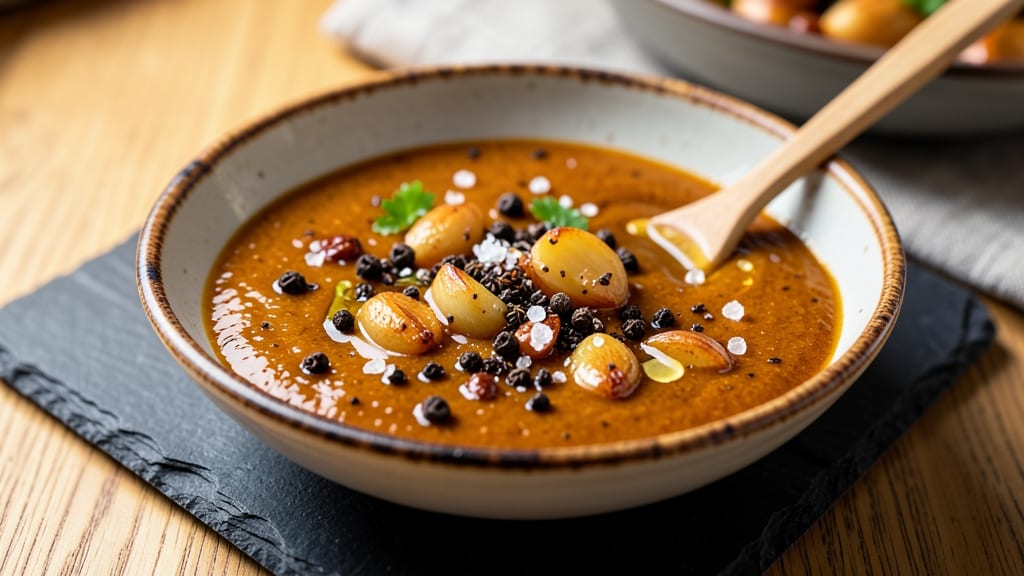
This annatto sauce recipe transforms simple ingredients into a bold, vibrant red glaze that elevates everything from rice to grilled meats. The key lies in annatto seeds—nature’s golden-orange pigment that, when steeped in oil, creates a rich, earthy sauce with a deep, slightly peppery flavor.
I developed this version after years of experimenting with Latin American cooking, where annatto isn’t just a colorant but a flavor enhancer that adds warmth and complexity.
The process is straightforward but requires patience: toast the seeds to deepen their aroma, then infuse them in oil until the liquid turns a striking red. A splash of vinegar brightens the sauce, balancing its richness, while garlic and a pinch of salt round out the flavor.
The result is a sauce that’s as versatile as it is striking—perfect for drizzling over black beans, basting grilled fish, or even coloring rice dishes without overpowering them.
What makes this sauce special is its dual purpose: it’s both a flavor booster and a natural dye, giving dishes that restaurant-quality depth and visual appeal. Unlike store-bought versions, this homemade glaze delivers a more intense color and a nuanced taste that’s hard to replicate.
The best part? It keeps beautifully in the fridge for up to two weeks, ready to transform any dish with a single drizzle. Whether you’re cooking for a family gathering or simply want to add a pop of color and flavor to your meals, this annatto sauce is a game-changer.
It’s simple enough for weeknight dinners but impressive enough for special occasions. Let’s get started—your dishes will thank you.
Ingredients for annatto sauce
Eight simple ingredients create this vibrant red sauce with restaurant-quality depth.
| Ingredient | Amount | Notes |
|---|---|---|
| Annatto Seeds 🌶️ | 2 tbsp | High-quality, whole seeds |
| Extra-Virgin Olive Oil 🫒 | 1 cup | Light or fruity variety |
| White Vinegar 🍋 | 2 tbsp | Apple cider vinegar works too |
| Garlic Cloves 🧄 | 2 cloves | Freshly minced for best flavor |
| Sea Salt 🧂 | ½ tsp | Fine grain preferred |
| Ground Black Pepper 🌶️ | ¼ tsp | Freshly cracked for depth |
| Onion Powder 🧅 | ¼ tsp | For subtle sweetness |
| Cumin Seeds 🌿 | ½ tsp | Toasted for aromatic punch |
Annatto seeds are the star—look for whole seeds at Latin markets or specialty stores like Penzeys or Whole Foods. The seeds should be bright orange and free of moisture. If you can't find them, annatto powder works in a pinch, but toasting whole seeds deepens the flavor. Trader Joe's sometimes carries them in the international aisle, and they're often sold in small bags that last for years. Toast the seeds in a dry pan until fragrant—about 2 minutes—that aroma is what makes this sauce special.
No annatto seeds? Turmeric powder at half the amount gives color but lacks the earthy depth. Vinegar substitutes? Lemon juice or white wine vinegar both work, but apple cider adds subtle sweetness. Swapping olive oil? Avocado oil or neutral vegetable oil keeps the same texture. For extra warmth, add a pinch of smoked paprika. The cumin seeds? Toast them in the same pan as the annatto—the nutty aroma blends perfectly.
Store the sauce in a clean glass jar with a tight seal. It keeps for 2 weeks in the fridge—the color actually intensifies over time. For long-term storage, freeze in ice cube trays, then transfer to a bag. A thin layer of oil on top prevents the sauce from oxidizing. This sauce is magic on black beans, grilled fish, or even drizzled over popcorn for a savory twist. Make a double batch—you'll want it on everything.
Why You'll Love This Recipe
- Pantry Magic: I swear by this sauce because it uses things I already have—no special shopping trips. Toss in annatto seeds, a splash of vinegar, and garlic from my jar, and boom: instant flavor without the grocery haul.
- Sunset in a Jar: That deep, golden hue? Pure vibes. The annatto seeds stain the oil a rich amber, while the vinegar keeps it bright and tangy—like a little burst of summer in every drizzle.
- Weeknight Superstar: Drizzle it on eggs, toss with rice, or use it to wake up roasted veggies. It’s the one sauce that turns "meh" meals into something special, and I’m always grabbing the jar mid-week.
- No-Waste Winner: A little goes a long way, so I make a big batch and stash it in the fridge. Cheaper than store-bought, lasts forever, and I never regret having it on hand for last-minute flavor fixes.
Step-by-step instructions for annatto sauce
Here's how to create a rich, vibrant red glaze that transforms any dish instantly.
Toast the Annatto Seeds and Spices
Heat a small dry skillet over medium heat and add the 2 tbsp annatto seeds and 0.5 tsp cumin seeds. Toast for 2-3 minutes until the seeds begin to sizzle and release their aromatic oils—you'll smell a warm, earthy fragrance that signals they're ready. Watch closely to avoid burning, as the seeds darken quickly.
Remove the pan from heat and immediately add the 2 cloves minced garlic, 0.25 tsp onion powder, 0.5 tsp sea salt, and 0.25 tsp ground black pepper. Stir everything together and let it cool for 5 minutes—this resting period allows the garlic to mellow and the spices to meld their flavors before infusing the oil.
Infuse the Olive Oil
Pour the 1 cup extra-virgin olive oil into a heatproof bowl that fits snugly over a saucepan of simmering water (double boiler method). This gentle heat ensures the oil doesn't overheat and lose its delicate flavor. Add the toasted annatto-spice mixture to the oil and place the bowl over the saucepan.
Maintain a gentle simmer in the water below—you should see tiny bubbles forming around the edges of the bowl, but the oil itself should never bubble vigorously. Let this infuse for 15-20 minutes while stirring occasionally. The oil will develop a deep, vibrant red color and take on the rich aroma of the annatto and spices. If it starts to smell too strong, reduce the heat slightly.
Finish with Vinegar and Strain
Remove the bowl from the heat and let it cool for 10 minutes until the oil reaches room temperature. This cooling period is crucial—it allows the flavors to fully meld without developing any bitterness. Once cooled, stir in the 2 tbsp white vinegar and let it sit for another 5 minutes to balance the richness of the oil.
Line a fine-mesh strainer with cheesecloth or a coffee filter and place it over a clean bowl. Pour the infused oil through the strainer, pressing gently on the solids to extract every last drop of flavor. Discard the strained solids—they've given everything they've got to your sauce. The result should be a smooth, vibrant red oil with a complex flavor profile that's perfect for drizzling or glazing.
Store and Use
Transfer the finished annatto sauce to a clean, airtight jar or bottle. Store it in a cool, dark place for up to 2 weeks, or refrigerate for up to 3 months to preserve its freshness. The sauce will keep its rich color and flavor when properly stored—just give it a gentle shake before each use to redistribute any settled spices.
Use this versatile sauce to elevate grilled meats, drizzle over roasted vegetables, or mix into dressings. A few drops can transform a simple dish into something extraordinary. The annatto's vibrant color makes it perfect for presentation, while its deep, earthy flavor adds complexity to any meal you create.
Pro Tips For Making Annatto Sauce
- Toast the Seeds First: I learned this the hard way—raw annatto seeds taste bitter and won’t release their color properly. Lightly toast them in a dry pan for 30 seconds until fragrant, then grind them fresh. The aroma alone tells you it’s ready.
- Use Warm Oil Only: Cold oil won’t extract the annatto’s color or flavor. Heat your olive oil to just below smoking (about 200°F/93°C) before adding the seeds—this guarantees a vibrant red sauce, not a dull one.
- Crush Garlic After Cooking: If you smash the garlic cloves before heating, they’ll burn and turn bitter. Wait until the oil is infused with annatto, then crush the garlic into the warm mixture—this keeps the flavor bright and clean.
- Strain Twice for Smoothness: After simmering, strain through a fine-mesh sieve first to catch seeds, then through cheesecloth for a silky texture. I used to skip this, and the sauce always ended up grainy—worth the extra 30 seconds.
Wine and beer pairings for this dish
White Wine Pairings
Annatto sauce’s rich, earthy depth pairs beautifully with crisp white wines that cut through its oiliness. I always reach for a dry Spanish Albariño—its bright acidity and citrus notes mirror the sauce’s vibrant color while cleansing the palate.
The Albariño’s natural minerality also complements the annatto’s subtle peppery undertones, making each bite of grilled fish or roasted vegetables feel fresh and balanced. 🍷
For a lighter option, try a Sauvignon Blanc from New Zealand, especially one with herbal notes like Marlborough Sauvignon Blanc. The grape’s zesty lime and grassy flavors contrast perfectly with the sauce’s warmth, creating a harmonious balance.
If you prefer something with a touch of sweetness, a dry Riesling from Germany adds a delicate floral lift that enhances the annatto’s complexity without overpowering it.
Light Beer Matchups
When serving annatto sauce with grilled dishes or tacos, a Mexican lager like Modelo Especial or Pacífico Clara is my go-to. The beer’s clean, crisp profile and slight malt sweetness let the sauce’s bold flavors shine while providing a refreshing contrast.
The effervescence also helps reset your palate between bites, which is perfect for spicy or rich dishes. 🍺
For a craft beer twist, opt for a Belgian witbier such as Hoegaarden. The beer’s coriander and orange peel notes echo the annatto’s earthy warmth, while its slight tartness balances the sauce’s richness.
If you’re serving seafood, a wheat beer with a hint of citrus—like Blue Moon—will complement the sauce’s vibrant color and brighten the overall dish.
Red Wine for Hearty Dishes
If you’re using annatto sauce on braised meats or hearty stews, a medium-bodied red like Pinot Noir from Oregon works wonders. The wine’s red fruit flavors and silky tannins stand up to the sauce’s depth without competing.
Look for a Willamette Valley Pinot Noir—its bright acidity and cherry notes create a seamless pairing that enhances both the sauce and the dish. 🍇
Avoid heavy, tannic reds like Cabernet Sauvignon, as they can clash with the sauce’s oiliness. Instead, a light-bodied Tempranillo from Spain offers earthy undertones that harmonize beautifully with annatto’s natural flavors.
The wine’s subtle spice notes also complement the cumin and garlic in the sauce, making every sip and bite cohesive.
Non-Alcoholic Options
For a refreshing non-alcoholic pairing, try a sparkling water infused with lime and mint. The effervescence and citrus notes cleanse the palate, while the mint adds a fresh contrast to the sauce’s earthiness.
I often serve this with grilled shrimp or ceviche topped with annatto sauce for a bright, vibrant finish. 💧
Another great choice is ginger beer—its spicy kick and slight sweetness balance the sauce’s richness. The ginger’s warmth also complements the annatto’s subtle heat, making it a dynamic pairing for spicy dishes.
For a creamy option, a vanilla chai latte adds a comforting contrast to the sauce’s bold flavors, especially when drizzled over desserts or savory pastries.
Nutrition facts
Frequently asked questions
Can I substitute annatto seeds with annatto powder?
Yes, but with some adjustments! Use 1 teaspoon of annatto powder instead of 2 tablespoons of seeds, and skip the toasting step since powder is already pre-processed. The flavor will be slightly less complex, but the color will still be vibrant. For deeper flavor, add ½ teaspoon of smoked paprika to mimic the toasted seeds' aroma.
How can I use this sauce beyond grilled meats?
This versatile sauce works beautifully in so many ways! Drizzle it over black beans or rice dishes for instant color and flavor, mix 1 tablespoon into mayonnaise for a vibrant sandwich spread, or toss it with roasted vegetables before serving. It even adds a stunning red hue to cornbread or polenta—just stir in 1 teaspoon per cup of batter.
Why did my annatto sauce turn orange instead of red?
This happens when the seeds aren't toasted long enough or the infusion time is too short. For a deeper red color, toast the seeds until they're dark golden-brown (about 3-4 minutes) and infuse the oil for 20-25 minutes instead of 15. If the color is still too light, strain the solids again and re-infuse them in fresh oil for 10 more minutes. Patience is key—annatto's vibrant red develops gradually!
Can I make this sauce without vinegar?
Yes, but the sauce will be less balanced. Vinegar brightens the flavor and prevents the oil from tasting too heavy. If you skip it, add 1 teaspoon of lemon juice or ½ teaspoon of citric acid to mimic the tang. For a different twist, try 1 teaspoon of honey to add subtle sweetness instead. The sauce will still work—just expect a slightly richer, less complex flavor.
How do I remove annatto stains from my hands or clothes?
For hands, rub with baking soda and a little water to lift the color, then wash with soap. On clothes, treat stains immediately with dish soap and cold water, then soak in white vinegar and water (1:1 ratio) for 30 minutes before washing. Avoid hot water—it sets the stain! For stubborn marks, use hydrogen peroxide (3%) on colorfast fabrics.