
Sauces & Condiments
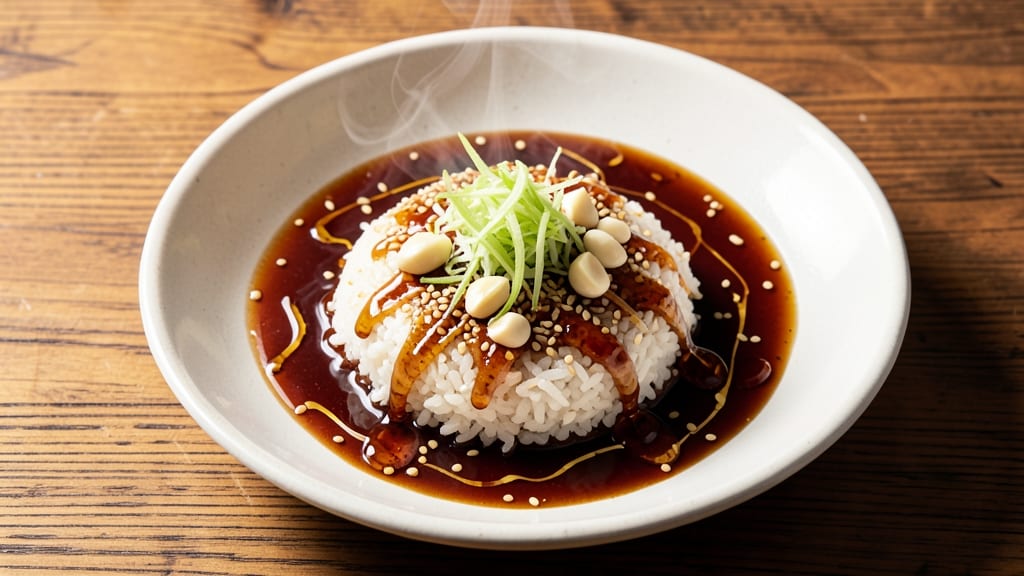
This Asian rice bowl sauce recipe delivers restaurant-quality umami balance in just 5 minutes with pantry staples you already own. The secret lies in balancing salty soy, tangy vinegar, and nutty sesame oil for that signature depth that elevates every grain of rice.
I've perfected this version through countless test bowls, ensuring it works equally well with sushi rice, jasmine, or even quinoa bowls.
What makes this sauce truly special is its versatility—adjust sweetness with honey or heat with sriracha to match your preference. The sauce keeps beautifully in the fridge for up to 5 days, making it perfect for meal prep.
Whether you're building bento boxes, lunches, or quick weeknight dinners, this simple sauce transforms basic rice into a flavor-packed centerpiece.
Ingredients for asian rice bowl sauce
Pantry staples that transform rice into a flavor-packed centerpiece every time.
| Ingredient | Amount | Notes |
|---|---|---|
| Low-Sodium Soy Sauce 🍶 | ½ cup | Kikkoman preferred for depth |
| Rice Vinegar 🍶 | ¼ cup | Seasoned or unseasoned works |
| Toasted Sesame Oil 🫒 | 1 ½ tbsp | High-quality, nutty aroma |
| Honey 🍯 | 2 tbsp | Or agave for vegan option |
| Fresh Ginger 🌿 | 1 tbsp | Finely grated, fresh preferred |
| Garlic Cloves 🧄 | 2 cloves | Minced, fresh preferred |
| Toasted Sesame Seeds 🥜 | 1 tbsp | For texture and aroma |
| Sriracha 🌶️ | 1 tbsp | Adjust for heat preference |
| Salt 🧂 | ¼ tsp | Diamond Crystal preferred |
| Black Pepper 🌶️ | ¼ tsp | Freshly ground preferred |
The soy sauce is the umami foundation—Kikkoman has that perfect balance of salt and depth, but any quality low-sodium soy will work. Rice vinegar is non-negotiable for that signature tang; the seasoned kind adds a subtle sweetness that cuts through the richness. Toasted sesame oil? Never skip this. It's what gives the sauce that nutty aroma that makes it taste restaurant-quality. I always grab mine from the Asian aisle at Trader Joe's—it's pricier but worth it. Fresh ginger and garlic are the secret weapons here; pre-minced jars work in a pinch, but nothing beats the fresh flavor. Toast your sesame seeds in a dry pan for 30 seconds—they add texture and aroma that jarred seeds can't match.
No sesame oil? Avocado oil or peanut oil can stand in, but you'll lose that signature nutty depth. Short on ginger? Substitute with 1/2 tsp ground ginger, but fresh is ideal. The honey can be swapped for agave or maple syrup if you're avoiding it. Sriracha can be adjusted—gochujang or chili crisp work too, but they'll change the flavor profile. The salt and pepper are just seasoning boosters; Diamond Crystal kosher saltmirin for extra sweetness and complexity.
This sauce keeps beautifully in an airtight jar for up to 5 days in the fridge. The flavors actually meld better after a day or two—trust me on this. For meal prep, I portion it into small containers so I can grab exactly what I need. It freezes well too, though the texture might separate slightly when thawed. Just give it a quick whisk before using. The sesame seeds and oil will separate at the top, but that's normal—just stir it in before serving. If you make extra, drizzle it over steamed greens or grilled chicken for an instant flavor boost.
Why You'll Love This Recipe
- Five-Ingredient Magic: I swear by this combo—no fancy techniques, just a quick simmer of soy, vinegar, and ginger. The toasted sesame oil finishes it with that nutty aroma that makes everything taste better.
- Sweet-Savory Balance: That honey cut through the saltiness like a dream. Honestly, the first time I used it, I thought, "Why didn’t I do this sooner?"—it’s the kind of sauce that makes rice bowls feel special without trying too hard.
- Meal Prep MVP: I make a big batch on Sundays and keep it in the fridge. Drizzle it over cold rice, toss it with stir-fry, or even use it as a marinade—it’s my go-to for lunches that don’t feel boring.
- Budget-Friendly Luxury: Fresh ginger and sesame oil might sound fancy, but they stretch across multiple meals. Between us, this sauce costs pennies per serving but tastes like you spent hours in the kitchen.
Step-by-step instructions for Asian rice bowl sauce
This sauce comes together in minutes with just a few simple techniques.
Prepare the Aromatics
In a small bowl, finely grate the 1 tablespoon of fresh ginger using a microplane or fine grater. I like to press the grated ginger between my fingers to release its oils—this intensifies the flavor. In a separate small dish, mince the 2 cloves garlic into a fine paste using a knife or garlic press. The goal here is to maximize surface area so these flavors meld perfectly into the sauce.
Set both aside for now. Here's the thing—fresh ginger and garlic make all the difference. If you're using jarred ginger, it won't have the same bright, zesty punch. And never skip mincing the garlic; chopped pieces will make the sauce taste raw and underdeveloped.
Combine Wet Ingredients
In a medium bowl, whisk together the 0.5 cup low-sodium soy sauce, 0.25 cup rice vinegar, 2 tablespoons honey, 1.5 tablespoons toasted sesame oil, and 1 tablespoon sriracha. I always use a fork for this step because it helps emulsify the ingredients slightly right away. The honey and soy sauce should start to blend smoothly, creating a glossy base.
Give it a taste at this stage—you're building layers of flavor. The soy sauce provides umami depth, the vinegar adds brightness, and the honey balances with subtle sweetness. If you want to adjust the heat, add more sriracha now. Remember, you can always add more, but you can't take it out once it's in.
Incorporate Aromatics and Seasonings
Add the grated ginger and minced garlic to the wet mixture, along with the 0.25 teaspoon salt and 0.25 teaspoon black pepper. Stir everything together until fully combined. The sauce should look smooth and cohesive—no visible chunks of ginger or garlic should remain. This is where the magic happens; the aromatics infuse into the liquid, creating complex flavor.
Let the mixture sit for 5 minutes at room temperature. This resting period allows the flavors to marry together. I know it seems like a short wait, but trust me—it makes a noticeable difference in the final product. The ginger will soften slightly, and the garlic will mellow out, preventing any harsh, raw flavors in your finished sauce.
Finish with Toasted Sesame Seeds
Before using the sauce, sprinkle in the 1 tablespoon toasted sesame seeds. These add both texture and aroma to your dish. Give it one final stir to distribute the seeds evenly. The sesame seeds should be lightly toasted—if they're raw, they'll taste bitter. I like to toast mine in a dry skillet over medium heat for about 1 minute, stirring constantly, until they're fragrant and golden.
This sauce is now ready to use immediately, but it will keep in the refrigerator for up to 5 days if stored in an airtight container. The flavors actually improve as they meld together over time. When you're ready to use it, give it a quick stir and taste—you might want to adjust the seasoning slightly after refrigeration.
Use with Confidence
Drizzle this sauce generously over your rice bowls, toss it with cooked grains, or use it as a marinade for proteins. The balance of sweet, salty, tangy, and spicy flavors makes it incredibly versatile. For an extra touch, I like to finish with a sprinkle of fresh cilantro or scallions right before serving—this adds a bright, fresh contrast to the rich sauce.
This sauce works beautifully with grilled meats, roasted vegetables, or even as a dressing for salads. The key is to use it while it's still warm for the best flavor experience. And don't be afraid to experiment—you can adjust the ratios to make it spicier, sweeter, or more tangy based on your preference. That's the beauty of homemade sauce!
Pro Tips For Making Asian Rice Bowl Sauce
- Grate Ginger Fine: Use a microplane or the smallest holes on a box grater—no chunky bits. I learned this the hard way when my sauce tasted more like ginger tea than a cohesive dressing. A teaspoon of finely grated ginger (about ½-inch knob) is enough for a standard bowl.
- Warm the Oil First: Heat the toasted sesame oil in the saucepan for 10 seconds before adding anything else. This releases its nutty aroma and prevents it from turning bitter when mixed with vinegar. Skip this, and your sauce will taste flat.
- Balance Vinegar Last: Add rice vinegar after the sauce has simmered for 2 minutes—just before turning off the heat. Taste as you go; vinegar’s acidity cuts through the sweetness, but too much kills the depth. Start with 1 teaspoon and adjust.
- Use Honey Sparingly: Honey thickens when heated, so add it gradually while stirring. I used to dump it all in at once and ended up with a gluey mess. A drizzle at a time lets you control the consistency without overdoing the sweetness.
Creative variations of this asian rice bowl sauce
Sweet & Spicy Fusion
For a sweet-spicy kick, blend in 1 tbsp gochujang (Korean chili paste) with the honey and sriracha. This adds fermented depth and a slow-building heat that pairs perfectly with grilled chicken or tofu.
I like to balance it with an extra ½ tsp honey to soften the intensity. Serve over jasmine rice with pickled radishes for contrast. 🌶️
Citrusy Bright Twist
Brighten the sauce with 1 tbsp fresh lime juice and 1 tsp lime zest for a zesty, refreshing variation. This works amazingly with shrimp or salmon in rice bowls.
The acidity cuts through the richness of the sauce, making each bite feel lighter. Garnish with extra lime wedges for serving. 🍋
Creamy Sesame Dressing
Transform this into a creamy dressing by whisking in 2 tbsp tahini and 1 tbsp warm water until smooth. Thin with an extra 1 tbsp rice vinegar if needed.
Drizzle over cucumber salad or use as a marinade for grilled halloumi. The tahini adds a velvety texture that’s perfect for cold dishes. 🥗
Umami Bomb Version
Boost umami depth by adding 1 tsp fish sauce (like Red Boat) and ½ tsp white miso paste. This version is ideal for beef or pork bowls and has a richer, more complex flavor profile.
For a vegetarian option, swap the fish sauce for an extra ½ tsp soy sauce. The miso adds a subtle earthiness that elevates the dish. 🍜
Herb-Infused Freshness
Add 1 tbsp chopped fresh cilantro or Thai basil right before serving to introduce a bright, herbaceous note. For a stronger flavor, muddle the herbs with the ginger and garlic before combining.
This variation works beautifully with summer rolls or pho-inspired bowls. The herbs keep the sauce feeling fresh and vibrant. 🌿
Smoky Charred Notes
For a smoky twist, stir in ½ tsp liquid smoke (like Kikkoman) or replace ½ tbsp sesame oil with charred sesame oil. This pairs exceptionally with grilled meats or blackened shrimp. The smokiness adds a campfire-like depth that’s irresistible. Use sparingly—it’s potent! 🔥
Nutrition facts
Frequently asked questions
Can I make this sauce without sesame oil?
The signature nutty aroma comes from sesame oil, but you can substitute 1.5 tablespoons avocado oil or peanut oil if needed. For best results, toast 1 teaspoon sesame seeds separately and sprinkle them on top after making the sauce to add texture and a hint of that authentic flavor.
How spicy should this sauce be?
The recipe includes 1 tablespoon sriracha for mild heat, but you can adjust it to taste. For extra kick, add another ½-1 tablespoon—or swap with gochujang for fermented depth. Remember, you can always add more heat later, but you can't remove it once it's in!
Can I use this sauce on other dishes besides rice bowls?
This versatile sauce works perfectly as a marinade for grilled chicken or tofu, a dressing for cucumber salads, or even a dipping sauce for spring rolls. The balance of sweet, salty, and umami makes it a great all-purpose condiment for Asian-inspired meals.
Why does my sauce look separated after refrigeration?
This is normal—the sesame oil and seeds will naturally separate. Just give it a quick whisk before using. The sauce will re-emulsify and taste just as good! For extra insurance, stir in 1 teaspoon warm water if it's very thick after refrigeration.
What's the best way to store extra sauce?
Transfer to an airtight container and store in the fridge for up to 5 days. For longer storage, freeze for 3 months. Thaw overnight in the fridge and whisk before using. The flavors actually improve when stored—it gives everything time to meld together!