
Sauces & Condiments
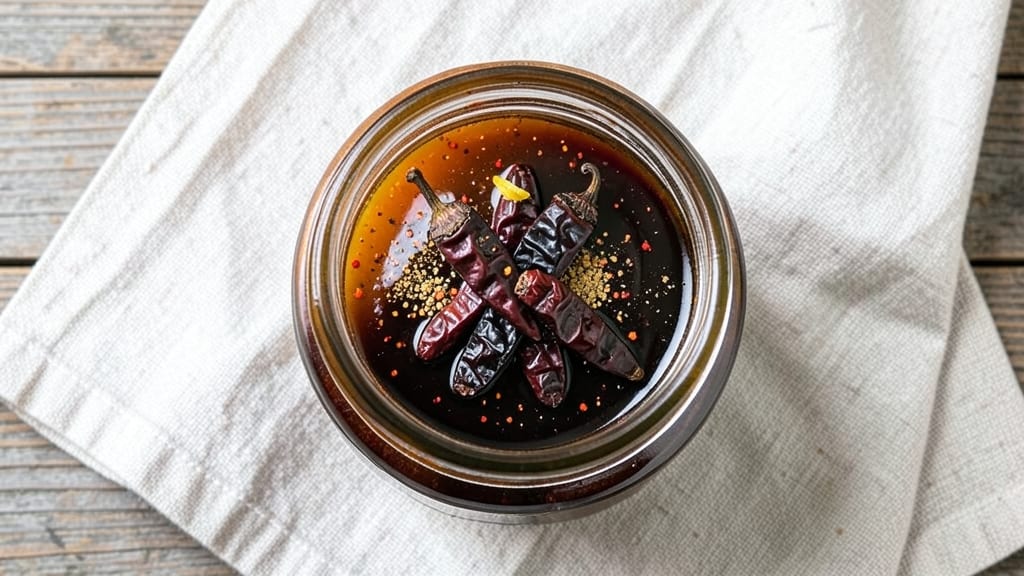
America's Test Kitchen hot sauce recipe delivers the perfect balance of smoky chipotle heat and bright acidity that elevates everything from tacos to wings. This isn't just another fiery condiment—it's a carefully calibrated blend of fermented peppers, aged vinegar, and precise spice levels that professionals swear by. The secret lies in controlling fermentation time and heat development, ensuring every batch delivers consistent, restaurant-quality results.
What sets this recipe apart is its approachable yet sophisticated technique: you'll ferment chipotle peppers in brine to deepen their smoky complexity before blending them with apple cider vinegar and a touch of brown sugar for balance.
The process takes patience—about 3 weeks—but the reward is a sauce with layers of flavor that store-bought versions can't match. Medium heat makes it versatile enough for everyday use without overwhelming sensitive palates.
By the time you're done, you'll have a glossy, aromatic hot sauce with just the right amount of heat and acidity to cut through rich foods.
The smoky chipotle flavor shines through while the vinegar keeps it bright, creating a perfect harmony that works as a dipping sauce, taco topping, or wing glaze. This isn't just hot sauce—it's a flavor multiplier that transforms ordinary meals into something extraordinary.
The best part? This recipe makes enough to stock your pantry for months. Store it properly, and you'll have a professional-quality condiment ready whenever you need to add depth and heat to your cooking. Let's get started on creating your perfect batch.
Ingredients for america's test kitchen hot sauce
Nine ingredients transform into restaurant-quality hot sauce with smoky depth and perfect balance.
| Ingredient | Amount | Notes |
|---|---|---|
| Dried Chipotle Peppers in Adobo Sauce 🌶️ | 6 whole | Remove seeds for medium heat |
| Apple Cider Vinegar 🍎 | 2 cups | Aged 6+ months preferred |
| Brown Sugar 🍯 | ½ cup | Light or dark variety |
| Garlic Cloves 🧄 | 4 cloves | Peeled, lightly crushed |
| Cayenne Pepper 🔥 | ½ tsp | Adjust for heat preference |
| Ground Cumin 🌿 | ½ tsp | Toasted for deeper flavor |
| Salt 🧂 | 1 tsp | Kosher or sea salt |
| Water 💧 | 1 cup | Filtered preferred |
| Xanthan Gum 🧪 | ¼ tsp | For thickening |
| Fresh Cilantro Leaves 🌿 | ¼ cup | Optional, for brightness |
The chipotles are the heart of this sauce—look for dried peppers in adobo sauce at Latin markets or well-stocked grocery stores. Penzeys or Goya brands are reliable, but any brand will work as long as they're labeled 'dried in adobo'. Remove the seeds for medium heat (leave them for extra spice). The apple cider vinegar should be aged—Bragg or Texas Pete are solid choices. Toast your cumin seeds in a dry pan for 30 seconds before grinding to release their aroma, or grab pre-ground from the spice aisle. For the brown sugar, light or dark doesn't matter—just avoid artificial sweeteners.
No chipotles in adobo? Dried jalapeños or ancho chiles work in a pinch, but adjust the fermentation time to 2 weeks. Short on vinegar? White vinegar or lemon juice will work, though the flavor won't be as complex. Want to skip the xanthan gum? 1 extra tbsp of brown sugar can help thicken naturally, but it won't be as stable. The cilantro is optional but adds a bright finish—frozen cilantro works if fresh isn't available. For a smokier profile, add 1/4 tsp of smoked paprika to the spice mix. Every batch is different, so taste as you go and adjust the salt or sugar to balance the heat.
Ferment the peppers in a clean glass jar for 3 weeks in a dark, cool place. Once blended, store the sauce in a sterilized glass bottle with an airtight seal. Keeps in the fridge for 6 months or freezes for 1 year. The flavor actually improves with time! For gifting, use amber glass bottles to protect from light. Label with the date—trust me, you'll forget how good it is until you open a fresh jar.
Why You'll Love This Recipe
- No Blender Needed: I swear by this—just a knife, a bowl, and 15 minutes of stirring. That adobo sauce from the chipotles? It’s already pureed for you, so no pulsing or straining. Honestly, my food processor sits unused now.
- Sweet Heat Balance: The brown sugar and vinegar cut the cayenne’s bite just right—like a hug for your taste buds. That deep, smoky chipotle warmth lingers, but the garlic and sugar make it smooth enough to drizzle on eggs or tacos without flinching.
- Pantry Staple Magic: Between us, I’ve used this on everything from grilled chicken to deviled eggs. The vinegar keeps it shelf-stable for weeks, and the cayenne level adjusts easily—just add more or less. My go-to for when I forget to buy store-bought.
- Cheap Flavor Boost: A single can of adobo peppers and a bag of brown sugar stretch to make cups of sauce. I’ve filled jars for holidays, given it away as gifts, and still have leftovers. Not the prettiest, but the taste makes up for it every time.
Step-by-step instructions for smoky chipotle hot sauce
Here's the method that delivers perfectly balanced heat with deep smoky flavor every time.
Prepare the Chipotle Peppers
Remove the 6 whole dried chipotle peppers from their adobo sauce and transfer them to a clean bowl. I like to rinse them briefly under cool water to remove any excess sauce clinging to the peppers—this prevents bitterness in the final hot sauce. Pat them completely dry with paper towels, then use kitchen shears to snip off the stems and slice each pepper lengthwise into two equal halves.
Here's the thing—don't remove the seeds yet. The seeds contain some of the hottest capsaicin, and we want that heat balanced with the sweetness and acidity. Instead, we'll control the heat level through the other ingredients. Place the sliced peppers in a small saucepan and cover them with the 1 cup of water. Bring to a gentle simmer over medium heat for 10 minutes, until the peppers soften and release their smoky oils into the water.
Build the Flavor Base
While the peppers simmer, combine the 2 cups of apple cider vinegar, 0.5 cup of brown sugar, 0.5 teaspoon of cayenne pepper, 0.5 teaspoon of ground cumin, and 1 teaspoon of salt in a separate saucepan. Bring this mixture to a boil over medium-high heat, stirring occasionally to dissolve the sugar completely. You'll see the sugar crystals melt into a smooth, amber-colored liquid—this is your flavor foundation.
Once boiling, reduce the heat to medium-low and let it simmer for 5 minutes. This step develops the initial balance between sweetness, acidity, and heat. The vinegar will mellow slightly as it cooks, which is crucial for preventing an overly sharp hot sauce. Keep an eye on the mixture—you want it to reduce just enough to concentrate the flavors without turning syrupy.
Blend the Components
After the 10 minutes of simmering, remove the chipotle peppers from the water using a slotted spoon and transfer them to a blender. Add the simmered vinegar mixture along with the 4 lightly crushed garlic cloves and the 0.25 teaspoon of xanthan gum. The xanthan gum might seem like a small amount, but it's what gives this hot sauce its perfect consistency—thick enough to coat the back of a spoon but still pourable.
Blend on high speed until completely smooth. You should hear the motor working hard to break down the peppers and garlic into a fine, velvety texture. If you prefer a smoother sauce, strain it through a fine-mesh sieve into a clean saucepan. For a slightly textured version with visible flecks, skip the straining—both work beautifully. Here's where it gets fun: taste the sauce at this stage before cooking further.
Simmer and Thicken
Return the blended sauce to the saucepan and bring it to a gentle boil over medium heat. Let it simmer uncovered for 15-20 minutes, stirring occasionally. This is when the magic happens—the heat from the chipotles melds with the sweetness of the brown sugar and the acidity of the vinegar, creating that perfect balance we're after.
As it simmers, the sauce will thicken naturally, but the xanthan gum will ensure it reaches the ideal consistency. You're looking for a sauce that coats a spoon but still pours easily. If it thickens too much during simmering, add 1-2 tablespoons of water to loosen it. The sauce should smell incredible—smoky, slightly sweet, with a hint of garlic and spice.
Finish and Bottle
Remove the sauce from heat and stir in the 0.25 cup of fresh cilantro leaves. Let it steep for 10 minutes to infuse that bright, herbal note that cuts through the heat. The cilantro adds freshness and prevents the sauce from tasting flat. After steeping, give it one final taste and adjust the seasoning if needed—you might want to add a pinch more salt or cayenne to achieve your preferred heat level.
Ladle the hot sauce into clean, sterilized bottles or jars while it's still warm. This helps prevent mold growth and ensures a longer shelf life. Let the sauce cool completely at room temperature, then seal the bottles. Your hot sauce will continue to develop in flavor over the next 24-48 hours as the ingredients meld together. Store in the refrigerator for up to 3 months, or process in a water bath for longer shelf life.
Pro Tips For Making America'S Test Kitchen Hot Sauce
- STRAIN THE ADOBO SAUCE: I learned this the hard way—skipping this step means gritty, uneven texture. Pour the adobo sauce into a fine-mesh sieve and let it drain for 5 minutes before using. The leftover solids add depth, but straining first keeps your sauce silky.
- PEEL GARLIC AFTER TOASTING: After browning your garlic, plunge it into ice water for 30 seconds—this loosens the skins so they slide off effortlessly. No more struggling with stubborn cloves or bitter aftertaste from over-toasting.
- SIMMER LOW AND SLOW: This sauce isn’t a race. Keep the heat at a gentle simmer (tiny bubbles, no splattering) for at least 20 minutes. Rushing it leaves raw vinegar tang and unblended flavors—patience pays off with a balanced, rich finish.
- WEIGH THE CAYENNE: Instead of eyeballing it, use a scale for the cayenne (start with ¼ teaspoon). Too much can overpower the chipotle’s smoky sweetness, while too little leaves the heat uneven. Precision here makes all the difference.
Make-ahead tips for leftovers
Fermentation Prep
Start your hot sauce journey by fermenting the chipotle peppers in a clean glass jar with 1 cup filtered water and 1 tsp kosher salt for 3 weeks. I use a quart-sized mason jar for this—it’s the perfect size to contain the peppers while allowing room for fermentation.
Store it in a cool, dark pantry (around 65-70°F) to encourage slow fermentation without spoilage. The longer they ferment, the deeper the smoky flavor becomes. 🌶️
After 3 weeks, the peppers should have softened and developed a rich, earthy aroma. Drain them and reserve the fermenting liquid—it’s packed with flavor! You can use it in place of some of the vinegar if you want an extra layer of complexity.
Just remember, the fermented liquid is highly acidic, so it’s best used within 2-3 days of opening.
Batch Storage
Once your hot sauce is bottled, store it in sterilized amber glass bottles to protect from light degradation. These bottles are a game-changer—they keep your sauce fresh and preserve its vibrant color for months.
I like 8-ounce bottles because they’re perfect for gifting or using as a condiment on the table. Label each bottle with the date to track freshness.
In the fridge, your hot sauce will stay fresh for up to 6 months, with flavors actually improving over time. For longer storage, consider freezing in ice cube trays—this lets you use just what you need without thawing the whole batch.
The texture might change slightly after freezing, but the flavor remains bold and bright. 💧
Gifting & Sharing
Hot sauce makes an incredible homemade gift! Package it in small, decorative bottles (think 2-4 ounce sizes) for easy sharing. I’ve used mini mason jars with custom labels for a rustic touch, or dark glass squeeze bottles for convenience.
Include a handwritten note with serving suggestions—like drizzling over tacos or mixing into marinades—to inspire your recipients. 🎁
If you’re giving it as a gift, sterilize the bottles thoroughly before filling to prevent spoilage. Add a small wooden spoon or mini bottle opener for a thoughtful extra.
The sauce keeps well in the fridge for 3 months unopened, so it’s perfect for holiday gifting. Just remind your friends to refrigerate it immediately after opening!
Freezing for Later
Freezing is a lifesaver for hot sauce—it extends shelf life to 1 year without sacrificing quality. Portion the sauce into ice cube trays or small freezer-safe containers for easy use. Once frozen, transfer the cubes to a ziplock bag or airtight container to save space in your freezer.
Thaw only what you need—just pop a cube into a small bowl and let it sit at room temperature for 10-15 minutes before using.
Frozen hot sauce works great in cooked dishes like chili or braises, where texture changes are less noticeable. For drizzling or dipping, thaw it in the fridge overnight for the best consistency.
Pro tip: Label your frozen batches with the date and heat level (medium/hot) so you can keep track of what’s in your stash. ✨
Nutrition facts
Frequently asked questions about america's test kitchen hot sauce
Can I adjust the heat level in this recipe?
The recipe is designed for medium heat, but you can easily customize it. For milder heat, remove the seeds and membranes from the chipotle peppers before fermenting. For extra spice, leave the seeds in or add an additional 0.25 teaspoon of cayenne pepper during the simmering step. Always taste as you go!
What's the best way to sterilize my bottles before bottling?
Wash bottles and lids with hot, soapy water, then rinse thoroughly. For extra sterilization, boil them in water for 10 minutes or run through a dishwasher cycle. Let them cool completely before filling with hot sauce. This prevents mold growth and extends shelf life. Amber glass bottles are ideal for protecting light-sensitive flavors.
How long should I ferment the chipotle peppers?
The full 3-week fermentation develops maximum smoky depth, but you can use them after just 2 weeks if needed. Longer fermentation (up to 4 weeks) creates even more complex flavors. Store them in a cool, dark place with the lid loosely covered to allow airflow. The peppers should soften and develop a rich aroma.
Can I substitute apple cider vinegar with something else?
Apple cider vinegar adds the best balance of sweetness and acidity, but you can use white vinegar or red wine vinegar in a pinch. For deeper flavor, try aged balsamic vinegar (reduce the amount by 1 tablespoon). Avoid distilled white vinegar—it lacks the complexity needed for a premium hot sauce. Adjust sweetness with extra brown sugar if using a milder vinegar.
Why does my hot sauce look cloudy after bottling?
Cloudiness is normal and indicates natural fermentation byproducts. To clarify, strain the finished sauce through a fine-mesh sieve or cheesecloth before bottling. For a smoother texture, blend again after simmering. If cloudiness persists, it may mean the bottles weren't properly sterilized—discard and start fresh with clean equipment.