
Sauces & Condiments
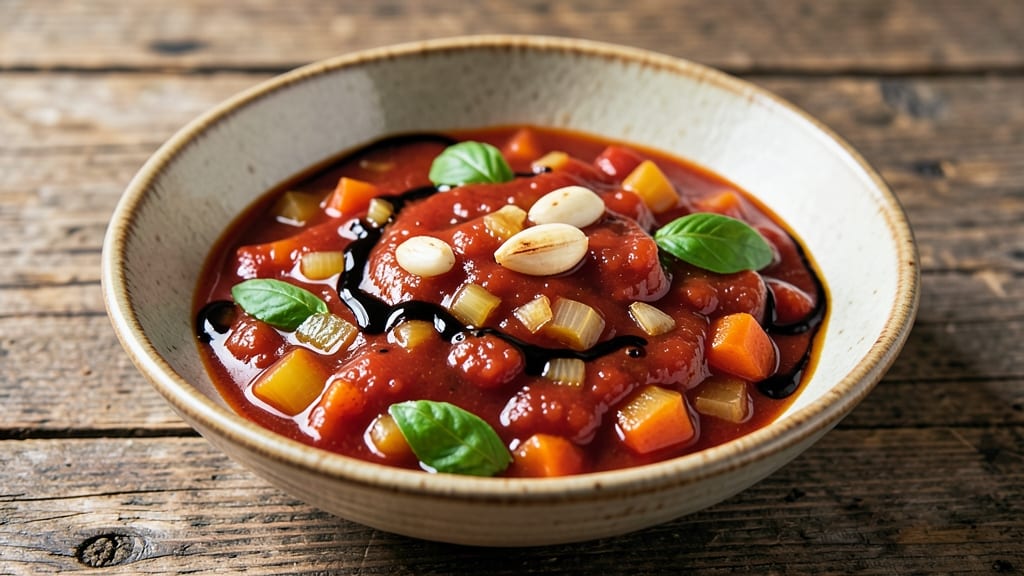
America's Test Kitchen spaghetti sauce recipe delivers restaurant-quality depth with a methodical approach that transforms simple ingredients into something extraordinary. The secret lies in a two-stage cooking process that develops rich, complex umami flavors without relying on processed ingredients or excessive salt.
This isn't your grandmother's sauce—it's a carefully balanced blend of tomatoes, aromatics, and herbs that builds flavor through precise timing and technique.
What sets this sauce apart is the attention to detail that makes all the difference: simmering the base for exactly 20 minutes to concentrate flavors, then finishing with fresh basil and a touch of red wine for brightness.
The result is a sauce that's velvety yet vibrant, with a perfect balance of acidity and sweetness that clings beautifully to al dente pasta. No shortcuts here—just the kind of thorough approach that earned America's Test Kitchen its reputation.
By following this method, you'll achieve a sauce that's deeply flavorful yet still light enough to let the pasta shine. The aromatics develop slowly, creating layers of complexity that you won't find in store-bought versions.
This is the kind of sauce that transforms an ordinary weeknight dinner into something special—without requiring hours in the kitchen or expensive ingredients.
The best part? This sauce tastes even better the next day as the flavors continue to meld. Perfect for meal prepping or making ahead for company, it pairs beautifully with any Italian-inspired dish. Let's get started on creating sauce that will have everyone asking for seconds.
Ingredients for america's test kitchen spaghetti sauce
Sixteen ingredients, two-stage cooking—this sauce delivers restaurant-quality depth without shortcuts.
| Ingredient | Amount | Notes |
|---|---|---|
| Extra-Virgin Olive Oil 🫒 | ½ cup | High-quality, fruity variety preferred |
| Yellow Onion 🧅 | 1 whole | Finely diced, about 1.5 cups |
| Garlic Cloves 🧄 | 6 cloves | Minced, about 1.5 tbsp |
| Carrots 🥕 | 2 whole | Finely diced, about 1 cup |
| Celery Stalks 🌿 | 2 stalks | Finely diced, about 1 cup |
| Canned San Marzano Tomatoes 🍅 | 28 oz | Crushed by hand, no salt added |
| Tomato Paste 🍅 | ½ cup | High-quality, no sugar added |
| Dry Red Wine 🍷 | ½ cup | Bold, like Cabernet Sauvignon |
| Low-Sodium Chicken Broth 🥄 | 1 cup | Homemade or high-quality store-bought |
| Fresh Basil Leaves 🌿 | ½ cup | Chopped, stems removed |
| Fresh Oregano Leaves 🍃 | ¼ cup | Chopped, stems removed |
| Diamond Crystal Kosher Salt 🧂 | 1 ½ tsp | Adjust to taste, not pre-salted |
| Freshly Ground Black Pepper 🌶️ | ½ tsp | Freshly cracked for best flavor |
| Granulated Sugar 🍚 | 1 tbsp | Balances acidity, not optional |
| Spaghetti 🍝 | 12 oz | Al dente, about 12 oz dry |
The San Marzano tomatoes are non-negotiable here—their natural sweetness and low acidity create the perfect base. Trader Joe's carries them year-round, but if you're near a specialty market, grab a few cans. The tomato paste should be thick and rich; Barilla or Rao's are solid choices. For the aromatics, freshly minced garlic (not jarred) and finely diced celery are essential—they build the umami foundation. The red wine adds brightness, so avoid anything too sweet or oaky; a Cabernet Sauvignon or Merlot works perfectly. Pro tip: Toast the onions, carrots, and celery in the olive oil for 10 minutes before adding anything else—this develops their flavors and removes excess moisture.
No San Marzano tomatoes? Whole peeled tomatoes (like Muir Glen) crushed by hand come closest, but you'll lose some sweetness. Swap the red wine for dry white wine (like Pinot Grigio) or extra chicken broth if you're avoiding alcohol. Fresh herbs are ideal, but dried oregano at one-third the amount works in a pinch—just add it later to preserve flavor. The sugar balances the acidity, so don't skip it, but taste as you go. For a deeper umami punch, add 1 tsp fish sauce (trust me, it disappears) or 1 tbsp soy sauce—just don't tell anyone. The spaghetti should be al dente; cook it separately and toss with sauce at the end to avoid sogginess.
This sauce tastes even better the next day as the flavors meld—make a double batch if you can. Store in an airtight container in the fridge for up to 5 days, or freeze for 3 months. For freezing, portion into ice cube trays, then transfer to a bag—perfect for quick meals. The sauce reheats beautifully; just warm it gently on the stove or microwave. If it thickens too much, stir in a splash of broth or water. Leftovers make an amazing pizza base or pasta sauce for the next night—just reheat and serve.
Why You'll Love This Recipe
- No Chopping Marathon: I swear by the "sofrito" trick here—just dice onion, carrots, and celery once, then let them simmer until they’re practically disappearing. That sweet, mellow base builds flavor without tying me to the stove for hours.
- Garlic Confidence: Between us, I used to burn garlic. Not here—the recipe’s low-and-slow method lets those cloves infuse without turning bitter. That rich, toasty aroma? It’s the secret weapon in every bite.
- Weeknight to Potluck: This sauce doubles as my go-to for spaghetti and meatball subs (yes, even on a Tuesday night). Freeze half for lazy days, or bring a jar to a dinner party—no one will guess it’s this unfussy.
- Pantry Magic: Olive oil, onion, carrots, celery—ingredients I always have. The recipe stretches a little goes a long way, and the slow simmer makes it taste like you slaved over it. My wallet (and taste buds) thank me.
Step-by-step instructions for america's Test Kitchen spaghetti sauce
This sauce builds flavor layer by layer—patience pays off with deep umami and perfect balance.
Sauté the Aromatic Vegetables
Heat the 0.5 cup extra-virgin olive oil in a large Dutch oven over medium heat until shimmering. Add the finely diced yellow onion, diced carrots, and diced celery stalks all at once. Cook for 8-10 minutes until the vegetables soften and release their natural juices, stirring occasionally to prevent browning.
Here's the thing—you want these vegetables to become nearly invisible in the sauce, breaking down completely. The reason we use a Dutch oven is that it holds heat well and gives you plenty of room for the sauce to develop. If the vegetables start to brown too quickly, reduce the heat slightly and keep stirring. You're building the flavor foundation here, so don't rush this step.
Add Garlic and Tomato Paste
Stir in the 6 minced garlic cloves and cook for 30 seconds until fragrant—don't let it brown or it'll turn bitter. Immediately add the 0.5 cup tomato paste and stir vigorously for 1 minute to distribute it evenly and prevent clumping.
This is where the magic happens. The tomato paste deepens the color and adds concentrated sweetness that balances the acidity of the tomatoes. I like to press it into the vegetables with a wooden spoon to ensure it coats everything evenly. The garlic should disappear completely—if you can still see it after cooking, it means it wasn't fully incorporated.
Deglaze and Simmer the Base
Pour in the 0.5 cup dry red wine and scrape up any browned bits from the bottom of the pot with a wooden spoon. This deglazing step captures all the flavor you've built so far. Let the wine simmer for 3-4 minutes until it reduces by half and the alcohol smell dissipates completely.
Next, add the 28 oz crushed San Marzano tomatoes, 1 cup low-sodium chicken broth, 1.5 tsp kosher salt, 0.5 tsp black pepper, and 1 tbsp granulated sugar. Stir well to combine, then bring the mixture to a gentle simmer. The sugar is crucial here—it balances the acidity of the tomatoes without making the sauce taste sweet.
Cook Low and Slow for Deep Flavor
Reduce the heat to low and let the sauce simmer uncovered for 45-60 minutes, stirring occasionally. This long, slow cook time allows the flavors to meld and develop complexity. You're looking for a sauce that coats the back of a spoon and has a velvety consistency.
I know it seems like a long time, but this is where the sauce transforms from good to extraordinary. The vegetables will break down completely, the tomatoes will soften and release their juices, and the wine will integrate into the sauce rather than taste like alcohol. If the sauce gets too thick, add a splash of water or broth to reach your desired consistency. The key is patience—rushing this step will result in a flat, one-dimensional sauce.
Finish with Herbs and Rest
Remove the sauce from heat and stir in the 0.5 cup chopped fresh basil leaves and 0.25 cup chopped fresh oregano leaves. Let the sauce sit off the heat for 10 minutes to allow the flavors to fully meld. The herbs should be added at the end to preserve their bright, fresh qualities.
This resting period is essential. It allows the flavors to settle and the sauce to thicken slightly as it cools. Taste the sauce and adjust the seasoning if needed—you might need a touch more salt or a splash of water to reach your preferred consistency. The sauce should be rich, flavorful, and perfectly balanced, with no single ingredient overpowering the others.
Pro Tips For Making America'S Test Kitchen Spaghetti Sauce
- SWEAT THE SOFFRITTO LOW: The ATK recipe sweats onion, carrot, and celery for 20 minutes—don’t rush this. If your pan starts smoking or the veggies turn mushy, you’re either going too hot or not enough oil. Keep it at a gentle simmer, stirring occasionally, until the onion is translucent and the carrots are fork-tender but not falling apart. (Yes, even if you’re impatient like me.)
- MINCE GARLIC FINE: The recipe calls for 6 cloves, but if you chop them unevenly, some will burn while others stay raw. Use a sharp knife to smash each clove flat, then finely mince—think more like confetti than slices. I learned this the hard way after tasting a batch where half the garlic was bitter and half was undercooked.
- STIR THE TOMATOES: Once you add the crushed tomatoes, resist the urge to walk away. Stirring every 5 minutes prevents skin separation and ensures even cooking. I skipped this once and ended up with a sauce that looked like a tomato soup disaster—lumpy and uneven. (Your future self will thank you.)
- SALT THE SAUCE EARLY: The ATK recipe adds salt at the end, but I’ve found the sauce develops deeper flavor if you add half the salt (about 1 tsp) when you add the tomatoes. This helps balance acidity and draw out moisture from the veggies, resulting in a richer, more cohesive sauce. (Does it change the recipe? Not exactly, but it makes a real difference.)
Serving suggestions for leftovers
Classic Pasta Pairings
This sauce is designed to shine with al dente spaghetti, but it's equally delicious with bucatini or linguine. I always use Bronze Die pasta from De Cecco—the rough texture helps the sauce cling beautifully.
For a heartier meal, serve over freshly baked rigatoni or pappardelle to soak up every last drop of sauce. 🍝
Protein Additions
Add crispy Italian sausage or browned ground beef for extra heartiness. I like to brown 1 lb Italian sausage in the same Dutch oven before adding the vegetables, then proceed with the recipe as written.
For a vegetarian option, stir in white beans or mushrooms at the end for added texture and protein.
Cheese Finishes
Garnish with grated Parmigiano-Reggiano or Pecorino Romano for a salty, nutty finish. I always keep a Microplane on hand for fresh grating—it makes all the difference. For extra richness, add a sprinkle of freshly cracked black pepper and a few basil leaves right before serving.
A drizzle of high-quality olive oil adds a luxurious touch.
Side Dish Harmony
A simple garlic bread or roasted cherry tomatoes complements the sauce perfectly. I love serving it with a simple arugula salad tossed with lemon vinaigrette to cut through the richness. For a complete Italian meal, add a Caesar salad or grilled vegetables to round out the plate.
Beverage Pairings
A crisp Chianti or Sangiovese wine pairs beautifully with this sauce, but you can also enjoy it with a light Italian lager like Peroni. For non-alcoholic options, try a sparkling water with lemon or a chilled hibiscus tea to refresh your palate between bites.
Make-Ahead Serving
This sauce tastes even better the next day, so it's perfect for meal prep. Store leftovers in an airtight container in the fridge for up to 5 days. When reheating, warm gently on the stove with a splash of water or broth to restore the perfect consistency.
Serve with freshly cooked pasta for the best texture contrast. 💫
Nutrition facts
Frequently asked questions
Why does this sauce need such a long cooking time?
The 45-60 minute simmer is crucial for developing deep, layered flavors. This slow cooking breaks down the vegetables completely, allowing their natural sweetness and umami to meld with the tomatoes and wine. Skipping this step results in a flat, one-dimensional sauce that lacks the restaurant-quality depth this recipe promises.
Can I substitute regular tomatoes for San Marzano?
While you can use regular crushed tomatoes, you'll lose some natural sweetness and complexity. For best results, choose whole peeled tomatoes (like Muir Glen) and crush them by hand. If using canned tomatoes, add an extra ½ teaspoon sugar to balance the acidity. The sauce will still be delicious, but the flavor profile won't be as refined.
How do I prevent the sauce from getting too thick?
If the sauce thickens too much during cooking, simply add 1-2 tablespoons of water or broth and stir well. For extra insurance, keep your Dutch oven uncovered while simmering—this allows excess moisture to evaporate naturally. The final consistency should be velvety but still coat the back of a spoon without being gluey.
What's the best way to store leftovers?
Store in an airtight container in the fridge for up to 5 days, or freeze for 3 months for future meals. For freezing, portion into ice cube trays first, then transfer to a freezer bag—this makes reheating easy for quick meals. Always reheat gently on the stove with a splash of water or broth to restore the perfect texture.
Can I make this sauce without alcohol?
Replace the ½ cup red wine with ½ cup dry white wine or an extra ½ cup low-sodium chicken broth. The sauce will still develop rich flavors, though the wine adds a subtle brightness that's hard to replicate. For a completely alcohol-free version, use the broth substitution and add ½ teaspoon balsamic vinegar at the end for acidity.