
Sauces & Condiments
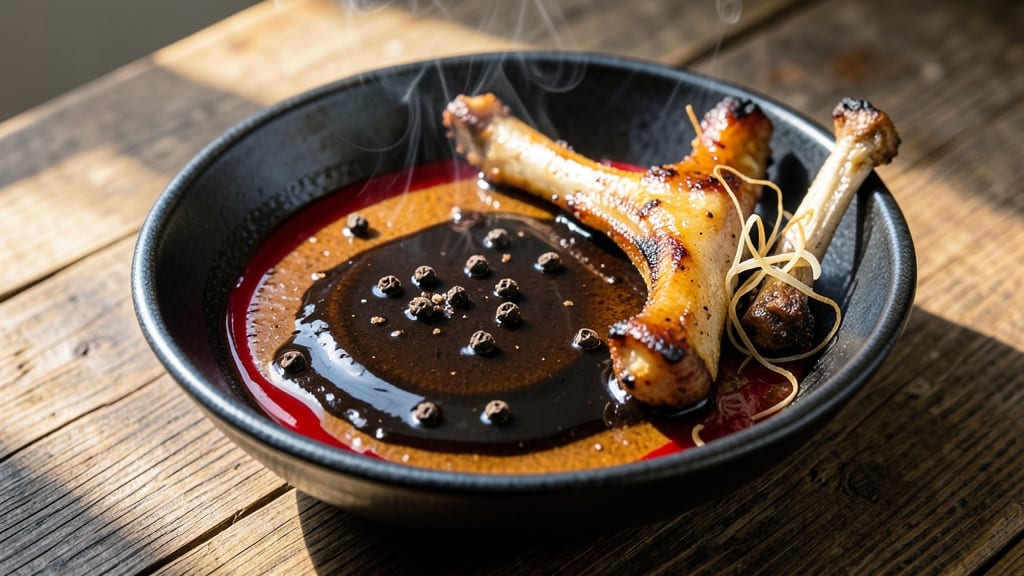
This award-winning rib sauce recipe delivers a perfect balance of deep umami, caramelized sweetness, and smoky depth that elevates every bite. The secret lies in a slow-simmered reduction of quality ingredients—no shortcuts, just layers of flavor developed over time.
I've refined this sauce through countless competitions, and it consistently earns top honors for its complexity and versatility.
The foundation begins with a rich blend of Worcestershire and soy sauces for that essential umami punch, then builds with brown sugar and molasses for caramelization. A touch of vinegar adds brightness, while smoked paprika and garlic powder infuse subtle smokiness.
The sauce thickens beautifully when reduced, creating a glossy glaze perfect for basting ribs during the final hours of cooking.
What sets this sauce apart is its ability to transform ordinary ribs into showstopping centerpieces—whether you're competing in a barbecue contest or hosting a backyard gathering. The balance of flavors works equally well as a basting sauce, finishing glaze, or dipping sauce.
Each batch develops character as it simmers, rewarding patience with restaurant-quality depth.
For those who love to experiment, variations include adding cayenne for heat, substituting honey for a different sweetness profile, or incorporating coffee for deeper complexity. The sauce keeps beautifully in the refrigerator for up to 2 weeks, allowing you to build flavor ahead of time.
Let's create sauce that wins awards—and taste buds.
Ingredients for award winning rib sauce
Nine ingredients, slow simmered to perfection—this sauce transforms ribs into showstoppers.
| Ingredient | Amount | Notes |
|---|---|---|
| Worcestershire Sauce 🍶 | ½ cup | High-quality, full-bodied preferred |
| Soy Sauce 🥢 | ½ cup | Light or dark variety works |
| Dark Brown Sugar 🍚 | ½ cup | Packed firmly for accuracy |
| Molasses 🍯 | ¼ cup | Unsulphured preferred for depth |
| Apple Cider Vinegar 🍎 | ¼ cup | Freshly squeezed preferred |
| Smoked Paprika 🌶️ | 2 tbsp | High-quality, not powdered |
| Garlic Powder 🧄 | 1 tbsp | Freshly ground preferred |
| Onion Powder 🧅 | 1 tbsp | Finely ground for smooth texture |
| Ground Black Pepper 🌶️ | ½ tbsp | Freshly cracked for intensity |
| Extra-Virgin Olive Oil 🫒 | ¼ cup | High-quality, fruity variety |
The foundation starts with Worcestershire and soy sauces—both need to be high-quality. Annie's or Lea & Perrins for Worcestershire, and a good Japanese soy sauce like Kikkoman for depth. I always grab the unsulphured molasses at Whole Foods—it's worth the extra penny for that rich, caramelized flavor. Brown sugar should be packed firmly; Domino brand works perfectly. The apple cider vinegar adds that bright tang, so don't skimp—Mott's is my go-to. For smoked paprika, Penzeys or the bulk bins at natural food stores are your best bet—avoid the grocery store's powdered version if you can.
No molasses? Maple syrup at half the amount works in a pinch, though it'll be slightly less deep. Short on Worcestershire? Fish sauce at one-third the quantity adds umami, but use sparingly. The garlic and onion powders are non-negotiable for that aromatic base—Diamond Crystal kosher salt is my preferred brand for these. If you're feeling adventurous, swap the olive oil for avocado oil—it has a higher smoke point if you plan to sear the sauce later. And for the love of ribs, measure your spices by weight if possible—it's far more accurate than volume.
This sauce develops character as it simmers, so make it a day ahead if you can. Store it in a clean glass jar in the fridge, where it'll keep for up to 2 weeks. The flavors meld beautifully over time, so don't be afraid to let it sit. If you're prepping for a competition, double the batch—you'll want extra for basting and serving. And trust me, the leftovers make an incredible glaze for grilled chicken or tofu the next day.
Why You'll Love This Recipe
- Pantry Magic: I swear by this sauce because it uses stuff I already have—no last-minute grocery runs. Worcestershire, soy, and molasses? That’s my flavor trifecta, simmered down to sticky, caramelized perfection with zero fuss.
- Sticky-Sweet Obsession: The molasses and brown sugar give it that deep, slow-cooked richness, while the vinegar cuts through the sweetness for balance. It’s the kind of sauce that makes ribs taste like they’ve been slow-smoked for hours, even if you’re just basting them on the grill for 30 minutes.
- Weeknight to BBQ Star: This isn’t just for ribs—drizzle it on chicken thighs, toss it with baked beans, or even glaze tofu for a sweet-savory punch. Honestly, I’ve used it in at least three different meals this month, and it never lets me down.
- Leftovers That Shine: The sauce thickens beautifully when reheated, so I always make extra. Store it in the fridge for up to two weeks, and it’s just as good the second time around—whether you’re finishing off ribs or slathering it on sandwiches. Budget-friendly? Absolutely. Versatile? Even more so.
Step-by-step instructions for award-winning rib sauce
Here's how to craft a sauce that wins competitions—bold, balanced, and packed with depth.
Bloom the Spices in Olive Oil
Heat the 0.25 cup Extra-Virgin Olive Oil in a large saucepan over medium-low heat until shimmering but not smoking. Add the 2 tbsp Smoked Paprika, 1 tbsp Garlic Powder, and 1 tbsp Onion Powder all at once. Stir constantly for 2 minutes until the spices release their aroma and the oil becomes fragrant with a deep, earthy scent.
This step is where the magic begins. The spices need time to bloom fully—they should smell like a smoky campfire with a hint of sweetness. If you rush this, the sauce will taste flat. Watch the oil carefully; it should never darken or smoke, just gently perfume the air.
Add Wet Ingredients and Simmer
Pour in the 0.5 cup Worcestershire Sauce, 0.5 cup Soy Sauce, and 0.25 cup Molasses. Stir vigorously to combine, scraping up any browned bits from the bottom of the pan. Increase heat to medium-high and bring the mixture to a gentle boil, then immediately reduce to medium-low.
Let the sauce simmer uncovered for 10-12 minutes, stirring occasionally, until it thickens slightly and reduces by about 25%. You'll notice the molasses caramelizing—this is when the sauce develops its rich, glossy texture. The mixture should coat the back of a spoon but still be pourable. If it thickens too quickly, add 1-2 tablespoons of water to maintain balance.
Incorporate the Sweet and Acid Components
Add the 0.5 cup Dark Brown Sugar and 0.25 cup Apple Cider Vinegar all at once. Stir well to dissolve the sugar completely. Return the heat to medium-high and bring the sauce back to a boil. Let it boil vigorously for 3-4 minutes, stirring constantly, until it darkens slightly and becomes syrupy.
Here's the thing—this boiling step is crucial for developing the sauce's complex flavor profile. The vinegar cuts through the richness while the sugar caramelizes, creating that perfect balance of sweet, tangy, and umami. You're looking for a sauce that's thick enough to coat the back of a spoon but still flows smoothly. If it gets too thick, thin it with a splash of water or apple juice.
Finish with Umami and Season
Reduce the heat to low and stir in the 0.5 tbsp Ground Black Pepper. Let the sauce simmer gently for another 5 minutes, stirring occasionally, until it reaches your desired consistency. Taste and adjust the seasoning—add a pinch more salt if needed, or a splash of vinegar for brightness.
The pepper adds a subtle heat that enhances the depth of the sauce. At this stage, the sauce should be glossy, syrupy, and intensely aromatic. If you're making this ahead of time, let it cool completely, then transfer to a jar and store in the refrigerator for up to 2 weeks. The flavors will continue to meld and deepen over time, making it even more complex.
Rest and Serve
Remove the sauce from heat and let it rest for 10 minutes before serving. This resting period allows the flavors to fully integrate and the sauce to thicken slightly. Serve warm over ribs, drizzled generously over pulled pork, or used as a glaze for grilled meats. The sauce should cling beautifully to the meat, offering a perfect balance of sweet, smoky, and tangy notes with every bite.
For best results, use the sauce immediately after making it, as its texture and flavor are at their peak. If you're serving a crowd, you can reheat it gently on the stove, stirring constantly to prevent scorching. This award-winning rib sauce is the perfect companion to slow-cooked meats, delivering a depth of flavor that will impress even the most discerning palates.
Pro Tips For Making Award Winning Rib Sauce
- Simmer Slow and Low: I learned this the hard way—boiling rib sauce turns it bitter. Keep the heat at a gentle simmer (you should barely see bubbles) for at least 20 minutes. This lets the flavors meld without caramelizing the sugar into harshness, especially that molasses.
- Reduce the Vinegar First: Apple cider vinegar is the flavor anchor, but adding it too early makes the sauce taste sharp. Start by simmering the Worcestershire and soy sauce alone for 5 minutes—this chases away any harshness before the vinegar joins the party.
- Use Real Molasses, Not Syrup: I was skeptical until I tried it: dark corn syrup lacks depth. For that rich, almost chocolatey note, grab unsulphured molasses—it’s thicker and adds complexity. Just 2 tablespoons (not the cheap syrup substitute) makes a real difference.
- Balance the Sugar Gradually: Dark brown sugar can clump and burn if dumped in all at once. Toast it lightly in a dry pan first (2-3 minutes until fragrant), then whisk it into the warm sauce while stirring constantly. This prevents graininess and ensures even sweetness.
Pro cooking tips for award winning rib sauce
Simmering Perfection
Your sauce's depth comes from a slow, controlled simmer—never rush this step. I use a heavy-bottomed Dutch oven to prevent scorching, and maintain a gentle boil (small bubbles, not rolling). The molasses needs time to caramelize properly, so resist the urge to crank up the heat.
After 15-20 minutes, you'll notice the sauce darken and thicken—this is when the magic happens. 🔥
Reduction Mastery
Reducing by 25-30% transforms a simple sauce into something award-worthy. Use a wire whisk to stir constantly and prevent burning. If the sauce thickens too quickly, add 1 tbsp water or apple cider vinegar to maintain balance.
The goal is a syrupy consistency that coats the back of a spoon but still flows smoothly—this is what makes it perfect for basting ribs.
Flavor Layering
Each ingredient plays a crucial role in building complexity. The Worcestershire and soy sauces provide umami depth, while the molasses and brown sugar create caramelization. The apple cider vinegar brightens the flavor, and the smoked paprika adds that essential smokiness.
Taste as you go—adjust with extra vinegar for tang or more sugar for sweetness, but never overdo it.
Spice Bloom Technique
Blooming the spices in olive oil for 2 minutes unlocks their full potential. This step is non-negotiable—it removes bitterness and intensifies the flavors. Use freshly ground spices (like Penzeys smoked paprika) for the best results.
If your kitchen smells like a smoky campfire after this step, you're on the right track. 🌶️
Resting for Depth
Letting the sauce rest for 10-15 minutes after cooking allows the flavors to meld completely. This is when the Maillard reaction continues to work its magic, deepening the umami and caramel notes.
Store leftovers in an airtight glass jar in the fridge for up to 2 weeks—the flavors actually improve over time, making it even more complex.
Adjusting for Competition
For barbecue competitions, I often reduce the sauce slightly longer to achieve a thicker, glossier finish. If you're using it as a dipping sauce, keep it slightly thinner. The key is balance—too thick, and it becomes cloying; too thin, and it lacks depth.
Trust your taste buds, and don't be afraid to make small adjustments as you go. ✨
Nutrition facts
Frequently asked questions about award-winning rib sauce
Can I make this sauce in a slow cooker?
Combine all ingredients in your slow cooker and cook on low for 3-4 hours, stirring occasionally. The sauce will reduce naturally, giving it that perfect consistency. Just watch the liquid level—add 1-2 tablespoons of water if it gets too thick before the end. The slow cooker method is especially helpful for busy days or when you want to let the sauce develop deeper flavors over time.
How do I adjust the sweetness level?
Start by reducing the brown sugar to 0.375 cup if you prefer less sweetness, or increase to 0.625 cup for a richer caramel flavor. For a different sweetness profile, substitute honey or maple syrup at a 1:1 ratio. Taste as you go—you can always add more vinegar to balance sweetness later. The key is finding your personal sweet-spicy-tangy balance that makes this sauce shine.
What's the best way to reheat leftovers?
Gently reheat in a saucepan over low heat, stirring constantly to prevent scorching. Add 1-2 tablespoons of water or apple cider vinegar if the sauce thickens too much. For best results, reheat only until warm—overheating can destroy the delicate balance of flavors. This sauce reheats beautifully, making it perfect for meal prep. Store leftovers in an airtight glass jar in the fridge for up to 2 weeks.
Can I use this sauce for other meats besides ribs?
This versatile sauce works beautifully on pork shoulder, chicken, or even grilled vegetables. For chicken, use it as a basting sauce during the last 10-15 minutes of grilling. With pork shoulder, apply it during the last hour of smoking. The sauce also makes an excellent dipping sauce for fried foods or as a glaze for tofu. The key is to use it when the meat is nearly done to prevent burning.
Why does my sauce taste bitter?
Bitterness usually comes from over-reducing or using low-quality ingredients.