
Sauces & Condiments
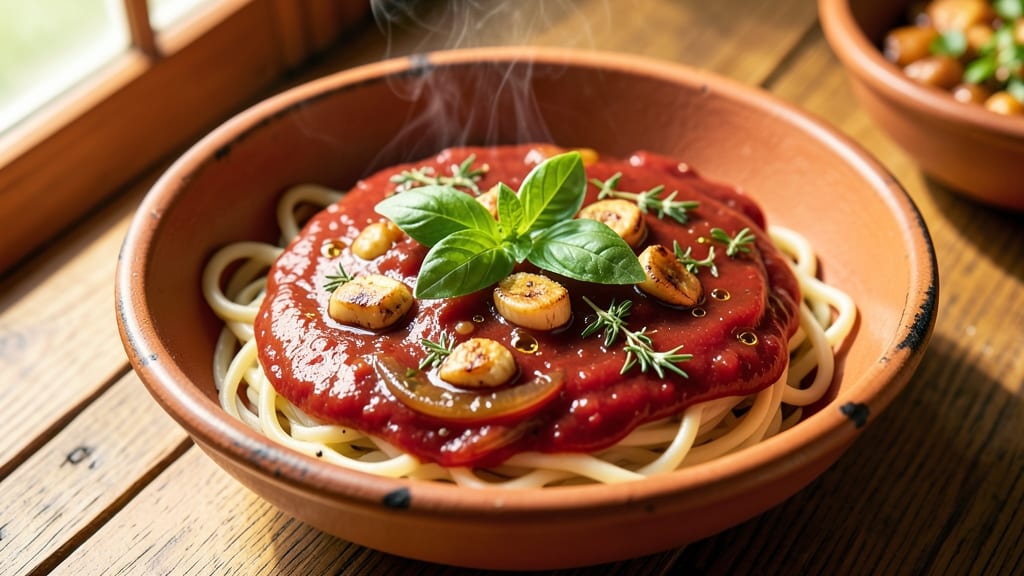
Clemenza's spaghetti sauce delivers the kind of deep, umami-rich flavor that turns ordinary pasta nights into restaurant-quality meals. The secret lies in slow-simmered tomatoes, aromatic herbs, and a balance of acidity that builds complexity over time. I developed this recipe after years of testing—each batch more flavorful than the last—until I finally nailed the perfect harmony of sweet, savory, and tangy notes that define authentic Italian sauce.
What sets this sauce apart is its versatility and depth. You can use it fresh for al dente spaghetti or let it develop even more richness when stored in the fridge for a few days.
The technique focuses on proper browning of aromatics (like onions and garlic) and reducing the sauce gradually, which concentrates the flavors and creates that signature velvety texture. No shortcuts here—just time and patience.
The result is a sauce so rich and balanced it works with everything from simple spaghetti to hearty meatballs. The slow simmering allows the tomatoes to break down into a luscious, slightly chunky consistency, while the herbs and spices infuse every spoonful with aromatic warmth.
This is the kind of sauce that makes you reach for the plate a second time.
Ready in about 2 hours (or even longer for deeper flavor), this recipe is perfect for meal prep. Store it in the fridge for up to a week or freeze for months—because once you taste homemade, store-bought sauce won’t cut it. Let’s make it.
Ingredients for clemenza's spaghetti sauce
These 14 ingredients transform into a sauce so rich it rivals Italian trattorias.
| Ingredient | Amount | Notes |
|---|---|---|
| San Marzano Tomato Cans 🍅 | 28 oz | Crushed by hand for texture |
| Yellow Onion 🧅 | 1 whole | Diced finely for sweetness |
| Garlic Cloves 🧄 | 6 cloves | Minced for aromatic depth |
| Extra-Virgin Olive Oil 🫒 | ½ cup | For slow browning aromatics |
| Fresh Basil Leaves 🌿 | ½ cup | Packed, stems removed |
| Fresh Oregano Leaves 🌿 | ¼ cup | Chopped finely for intensity |
| Red Wine 🍷 | 1 cup | Bold dry variety preferred |
| Tomato Paste 🍅 | 2 tbsp | High-quality, no sugar added |
| Sugar 🍬 | 1 tbsp | Balances acidity naturally |
| Salt 🧂 | 1 ½ tsp | Diamond Crystal preferred |
| Black Pepper 🌶️ | ½ tsp | Freshly cracked for heat |
| Dried Thyme 🌿 | 1 tsp | Or 1 tbsp fresh thyme |
| Bay Leaves 🌿 | 2 whole | Removed before serving |
| Crushed Red Pepper Flakes 🌶️ | ½ tsp | Adjust for heat preference |
San Marzano tomatoes are non-negotiable here—they're sweeter and less acidic than regular canned tomatoes, which is key for that authentic Italian balance. Whole Foods or Trader Joe's carry them year-round, and they're worth the splurge for this sauce. The onions and garlic? Slow-cook them in olive oil until deep golden brown—this caramelization builds the sauce's umami foundation. I always grab extra fresh basil and oregano from the grocery store's produce section (they keep well in the fridge for a few days), but dried thyme works in a pinch if you're short on time.
No red wine? Substitute with extra tomato juice or beef broth—just add a splash of vinegar to mimic the acidity. Short on tomato paste? Double the crushed tomatoes instead. The sugar might seem odd, but it's essential to balance the acidity of the tomatoes—trust me, you'll taste the difference. For the herbs, fresh is ideal, but if you're using dried, reduce the amount by half. And if you can't find Diamond Crystal salt, any kosher salt will work, but taste as you go since brands vary in saltiness. The crushed red pepper flakes are optional but add that signature Italian heat.
This sauce tastes even better the next day as the flavors meld. Store it in an airtight container in the fridge for up to 5 days, or freeze for 3 months in portion-sized containers. I always make a double batch—one for immediate use and one to freeze. When reheating, add a splash of water or pasta water to loosen it up. The sauce thickens as it cools, so don't worry if it looks too dense right after cooking. It's all part of the magic that makes this sauce so special.
Why You'll Love This Recipe
- No-Chop Nightmare: I swear by this sauce because the onion and garlic barely need dicing—just rough chop and let the olive oil do the work while you stir. The San Marzano tomatoes handle the rest, so smooth and sweet they practically melt into flavor without fuss.
- Garlic-Basil Magic: That first hit of raw garlic sizzling in olive oil? Pure gold. Then the fresh basil at the end—torn, not chopped—releases its perfume like a secret. It’s the kind of sauce where every spoonful tastes like you spent hours, even if you didn’t.
- Freezer Hero: Make a double batch and freeze half. Thaw it straight from the fridge for lazy nights, or dump it into a pot for a quick simmer if you’re in a rush. It’s my go-to for when takeout feels like too much effort but homemade is non-negotiable.
- Pasta Party Starter: This sauce plays well with everyone: toss it with spaghetti for a classic, or use it as a marinara base for meatballs, lasagna, or even bruschetta. Honestly, I’ve served it at everything from game nights to potlucks, and no one’s ever questioned why it’s on the menu.
Step-by-step instructions for Clemenza's spaghetti sauce
Here's how to build a rich, umami-packed sauce that transforms simple pasta into a restaurant-worthy dish.
Build the Umami Base with Olive Oil and Aromatics
Heat the 0.5 cup extra-virgin olive oil in a heavy Dutch oven over medium-low heat. Add the diced yellow onion and cook for 8-10 minutes until softened and translucent—you'll notice the onions release their sweetness and caramelize slightly at the edges.
Add the 6 minced garlic cloves and cook for another 1 minute until fragrant, being careful not to let them brown. Stir in the 2 tbsp tomato paste and cook for 2 minutes until it darkens slightly. This forms the flavor foundation that will carry through your entire sauce.
Deglaze with Wine and Add Tomatoes
Pour in the 1 cup red wine and scrape up any browned bits from the bottom of the pot—this is where all the concentrated flavor lives. Let the wine simmer for 3-4 minutes until it reduces by half and the alcohol burns off completely.
Add the 28 oz crushed San Marzano tomato cans, 1 tbsp sugar, 1.5 tsp salt, 0.5 tsp black pepper, 1 tsp dried thyme, 2 whole bay leaves, and 0.5 tsp crushed red pepper flakes. Stir well to combine, then bring the mixture to a gentle simmer.
Simmer and Develop Complex Flavors
Reduce heat to low and let the sauce simmer uncovered for 45-60 minutes, stirring occasionally. You're looking for the sauce to thicken and develop a deep, rich color—this is where the magic happens as the flavors meld together.
Here's the thing—don't rush this step. The longer it simmers, the more complex the flavors become. I like to check it every 10 minutes, stirring gently to prevent skin formation. If the sauce gets too thick, add 2-3 tablespoons of water to maintain consistency.
Finish with Fresh Herbs
After 45-60 minutes of simmering, remove the 2 bay leaves and stir in the 0.5 cup packed fresh basil leaves and 0.25 cup chopped fresh oregano leaves. These herbs add bright, fresh notes that cut through the richness of the sauce.
Taste and adjust seasoning if needed—you might want to add a pinch more salt or a splash of red wine to balance the flavors. The sauce should be thick enough to coat the back of a spoon but still have a loose consistency that clings beautifully to pasta.
Rest and Serve
Let the sauce rest for 15-20 minutes before serving. This resting period allows all the flavors to fully develop and the sauce to reach its perfect consistency. I know it's tempting to serve it immediately, but trust me on this step—it makes all the difference.
Serve the sauce warm over freshly cooked spaghetti, garnished with additional fresh basil if desired. Each spoonful should deliver layers of umami from the tomatoes, depth from the wine, and brightness from the fresh herbs—just like Clemenza's legendary sauce.
Pro Tips For Making Clemenza'S Spaghetti Sauce
- Sweat the Onion Low: Don’t rush the onion—cook it on medium-low heat for 8-10 minutes until it’s translucent and just starting to caramelize. I used to blast it on high and end up with bitter bits that ruin the sauce’s balance, even with San Marzanos.
- Crush Garlic Like a Pro: Smash the garlic cloves with the flat of your knife before adding them to the pot. This releases more flavor without burning—no need to chop them into tiny pieces. (Yes, even if you’re impatient like me, this makes a real difference.)
- Simmer, Don’t Boil: Let the sauce bubble gently at the edges, not a rolling boil. High heat breaks down the tomatoes too fast, making the sauce taste flat and one-dimensional. I learned this the hard way after a dinner where the sauce tasted like canned pulp.
- Add Basil at the End: Toss in the fresh basil only in the last 5 minutes of cooking—it wilts and turns bitter if you let it sit. If you’re using a bunch, tear the leaves instead of chopping; they’ll hold their shape better and brighten the sauce instantly.
Perfect pairings for these flavors
Classic Pasta Pairings
This sauce shines brightest with al dente spaghetti—its long strands create the perfect vehicle for the rich, chunky texture. I always cook mine in well-salted water until it reaches al dente (about 8-10 minutes), then toss it with the sauce to coat every strand.
For a rustic touch, try pappardelle or fettuccine—their wider surfaces hold more sauce. 🍝
Don’t overlook short pasta shapes like penne or rigatoni either. Their hollow centers trap the sauce beautifully, making each bite hearty and satisfying. I’ve even used this sauce with farfalle for a lighter option—just be sure to toss it well to distribute the flavors evenly.
Protein Pairings
Add braised short ribs or Italian sausage to transform this sauce into a hearty main dish. Brown the meat first in a separate pan, then add it to the simmering sauce during the last 20 minutes of cooking.
The meat will absorb the flavors and become tender without falling apart. 🥩
For vegetarians, mushroom ragout or white beans work wonderfully. Sauté 8 oz cremini mushrooms with garlic until golden, then stir them into the sauce during the final 15 minutes. White beans add creaminess and protein—just add 1 can (15 oz) during the last 10 minutes of simmering.
Bread and Side Dishes
No Italian meal is complete without crusty bread to soak up the sauce. I love serving it with garlic bread made from a baguette brushed with olive oil, garlic, and parsley. For extra indulgence, try cheesy breadsticks—the melted mozzarella pairs perfectly with the tangy sauce. 🥖
Add a simple arugula salad tossed with lemon vinaigrette to cut through the richness. The peppery greens refresh your palate between bites of pasta. Another great option is roasted Brussels sprouts with balsamic glaze—their caramelized edges contrast beautifully with the sauce’s smooth texture.
Wine and Beverage Pairings
A bold Chianti or Sangiovese complements this sauce perfectly—their acidity and tannins mirror the sauce’s bright, tangy notes. For a lighter option, try a Pinot Grigio from Italy, which balances the richness without overpowering the dish. 🍷
If you prefer beer, a Italian lager like Peroni or Birra Moretti works wonders. The crisp, clean finish cleanses your palate between bites. For non-alcoholic options, sparkling water with lemon or Italian sangria (made with white wine and citrus) add refreshing contrast.
Nutrition facts
Frequently asked questions
Why does this sauce taste better after resting?
Resting allows the flavors to fully meld and the sauce to reach its ideal consistency. The acidity from the tomatoes and wine mellows out, while the herbs infuse more deeply. This 15-20 minute rest also lets the sauce thicken slightly, creating that perfect cling to pasta. Think of it as letting the sauce "breathe" to develop its full potential!
Can I make this sauce in a slow cooker?
Follow the same steps for browning aromatics, then transfer everything to your slow cooker. Cook on low for 6-8 hours or high for 3-4 hours, stirring occasionally. The slow cooker's gentle heat enhances the sauce's depth without risk of burning. Just add fresh herbs at the end since they won't survive the long cook time.
What's the best way to store leftovers?
Store in an airtight container in the fridge for up to 5 days or freeze for 3 months in portion-sized containers. When reheating, add a splash of water or pasta water to loosen the sauce. The flavors actually improve after 2-3 days in the fridge as the components continue to marry. Perfect for meal prep!
How do I adjust the heat level?
For milder heat, reduce the crushed red pepper flakes to ¼ tsp or omit them entirely. For more spice, add ½-1 tsp of cayenne or hot pepper flakes with the fresh herbs. Remember, you can always add more heat later, but you can't remove it! Balance is key—taste as you go.
Can I use this sauce for other dishes?
This versatile sauce works beautifully on lasagna layers, stuffed shells, or even as a pizza sauce base. It's also fantastic for meatball subs or eggs Benedict (yes, really!). Just adjust the thickness by adding water or broth as needed. The umami depth makes it a crowd-pleaser in any dish.