
Sauces & Condiments
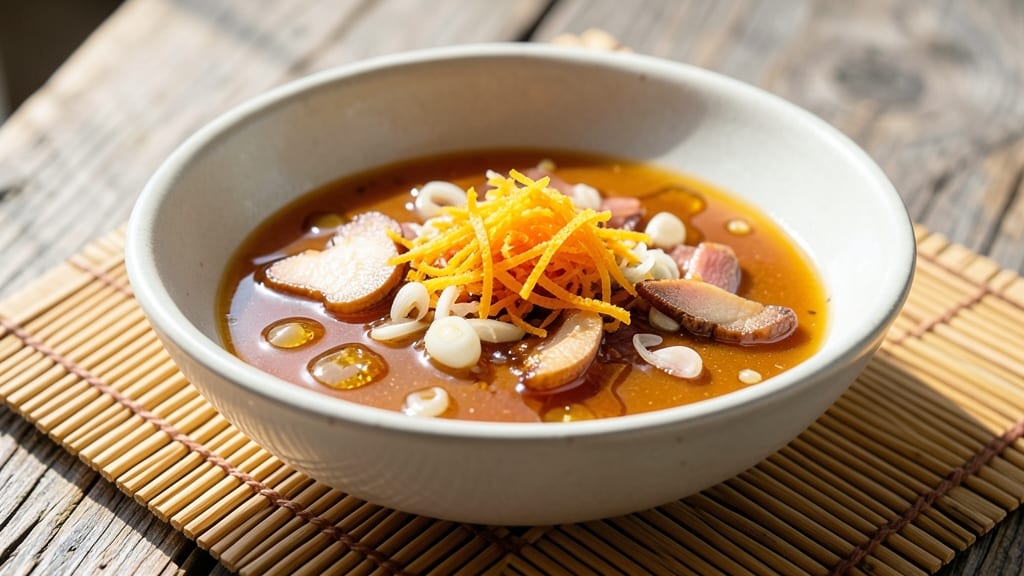
This Asian orange ginger sauce transforms ordinary dishes into restaurant-worthy meals with its vibrant citrus-zing balance. 🌟 The secret lies in fresh ginger's warmth, bright orange juice's acidity, and a touch of honey to harmonize the flavors—no dry spices here.
Just a few simple ingredients combine to create a versatile glaze that elevates everything from grilled proteins to stir-fried noodles.
What makes this sauce special is its adaptability—use it as a marinade for chicken or fish, a dipping sauce for spring rolls, or a finishing glaze for roasted vegetables. The sauce develops deeper flavor when reduced, so don’t rush the simmering step.
Fresh garlic and shallots add aromatic depth, while a pinch of red pepper flakes introduces subtle heat for those who crave it.
The result is a glossy, aromatic sauce that clings beautifully to food, delivering a perfect balance of sweet, tangy, and spicy notes. It keeps well in the fridge for up to a week, making it ideal for meal prep.
Whether you're cooking for a crowd or treating yourself to a special dinner, this sauce will bring a bright, fresh twist to your dishes.
Ready in just 15 minutes, this sauce requires minimal effort but delivers maximum flavor. The key is patience during the reduction—let it simmer until thickened for that perfect consistency. Once you try it, you’ll never go back to store-bought versions.
Ingredients for asian orange ginger sauce
Bright citrus, zesty ginger, and aromatic depth—just 10 ingredients transform into this restaurant-worthy sauce.
| Ingredient | Amount | Notes |
|---|---|---|
| Fresh Ginger Root 🌿 | ½ cup | Finely grated, skin removed |
| Fresh Orange Juice 🍊 | ½ cup | Freshly squeezed, no pulp |
| Honey 🍯 | 2 tbsp | Light or wildflower preferred |
| Low-Sodium Soy Sauce 🥢 | 2 tbsp | Or tamari for gluten-free |
| Garlic Cloves 🧄 | 3 cloves | Minced, fresh preferred |
| Shallots 🧅 | 2 whole | Finely minced, or 2 tbsp chopped |
| Red Pepper Flakes 🌶️ | ½ tsp | Adjust for heat preference |
| Extra-Virgin Olive Oil 🫒 | 1 tbsp | For richness and gloss |
| Rice Vinegar 🍶 | 1 tbsp | White or seasoned vinegar |
| Sesame Oil 🌰 | ½ tsp | Toasted sesame oil for aroma |
The ginger is your flavor anchor—look for fresh, firm roots with no soft spots. Whole Foods or Asian markets usually have the best quality. If you can't find fresh ginger, powdered works in a pinch (reduce to one-third the amount), but it won't have that same punch. The orange juice should be freshly squeezed—store-bought often tastes flat. For extra brightness, add a tiny bit of zest from the peel (about 1 tsp). The honey balances the acidity, so light or wildflower varieties work best—they don’t overpower the citrus.
No soy sauce? Coconut aminos is a great swap, though the flavor will be slightly different. Short on shallots? Extra onion or green onion works, but the sweetness won’t be exactly the same. The red pepper flakes can be omitted if you prefer no heat, but a pinch of cayenne works too if you want more kick. Sesame oil is optional but adds that signature nutty aroma—any brand works, but toasted versions have deeper flavor. If you’re making this ahead, skip the sesame oil until the end to preserve its aroma.
This sauce keeps beautifully—up to 1 week in the fridge sealed in a jar. For longer storage, freeze in ice cube trays (perfect for single servings). The flavor actually improves after a day or two as everything melds. I like to make a double batch—one for immediate use, one to freeze. When reheating, warm gently on the stove and stir in the sesame oil at the end to keep it fragrant. Pairs perfectly with grilled chicken, noodles, or even as a marinade for tofu.
Why You'll Love This Recipe
- Five-Ingredient Magic: I swear by this combo—just ginger, orange juice, honey, soy sauce, and garlic. That’s it. No fancy techniques, no hidden pantry staples. The honey and soy sauce balance the zing of fresh ginger like it’s been friends forever.
- Bright & Zesty: Honestly, the first time I tasted this, I grabbed another spoon. The orange juice cuts through the ginger’s heat while the honey rounds it out—like a citrusy hug for your taste buds. Add a splash of this to anything, and suddenly, it’s better.
- Weeknight Hero: Between us, this sauce is my secret weapon for boring meals. Drizzle it over grilled chicken, toss it with noodles, or even mix it into a quick stir-fry. It’s the kind of thing that makes Tuesday dinners feel special without trying too hard.
- Stays Fresh: I’ve had this sauce last five days in the fridge—no weird textures, no off flavors. Just as good the second time around. Plus, it’s cheap to make; I use up whatever ginger and citrus I have before they go bad. Win-win.
Step-by-step instructions for Asian orange ginger sauce
This vibrant sauce comes together in minutes with simple techniques and bold flavors.
🍳 Step 1: Sauté Aromatics Until Fragrant
Heat the 1 tablespoon extra-virgin olive oil in a small saucepan over medium heat. Add the 2 whole shallots (finely minced) and cook for 2-3 minutes until they soften and become translucent. Here's the thing—don't walk away. Shallots burn faster than you think, and you want them sweet, not bitter.
Add the 3 cloves garlic (minced) and 0.5 teaspoon red pepper flakes immediately after the shallots. Stir constantly for 30 seconds until the garlic turns golden and fragrant. You'll know it's perfect when the kitchen fills with that irresistible aroma—like sunshine and spice had a lovechild. Remove the pan from heat right away to prevent burning.
👨🍳 Step 2: Combine Wet Ingredients
Return the pan to low heat and add the 0.5 cup fresh orange juice, 2 tablespoons honey, and 2 tablespoons low-sodium soy sauce. Stir gently to combine, letting the mixture simmer for 3-4 minutes until slightly reduced. This step builds the sauce's foundation—where the sweet, tangy, and savory flavors start to meld together.
I like to taste at this stage to check the balance. If it's too sweet, add a splash more orange juice. Too tart? A tiny bit more honey. The goal is harmony—bright citrus shouldn't overpower the ginger we're about to add, but the honey shouldn't make it cloying. Trust your palate here; there's no wrong answer as long as it tastes good to you.
🍳 Step 3: Add Ginger and Simmer
Reduce heat to lowest setting and stir in the 0.5 cup finely grated fresh ginger root. Let the sauce bubble gently for 5 minutes, stirring occasionally. The ginger will infuse its zesty punch into the sauce, creating that signature warmth that cuts through the citrus. You'll see the sauce thicken slightly as it reduces.
Here's where it gets fun—taste again. The ginger should add a spicy kick that complements the sweetness. If the sauce is too thick, add 1 tablespoon water to loosen it. If it's too thin, simmer uncovered for another 1-2 minutes to concentrate the flavors. The perfect consistency should coat the back of a spoon without being gluey.
🥘 Step 4: Finish with Vinegar and Sesame Oil
Remove the pan from heat and stir in the 1 tablespoon rice vinegar and 0.5 teaspoon sesame oil. The vinegar adds that final bright pop of acidity that makes this sauce sing, while the sesame oil brings nutty depth. Give it one last taste—it should be balanced with sweet, tangy, spicy, and umami notes all working together.
Let the sauce cool for 5 minutes before using. This resting period allows the flavors to fully meld. The sauce will thicken slightly as it cools, which is exactly what we want. If you're using it immediately, no need to wait—just give it a quick stir before drizzling over your dish.
⏰ Step 5: Strain and Store
For a silky-smooth sauce, strain it through a fine-mesh sieve into a bowl, pressing gently on the solids to extract all the flavor. This step removes any fibrous bits that might make the sauce slightly gritty. The strained sauce will be glossy and ready to elevate any dish—think grilled meats, roasted vegetables, or even as a dipping sauce for spring rolls.
Store any leftovers in an airtight container in the refrigerator for up to 5 days. The flavors actually improve over time as they meld together. When ready to use, give it a quick stir and warm gently if needed. This sauce is incredibly versatile—drizzle it over noodles, toss with rice, or use as a marinade. The possibilities are endless!
Pro Tips For Making Asian Orange Ginger Sauce
- PEEL GINGER THINLY: I used to waste half the ginger by peeling too much—now I just slice off the skin with a spoon, then slice paper-thin strips (no need to peel every bit). Thin ginger infuses faster and keeps the sauce bright, not muddy.
- SIMMER LOW AND SLOW: If you boil this sauce hard, the orange juice curdles and the garlic turns bitter. Keep heat at a bare simmer—just enough to see tiny bubbles at the edges—and stir occasionally. Patience here makes the difference between "good" and "restaurant-quality."
- STRAIN THE GARLIC: I learned this the hard way—crushed garlic cloves leave gritty bits. After mincing, press them through a fine-mesh strainer or let them sit in the sauce for 5 minutes, then remove. Your sauce will be silky, not chewy.
- USE PASTEURIZED JUICE: Fresh orange juice is great, but if you’re not using it immediately, pasteurized works just as well—no risk of curdling when simmered. (Yes, even if you’re impatient like me.) Store-bought saves time and keeps the sauce consistent.
Perfect pairings for these flavors
Protein Pairings
This sauce shines on grilled chicken thighs—the juices absorb the citrusy glaze beautifully. I marinate 1 lb boneless thighs in ½ cup sauce for 30 minutes before grilling, then brush with extra sauce during the last 2 minutes of cooking.
For fish lovers, try salmon fillets—the sauce's acidity cuts through the richness. Just coat 4 oz fillets in 2 tbsp sauce and broil for 8-10 minutes at 425°F until caramelized. 🍗
Noodle & Rice Dishes
Toss 8 oz cooked rice noodles with 3 tbsp sauce and 1 tbsp toasted sesame seeds for an instant upgrade. I also love it on stir-fried jasmine rice—just mix 1 cup cooked rice with 2 tbsp sauce and ½ cup chopped scallions.
For extra depth, add 1 tbsp chopped cilantro and a sprinkle of crushed peanuts for crunch. The sauce's brightness makes even simple dishes feel gourmet. ✨
Vegetable Glazes
Roasted baby carrots and sweet potatoes become irresistible with this sauce. Toss 1 lb chopped veggies with 2 tbsp olive oil, roast at 400°F for 20 minutes, then drizzle with 3 tbsp sauce and broil for 3 minutes to caramelize.
It also works as a dipping sauce for spring rolls or edamame—just mix ¼ cup sauce with 1 tsp honey for extra stickiness. 🥕
Dessert Twist
Yes, you read that right! This sauce can sweeten up desserts too. Drizzle 2 tbsp sauce over vanilla ice cream or panna cotta for a tangy-sweet contrast.
I also use it as a glaze for baked apples—core 2 apples, fill with 1 tbsp brown sugar, bake at 375°F for 25 minutes, then brush with sauce before serving. The ginger adds warmth that pairs surprisingly well with fruit. 🍏
Drink Pairings
For a refreshing match, serve this sauce with sparkling water and a squeeze of lime. The bubbles cleanse your palate between bites. I also love it with light Asian lagers like Sapporo or Asahi—the crispness balances the sauce's richness.
For a non-alcoholic option, try hibiscus iced tea—the tartness complements the citrus beautifully. 🍺
Nutrition facts
Frequently asked questions
Can I substitute fresh ginger with powdered ginger?
You can, but fresh ginger delivers that signature zing! Use 1 teaspoon powdered ginger for every 0.5 cup fresh ginger called for. The flavor will be milder, so add a pinch of extra red pepper flakes to boost warmth. For best results, toast the powdered ginger in a dry pan for 30 seconds to deepen its aroma before adding to the sauce.
How can I make this sauce less sweet?
Reduce the honey by 1 tablespoon and increase the orange juice by 1 tablespoon to balance sweetness. For extra tang, add ½ teaspoon rice vinegar or a splash of lime juice. Taste as you go—this sauce is all about finding your perfect harmony between sweet, spicy, and citrusy notes!
Can I use this sauce as a marinade?
This sauce makes an excellent marinade for chicken, fish, or tofu. Combine ½ cup sauce with 1 tablespoon olive oil and marinate proteins for 30-60 minutes (fish needs less time). The acidity tenderizes while adding incredible flavor. For extra safety, don't marinate longer than 4 hours for poultry.
Why does my sauce turn out too thin?
Sauce consistency depends on simmering time. If it's too thin, return the pan to low heat and simmer uncovered for 3-5 minutes longer, stirring occasionally. For a quicker fix, mix 1 teaspoon cornstarch with 1 tablespoon water, stir into the sauce, and simmer for 1 minute until thickened. Always taste as you go!
What's the best way to reheat leftover sauce?
Gently warm in a saucepan over low heat for 2-3 minutes, stirring constantly. For extra shine, add ½ teaspoon sesame oil at the end. Avoid microwaving—it can make the sauce watery. Store reheated sauce in an airtight container for up to 3 more days in the fridge.