
Sauces & Condiments
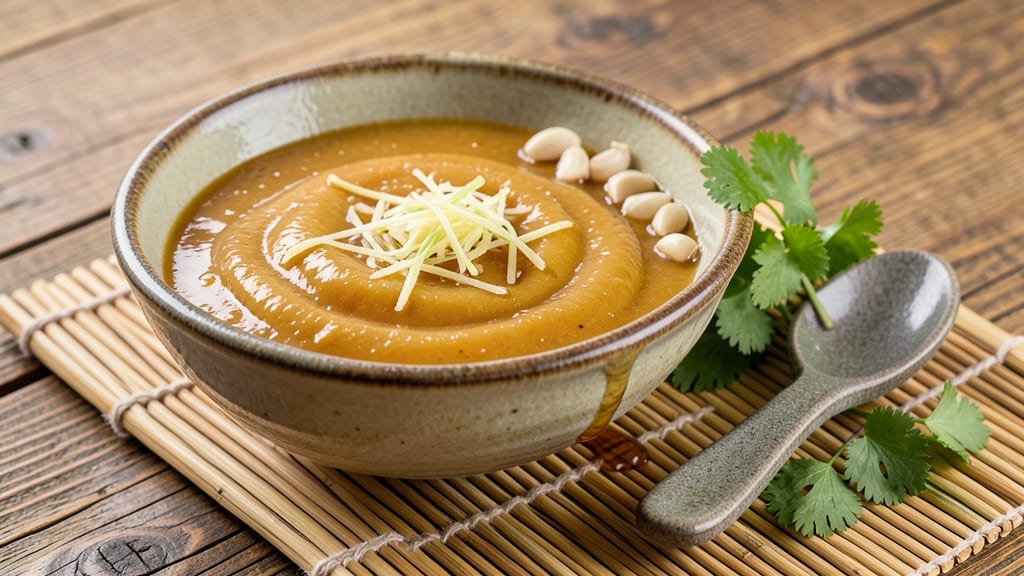
This Asian ginger sauce recipe transforms simple ingredients into a bold, versatile condiment that elevates stir-fries, noodles, and marinades with its perfect balance of zesty heat and umami depth.
The secret lies in fresh ginger—grated and simmered just long enough to release its fiery aroma without bitterness—paired with soy sauce, rice vinegar, and a touch of honey for complexity.
I developed this sauce after years of testing restaurant-style versions at home, and it never fails to deliver that restaurant-quality tang in every drizzle.
The beauty of this sauce is its adaptability. Use it as a quick marinade for tofu or chicken, a zesty drizzle over steamed vegetables, or a dipping sauce for spring rolls.
The ingredients are simple—ginger, soy sauce, vinegar, honey, and garlic—but the combination creates layers of flavor that make it impossible to resist. Unlike store-bought versions, this sauce stays fresh for up to a week in the refrigerator, allowing the flavors to deepen over time.
What you’ll end up with is a glossy, aromatic sauce that’s both bright and savory, with just the right kick to cut through rich dishes. The ginger’s sharpness mellows slightly as it cools, making it even more versatile for everything from weeknight stir-fries to elegant dinner presentations.
This isn’t just another sauce—it’s a flavor booster that turns ordinary meals into something extraordinary.
Ready in just 15 minutes and requiring no special equipment, this sauce is the perfect addition to your cooking arsenal. Whether you’re glazing grilled meats, tossing with noodles, or drizzling over fresh greens, it delivers consistent, restaurant-worthy results every time. Let’s make it!
Ingredients for asian ginger sauce
Nine simple ingredients transform into a restaurant-quality sauce that elevates everything from stir-fries to noodles.
| Ingredient | Amount | Notes |
|---|---|---|
| Fresh Ginger Root 🧄 | ½ cup | Finely grated, skin removed |
| Soy Sauce 🍶 | ½ cup | High-quality, preferably Japanese |
| Rice Vinegar 🍚 | ¼ cup | Seasoned or unseasoned |
| Honey 🍯 | ¼ cup | Wildflower preferred for depth |
| Garlic Cloves 🧄 | 4 cloves | Minced, not pre-minced jar |
| Sesame Oil 🫒 | 1 tbsp | Toasted for nutty aroma |
| Red Chili Flakes 🌶️ | 1 tsp | Adjust for heat preference |
| Salt 🧂 | ½ tsp | Diamond Crystal preferred |
| Water 💧 | ¼ cup | For thinning if needed |
Ginger is the heart of this sauce—freshly grated makes all the difference. Look for firm, knobby roots with smooth skin at Whole Foods or your local Asian market. The honey should be wildflower for depth, and Japanese soy sauce adds that authentic umami punch. For garlic, freshly minced beats pre-minced every time—no clumps, better flavor. Sesame oil is non-negotiable for that nutty aroma, but grab the toasted kind if you want extra depth. Chili flakes can be adjusted—start with less if you're sensitive to heat.
No fresh ginger? Powdered ginger works at half the amount, but it won't have the same zing. Short on honey? Maple syrup is a solid swap, though it'll be slightly less complex. Pre-minced garlic? Drain and rinse it first—it's packed with anti-caking agents. The sauce should be glossy but pourable—if it's too thick, add water 1 tbsp at a time. For extra richness, swap 1 tbsp of the soy sauce for fish sauce (if you're not avoiding it).
This sauce keeps beautifully—1 week in the fridge with flavors deepening over time. Store it in a glass jar with a tight seal to preserve freshness. Freezes for 3 months if you want to make a batch ahead. I always double the recipe—one jar for immediate use, one for later. The flavors actually improve after a day or two as the ginger mellows and the soy sauce's umami develops.
Why You'll Love This Recipe
- Five-Ingredient Magic: I swear by this—just peel, mince, and pulse. No fancy techniques, no waiting for hours. That jar of ginger in your pantry? It’s the star, and it takes two minutes to grate.
- Umami Bomb: The soy and garlic hit like a flavor grenade. Sweet from the honey, tangy from the vinegar, with that sharp ginger kick—it’s the kind of sauce that makes you go, “Why didn’t I think of this sooner?”
- Meal Prep MVP: Drizzle it on cold noodles for lunch, toss it with stir-fried veggies, or use it as a marinade. It keeps for a week in the fridge, so I make a big batch and forget about takeout.
- Budget Brightener: Fresh ginger and garlic are cheap, and a little goes a long way. This sauce turns basic proteins into something special—think chicken thighs or tofu—without breaking the bank. (Yes, even on a Tuesday night.)
Step-by-step instructions for Asian ginger sauce
Here's how to blend bold flavors into a versatile sauce that elevates every dish.
Grate and Toast the Ginger
Peel the 0.5 cup fresh ginger root using a spoon to remove the skin, then grate it finely using a box grater or microplane. I like to use a fine grate because we want the texture to dissolve completely into the sauce. Transfer the grated ginger to a small saucepan and cook over medium-low heat for 3-4 minutes until fragrant and slightly softened.
Here's the thing—ginger releases its oils when heated, which deepens the flavor. You'll know it's ready when the aroma fills your kitchen and the ginger loses its raw bite. Let it cool for 2 minutes before adding to the sauce mixture to prevent scrambling the other ingredients later.
Bloom the Garlic and Spices
In the same saucepan (no need to wash it—the ginger oils add flavor), add the 1 tablespoon sesame oil and 4 cloves minced garlic. Heat over medium heat for 1-2 minutes until the garlic becomes golden and fragrant. Be careful not to let it burn—it should smell sweet and nutty, not bitter.
Add the 1 teaspoon red chili flakes and 0.5 teaspoon salt, stirring constantly for 30 seconds to toast them lightly. This step builds the sauce's depth—those spices will infuse the entire mixture with warmth and complexity. Remove the pan from heat and let everything cool completely before combining with other ingredients.
Combine Wet Ingredients
In a medium bowl, whisk together the 0.5 cup soy sauce, 0.25 cup rice vinegar, and 0.25 cup honey until fully blended. The mixture should be smooth with no streaks of honey remaining. I like to use a fork for this step—it's simple and effective, and you can see the ingredients emulsify right before your eyes.
Add the cooled ginger-garlic-spice mixture to the wet ingredients and stir vigorously for 1 minute until everything is well incorporated. The sauce should look thick and glossy at this point. If it seems too thick, you can add 1-2 tablespoons of the 0.25 cup water to reach your desired consistency, but usually, this step produces a perfect balance.
Simmer and Adjust
Return the sauce to the saucepan and bring it to a gentle simmer over low heat. Let it cook for 5-7 minutes, stirring occasionally, until it thickens slightly and the flavors meld together. You're looking for a sauce that coats the back of a spoon but isn't gluey—it should have a beautiful sheen.
Taste and adjust the seasoning. I usually add a bit more honey if it needs sweetness or a splash of rice vinegar for brightness. The sauce should have a perfect balance of zesty, sweet, umami, and a hint of heat. Let it cool completely before using—this allows the flavors to fully develop and the sauce to reach its ideal consistency.
Store and Use
Transfer the sauce to a clean glass jar and let it sit at room temperature for 1 hour before refrigerating. This resting period helps the flavors meld even more. The sauce will keep in the refrigerator for up to 2 weeks, making it perfect for meal prep.
Use this versatile sauce as a drizzle for stir-fries, a marinade for meats, a dip for spring rolls, or a glaze for grilled proteins. Its bright, complex flavor profile makes it a pantry staple that transforms ordinary dishes into extraordinary ones. Real talk: this sauce is so good you'll want to make it all the time.
Pro Tips For Making Asian Ginger Sauce
- GRATE GINGER FINE: I learned this the hard way—chunky ginger bits taste like they were thrown in last second. Use the smallest holes on your grater or a microplane, then press hard to extract every last bit of juice. A tablespoon of grated ginger should yield about 1.5 teaspoons of paste—don’t skimp, or your sauce will taste flat.
- LOW HEAT SIMMER: This sauce isn’t about boiling—it’s about marrying flavors. After combining everything, keep the heat at a bare simmer (tiny bubbles, maybe 2-3 minutes max). Too hot, and the honey burns before the garlic and ginger soften properly. I know, I know, but trust the process—your sauce will taste smoother for it.
- SALT THE SOY SAUCE: Store-bought soy sauce is already salty, and if you add extra salt later, you’ll overpower the delicate balance of ginger and honey. Taste the soy sauce first—if it’s unsalted, add a pinch of salt right when you measure it out. This small step keeps your sauce from tasting like a salt lick.
- GARLIC FIRST, GINGER LAST: Sounds weird, but it works: Sauté the garlic in oil until it’s just golden (not brown), then remove it from the pan. Add the ginger last, right before mixing in the wet ingredients. This way, the garlic’s aroma stays bright, and the ginger’s heat doesn’t turn it bitter. Your sauce will taste fresher, like it was made yesterday.
Creative variations of asian ginger sauce
Thai-Inspired Heat Boost
For a Thai-inspired twist, replace the red chili flakes with 1 tbsp Thai bird's eye chili paste and add 1 tsp fish sauce for extra umami depth. I like using Mae Ploy brand for authentic heat.
The sauce will have a fiery kick but still maintain balance—perfect for spicy pad thai or satay dishes. 🌶️
Japanese Miso Fusion
Swap ½ cup soy sauce for ¼ cup white miso paste and reduce the rice vinegar to 2 tbsp for a Japanese-inspired version. Add 1 tsp grated daikon radish for freshness.
This works beautifully as a dipping sauce for tempura or a glaze for teriyaki chicken. The miso adds a fermented depth that pairs perfectly with the ginger's zing.
Korean Gochujang Glaze
For a Korean-inspired sauce, stir in 2 tbsp gochujang (Korean chili paste) and 1 tbsp sesame paste after simmering. This creates a thicker, slightly spicy-sweet sauce ideal for bulgogi beef or kimchi fried rice.
I recommend Hanjin brand gochujang for the best flavor. The texture becomes richer, almost like a glossy glaze, and the heat level ramps up nicely. 🔥
Sweet Chili Drizzle
Transform this into a sweet chili sauce by adding 2 tbsp sweet chili sauce (like Tiparoo brand) and 1 tbsp lime juice after simmering. This version is perfect for drizzling over grilled shrimp or spring rolls.
The sweetness balances the ginger's sharpness while keeping the sauce's signature umami punch. It's my go-to for quick weeknight meals!
Vegan Adaptation
Make this sauce completely plant-based by using tamari instead of soy sauce and maple syrup in place of honey. For extra depth, add 1 tsp nutritional yeast to boost umami.
This version works perfectly as a marinade for tofu or a dipping sauce for veggie spring rolls. The flavors are just as complex—no one will guess it's vegan! 🌱
Smoky BBQ Twist
For a smoky fusion, add ½ tsp smoked paprika and 1 tsp liquid smoke to the simmering sauce. This creates a bold, smoky-sweet glaze perfect for grilled meats or pulled pork.
I like to use Kickapoo brand liquid smoke for authentic flavor. The smokiness complements the ginger's heat beautifully, making it ideal for summer cookouts. ⚡
Nutrition facts
Frequently asked questions
Can I make this sauce without fresh ginger?
Yes, but the flavor will differ. Use 1 tablespoon ground ginger instead of 0.5 cup fresh, but expect less zing and complexity. For the best results, always start with fresh—it's the secret to that restaurant-quality kick!
How do I adjust the heat level?
Start with 1 teaspoon chili flakes for mild heat. For medium heat, add 1.5 teaspoons. For spicy, use 2 teaspoons or 1 tablespoon Thai chili paste. Always taste before serving—you can reduce heat with more honey or vinegar if needed.
Can I use this sauce as a marinade?
This sauce works perfectly as a marinade for chicken, shrimp, or tofu. Let proteins marinate for 30-60 minutes for maximum flavor infusion. For tougher cuts like pork, marinate for 2-4 hours in the fridge. The ginger's enzymes help tenderize meat beautifully.
Why did my sauce separate?
Separation usually happens from too much heat or rapid cooling. Always simmer on low heat and let it cool gradually. If it separates, whisk in 1 teaspoon cornstarch mixed with 1 tablespoon water to restore smoothness. For prevention, stir occasionally while simmering.
What's the best way to use leftover sauce?
Leftover sauce keeps for 2 weeks in the fridge. Use it as a stir-fry sauce, noodle dressing, or dipping sauce for spring rolls. For extra richness, add 1 teaspoon sesame oil before using. The flavors actually improve with age—it becomes more complex over time!