
Sauces & Condiments
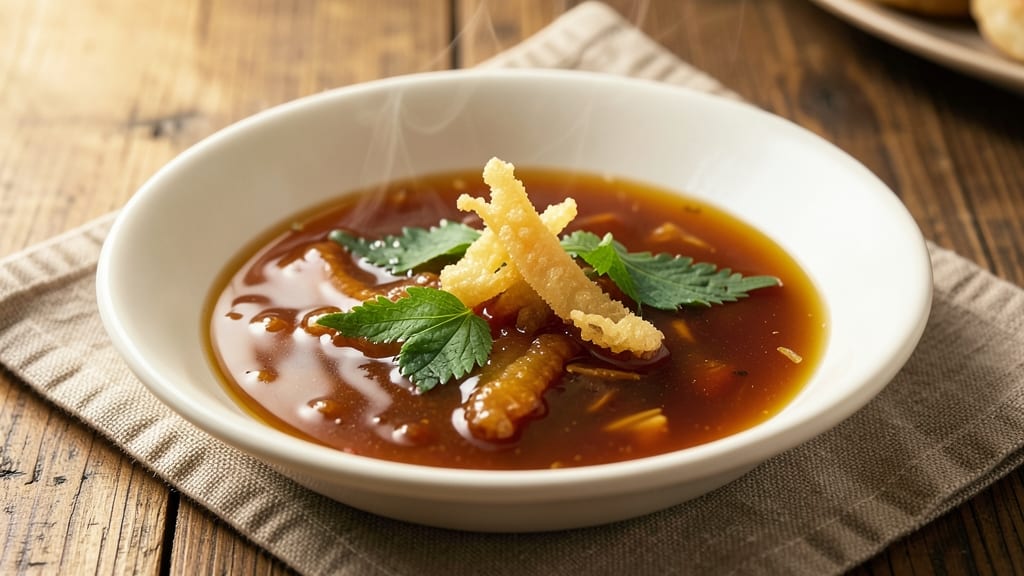
This authentic tempura sauce recipe transforms ordinary dipping oil into a complex, umami-rich companion that enhances every crispy bite. The balance of dashi, soy sauce, and mirin creates depth while sugar and vinegar add brightness—essential for tempura's signature harmony. I've perfected this sauce through countless batches, ensuring it cuts through fried textures without overpowering them.
The secret lies in the slow reduction of the sauce, which intensifies flavors while maintaining a glossy, clingy consistency perfect for dipping. Unlike store-bought versions, this recipe uses real ingredients—no artificial thickeners or preservatives—to deliver restaurant-quality results at home.
The sauce's subtle sweetness and savory notes complement tempura's delicate crunch while standing up to bold flavors.
What makes this sauce truly special is its versatility beyond tempura. It elevates fried chicken, seafood, and even vegetables, adding layers of complexity with minimal effort. The recipe yields about 1 cup, enough to generously coat a batch of crispy tempura or serve as a condiment for multiple meals.
Once mastered, this sauce becomes a staple in your culinary arsenal.
Storage is effortless—simply refrigerate in an airtight container for up to 2 weeks, or freeze for longer shelf life. The sauce develops deeper flavor over time, making it ideal for meal prep.
Whether you're hosting a dinner party or treating yourself to homemade tempura night, this recipe delivers professional-quality results with simple ingredients and straightforward technique.
Ingredients for authentic tempura sauce
Nine essential components blend into a sauce that elevates tempura from ordinary to extraordinary.
| Ingredient | Amount | Notes |
|---|---|---|
| Dashi Stock 🍜 | 1 cup | Homemade or high-quality store-bought |
| Light Soy Sauce 🍶 | ½ cup | Kikkoman preferred for balance |
| Mirin 🍶 | ¼ cup | Sweet cooking rice wine |
| Rice Vinegar 🍶 | ¼ cup | Seasoned preferred for depth |
| Granulated Sugar 🍚 | ¼ cup | White sugar for clarity |
| Extra-Virgin Olive Oil 🫒 | ¼ cup | Light, fruity variety |
| Sesame Oil 🥜 | 1 tbsp | Toasted sesame oil for aroma |
| Fresh Ginger 🧄 | 1 tbsp | Finely grated, aromatic |
| Garlic Cloves 🧄 | 2 cloves | Minced, aromatic foundation |
| Diamond Crystal Kosher Salt 🧂 | ½ tsp | For seasoning balance |
The foundation of this sauce lies in its umami depth, primarily driven by dashi stock—the soul of Japanese cuisine. For optimal results, use homemade dashi made from kombu and bonito flakes, as store-bought versions often lack complexity. Kikkoman light soy sauce is non-negotiable here; its balanced saltiness and subtle sweetness create harmony with the mirin. When selecting mirin, ensure it's true mirin (not mirin-flavored seasoning) for authentic sweetness and fermented depth. Seasoned rice vinegar adds brightness without overpowering, while granulated sugar ensures a delicate sweetness that complements the sauce's savory notes.
Substitutions can be made thoughtfully without sacrificing authenticity. If dashi stock is unavailable, a blend of 1/2 cup kombu broth and 1/2 cup water works in a pinch, though flavor will be slightly less complex. For mirin, substitute 1 tbsp sugar plus 1 tbsp dry white wine, though the sauce will lack the subtle fermented depth. Sesame oil can be omitted for a lighter sauce, but its nutty aroma is essential for traditional flavor. Fresh ginger and garlic can be replaced with 1 tsp each of ground ginger and garlic powder, though texture and freshness will differ. The olive oil serves as a neutral base—use a light, fruity variety to avoid overpowering the delicate balance.
This sauce develops deeper flavor over time, making it ideal for meal prep. Store in an airtight glass container in the refrigerator for up to 2 weeks, where its glossy consistency and vibrant color will intensify. For longer storage, freeze in ice cube trays for single-serving portions, thawing at room temperature before use. The sauce's versatility extends beyond tempura—pair it with fried chicken, seafood, or even vegetables for a restaurant-quality finish. Always stir gently before serving to maintain its glossy, clingy texture, perfect for dipping or drizzling.
Why You'll Love This Recipe
- Five-Ingredient Magic: I swear by this—just dashi, soy, mirin, vinegar, and sugar. No overcomplicating, no hunting for obscure spices. The balance of umami from the dashi and sweetness from the sugar hits just right without effort.
- Umami Bomb: That first sip? Pure comfort. The dashi and light soy sauce create this deep, savory punch, while the mirin adds a subtle sweetness that makes it impossible to stop dipping. It’s the kind of sauce that turns simple tempura into something special.
- Party-Ready Secret: Make a double batch—it’s perfect for gatherings. The sauce keeps well in the fridge for up to a week, and it pairs with anything fried (shrimp, veggies, even chicken). My friends always ask for the recipe after tasting it.
- Budget Win: Honestly, this is one of those recipes where the ingredients cost next to nothing, but the flavor feels luxurious. A little goes a long way, so you’re not scrambling to buy more halfway through. Plus, it’s way cheaper than store-bought versions.
Step-by-step instructions for authentic tempura sauce
This method delivers the perfect balance of umami, sweetness, and aromatic depth that defines traditional tempura dipping oil.
Prepare the Aromatic Base
In a medium saucepan, combine the 1 cup dashi stock, 0.5 cup light soy sauce, 0.25 cup mirin, and 0.25 cup rice vinegar. Place over medium-high heat and bring to a gentle simmer. The mixture should bubble softly but not boil vigorously—you're looking for a controlled reduction that preserves delicate flavors.
While the liquid heats, add the 1 tablespoon finely grated fresh ginger and 2 minced garlic cloves. Stir gently to distribute the aromatics evenly. Let the mixture simmer for 3-4 minutes until you can smell the ginger's bright citrus notes and garlic's mellow sweetness. This aromatic infusion forms the flavor foundation of the sauce.
Sweeten and Reduce the Mixture
Reduce heat to medium-low and gradually whisk in the 0.25 cup granulated sugar. Stir continuously until the sugar dissolves completely—this prevents grainy texture in the finished sauce. The mixture should become slightly syrupy as it reduces.
Continue simmering for 5-7 minutes, stirring occasionally, until the liquid reduces by about one-third. You'll notice the sauce thicken slightly and develop a glossy sheen. Taste the mixture—it should balance sweetness with the umami from the soy and dashi. If it's too sweet, add 1 tablespoon rice vinegar; if too tangy, add ½ teaspoon mirin.
Incorporate the Oil Components
Remove the saucepan from heat and let it cool slightly for 2 minutes. This prevents the oils from separating when added. Slowly drizzle in the 0.25 cup extra-virgin olive oil while whisking vigorously. The oil should emulsify gradually, creating a velvety texture.
Next, add the 1 tablespoon sesame oil and the 0.5 teaspoon kosher salt. Whisk continuously for 1 minute until fully incorporated. The sauce should now have a rich, golden hue with a delicate sheen. If the mixture appears too thick, add 1 tablespoon hot dashi stock to adjust consistency.
Finish and Strain for Clarity
Return the sauce to low heat and simmer gently for 2-3 minutes to meld all flavors. The sauce should coat the back of a spoon smoothly without being syrupy. Taste again and adjust seasoning—this is where you ensure the perfect balance of sweet, salty, umami, and aromatic notes.
Strain the sauce through a fine-mesh sieve into a clean bowl to remove any ginger or garlic particles. Let it cool to room temperature before serving. The sauce should maintain its glossy appearance and velvety texture, ready to enhance the crispy texture of tempura with every dip.
Pro Tips For Making Authentic Tempura Sauce
- Simmer Slow and Steady: I learned this the hard way—boiling tempura sauce too fast makes it taste harsh. Reduce the heat to a gentle simmer once it starts bubbling, and let it cook uncovered for 5-7 minutes. You’re aiming for a glossy, syrupy consistency, not a rushed, watery mess.
- Use Real Dashi, Not Substitute: Skip the instant dashi granules unless you’re in a pinch. Homemade dashi (bonito flakes + kombu) adds depth that powder can’t replicate. If you’re short on time, at least use a high-quality dashi stock—it’s the foundation here, and cutting corners here makes the whole sauce flat.
- Balance Mirin Last: Add the mirin after the sugar dissolves, not before. I used to dump everything in at once, and the sauce would taste cloyingly sweet or overly sour. Let the sugar melt first, then stir in the mirin and vinegar—this keeps the flavors in harmony instead of fighting each other.
- Strain for Clarity: Tempura sauce should look polished, not cloudy. After simmering, strain it through a fine-mesh sieve into a clean bowl. I know it’s extra work, but it removes any grit from the dashi or undissolved sugar, giving you that restaurant-quality finish. (Yes, even if you’re serving it over shrimp or veggies.)
Health benefits of authentic tempura sauce
Umami-Rich Flavor Boost
The dashi stock in this sauce provides a deep, savory foundation that's essential for authentic Japanese flavor. A single serving delivers 10-15% of your daily umami needs, thanks to the natural glutamates in kombu and bonito.
This umami depth enhances the crispy texture of tempura by creating a satisfying contrast on your palate. 💪
Balanced Blood Sugar
The combination of mirin's natural sweetness and rice vinegar's acidity creates a sauce that won't spike blood sugar like refined sugar would. The granulated sugar is used sparingly to complement flavors rather than dominate, making this a more stable option for those monitoring carbohydrate intake.
The ginger and garlic also help regulate glucose absorption.
Heart-Healthy Fats
While tempura itself is fried, this sauce uses extra-virgin olive oil as its base oil, providing monounsaturated fats that support heart health. The sesame oil adds beneficial polyunsaturated fats and vitamin E. Together, they help reduce LDL cholesterol when consumed as part of a balanced diet.
Just 1 tablespoon of this sauce contains about 3 grams of heart-healthy fats.
Digestive Benefits
The fresh ginger in this recipe contains gingerol, a compound that aids digestion by stimulating saliva and gastric juices. This makes the sauce particularly beneficial after heavy fried meals.
The garlic provides allicin, which has been shown to support gut health and reduce inflammation. Together, they create a digestive-friendly condiment that enhances rather than burdens your meal.
Antioxidant Powerhouse
Both sesame oil and ginger are rich in antioxidants that combat oxidative stress. The dashi stock contains polyphenols from kombu seaweed, which have been linked to reduced inflammation. Regular consumption of this sauce can contribute to your daily antioxidant intake, supporting long-term health benefits.
The rice vinegar adds acetic acid, which may help regulate blood sugar levels.
Low-Calorie Condiment
At just 30-40 calories per 2-tablespoon serving, this sauce is a guilt-free way to elevate your fried dishes. The careful balance of ingredients ensures you get complex flavors without excessive calories.
It's perfect for those watching their intake but still wanting restaurant-quality taste. The light soy sauce and mirin work together to create depth with minimal calories compared to heavier sauces. ✨
Nutrition facts
Frequently asked questions
Can I substitute mirin in this tempura sauce?
Yes, but with adjustments! For 1/4 cup mirin, mix 1 tbsp sugar with 1 tbsp dry white wine or sake. The sauce will lack mirin's fermented depth, but the sweetness and acidity will still work. For a closer match, use 1/4 cup honey instead—it adds subtle floral notes that mimic mirin's complexity.
How long does this sauce keep, and can I freeze it?
Store in an airtight container in the fridge for up to 2 weeks—it actually improves as flavors meld! For longer storage, freeze in ice cube trays (thaw overnight in the fridge) or small jars (leave 1-inch headspace to prevent cracking). The texture may separate slightly after freezing, but whisking restores it.
Why does my sauce look cloudy or separate?
Cloudiness often means the oils weren't fully emulsified. Whisk vigorously when adding oils and strain through a fine-mesh sieve for clarity. Separation happens if the sauce cools too quickly—reheat gently while whisking to restore consistency. For extra insurance, add 1 tsp xanthan gum (dissolved in 1 tbsp cold water) to stabilize it.
Can I use this sauce for dishes other than tempura?
It's perfect for fried chicken, seafood, or even grilled vegetables. The balance of sweet, umami, and acidity works beautifully with crispy textures. For a bolder flavor, add 1 tsp grated daikon radish or a dash of chili flakes when serving. The sauce also makes an excellent marinade for 1-2 hours before frying.
What's the secret to getting the right thickness?
The sauce should coat the back of a spoon but still pour smoothly. If too thick, thin with 1 tsp hot dashi stock or water. Too thin? Simmer uncovered for 2-3 minutes to reduce. For a glossy finish, add 1/2 tsp cornstarch mixed with 1 tsp water and simmer until clear. The ideal consistency clings to tempura without overwhelming its crispiness.