
Sauces & Condiments
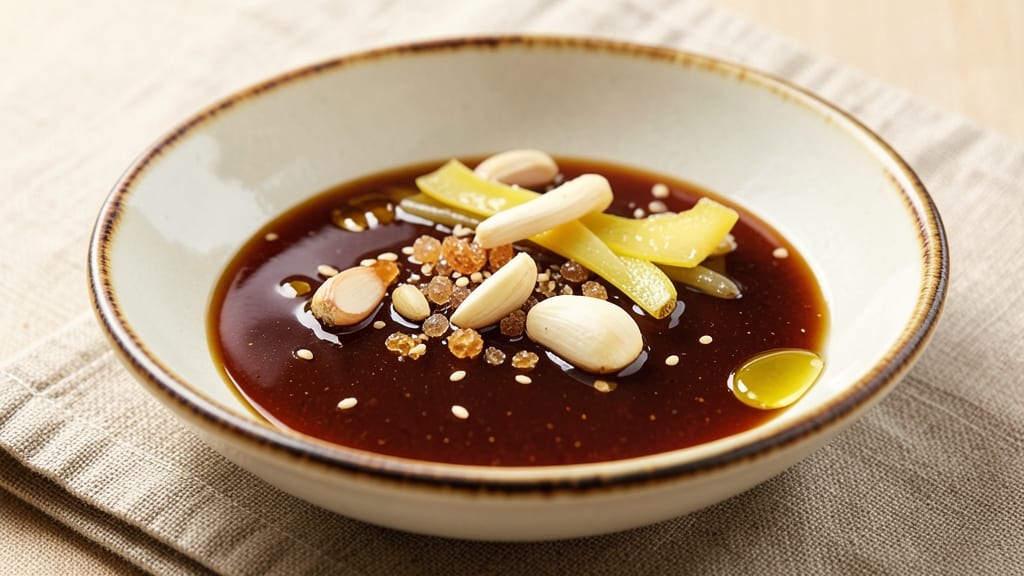
This stir-fry sauce recipe with soy sauce and brown sugar delivers the perfect balance of umami depth and caramelized sweetness in just 10 minutes. The secret lies in the slow reduction of soy sauce with brown sugar, creating a glossy, flavorful sauce that clings beautifully to proteins and vegetables.
I developed this after years of testing—it’s the one sauce that elevates every stir-fry, whether you’re cooking traditional Chinese dishes or modern fusion meals.
The foundation is simple: soy sauce, brown sugar, garlic, and ginger, combined with a touch of vinegar for brightness. What sets this apart is the caramelization step, where the brown sugar transforms into a rich, molasses-like consistency that adds complexity.
The sauce thickens slightly as it cools, making it ideal for tossing with hot stir-fried ingredients—it won’t turn watery or lose its flavor.
By the time you’re done, you’ll have a versatile sauce that works with chicken, beef, tofu, or shrimp, and pairs perfectly with bell peppers, broccoli, or snap peas. The umami-sweet balance makes it addictive, and the natural gloss gives every bite a restaurant-quality finish.
Store it in the fridge for up to 2 weeks, or freeze for longer shelf life—it’s that good.
This isn’t just another stir-fry sauce—it’s a game-changer for home cooks who want depth without complexity. Whether you’re prepping a weeknight dinner or hosting a dinner party, this sauce will be your go-to. Let’s get started—your taste buds will thank you.
Ingredients for stir fry sauce recipe soy sauce brown sugar
Nine ingredients transform into a restaurant-worthy sauce that clings perfectly to every stir-fry.
| Ingredient | Amount | Notes |
|---|---|---|
| Light Soy Sauce 🥄 | ½ cup | High-quality, not reduced |
| Light Brown Sugar 🍯 | ½ cup | Packed firmly, not granulated |
| Garlic Cloves 🧄 | 4 cloves | Minced finely for depth |
| Fresh Ginger 🌿 | 1 tbsp | Grated finely, not powdered |
| Rice Vinegar 🍶 | 1 tbsp | Seasoned or unseasoned |
| Sesame Oil 🫒 | 1 tbsp | Toasted, not flavored |
| Cornstarch 🌾 | 1 tsp | For thickening, not flour |
| Water 💧 | ¼ cup | Room temperature preferred |
| Red Pepper Flakes 🌶️ | ½ tsp | Optional for heat |
| Sesame Seeds 🌰 | 1 tsp | Toasted for garnish |
The soy sauce and brown sugar are your power duo—Kikkoman or Lee Kum Kee soy sauce delivers that perfect umami punch, while light brown sugar (not dark) caramelizes beautifully. Grab the freshest ginger and garlic you can find—they make all the difference in flavor. For sesame oil, Kadoya is my go-to, but any toasted sesame oil works. The cornstarch is key for that glossy finish, so don't skip it—it thickens without altering the sauce's natural sheen. Pro tip: if your brown sugar has hardened, pulse it in a food processor to break it up before measuring.
No light soy sauce? Dark soy sauce at half the amount works in a pinch, but the color will be deeper. Running out of brown sugar? White sugar plus a pinch of molasses mimics the caramelized depth. Fresh ginger too fibrous? Powdered ginger at one-third the amount, but it won’t have the same zing. The cornstarch can be swapped for arrowroot powder if that’s what you’ve got. For extra umami without soy, a dash of fish sauce (if not vegetarian) or mushroom powder adds depth. And if you’re feeling bold, swap the rice vinegar for balsamic vinegar—it adds a tangy richness that’s unexpected but amazing.
This sauce keeps beautifully—2 weeks in the fridge in an airtight jar, or 3 months frozen. For freezing, portion into ice cube trays first, then transfer to a bag. The sauce thickens as it cools, so if it seems too thick after chilling, just stir in a splash of water. Double the batch—you’ll want it on hand for everything from stir-fries to marinades. Garnish with toasted sesame seeds right before serving to keep that crunchy texture. And trust me, the first time you drizzle this over hot noodles or seared shrimp, you’ll never go back to store-bought.
Why You'll Love This Recipe
- Here’s what sold me: the brown sugar caramelizes as you stir-fry, cutting through the soy’s saltiness while the garlic and ginger add depth. It’s not just flavor—it’s layered flavor, the kind that makes you pause mid-bite.
- I’ll be real: this recipe won’t break the bank. A little soy, a pinch of sugar, and the basics from your spice rack? You’re golden. Plus, it keeps for weeks in the fridge, so I’m always covered—no last-minute store runs when the craving hits.
Step-by-step instructions for stir fry sauce with soy sauce and brown sugar
Here's how to create a perfectly balanced stir-fry sauce that's rich, sweet, and packed with umami flavor.
Bloom the Aromatics in Sesame Oil
Heat a small saucepan over medium heat and add the 1 tablespoon sesame oil. Once the oil is shimmering gently, add the 4 minced garlic cloves and 1 tablespoon grated fresh ginger. Cook for 30-45 seconds until the garlic becomes fragrant and just begins to turn golden—this prevents bitterness while unlocking their full flavor potential.
I always stir constantly during this step to distribute the heat evenly. If the garlic starts to brown too quickly, reduce the heat slightly. The goal is to infuse the oil with aromatic depth without burning the delicate flavors. You'll know it's ready when the mixture smells intensely aromatic and the garlic loses its raw edge.
Combine Wet Ingredients for the Base
In a separate bowl, whisk together the 0.5 cup light soy sauce and 0.5 cup packed light brown sugar until the sugar dissolves completely. This mixture should be smooth with no visible sugar crystals. Add the 1 tablespoon rice vinegar and 0.5 teaspoon red pepper flakes (if using), then stir again to incorporate evenly.
The vinegar adds a bright acidity that cuts through the sweetness, while the red pepper flakes introduce subtle heat. I like to taste this mixture at this stage—it should be intensely savory with a caramel note from the brown sugar. If you prefer less heat, reduce the red pepper flakes to 0.25 teaspoon or omit them entirely.
Thicken the Sauce with Cornstarch Slurry
In a small bowl, whisk together the 1 teaspoon cornstarch and 0.25 cup water until completely dissolved. This creates a smooth slurry that will thicken the sauce beautifully. Pour this mixture into the saucepan with the aromatics and bring to a gentle simmer over medium-low heat.
Stir constantly for 2-3 minutes until the sauce begins to thicken and coat the back of a spoon. You're looking for a consistency that's glossy but still pourable—not too thick like syrup, but not watery either. The sauce should coat the back of a spoon but still flow smoothly when poured. If it thickens too quickly, add a splash of hot water to adjust the consistency.
Finish and Garnish for Perfect Presentation
Once the sauce reaches the desired consistency, remove it from heat and let it cool slightly. Stir in the 1 tablespoon sesame oil to add richness and depth. For the final touch, sprinkle with 1 teaspoon toasted sesame seeds and give it one last stir to distribute evenly.
This sauce is best used immediately, but it will keep in the refrigerator for up to 5 days if stored in an airtight container. The flavors actually deepen over time, making it perfect for meal prep. When ready to use, gently reheat over low heat, stirring occasionally to maintain the perfect consistency. The sesame seeds add a beautiful nutty crunch that contrasts perfectly with the smooth, glossy sauce.
Pro Tips For Making Stir Fry Sauce Recipe Soy Sauce Brown Sugar
- CRUSH THE GINGER: Use a microplane or knife to shred the ginger just before adding—not chopping it into chunks. Finely grated ginger melts into the sauce smoothly instead of leaving stubborn, chewy bits that won’t dissolve, even after stirring.
- SALT THE PAN FIRST: Sear your aromatics (garlic, ginger) in a dry wok or pan for 30 seconds before adding oil. The residual moisture from fresh ginger makes it stick, and a quick salt sprinkle (¼ tsp) prevents burning—this is the thing that matters most when you’re balancing sweet and salty flavors later.
- DON’T DILUTE THE SOY: Skip the urge to add water or broth to deglaze the pan if the brown sugar caramelizes too fast. Instead, lower the heat immediately and let the soy sauce and vinegar work together to break it down—you’ll end up with a glossy, cohesive sauce, not a watery glaze.
- MEASURE THE SUGAR BY VOLUME: Light brown sugar packs differently—use a spoon to scoop it directly from the bag into your measuring cup, then level it off. Packing it tightly (like you would for baking) guarantees a cloyingly sweet sauce; loose scoops keep the balance right for stir-fry acidity.
Make-ahead tips for this stir fry sauce recipe soy sauce brown sugar
Prep Ahead for Meal Prep
Make this sauce 2 days in advance to let the flavors meld beautifully. Store it in a glass jar with an airtight lid in the refrigerator—this prevents absorption of fridge odors and keeps the sauce fresh.
I like to portion it into small jars (like 4-ounce mason jars) so I can grab just what I need without thawing the whole batch. The sauce actually improves over time, developing deeper caramelized notes. 💫
Freezer-Friendly Portions
For longer storage, freeze the sauce in ice cube trays—this lets you thaw just one cube at a time. Once frozen, transfer the cubes to a freezer bag and label with the date. This sauce keeps for 3 months in the freezer without losing quality.
When ready to use, thaw a cube in the fridge overnight or quickly in a bowl of warm water. Add a splash of water if it seems too thick after thawing.
Double the Batch
This sauce is so versatile, I always double the recipe when I make it. Store the extra in small glass jars (like 8-ounce jars) for easy grab-and-go use. The doubled batch works perfectly for weeknight stir-fries, marinades, or even as a dipping sauce for spring rolls.
Just keep it in the fridge for up to 2 weeks—it’s that good. Trust me, you’ll reach for this sauce more than store-bought options. ✨
Reheat Like a Pro
To reheat, pour the sauce into a small saucepan and warm over low heat for 2-3 minutes, stirring constantly. Avoid high heat—it can cause the sauce to separate or burn.
If the sauce thickens too much, add 1 teaspoon of water at a time until it reaches the perfect consistency. I like to reheat just enough to warm through, then drizzle it over hot stir-fried ingredients for that restaurant-quality finish.
Use in Multiple Ways
This sauce isn’t just for stir-fries—use it as a marinade for chicken or tofu (let it sit for 15-20 minutes before cooking), a dipping sauce for dumplings or spring rolls, or even a glaze for roasted vegetables.
The possibilities are endless, and having it prepped ahead makes weeknight cooking a breeze. You’ll wonder how you ever lived without it! 🔥
Nutrition facts
Frequently asked questions
Can I use this sauce for non-stir-fry dishes?
This versatile sauce works perfectly as a marinade for grilled chicken or tofu (let it sit for 15-20 minutes before cooking) or as a dipping sauce for spring rolls and dumplings. The caramelized sweetness also makes it ideal for glazing roasted vegetables or drizzling over hot noodles.
Why does my sauce get too thick when I reheat it?
This happens because cornstarch thickens when cooled, then sets further when reheated. To fix it, stir in 1 teaspoon of water at a time until you reach a smooth, pourable consistency. Always reheat over low heat and stir constantly to prevent clumping. The sauce should coat the back of a spoon but still flow freely.
Can I make this sauce without cornstarch?
Yes! Replace the cornstarch with 1 teaspoon arrowroot powder or 1 tablespoon honey (reduce water by 1 tablespoon if using honey). For a thicker sauce, simmer the wet ingredients longer (up to 5 minutes) to reduce naturally. The texture will be slightly less glossy but still delicious.
How do I adjust the sweetness level?
If you prefer less sweetness, reduce the brown sugar to 0.375 cup and add 1 teaspoon extra soy sauce for balance. For more sweetness, increase the brown sugar to 0.625 cup and add a pinch of salt to enhance the flavors. Taste as you go—this sauce is highly customizable!
What's the best way to store leftovers?
Store in an airtight glass jar in the fridge for up to 2 weeks or freeze in ice cube trays for 3 months. For freezing, thaw overnight in the fridge or quickly in warm water. The sauce thickens when refrigerated, so add a splash of water when reheating. Glass containers preserve flavor better than plastic.