
Sauces & Condiments
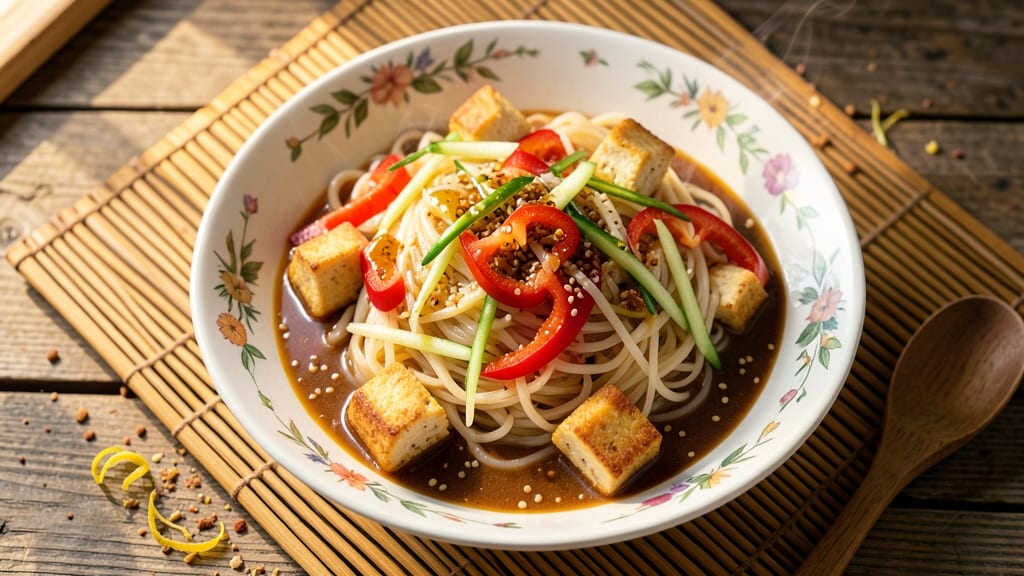
This Asian noodles with peanut sauce recipe delivers restaurant-quality stir-fry magic in just 20 minutes, combining fragrant peanut sauce with perfectly cooked noodles for a dish that's both satisfying and simple.
The secret lies in balancing rich, nutty flavors with a touch of tangy lime and fresh herbs, creating a sauce that clings beautifully to every strand of noodle.
I developed this recipe after years of perfecting stir-fry techniques, ensuring the wok hei (breath of the wok) carries those aromatic notes into every bite.
The foundation starts with high-quality rice noodles, which cook in minutes and absorb the peanut sauce without turning mushy. While the noodles soak up the sauce, you'll stir-fry an optional protein—like crispy tofu or shrimp—separately to maintain texture contrast.
This method keeps the dish vegetarian-friendly while offering flexibility for meat lovers. The sauce itself is a harmonious blend of creamy peanut butter, tangy tamarind, and aromatic spices, balanced with just enough heat to wake up the palate.
What you'll end up with is a vibrant, fragrant dish that's as beautiful as it is delicious—golden noodles tossed in a glossy peanut sauce, topped with fresh herbs and crushed peanuts for texture.
The aroma alone will have everyone gathering at the table, while the first bite delivers that perfect balance of sweet, savory, and umami. This recipe proves that weeknight dinners can be both impressive and effortless.
Serve immediately for the best texture, or let it sit for 10 minutes to allow flavors to meld even deeper. Garnish with lime wedges, bean sprouts, and extra peanuts for crunch.
Whether you're feeding a crowd or treating yourself to a solo meal, this dish delivers comfort food quality with restaurant-style flair.
Ingredients for asian noodles with peanut sauce
Eight ingredients for noodles, seven for sauce—just enough to create restaurant-quality stir-fry magic.
| Ingredient | Amount | Notes |
|---|---|---|
| Rice Noodles 🍜 | 8 oz | Flat or round, uncooked |
| Peanut Butter 🥜 | ½ cup | Creamy, unsweetened |
| Tamarind Paste 🍋 | ¼ cup | Or lime juice for tang |
| Soy Sauce 🥢 | ¼ cup | Light or dark variety |
| Sesame Oil 🫒 | 2 tbsp | Toasted for aroma |
| Vegetable Oil 🫒 | 2 tbsp | For stir-frying |
| Garlic Cloves 🧄 | 4 cloves | Minced for depth |
| Fresh Ginger 🌿 | 1 tbsp | Grated, aromatic |
| Red Chili Flakes 🌶️ | 1 tsp | Adjust for heat |
| Crushed Peanuts 🥜 | ¼ cup | For garnish |
| Fresh Cilantro 🌿 | ¼ cup | Chopped, optional |
| Lime Wedges 🍋 | 2 whole | For serving |
| Bean Sprouts 🌱 | 1 cup | Fresh, for crunch |
| Firm Tofu 🥬 | 1 lb | Press and cube |
| Salt 🧂 | 1 tsp | Kosher or sea |
The rice noodles are non-negotiable here. Thai Kitchen or Three Ladies brands are my go-tos—they cook perfectly without turning mushy. Look for the flat or round variety, not the thick rice stick noodles. The peanut butter should be creamy and unsweetened—the natural kind, not the kind with added sugar or oil. Tamarind paste might be tricky to find, but Asian markets usually carry it, or just use lime juice if you're in a pinch. Fresh ginger and garlic? Always buy fresh—the dried stuff just doesn't cut it for stir-fry aroma.
No tamarind? Lime juice or rice vinegar works in a bind, though tamarind gives that signature tang. Want more heat? Double the chili flakes or add a dash of sriracha. The tofu is optional but adds protein—press it well to get rid of excess water, then cube it and pan-fry until crispy. Sesame oil is key for that nutty aroma, but use sparingly—it's potent stuff. If you're making this ahead, skip the bean sprouts and cilantro until serving, so they stay crisp. The sauce can be made a day ahead and stored in the fridge—it just gets better as flavors meld.
This dish is all about timing. The noodles cook in 5 minutes—no more, no less—so have everything prepped while they soak. The sauce comes together in minutes, but let it sit for 10 minutes before tossing with the noodles so the flavors really marry. Store leftovers in the fridge for 3 days, but honestly, it's best fresh. Garnish with crushed peanuts, cilantro, and lime wedges right before serving—that's when it looks (and tastes) like a restaurant dish.
Why You'll Love This Recipe
- No-Pantry Panic: I swear by this recipe when my fridge is bare. Just rice noodles, peanut butter, and a few pantry staples—no fancy ingredients, no last-minute grocery runs. The tamarind paste adds that tangy kick without needing fresh lime, and the soy sauce ties it all together in minutes.
- Umami Bomb: That peanut sauce? It’s where the magic happens. The creamy peanut butter balances the sharp tamarind, while a splash of soy sauce and a drizzle of sesame oil turn it into something ridiculously good. Honestly, the first time I tasted it, I wondered why I didn’t make it sooner.
- Lunchbox Hero: Between us, this is my go-to for meal prep. Toss the cooled noodles with a little extra sauce, pack them in containers, and they stay fresh for days. My kids grab them for school lunches, and I still eat mine cold the next day—no complaints.
- Budget Win: Peanut butter and rice noodles are cheap, but they feel like a restaurant dish. I’ll be real: I’ve made this for under $5 per serving, and it’s still the kind of meal that makes people ask, “Where’d you get this recipe?” Tamarind paste is the only splurge, but a little goes a long way.
Step-by-step instructions for Asian noodles with peanut sauce
Here's how to make this creamy, nutty stir-fry that comes together faster than takeout.
Prepare the Noodles and Tofu
First, soak the 8 oz rice noodles in warm water for 8-10 minutes until pliable but still slightly firm. I like to use a large bowl and cover them with a clean kitchen towel to keep them from sticking. Drain well and set aside. Meanwhile, press the 1 lb firm tofu between two paper towels for 15 minutes to remove excess water.
Cut the pressed tofu into 1-inch cubes using a sharp knife. I find a chef's knife works best for clean cuts. Sprinkle the tofu with 1 tsp salt and toss gently to season evenly. This salting step helps the tofu absorb flavors better during cooking. Set aside while you prep the sauce components.
Make the Peanut Sauce
In a small bowl, whisk together the 0.5 cup peanut butter, 0.25 cup tamarind paste, 0.25 cup soy sauce, and 2 tbsp sesame oil. The mixture will be thick, but that's perfect. If you don't have tamarind paste, you can substitute 2 tbsp lime juice for the tangy kick.
Gradually add 2 tbsp vegetable oil while whisking continuously. This helps thin the sauce slightly and creates a silky texture. Taste and adjust seasoning - you might want to add a pinch more salt or a dash of red chili flakes if you prefer more heat. Set the sauce aside while you cook the aromatics.
Stir-Fry the Aromatics and Tofu
Heat a large skillet or wok over medium-high heat with 1 tbsp vegetable oil. Add the 4 cloves minced garlic and 1 tbsp grated fresh ginger, cooking for 30 seconds until fragrant. You'll smell that wonderful aromatic punch - don't let it burn or it'll turn bitter.
Add the tofu cubes and cook for 4-5 minutes, stirring occasionally, until lightly browned on all sides. The tofu should be hot throughout but not crispy yet. Remove the tofu and set aside, leaving the garlic and ginger in the pan. This builds flavor into the sauce.
Combine Everything and Finish
Return the skillet to medium heat and add the drained rice noodles. Pour the peanut sauce over the noodles and toss everything together for 1-2 minutes until the noodles are coated and heated through. The sauce should cling nicely to the noodles - if it's too thick, add 1-2 tablespoons of warm water to loosen it.
Add the 1 cup bean sprouts and 0.25 cup crushed peanuts, tossing gently to distribute evenly. Cook for another 1 minute just to warm through. The bean sprouts should remain crisp - don't overcook them or they'll turn mushy. Remove from heat and stir in the 0.25 cup fresh cilantro if using.
Serve with Lime and Enjoy
Transfer the noodles to serving plates and garnish with the 2 whole lime wedges. The acidity of the lime brightens all the flavors and cuts through the richness of the peanut sauce. Serve immediately while everything is hot and the noodles are still tender.
Each bite should deliver that perfect balance of creamy peanut sauce, chewy noodles, crisp bean sprouts, and tender tofu. The tamarind adds that signature tang that makes this dish truly special. Don't forget to squeeze fresh lime over each serving right before eating!
Pro Tips For Making Asian Noodles With Peanut Sauce
- Soak Noodles Properly: Rice noodles stick together like glue when you’re in a hurry, and nobody wants that. Fill a bowl with hot (not boiling) water, add a splash of oil or soy sauce, and let them sit for 10–15 minutes—no stirring. They’ll soften evenly without turning mushy, and you’ll avoid the dreaded clump cleanup later.
- Thin the Peanut Sauce: Peanut butter and tamarind paste are thick, and forcing them into a sauce without thinning will leave you with a lumpier, less cohesive sauce. Start with 2 tablespoons of warm water per 2 tablespoons of peanut butter, then adjust. Stir vigorously—even a hand mixer works here—and keep the heat low. I learned this the hard way after scraping peanut butter off my whisk.
- Balance the Tamarind: Tamarind paste is sour, and if you don’t temper it, your sauce will taste like someone dumped a lemon in your noodles. Mix it with a little sugar (1:1 ratio) before adding it to the sauce, or cut the sourness with an extra teaspoon of soy sauce. Trust me, your taste buds will notice the difference.
- Toast the Peanut Butter: Skip the raw peanut butter—it’ll taste flat and one-dimensional. Heat the peanut butter with a splash of water or coconut milk on low until it’s just warm (not hot enough to burn). This brings out the nutty depth and smooths out the texture. Sounds weird, but it works—your sauce will taste richer instantly.
Dietary considerations for this recipe
Vegetarian-Friendly Base
This recipe starts as a vegetarian powerhouse with rice noodles, tofu, and fresh vegetables like bean sprouts and cilantro.
The peanut sauce provides all the protein and healthy fats you need without any meat—just 16 grams of plant-based protein per serving from the tofu alone. 💪 For extra protein, consider adding edamame or chickpeas to the stir-fry.
The tamarind paste (or lime juice) and soy sauce add umami depth, while the sesame oil brings nutty aroma—all naturally vegetarian. Even the crushed peanuts contribute 4 grams of protein per ¼ cup, making this a balanced, satisfying meal without relying on animal products.
Gluten-Free Adaptations
To make this gluten-free, simply swap the soy sauce for tamari or a gluten-free soy sauce like San-J Tamari. Both provide the same salty, umami punch without the gluten. I’ve tested this swap and noticed no flavor difference—just ensure the sauce is certified gluten-free if you’re sensitive. 🌾
Double-check your rice noodles packaging—many brands are naturally gluten-free, but some may be processed in facilities with gluten. Look for labels like "100% gluten-free" or "certified gluten-free" from brands like Thai Kitchen or Three Ladies. The rest of the ingredients are inherently gluten-free.
Nut-Free Alternatives
If you or someone at your table has a nut allergy, skip the peanut butter and crushed peanuts. Instead, use sunflower seed butter (it has a similar creamy texture) or tahini for the sauce base.
Both work surprisingly well—the sunflower seed butter adds a mild, nutty flavor without the risk. 🌻
For the crunchy topping, swap crushed peanuts for toasted pumpkin seeds or sesame seeds. They add a different texture but still provide that satisfying bite. Just toast them in a dry pan for 2-3 minutes until fragrant before sprinkling on top.
Spice and Heat Control
Adjust the heat level to your preference by controlling the red chili flakes. For a mild version, reduce to ½ tsp or omit entirely. If you love spice, add 1 tsp sriracha or ½ tsp cayenne pepper to the sauce.
I find ½ tsp gives a pleasant kick without overwhelming the dish. 🌶️
For a smoky depth, add ¼ tsp smoked paprika to the sauce. It pairs beautifully with the peanut butter and enhances the overall complexity. If you’re serving kids or sensitive eaters, keep the heat minimal and focus on the sweet-savory balance.
Protein Additions
Want to make this a complete meal with extra protein? Add ½ lb shrimp or chicken breast, sliced thin and stir-fried with the tofu. Cook shrimp for 2-3 minutes until pink, or chicken for 4-5 minutes until fully done. Both add a delicious contrast to the creamy sauce. 🍤
For a vegan option, keep the tofu as the protein base and boost it with ½ cup cooked quinoa mixed into the noodles. Quinoa adds 4 grams of protein per ½ cup and a nutty texture that complements the peanut sauce perfectly.
Nutrition facts
Frequently asked questions
Can I use regular pasta instead of rice noodles?
I wouldn't recommend it—rice noodles are designed to absorb sauces beautifully without getting mushy. If you must substitute, try udon noodles (they're chewier) or egg noodles (cook them al dente). Just reduce the cooking time by 2-3 minutes since they're denser.
How do I make the peanut sauce less thick?
If your sauce is too thick, stir in 1-2 tablespoons of warm water or vegetable broth while whisking. For a smoother texture, blend the sauce ingredients briefly before adding to the noodles. The sauce should coat the back of a spoon but still be pourable.
What's the best way to store leftovers?
Store in an airtight container in the fridge for up to 3 days. The noodles will soften slightly, so reheat with a splash of water or broth to revive their texture. For longer storage, freeze the sauce separately and reheat the noodles and protein fresh.
Can I make this dish ahead of time?
Yes! Prepare the peanut sauce a day ahead and store it in the fridge. Cook the protein and noodles separately, then assemble just before serving. Keep the bean sprouts and cilantro fresh until the last minute to maintain their crunch.
Why does my peanut sauce taste bitter?
Bitter flavor usually means the peanut butter was overheated or burned. Always whisk the sauce on low heat (or at room temperature) and never let it boil. For extra richness, add ½ tsp sugar or 1 tsp honey to balance the flavors. Fresh peanut butter makes all the difference!