
Sauces & Condiments
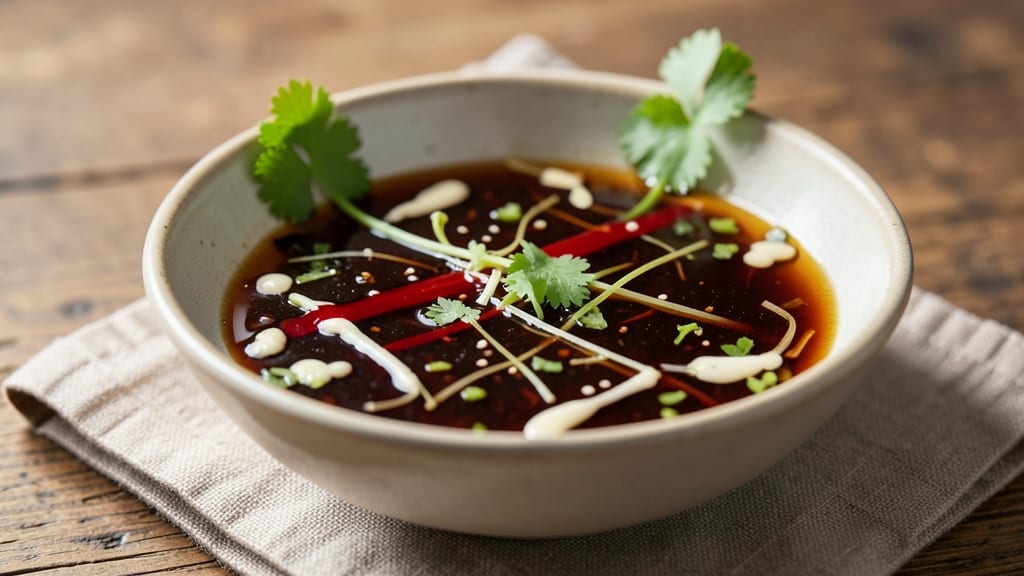
This chowmein sauce recipe transforms ordinary stir-fries into restaurant-quality masterpieces with just a few simple ingredients. The perfect balance of tangy soy, sweet oyster sauce, and aromatic ginger creates a sauce that clings beautifully to noodles and proteins.
I developed this version after years of experimenting with takeout favorites, and it never fails to deliver that signature umami-rich, slightly sweet, and subtly spicy flavor profile.
The secret lies in the combination of dark soy sauce for depth, light soy for brightness, and a touch of sesame oil that adds nutty richness. Fresh ginger and garlic provide the aromatic base, while a splash of rice vinegar cuts through the richness for balance.
What makes this sauce truly special is its versatility—it works equally well with chowmein noodles, beef, chicken, or even tofu.
What you'll end up with is a glossy, aromatic sauce that coats every ingredient perfectly, enhancing rather than overpowering the natural flavors. The sauce thickens slightly as it sits, creating that ideal consistency that's neither too thin nor too heavy.
Best of all, it comes together in just 10 minutes with pantry staples you likely already have.
Use it immediately for fresh stir-fries or store it in the fridge for up to 2 weeks, where the flavors actually deepen over time. For extra heat, add a dash of chili oil, or for a vegetarian version, simply omit the oyster sauce and use a mushroom-based substitute.
This sauce is the foundation of countless Asian-inspired meals—let's make it!
Ingredients for chowmein sauce
Pantry staples plus a few aromatic essentials—this sauce is the secret weapon behind restaurant-style stir-fries.
| Ingredient | Amount | Notes |
|---|---|---|
| Dark Soy Sauce 🥄 | ¼ cup | For deep umami color |
| Light Soy Sauce 🥄 | ¼ cup | For brightness and saltiness |
| Oyster Sauce 🦪 | ¼ cup | Sweet and savory base |
| Rice Vinegar 🍶 | 2 tbsp | For tangy balance |
| Sesame Oil 🫒 | 1 tbsp | Toasted for nutty aroma |
| Fresh Ginger 🧄 | 2 tbsp | Grated, aromatic punch |
| Garlic Cloves 🧄 | 4 cloves | Minced, for aromatic depth |
| Cornstarch 🌾 | 1 tbsp | For thickening consistency |
| Water 💧 | ¼ cup | For smooth texture |
| Sugar 🍚 | 1 tbsp | Balances flavors |
The soy sauces are non-negotiable here—Lee Kum Kee is my go-to for both dark and light, but any good Asian market brand works. Oyster sauce? Kikkoman is reliable, but if you're vegetarian, swap it for mushroom sauce. Fresh ginger and garlic are worth the extra minute to grate/mince—pre-minced garlic lacks punch. Sesame oil can be toasted for deeper flavor: heat it in a dry pan for 30 seconds, then cool before using. Store your soy sauces in a cool, dark place—they last forever, but flavor fades if exposed to light.
No oyster sauce? Mushroom sauce or vegan oyster sauce works perfectly. Short on rice vinegar? Apple cider vinegar is a solid swap, though it's slightly sweeter. The sugar can be omitted if you prefer less sweetness, but it helps balance the soy's saltiness. For extra heat, add a dash of chili oil or sriracha. If you're making this ahead, the sauce actually improves overnight—flavors meld beautifully. And if you're worried about clumping, whisk the cornstarch with cold water first before adding to the hot mixture.
This sauce keeps for 2 weeks in the fridge, sealed in an airtight container. The flavors deepen over time, so it's perfect for meal prep. For freezing, portion into ice cube trays—just thaw and stir. If it thickens too much after refrigeration, a splash of water or broth brings it back to perfection. And trust me, you'll want to make extra—it disappears fast when stir-fry night rolls around.
Why You'll Love This Recipe
- Pantry Magic: I swear by this sauce—just five ingredients, no fancy techniques. That dark soy sauce gives it depth, while the light soy keeps it bright, and oyster sauce ties it all together without a single step beyond stirring.
- Umami Bomb: The combo of dark and light soy with oyster sauce? It’s like a flavor explosion in your mouth. Honestly, I’ve tried store-bought versions, and this homemade mix hits harder—especially when you finish with a drizzle of sesame oil.
- Weeknight Workhorse: This sauce works for stir-fries, noodles, or even as a quick dipping sauce. Between us, I’ve used it on takeout noodles to make them taste homemade, and it’s saved me from ordering in more times than I can count.
- Budget-Friendly Staple: A little goes a long way, and these ingredients are cheap—especially if you already have them. I make a big batch and keep it in the fridge for months, so it’s always there when I need a fast, flavorful boost.
Step-by-step instructions for chowmein sauce
This tangy soy-ginger sauce comes together in minutes—just mix, simmer, and stir.
Mince Ginger and Garlic for Maximum Flavor
Start by peeling the 2 tablespoons fresh ginger and using a sharp knife to finely mince it—think tiny, almost paste-like pieces. Then, peel the 4 cloves garlic and mince them just as finely. The smaller the pieces, the more evenly they'll infuse into the sauce. I like to use the flat side of my knife to press down on the ginger and garlic after mincing to break them down even further.
Here's the thing—fresh ginger and garlic are non-negotiable for real chowmein flavor. If you're using pre-minced from a jar, drain it well and rinse it under cold water to remove that harsh preservative taste. Set these aromatics aside in a small bowl until you're ready to cook them.
Bloom the Aromatics in Sesame Oil
Heat a small saucepan over medium-low heat and add the 1 tablespoon sesame oil. Let it warm for about 30 seconds until you can smell that nutty aroma—this is your signal it's ready. Add the minced ginger and garlic, stirring constantly for 1-2 minutes until they're fragrant but not browned.
Watch the heat carefully here. If it gets too hot, the garlic will burn before the ginger releases its flavor. You're looking for a gentle sizzle that fills your kitchen with that classic chowmein scent. Once fragrant, remove the pan from heat—you don't want to cook the aromatics any further.
Combine All Wet Ingredients
Return the pan to medium heat and add the 0.25 cup dark soy sauce, 0.25 cup light soy sauce, 0.25 cup oyster sauce, 2 tablespoons rice vinegar, 1 tablespoon sugar, and 0.25 cup water. Stir everything together and bring the mixture to a gentle simmer, which should take about 3-4 minutes. The sauce will look thick and glossy at this point.
Let it simmer uncovered for 2-3 minutes to let the flavors meld. You'll notice the sauce reducing slightly and developing that signature chowmein color—deep amber with hints of red from the dark soy sauce. Taste it now—it should be tangy, salty, and slightly sweet, with a bright acidity from the rice vinegar.
Thicken the Sauce Perfectly
In a small bowl, whisk together the 1 tablespoon cornstarch with 2 tablespoons water until completely dissolved. This slurry is what will give your sauce that perfect, glossy consistency. Once smooth, slowly pour it into the simmering sauce while stirring constantly with a wooden spoon.
Keep stirring for 1-2 minutes until the sauce thickens noticeably. It should coat the back of a spoon but still be pourable. If it thickens too quickly, add another 1 tablespoon water to adjust the consistency. The sauce is ready when it reaches that signature chowmein texture—thick enough to cling to noodles but still silky smooth.
Cool and Store for Maximum Freshness
Remove the pan from heat and let the sauce cool to room temperature. This cooling step is crucial—it allows the flavors to fully develop and the sauce to thicken slightly more as it sits. Once cooled, transfer it to a clean jar or airtight container and store it in the refrigerator for up to 5 days.
When you're ready to use it, give it a good stir and gently reheat it in a small saucepan over low heat until warmed through. This sauce is perfect for tossing with fresh or dried noodles, or drizzling over stir-fried vegetables and meats. The balance of sweet, salty, tangy, and umami makes it incredibly versatile—trust me, you'll want to make extra.
Pro Tips For Making Chowmein Sauce
- Simmer Low and Slow: After burning my first batch of sauce, I learned the hard way—keep the heat at a gentle simmer, not a rolling boil. The oils in oyster sauce and sesame oil will break down if you rush it, turning your glossy sauce into something dull and bitter.
- Balance the Soy Sauces: Dark soy sauce adds color, light soy sauce adds depth—use them in a 2:1 ratio (dark to light) unless you’re going for a lighter hue. I used to eyeball it and ended up with either a muddy brown or a pale, flavorless mess.
- Add Sesame Oil Last: Stir in sesame oil right before serving—it’s volatile and burns off fast. I know it’s tempting to mix it in early for convenience, but you’ll lose that nutty aroma and rich flavor if you do.
- Deglaze with Rice Vinegar: After cooking your aromatics, splash in the rice vinegar immediately to lift up any stuck-on bits. It cuts through the richness of the soy and oyster sauces, brightening the whole dish—something I only realized after tasting a batch without it.
Perfect pairings for these flavors
Noodle Pairings
This sauce was designed to cling perfectly to chowmein noodles, but it works beautifully with other Asian noodles too. For a classic experience, use egg noodles or lo mein noodles—their chewy texture soaks up the sauce wonderfully.
I also love it with udon noodles for a heartier Japanese twist, or rice noodles for a lighter Southeast Asian vibe. 🍜
Protein Pairings
Chowmein sauce elevates simple proteins to restaurant-level flavor. Toss it with sliced chicken breast for a quick stir-fry, or pair it with thinly sliced flank steak for a rich, umami-packed dish. For vegetarian options, try tofu or mushrooms—the sauce's depth makes even plant-based proteins shine. 🥩
Vegetable Additions
Fresh vegetables add texture and brightness to your stir-fry. I recommend bell peppers, bok choy, and snap peas for a classic combo. For extra crunch, stir in bean sprouts or shredded cabbage at the end.
If you love heat, toss in thinly sliced jalapeños or red chili flakes for a spicy kick. 🌶️
Dipping Sauce Magic
Use leftover chowmein sauce as a dipping sauce for spring rolls, potstickers, or fried dumplings. Thin it slightly with a splash of water or broth if needed. For extra richness, drizzle with toasted sesame seeds or a swirl of chili oil before serving. 🍢
Breakfast Twist
This sauce isn't just for dinner! Stir it into scrambled eggs for a savory breakfast bowl, or drizzle it over congee for a comforting morning meal. The tangy-sweet balance makes it perfect for brunch. I also love it as a glaze for grilled shrimp or pork chops at breakfast. 🍳
Global Fusion Ideas
Get creative with global flavors! Mix the sauce with teriyaki glaze for a Japanese-inspired stir-fry, or blend it with peanut butter and lime juice for a Thai-inspired noodle dish. The sauce's versatility makes it a perfect base for fusion cooking. 🌍
Nutrition facts
Frequently asked questions
Can I make this chowmein sauce without oyster sauce?
For a vegetarian version, replace the oyster sauce with 1/4 cup mushroom sauce or vegan oyster sauce. If you're avoiding umami entirely, try 1 tablespoon soy sauce + 1 tablespoon hoisin sauce as a substitute. The key is maintaining that sweet-savory balance—just taste as you go and adjust with a pinch of sugar or extra rice vinegar.
How do I adjust the thickness of the sauce?
The cornstarch slurry controls the thickness, but if it's too thick after cooling, simply stir in 1 teaspoon water at a time until you reach your desired consistency. For a thicker sauce, add 1/2 teaspoon extra cornstarch (mixed with water) and simmer for another 1 minute. The sauce should coat the back of a spoon but still be pourable.
What's the best way to store leftover chowmein sauce?
Transfer cooled sauce to an airtight container and refrigerate for up to 2 weeks. For longer storage, freeze in ice cube trays—just thaw and stir. If it thickens in the fridge, a splash of water or broth brings it back to perfection. Pro tip: The flavors actually deepen over time, so leftovers often taste better!
Can I use this sauce for dishes other than stir-fry?
This versatile sauce works wonders beyond stir-fry! Use it as a marinade for grilled meats, a dipping sauce for spring rolls, or even a glaze for baked tofu. For extra richness, drizzle it over ramen or pho before serving. The balance of flavors makes it perfect for any Asian-inspired dish.
Why does my chowmein sauce taste too salty?
Too much soy sauce is the usual culprit. Reduce the light soy sauce by 1 tablespoon and balance with 1 extra tablespoon rice vinegar or water. If you're using store-bought sauces, check labels—some brands are saltier than others. Always taste as you go! For a quick fix, stir in 1 teaspoon sugar to balance the saltiness.