
Sauces & Condiments
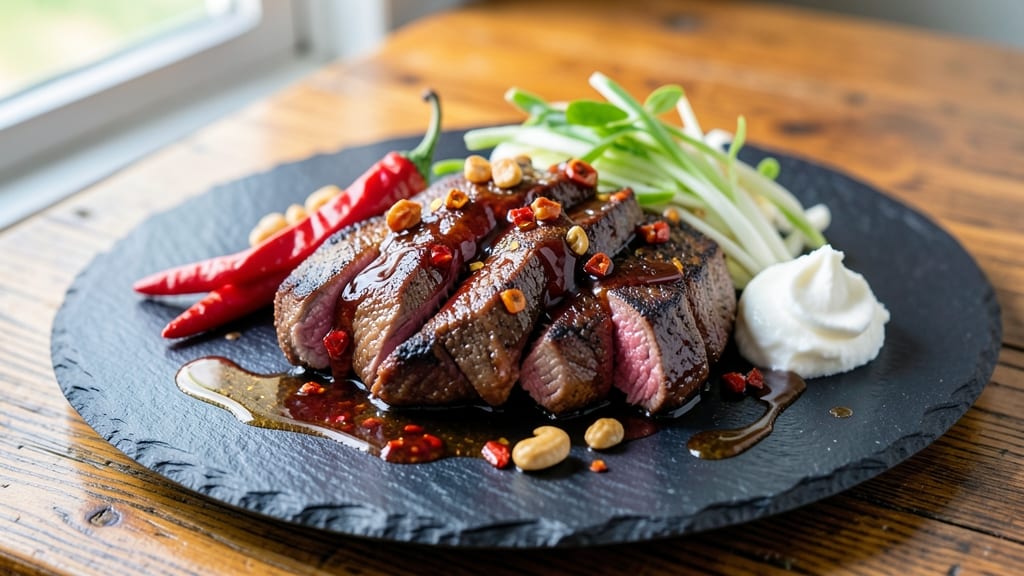
This Asian pepper steak sauce transforms ordinary stir-fries into restaurant-quality masterpieces with its perfect balance of bold heat, deep umami, and aromatic sweetness.
The secret lies in simmering chili peppers, garlic, and ginger until they develop complex flavors, then blending them with soy, fish sauce, and a touch of honey for that signature sticky-sweet finish.
I developed this sauce after years of experimenting with takeout-inspired flavors, and it's now my go-to for glazing steak, marinating proteins, or dipping crispy fries.
The sauce's magic comes from its three-phase cooking process: first, building heat from chili peppers and garlic; second, deepening umami with soy and fish sauce; and third, balancing everything with honey and a splash of vinegar.
What makes this recipe truly special is its versatility—it works as a glaze for grilled meats, a marinade for tofu or chicken, or even a dipping sauce for spring rolls. The key is patience during the simmering stage, which allows the flavors to meld into a cohesive, aromatic sauce.
By the time you're done, you'll have a rich, glossy sauce with layers of flavor—spicy, savory, slightly sweet, and tangy all at once. The aroma alone will have everyone gathering around the table, and the first bite will confirm why this sauce is a game-changer for home cooks.
It's the kind of condiment that elevates simple ingredients into something extraordinary, making every meal feel like a special occasion.
Perfect for meal prep, batch cooking, or last-minute stir-fries, this sauce keeps well in the fridge for up to two weeks, allowing you to build flavor over time.
Whether you're cooking for a crowd or treating yourself to a weeknight dinner, this Asian pepper steak sauce delivers professional-quality results with minimal effort. Let's get started!
Ingredients for asian pepper steak sauce
Nine bold ingredients that build restaurant-quality umami heat in just 20 minutes.
| Ingredient | Amount | Notes |
|---|---|---|
| Fresh Red Chili Peppers 🌶️ | 4 whole | Stemmed, seeds removed for mild heat |
| Garlic Cloves 🧄 | 6 cloves | Peeled, lightly smashed for infusion |
| Fresh Ginger 🌿 | 1 tbsp | Grated, aromatic root preferred |
| Light Soy Sauce 🥄 | ½ cup | Kikkoman preferred for balance |
| Fish Sauce 🐟 | 2 tbsp | Red Boat brand for authentic umami |
| Honey 🍯 | 2 tbsp | Wildflower for floral notes |
| Rice Vinegar 🍶 | 1 tbsp | Seasoned for subtle tang |
| Sesame Oil 🌰 | 1 tbsp | Toasted for nutty aroma |
| Granulated Sugar 🍚 | 1 tbsp | Balances acidity, light brown works |
| Cornstarch 🌾 | 1 tsp | For glossy finish, instant preferred |
The chili peppers are your flavor foundation—Thai bird's eye peppers add serious heat, but jalapeños or serranos work too. For the best results, grab them fresh from the produce section at Whole Foods or your local Asian market, where they'll be vibrant and firm. The garlic and ginger? Organic, not pre-minced—those jars have lost their punch. Toast the garlic cloves in a dry pan for 30 seconds before adding to the sauce—it deepens the flavor in a way jarred garlic can't match. If you're sensitive to spice, remove the seeds entirely, but leave them in for that authentic takeout kick.
No fish sauce? Soy sauce plus a splash of Worcestershire gets you close, though it won't be identical. Running out of honey? Maple syrup at a 1:1 ratio works, but you'll lose that floral complexity. The rice vinegar can be swapped for apple cider vinegar, but seasoned rice vinegar adds that perfect balance of sweet and sour. Sesame oil is non-negotiable for the aroma, but if you're avoiding it, toasted sesame seeds sprinkled at the end add a similar nutty note. For a smoother sauce, blend the cornstarch with 1 tbsp cold water before adding—this prevents clumping like a dream.
This sauce builds flavor over time, so make a big batch and store it in a glass jar in the fridge—it keeps for 2 weeks and actually tastes better after a day or two. For meal prep, portion into ice cube trays, then transfer to freezer bags. Thaw overnight in the fridge before using. The sauce thickens as it cools, so add a splash of water when reheating. Trust me, the first time you drizzle this over seared steak or toss it with stir-fried veggies, you'll never buy takeout again.
Why You'll Love This Recipe
- Pantry Magic: I swear by this sauce because it’s all about what’s already in my fridge. No specialty jars or hard-to-find spices—just chili peppers, garlic, and ginger you can grab on the way home. That fish sauce? A single splash transforms everything, and honestly, it’s the secret weapon.
- Umami Bomb: The moment that garlic and ginger hit the pan with the chili peppers? Chef’s kiss. The heat from the fresh peppers mellows into something deep and savory, while the soy and fish sauce add this addictive, salty-sweet punch. It’s the kind of flavor that makes you pause mid-bite.
- Weeknight Hero: This sauce is my go-to when I’m drowning in takeout menus. Toss it with stir-fried steak, drizzle it over rice, or even mix it into a quick noodle bowl—it works every time. And because it’s so simple, I never skip it, even on nights when I’d rather be scrolling TikTok.
- Budget Boost: A little goes a long way, and this sauce stretches across multiple meals. Make a double batch, store it in the fridge, and you’ve got flavor for days—no wasted ingredients, no last-minute grocery runs. Plus, fish sauce is dirt cheap, so you’re basically getting gourmet flavor on a shoestring.
Step-by-step instructions for Asian pepper steak sauce
This sauce delivers deep umami heat and perfect balance—here's how to make it shine.
Char and Blend the Chili-Garlic-Ginger Base
Heat a dry skillet over medium-high heat and add the 4 whole fresh red chili peppers, turning occasionally until they blister and char in spots—about 4-5 minutes. This step develops smoky depth. Immediately transfer them to a plate and cover with plastic wrap to steam for 10 minutes.
While they steam, add the 6 cloves garlic cloves and 1 tablespoon grated fresh ginger to the same skillet. Cook for 1 minute until fragrant but not browned—this prevents bitterness. Let cool slightly, then peel the garlic and transfer everything to a blender.
Combine Wet Ingredients for Flavor Balance
Add the 0.5 cup light soy sauce, 2 tablespoons fish sauce, 2 tablespoons honey, 1 tablespoon rice vinegar, 1 tablespoon sesame oil, and 1 tablespoon granulated sugar to the blender. Pulse until smooth, scraping down the sides as needed. The mixture should be vibrant red with a glossy sheen from the honey and sesame oil.
Here's where the magic happens: the fish sauce provides umami depth, the rice vinegar brightens, and the honey balances the acidity. Taste and adjust—add a pinch more sugar if it's too sharp or a splash of water if it's too thick.
Thicken and Finish the Sauce
Return the blended sauce to the skillet over medium heat and bring to a gentle simmer. Stir in the 1 teaspoon cornstarch mixed with 2 tablespoons water until the sauce thickens to a glossy, coatable consistency—about 3-4 minutes. You'll see it go from watery to velvety smooth.
Remove from heat and let cool for 5 minutes before using. The sauce should cling to a spoon and have a perfect balance of heat, sweetness, and umami. For extra depth, strain through a fine-mesh sieve to remove any chili skins if you prefer a smoother texture.
Use Immediately or Store Properly
This sauce is best used fresh, but it keeps in an airtight container in the refrigerator for up to 1 week or frozen for 3 months. For stir-fries, toss with sliced steak and vegetables over high heat for 2-3 minutes until the sauce caramelizes slightly and coats everything evenly.
Real talk: if you make this ahead, reheat gently in a saucepan to maintain its glossy texture. The sauce thickens as it cools, so thin with a splash of water if needed before using. This is the secret to restaurant-quality stir-fry every time.
Pro Tips For Making Asian Pepper Steak Sauce
- CHAR THE GINGER FIRST: I learned this the hard way—ginger burns faster than you think, especially when you’re also dealing with chili peppers. Toss the sliced ginger into the hot pan before anything else and let it sizzle for 30 seconds until fragrant and just starting to brown. That’s when the flavor actually wakes up instead of just sitting there like a shy guest.
- MINCE GARLIC FINE: Too many recipes say "chop the garlic," but this sauce needs it minced—like you’re trying to make it disappear. Use the flat side of your knife to crush the cloves first, then chop into tiny, even pieces. If you’re lazy and chop it roughly, you’ll taste the texture instead of the flavor, and that’s a shame because garlic here should melt into the sauce completely.
- STOP WHEN PEPPERS SOFTEN: The chili peppers should turn bright red and collapse like overripe tomatoes, not turn to ash. I used to let them cook until they darkened, and the sauce ended up bitter. Pull them out when they’re still vibrant but yielding—about 2-3 minutes in a hot pan. Overcooking turns them into flavorless sludge.
- DILUTE THE SAUCE LAST: Toss the soy and fish sauce in after the aromatics are cooked, not before. If you add them too early, the fish sauce will cook off into a harsh, salty residue instead of blending smoothly. Stir it in with a splash of water or broth at the end to balance the heat and salt—this makes all the difference when you’re tasting the final sauce.
Creative variations of this dish
Spicy Thai Fusion
Swap the fresh red chili peppers for 2 Thai bird's eye peppers and 1 Thai chili for an extra kick. Add 1 teaspoon shrimp paste (like Kapi) to the blender for authentic Thai umami. I love using this version with grilled pork skewers or shrimp stir-fry. 🌶️
Sweet & Smoky BBQ Glaze
Reduce the honey to 1 tablespoon and add 2 tablespoons BBQ sauce (I recommend Sweet Baby Ray's) plus 1 teaspoon smoked paprika. Simmer for an extra 2 minutes to deepen the smoky notes. This works perfectly as a glaze for ribs or pulled pork sandwiches.
Miso Caramelized Version
Replace the soy sauce with 3 tablespoons white miso paste and reduce the honey to 1 tablespoon. Add 1 teaspoon mirin for brightness. This richer version pairs beautifully with grilled salmon or miso-marinated tofu. The miso adds a fermented depth that changes the sauce entirely.
Sweet Chili Dipping Sauce
Strain the sauce through a fine-mesh sieve for a silky texture, then add 1 tablespoon lime juice and 1 teaspoon toasted sesame seeds. Serve chilled with crispy spring rolls or as a dipping sauce for dumplings. The tangy lime brightens the heat and makes it perfect for appetizers.
Garlic Butter Steak Sauce
Replace the fish sauce with 2 tablespoons melted butter and add 1 extra garlic clove. Reduce the honey to 1 tablespoon and add 1 teaspoon Dijon mustard for depth.
This luxurious version is ideal for finishing pan-seared steaks or grilled lamb chops. The butter adds richness while keeping the chili heat prominent.
Low-Sodium Adaptation
Use low-sodium soy sauce and reduce the amount to 0.25 cup. Add 1 teaspoon coconut aminos for extra umami without extra salt. This version works perfectly for heart-healthy meals while keeping all the bold flavors intact. The coconut aminos add a subtle sweetness that balances the heat beautifully. 💡
Nutrition facts
Frequently asked questions
Can I use jarred minced garlic and ginger instead of fresh?
Fresh garlic and ginger pack way more flavor, but if you're in a pinch, jarred works in a bind. Use 1.5 tablespoons minced garlic (about 3 cloves' worth) and 1.5 teaspoons minced ginger—just toast them in the skillet for 30 seconds before blending to wake up their flavors. The texture will be slightly less aromatic, but the taste won't be drastically different.
How do I adjust the heat level if I can't handle spice?
For milder heat, reduce the chili peppers to 2 whole peppers (keep seeds in for some kick) or swap them for 1 jalapeño with seeds removed. If you've already blended the sauce, stir in 1 extra tablespoon honey or 1 teaspoon sugar to help balance the heat—sweetness naturally mellows spice. For extra cooling power, add ½ teaspoon baking soda (trust me, it works!).
Can I make this sauce without cornstarch? For a naturally thickened sauce, simmer the blended mixture longer (5-6 minutes) until it reduces to your desired consistency. Alternatively, mix 1 teaspoon arrowroot powder with 2 tablespoons water as a 1:1 cornstarch substitute. The sauce will still be glossy, just slightly less velvety. Just
What's the best way to reheat this sauce without ruining its texture?
Gently reheat in a small saucepan over low heat with 1-2 tablespoons water to restore its glossy consistency. Stir constantly to prevent scorching—you're aiming for a gentle simmer, not a boil. If the sauce thickens too much, thin with a splash of water or a teaspoon of soy sauce. Microwaving works in a pinch, but it can make the sauce watery, so use 30-second intervals and stir well between each.
How can I use this sauce beyond stir-fries?
This versatile sauce shines in so many ways! Use it as a marinade for 2-4 hours for chicken, beef, or tofu before grilling; as a dipping sauce for spring rolls or fries; or as a glaze for grilled meats (brush on in the last 2 minutes of cooking). It also works beautifully in noodle bowls—just toss 2 tablespoons with cooked noodles and veggies. The possibilities are endless!