
Sauces & Condiments
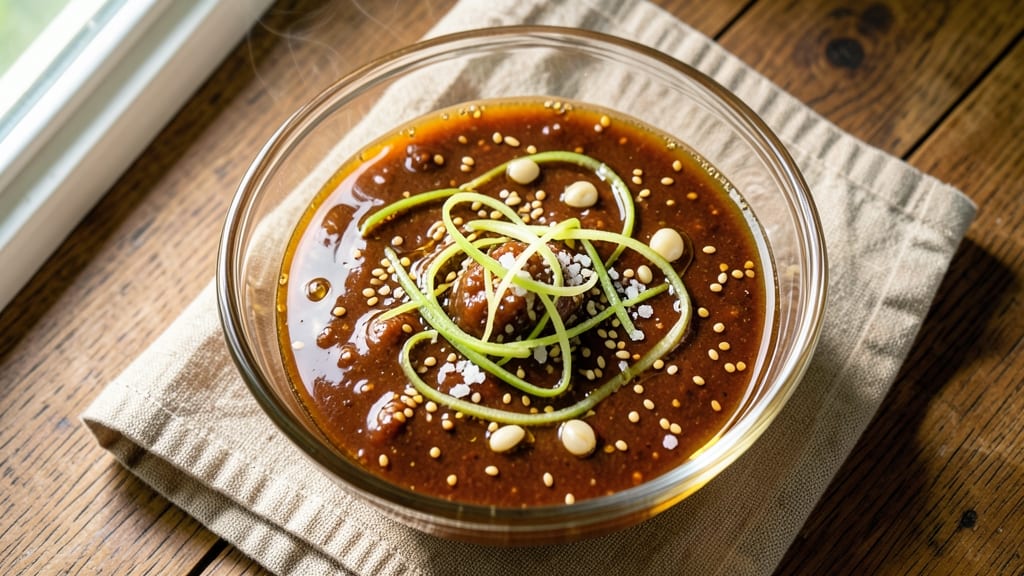
This Asian coleslaw sauce transforms ordinary slaw into a vibrant, flavor-packed side dish with just five simple ingredients. The perfect balance of tangy rice vinegar, rich sesame oil, and sweet brown sugar creates a dressing that clings beautifully to cabbage, carrots, and crunchy toppings.
I developed this recipe after realizing how much better homemade sauce tastes compared to store-bought versions—it's the secret weapon in my favorite Asian-inspired dishes.
The sauce comes together in minutes with a smooth, velvety texture that enhances both traditional and modern coleslaw variations. Whether you're serving it with crispy fried chicken, grilled meats, or as a standalone appetizer, this dressing adds depth and complexity that store-bought options simply can't match.
The secret lies in combining fresh ginger and garlic with the umami-rich soy sauce, creating a flavor profile that's both familiar and exciting.
What makes this recipe truly versatile is its ability to adapt to different tastes—add a dash of sriracha for heat, extra honey for sweetness, or a splash of lime juice for brightness.
The sauce keeps well in the refrigerator for up to a week, making it perfect for meal prep or entertaining. Once you try this, you'll never go back to bottled dressings again.
Use it as a dipping sauce for spring rolls, a topping for noodle bowls, or the star of your next coleslaw. The possibilities are endless, and the results are always impressive. Let's get started on this game-changing dressing!
Ingredients for asian coleslaw sauce
Five ingredients transform basic slaw into a vibrant, umami-packed side dish everyone will love.
| Ingredient | Amount | Notes |
|---|---|---|
| Rice Vinegar 🍶 | ½ cup | White or seasoned variety |
| Sesame Oil 🫒 | ¼ cup | Toasted sesame oil preferred |
| Brown Sugar 🍚 | ¼ cup | Light or dark brown works |
| Soy Sauce 🍶 | ¼ cup | Regular or low-sodium |
| Fresh Ginger 🌿 | 2 tbsp | Finely grated, fresh preferred |
| Garlic Cloves 🧄 | 2 cloves | Minced, fresh preferred |
| Sesame Seeds 🌰 | 1 tbsp | Toasted for extra crunch |
| Lime Juice 🍋 | 1 tbsp | Freshly squeezed preferred |
| Salt 🧂 | ½ tsp | Kosher or sea salt |
| Black Pepper 🌶️ | ¼ tsp | Freshly ground preferred |
The sesame oil is where the magic happens—Kadoya or La Choy are my go-tos for that nutty, toasty flavor. Grab the toasted variety if you can find it, but regular sesame oil works in a pinch. Fresh ginger and garlic are non-negotiable for that bright, zesty kick (the frozen pre-grated stuff from Trader Joe's saves time). Brown sugar adds just the right amount of sweetness—don't skip it, even if you're not a huge fan of sugar in dressings. The soy sauce? Kikkoman is reliable, but any good-quality brand works. Look for one with visible umami depth on the label.
No sesame oil? Toasted peanut butter at half the amount gives a similar richness, though the flavor will be different. Swap brown sugar for honey or maple syrup if you prefer. The lime juice can be omitted if you're not a fan, but it brightens everything up (frozen lime juice works if you don't have fresh). For extra crunch, add crushed peanuts or fried shallots at the end—just a tablespoon or two. Want more heat? A dash of sriracha or chili crisp at the end takes it to another level. The sauce thickens as it sits, so if it's too thin, let it rest for 10 minutes before using.
This sauce keeps beautifully in the fridge for up to 1 week, though it tastes best fresh. Store it in a small glass jar to preserve the flavors. If you make extra, freeze it in ice cube trays—perfect for adding to stir-fries or noodle bowls later. The sesame seeds and any added toppings like peanuts will separate, so give it a quick stir before using. Pairs perfectly with crispy fried chicken, grilled shrimp, or as a dip for spring rolls. Trust me, you'll be making this again and again.
Why You'll Love This Recipe
- Five-Ingredient Magic: I swear by this combo—just vinegar, sesame oil, a pinch of sugar, soy sauce, and grated ginger. Honestly, it’s the kind of sauce that turns a simple bowl of cabbage into something you’ll fight over at potlucks.
- Balances Sweet & Tang: That brown sugar cut with rice vinegar? It’s the perfect push-pull—sharp enough to cut through greasy takeout, sweet enough to make you want seconds. The ginger adds this bright, zesty kick that wakes up every bite.
- Potluck Hero: Between us, this is my go-to for any gathering. Toss it with shredded cabbage for a crunchy side, drizzle it over grilled chicken, or even mix it into noodles. It’s the one sauce that never lets you down—no matter the occasion.
- Make-Ahead MVP: I double the batch and keep it in the fridge for weeks. The flavors deepen over time, and it’s always ready to jazz up whatever I’m serving. Plus, it costs next to nothing to make—soy sauce and vinegar stretch forever.
Step-by-step instructions for Asian coleslaw sauce
This tangy-sweet sesame dressing comes together in minutes with simple techniques.
Toast the Sesame Seeds for Extra Flavor
Heat a small dry skillet over medium-low heat. Add the 1 tablespoon sesame seeds and toast for 2-3 minutes, stirring constantly, until they turn a rich golden brown and release their nutty aroma. Watch them carefully—they'll darken quickly and can burn if left unattended.
Transfer the toasted seeds to a small bowl and set aside to cool slightly. This step adds depth of flavor and crunchy texture that you won't get from raw seeds. The aroma alone will make your kitchen smell amazing—like you're preparing something truly special.
Combine Wet Ingredients for the Base
In a medium mixing bowl, whisk together the 0.5 cup rice vinegar, 0.25 cup soy sauce, 0.25 cup brown sugar, 1 tablespoon lime juice, 0.5 teaspoon salt, and 0.25 teaspoon black pepper. Mix until the brown sugar dissolves completely and you have a smooth, slightly thick liquid.
This combination creates the perfect balance of tangy, sweet, and savory flavors. The vinegar provides acidity, the soy sauce adds umami depth, and the brown sugar rounds out the flavors. Don't worry if it looks slightly cloudy—this is normal and will clear up as you incorporate the oil.
Add Aromatics and Oil for Richness
Add the 2 tablespoons finely grated fresh ginger and 2 minced garlic cloves to the bowl. Stir well to combine, then slowly drizzle in the 0.25 cup sesame oil while whisking continuously. This gradual addition helps emulsify the sauce and prevents separation.
Continue whisking for 30-45 seconds until the mixture becomes smooth and slightly thickened. You should see the oil incorporate completely, creating a glossy, velvety texture. If it looks too thick, add 1-2 teaspoons water to reach your desired consistency.
Incorporate Toasted Sesame Seeds
Gently fold in the toasted sesame seeds using a rubber spatula. Reserve a small handful to sprinkle on top of the coleslaw before serving for extra crunch and visual appeal. The seeds will distribute evenly throughout the sauce, adding their nutty flavor and satisfying texture.
Taste the sauce and adjust seasoning if needed. You might want to add a bit more brown sugar for sweetness or a splash of rice vinegar for extra tang. The sauce should be balanced—tangy from the vinegar, sweet from the brown sugar, and savory from the soy sauce and sesame oil.
Let It Rest Before Using
Cover the bowl with plastic wrap and let the sauce rest at room temperature for 10-15 minutes. This resting period allows all the flavors to meld together and the sauce to reach its ideal consistency. The longer it sits, the more complex and delicious it becomes.
When ready to use, give the sauce one final stir to ensure everything is well combined. The sauce should be thick enough to coat coleslaw ingredients but still pourable. If it thickens too much after resting, simply whisk in a few teaspoons of water to loosen it up. This dressing keeps well in the refrigerator for up to 1 week, making it perfect for meal prep.
Pro Tips For Making Asian Coleslaw Sauce
- GRATE GINGER FINE: Skip the chunky slices—this sauce needs ginger to dissolve completely, not just sit as specks. Use the smallest holes on your grater or pulse it in a food processor for 10 seconds, then let it sit in the vinegar for 5 minutes before mixing. Trust me, you’ll taste the difference in every bite.
- WARM SESAME OIL LAST: Cold sesame oil hits like a wall of flavor—add it straight from the fridge, and your sauce will taste harsh and one-note. Heat it gently in a small pan (just until it smells nutty, about 30 seconds) before stirring it in. That’s when the aroma really wakes up.
- DILUTE THE SOY SAUCE: Straight soy sauce makes this sauce cloyingly salty. Thin it with 1 teaspoon of warm water per tablespoon before adding it to the mix—it blends smoother and lets the other flavors shine. I learned this after ruining a batch where the soy sauce dominated everything else.
- MIX THE SUGAR FIRST: Brown sugar clumps like a stubborn toddler. Whisk it into the warm vinegar (or a splash of hot water) until fully dissolved before combining with the rest. No one wants to taste grit in their coleslaw dressing—especially when you’re reaching for that perfect balance of tang and sweet.
Flavor customization for asian coleslaw sauce
Spicy Kick Option
For heat lovers, add 1-2 teaspoons of sriracha or ½ teaspoon chili crisp after combining all ingredients. Start with less—you can always add more later. If using gochujang, begin with ½ teaspoon for a fermented, slightly sweet heat.
For extra depth, mix ½ teaspoon of red pepper flakes with the toasted sesame seeds before toasting. 🌶️
Sweet & Fruity Twist
Swap brown sugar for honey or maple syrup to create a lighter, fruitier profile. Add 1 tablespoon of mango chutney or ½ teaspoon of orange zest for a tropical vibe.
For a berry variation, stir in 1 teaspoon of raspberry jam after the sauce has rested. This works beautifully with shredded cabbage and apple slaw.
Umami Boost
Deepening the umami flavor is easy—add 1 teaspoon of fish sauce or ½ teaspoon of miso paste for a savory punch. For a smoky note, stir in ½ teaspoon of smoked paprika or 1 teaspoon of hoisin sauce.
If you love sesame paste, replace 1 tablespoon of sesame oil with ½ teaspoon of tahini for a richer texture. 💫
Herb-Infused Variations
Fresh herbs elevate this sauce instantly. Add 1 tablespoon of finely chopped cilantro or mint leaves for brightness. For a Thai-inspired twist, include 1 teaspoon of Thai basil or lemongrass paste.
If you prefer dill, use 1 tablespoon and reduce the lime juice to ½ tablespoon to balance the flavors. These herbs work best when added at the very end.
Nutty Crunch Additions
For extra texture, fold in 1 tablespoon of crushed peanuts or fried shallots after the sauce has rested. Toasted pumpkin seeds or sunflower seeds add a different crunch.
For a more decadent option, sprinkle crumbled bacon or fried onions on top of your coleslaw. These additions should be reserved until serving to maintain freshness. 🌰
Citrus Brightening
Swap lime juice for lemon juice or yuzu juice for a different citrus profile. Add 1 teaspoon of grated lime zest or orange zest for an aromatic boost. For a tangier sauce, increase the vinegar to ⅔ cup and reduce the sugar to ⅓ cup.
These citrus variations pair perfectly with seafood dishes or grilled vegetables.
Nutrition facts
Frequently asked questions
Can I make this sauce without sesame oil?
Yes! If you don't have sesame oil, try substituting with 1 tablespoon of toasted peanut butter or ½ teaspoon of tahini for a similar nutty richness. For a completely different flavor, use 1 tablespoon of neutral oil like avocado or vegetable oil—just know the taste will be milder. The sauce will still work, but the authentic Asian flavor profile will be less pronounced.
How long does this sauce keep in the fridge?
This dressing stays fresh for up to 1 week when stored in an airtight container in the refrigerator. The flavors actually improve as it sits, developing deeper complexity. If you notice separation, simply give it a good stir before using. For longer storage, freeze it in ice cube trays—perfect for adding to future dishes!
What's the best way to use leftover sauce?
Leftover sauce is incredibly versatile! Use it as a dipping sauce for spring rolls, dumplings, or grilled meats. Toss it with noodle bowls, rice dishes, or even grilled veggies for instant flavor. The thickened version works perfectly for glazing tofu or chicken skewers. Just thin with a splash of water if needed for pouring.
Why did my sauce separate?
Separation usually happens when oil and vinegar aren't properly emulsified. To fix it, whisk vigorously or use a fork to break up the separation. For prevention, whisk continuously when adding the sesame oil and let the sauce rest for 10-15 minutes before using. If it happens again, try adding ½ teaspoon of cornstarch mixed with 1 teaspoon water to help stabilize it.
Can I use this sauce for other dishes besides coleslaw?
This versatile dressing works beautifully with grilled shrimp, chicken satay, or beef skewers. Use it as a marinade (add 1 tablespoon per pound of meat) or drizzle over steamed rice, ramen, or pho. It also makes an excellent dip for vegetable sticks or spring rolls. The balance of sweet, tangy, and umami makes it perfect for many Asian-inspired dishes!