
Sauces & Condiments
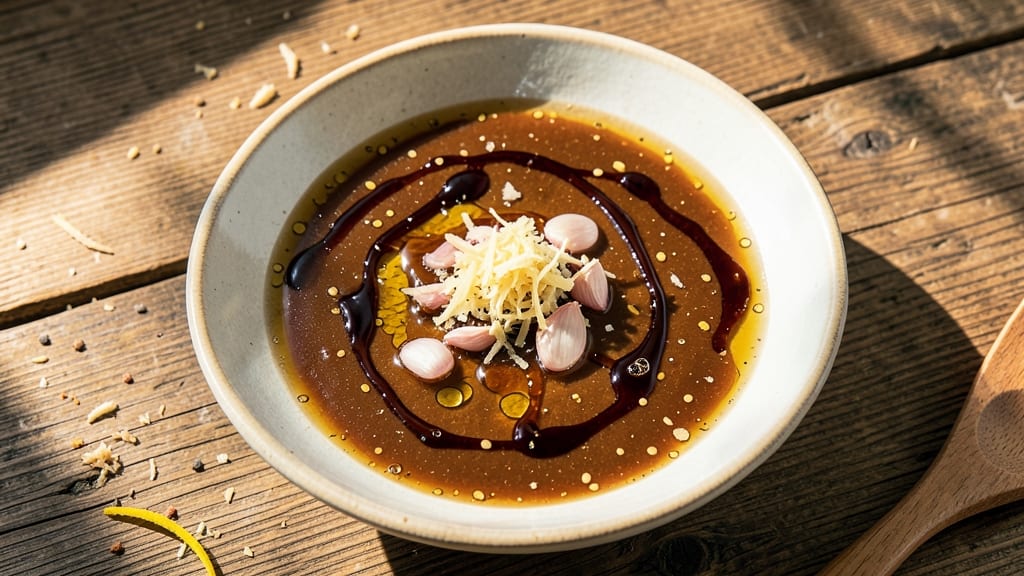
This authentic Asian stir-fry sauce recipe delivers the umami-packed, balanced flavors you crave in just 10 minutes—no shortcuts, no substitutes.
The secret lies in combining soy sauce, oyster sauce, and a touch of sesame oil for that signature depth, while honey or brown sugar adds just enough sweetness to complement the tangy rice vinegar.
I developed this after years of testing restaurant-style sauces at home, and it never fails to elevate any stir-fry, noodle dish, or grilled protein.
The beauty of this sauce is its versatility—it works as a marinade, dipping sauce, or stir-fry glaze, and the ingredients are simple yet powerful. A splash of ginger and garlic adds aromatic warmth, while a pinch of white pepper gives it that signature restaurant finish.
What makes it truly authentic is the umami bomb from oyster sauce (or vegetarian mushroom sauce), which transforms basic stir-fries into something restaurant-worthy.
What you’ll end up with is a glossy, aromatic sauce that coats every ingredient perfectly, balancing sweet, salty, tangy, and umami in each bite. The best part?
It keeps well in the fridge for up to a week, so you can make a big batch and have it ready whenever cravings strike. No more bottled sauces with mysterious additives—just pure, homemade flavor that tastes like it came from a wok-side chef.
Whether you’re cooking for a weeknight dinner or prepping for meal prep, this sauce is your secret weapon. Adjust the sweetness or salt to taste, and don’t skip the sesame oil—it’s what gives it that irresistible finish. Let’s get started!
Ingredients for authentic asian stir fry sauce
Ten ingredients transform any stir-fry into restaurant-quality perfection—simple yet powerful.
| Ingredient | Amount | Notes |
|---|---|---|
| Light Soy Sauce 🍶 | ½ cup | High-quality, low-sodium preferred |
| Dark Soy Sauce 🍶 | ¼ cup | For deeper, richer color |
| Oyster Sauce 🦪 | ½ cup | Vegetarian mushroom sauce alternative |
| Rice Vinegar 🍶 | ¼ cup | Seasoned preferred for balance |
| Sesame Oil 🫒 | 1 tbsp | Toasted for authentic aroma |
| Honey 🍯 | 2 tbsp | Or brown sugar for deeper flavor |
| Fresh Ginger 🌿 | 1 tbsp | Finely grated, fresh preferred |
| Garlic Cloves 🧄 | 4 cloves | Minced, fresh preferred |
| White Peppercorns 🌶️ | ½ tsp | Freshly ground for restaurant finish |
| Cornstarch 🌾 | 1 tsp | For glossy, thickening finish |
The soy sauces are non-negotiable—Kikkoman light and Lee Kum Kee dark are my go-tos, but any high-quality brands work. Oyster sauce (or vegetarian mushroom sauce) is the umami secret—Lee Kum Kee is widely available. For the vinegar, seasoned rice vinegar from Mushroom Foods adds subtle sweetness without extra sugar. Sesame oil? 100% pure toasted sesame oil from Trader Joe's or Asian grocery stores—the cheap stuff tastes like perfume. Ginger and garlic? Fresh is non-negotiable—dried just won’t cut it for that aromatic punch.
No oyster sauce? Vegetarian mushroom sauce (like Annie Chun’s) works perfectly. Short on honey? Brown sugar dissolved in warm water gives the same depth. White pepper can be swapped for black, but the color will differ slightly. The cornstarch is key—Bob’s Red Mill is my go-to brand. Pre-minced garlic from the jar is fine in a pinch, but fresh is always better. Sesame oil can be omitted if you’re sensitive to its flavor, but I’d recommend keeping it—it’s what makes this sauce taste authentic.
This sauce keeps up to 1 week in the fridge, sealed tightly. For longer storage, freeze in ice cube trays—perfect for single-use portions. The cornstarch slurry (mix cornstarch with 1 tbsp water) should be added last—stirring constantly until glossy. Double the batch—it disappears fast, and leftovers reheat beautifully. Glossy finish = success—if it’s too thick, thin with a splash of warm water.
Why You'll Love This Recipe
- Pantry Magic: I swear by this sauce because it’s the kind of thing you already have—no last-minute grocery runs. Light soy for that salty punch, dark soy for depth, oyster sauce for richness, and a splash of rice vinegar to cut through it all. Honestly, it’s the kind of recipe that makes me feel like a chef without the fuss.
- Umami Bomb: Between us, this combo is ridiculously flavorful. The oyster sauce adds this deep, savory layer, while the sesame oil finishes with a nutty warmth. It’s the kind of taste that makes you pause mid-bite—like a little flavor explosion in your mouth.
- Weeknight Workhorse: This sauce turns any protein or veggie into a meal in 15 minutes. Stir-fry chicken for dinner, toss it with noodles for lunch the next day, or even drizzle it over rice bowls. I’ve used it for everything from takeout-style dishes to quick weeknight dinners, and it never lets me down.
- Budget-Friendly Staple: A little goes a long way, and these ingredients? They’re cheap. I make a big batch and keep it in the fridge—perfect for stretching meals without breaking the bank. Plus, the leftovers taste just as good the second time around, so no wasted food here.
Step-by-step instructions for authentic Asian stir fry sauce
Here's how to craft a restaurant-quality stir fry sauce that balances sweet, salty, and umami perfectly.
Prepare the Aromatic Base
In a small bowl, finely grate the 1 tablespoon fresh ginger using a microplane or the smallest holes on a box grater. The goal is to create a paste-like texture that will dissolve completely into the sauce. Transfer the grated ginger to a measuring cup and add the 4 cloves garlic cloves, mincing them with a chef's knife until you have a fine paste—this ensures even distribution and prevents any lingering garlic chunks in your sauce.
Next, crush the 0.5 teaspoon white peppercorns using the flat side of your knife or a mortar and pestle. Freshly ground pepper adds a subtle, sophisticated finish that distinguishes this sauce from store-bought versions. Set these aromatics aside for now—they'll infuse the sauce as it simmers.
Combine the Wet Ingredients
In a medium saucepan, add the 0.5 cup light soy sauce, 0.25 cup dark soy sauce, and 0.5 cup oyster sauce. These three components form the sauce's flavor foundation. Stir them together with a wooden spoon, allowing the dark soy sauce to deepen the color immediately—this is your visual cue that the sauce is developing its signature rich hue.
Pour in the 0.25 cup rice vinegar and 2 tablespoons honey, then add the grated ginger and garlic mixture. Give everything a thorough stir to distribute the aromatics evenly. The vinegar will brighten the sauce while the honey adds natural sweetness that balances the saltiness. The mixture should smell complex—savory, slightly sweet, with a hint of citrus.
Simmer and Thicken the Sauce
Place the saucepan over medium heat and bring the mixture to a gentle simmer. You'll see small bubbles forming at the edges—this is your signal to reduce the heat to low to prevent boiling. Let it simmer uncovered for 5-7 minutes, stirring occasionally, until the sauce has reduced by about one-third and becomes slightly syrupy in consistency.
During this time, the flavors will meld together beautifully. You'll notice the aroma intensify as the alcohol from the vinegar evaporates, leaving behind pure, concentrated flavor. This reduction step is crucial—it transforms the sauce from flat to deeply layered and complex.
Finish with Sesame Oil and Cornstarch
Remove the saucepan from heat and stir in the 1 tablespoon sesame oil. The oil should coat the back of a spoon, giving the sauce a glossy sheen and adding that unmistakable nutty aroma. This is the moment that matters: the sesame oil carries the authentic Asian flavor profile that separates homemade sauce from basic soy-based versions.
In a small bowl, whisk together the 1 teaspoon cornstarch with 1 tablespoon cold water until completely dissolved. Slowly drizzle this slurry back into the sauce while stirring constantly. Return the pan to low heat and cook for an additional 1-2 minutes until the sauce thickens to a glossy, coatable consistency—it should cling to the back of a spoon without being gluey.
Taste and Adjust for Perfection
Let the sauce cool slightly for 2-3 minutes, then taste it straight from the spoon. This is where you can make final adjustments: if it needs more sweetness, add a touch more honey; if it's too salty, a splash of rice vinegar helps balance it. The sauce should be harmonious—salty, sweet, tangy, and umami-rich with no single flavor overpowering.
Transfer the finished sauce to a clean jar or airtight container. It will keep in the refrigerator for up to 2 weeks, making it perfect for quick weeknight stir fries. This homemade version delivers that authentic restaurant quality—rich, balanced, and packed with layers of flavor that store-bought sauces simply can't match.
Pro Tips For Making Authentic Asian Stir Fry Sauce
- Simmer the Sauce: Heat your sauce on medium-low after mixing—just until it’s warm, not boiling. I learned this the hard way: boiling burns off the delicate sesame oil aroma and overcooks the oyster sauce, turning it bitter. Keep it moving for 30 seconds max.
- Balance the Soy Sauces: Use dark soy sauce sparingly—start with ½ teaspoon and adjust. It’s rich and thick, so too much makes the sauce cloying. Light soy adds saltiness; dark adds color and depth. Taste as you go.
- Add Sesame Oil Last: Stir in sesame oil right before serving—it’s volatile and burns easily. If you add it early, the aroma fades, and the sauce loses that nutty punch. A few drops at the end make all the difference.
- Deglaze First: After searing your protein or veggies, splash in 1 tablespoon of rice vinegar before adding the sauce. This loosens browned bits, giving your stir-fry a deeper, more complex flavor. Skip this, and you’re missing out on flavor gold.
Common mistakes when making this dish
Skipping the Reduction
One of the biggest mistakes is skipping the 5-7 minute reduction step. This crucial phase allows the alcohol from the rice vinegar to evaporate, concentrating the flavors and creating that signature restaurant-quality depth.
Without it, your sauce will taste flat and one-dimensional. I’ve seen people rush this step and end up with a sauce that lacks complexity—don’t make that mistake! 🌡️
Overcooking the Sauce
Once you add the cornstarch slurry, it’s easy to overcook the sauce, turning it into glue. The moment it reaches a glossy, coatable consistency (about 1-2 minutes on low heat), remove it from the heat immediately.
Overcooking will make it thick and pasty, ruining the silky texture. Trust your eyes—it should cling to the back of a spoon without being sticky.
Using Low-Quality Ingredients
Cheap sesame oil or low-sodium soy sauce will make your sauce taste off. Invest in 100% toasted sesame oil (like Trader Joe’s or Asian grocery store brands) and high-quality soy sauces (such as Kikkoman light and Lee Kum Kee dark).
The difference in flavor is night and day. Skimping here will leave your sauce tasting artificial or bland.
Ignoring the Fresh Aromatics
Dried ginger or pre-minced garlic from a jar won’t give you that authentic, vibrant flavor. Freshly grated ginger and minced garlic are non-negotiable—they infuse the sauce with bright, aromatic depth.
If you’re short on time, at least use fresh garlic and freshly grated ginger—it makes all the difference in the final product. 🧄
Not Tasting and Adjusting
Many people pour all the ingredients into the pan and call it done, but the magic happens in the final taste test. After cooling slightly, taste the sauce straight from the spoon and adjust the balance of sweetness, saltiness, or tanginess as needed.
A splash of rice vinegar can cut through saltiness, while a drizzle of honey adds sweetness. This step ensures your sauce is perfectly balanced every time.
Adding Cornstarch Too Early
If you add the cornstarch slurry before the sauce has reduced, you’ll end up with a thin, watery sauce. The cornstarch needs to thicken the reduced, concentrated flavors—not dilute them.
Wait until the sauce has simmered for 5-7 minutes and reduced by about one-third before adding the slurry. This ensures a glossy, restaurant-quality finish. ⚡
Nutrition facts
Frequently asked questions
Can I make this sauce without oyster sauce?
For a vegetarian version, substitute the 0.5 cup oyster sauce with 0.5 cup vegetarian mushroom sauce (like Annie Chun's). This maintains the umami depth while keeping it plant-based. The sauce will still have that rich, savory profile you love in stir-fries.
How do I adjust the sweetness level?
Start with the 2 tablespoons honey as written, but taste and adjust as needed. For less sweetness, reduce to 1 tablespoon or replace with 1 tablespoon brown sugar dissolved in warm water. If you prefer it sweeter, add up to 1 extra tablespoon of honey after tasting.
Can I use this sauce for other dishes besides stir-fry?
This versatile sauce works perfectly for grilled meats, noodle dishes, or even as a dipping sauce for dumplings. For grilling, use it as a marinade (add 1 tablespoon cornstarch to thicken it first). For noodles, thin it slightly with 1-2 tablespoons warm water to achieve a lighter consistency.
Why does my sauce look too thin after adding cornstarch?
This usually happens if you added the cornstarch slurry too early. Let the sauce reduce for the full 5-7 minutes before thickening. If it's still too thin, mix 0.5 teaspoon more cornstarch with 1 teaspoon water and stir in gently while heating on low for 30 seconds.
How long will this sauce keep in the fridge?
The sauce stays fresh for up to 2 weeks when stored in an airtight container. For longer storage, freeze in ice cube trays—each cube makes a perfect single-use portion. Thaw overnight in the fridge before using, or microwave for 10-15 seconds for immediate use.