
Sauces & Condiments
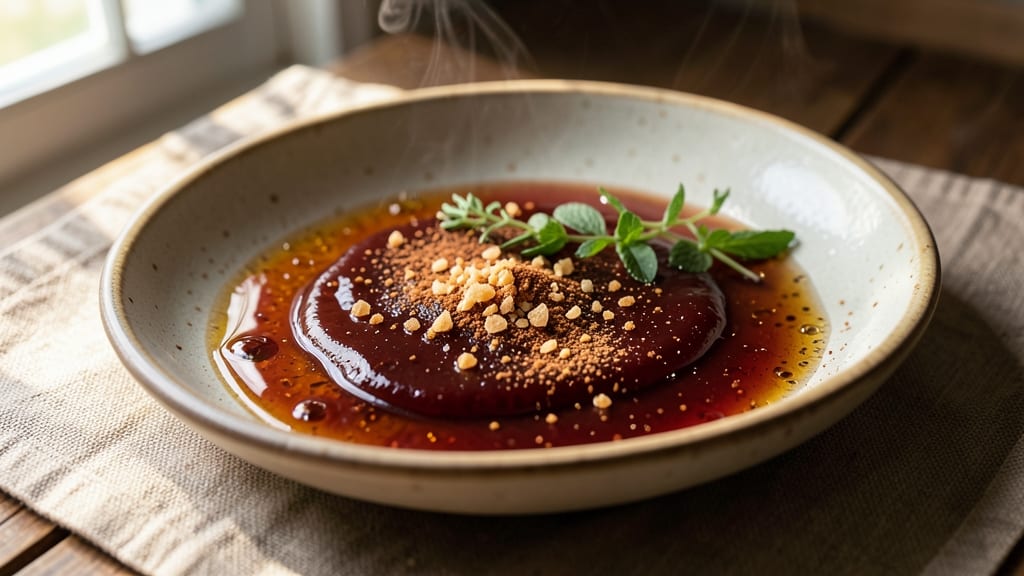
This balsamic brown sugar sauce transforms ordinary meals into showstopping dishes with just a few simple ingredients and 15 minutes of simmering. The perfect balance of tangy balsamic vinegar and rich brown sugar creates a glossy, caramelized glaze that elevates everything from grilled chicken to roasted vegetables.
I developed this recipe after years of perfecting restaurant-quality sauces at home—it’s the secret weapon behind my favorite weeknight dinners.
The magic happens when you reduce balsamic vinegar with brown sugar until it thickens into a sticky, aromatic syrup. A splash of apple cider vinegar brightens the flavor, while optional spices like cinnamon or smoked paprika add depth.
This sauce isn’t just for savory dishes—it’s also a stunning drizzle for vanilla ice cream or a glaze for caramelized pears.
What you’ll end up with is a versatile sauce that’s equally at home on a charcuterie board, drizzled over seared steak, or spooned over roasted Brussels sprouts. The reduction process concentrates the flavors, creating a glossy finish that’s both elegant and effortless.
Best of all, it keeps well in the fridge for up to two weeks, so you can make a big batch and enjoy it all week.
Whether you’re hosting a dinner party or just craving something special for a weeknight meal, this sauce delivers restaurant-quality results with minimal effort. Let’s get started—your taste buds will thank you.
Ingredients for balsamic brown sugar sauce
Six core ingredients plus optional spices create this restaurant-quality glaze in minutes.
| Ingredient | Amount | Notes |
|---|---|---|
| Balsamic Vinegar 🍷 | 1 cup | High-quality aged balsamic preferred |
| Light Brown Sugar 🍚 | ½ cup | Packed, not scooped |
| Apple Cider Vinegar 🍏 | 1 tbsp | Brightens the flavor |
| Water 💧 | ¼ cup | For thinning if needed |
| Ground Cinnamon 🌿 | ½ tsp | Optional for warmth |
| Smoked Paprika 🌶️ | ¼ tsp | Optional for depth |
| Salt 🧂 | ¼ tsp | Kosher or sea salt |
| Black Pepper 🌶️ | ⅛ tsp | Freshly ground preferred |
The balsamic vinegar is the star here—aged balsamic (like Barone Fini or Bartolo Mascarello) gives that rich, complex flavor. I grab mine from the Italian market or Trader Joe's—their aged balsamic is surprisingly good. Brown sugar should be light and packed, not scooped loosely. If you can't find aged balsamic, regular balsamic vinegar works, but it'll be less nuanced. The apple cider vinegar might seem like a small amount, but it's what keeps the sauce bright and balanced—don't skip it. For the spices, if you're feeling fancy, Penzeys Spices has amazing smoked paprika, but the regular grocery store stuff works fine too.
No aged balsamic? Substitute with 2 tbsp of balsamic vinegar plus 1 tbsp of maple syrup—it won't be identical, but close. Short on brown sugar? White sugar works at the same amount, though it won't caramelize as beautifully. Want more depth? Add a pinch of cayenne for heat or a dash of vanilla extract for sweetness. The sauce can be made ahead—just reheat and thin with water if needed. If you're using it for desserts, reduce it longer for a thicker glaze, and skip the salt and pepper.
This sauce keeps beautifully—up to 2 weeks in the fridge in an airtight jar. I always make a double batch because it disappears fast. For desserts, let it cool completely before storing. If it thickens too much, just add a splash of water when reheating. Freezes well too—up to 6 months—though the texture might change slightly. Store it in small jars so you can grab just what you need for a quick drizzle. The flavors actually improve overnight as everything melds together.
Why You'll Love This Recipe
- Five-Ingredient Magic: I swear, this sauce is the kind of recipe that makes me feel like a genius—just five things simmered together. The brown sugar caramelizes into that glossy, sticky goodness while the balsamic adds depth, and the cinnamon? It’s the secret that makes it taste like you slaved over it.
- Sweet-Tart Balance: Honestly, the combo of balsamic and apple cider vinegar is chef’s kiss—tangy enough to cut through rich dishes but sweet enough to make your taste buds dance. That first drizzle over grilled chicken or roasted veggies? Pure satisfaction.
- Glaze for Everything: Between us, this sauce is my go-to for weeknights and weekends. Drizzle it on pancakes for brunch, toss it with roasted Brussels sprouts for dinner, or even swirl it into yogurt for dessert. It’s the one sauce that turns anything into something special.
- Make-Ahead MVP: I double the batch every time because it keeps in the fridge for weeks—no waste, no stress. The flavors actually get richer as it sits, and reheating is just a quick simmer. Budget-friendly, fuss-free, and always ready when I am.
Step-by-step instructions for balsamic brown sugar sauce
This glossy glaze comes together in minutes with simple pantry staples.
Combine Wet Ingredients in a Saucepan
In a medium saucepan, pour in the 1 cup balsamic vinegar and 1 tablespoon apple cider vinegar. Bring to a gentle simmer over medium heat—you'll see small bubbles forming around the edges, but don't let it boil vigorously. This controlled simmer helps the vinegars mellow and develop depth of flavor.
While waiting for the mixture to heat, add the 0.5 cup packed light brown sugar and stir until completely dissolved. The sugar will caramelize slightly as it melts into the vinegar, creating a beautiful amber color. I like to use a wooden spoon for stirring—it won't scratch the pan like metal utensils might.
Add Spices and Simmer Until Thickened
Once the mixture is fully combined and simmering gently, sprinkle in the 0.5 teaspoon ground cinnamon, 0.25 teaspoon smoked paprika, 0.25 teaspoon salt, and 0.125 teaspoon black pepper. Stir immediately to distribute the spices evenly—this prevents any single spot from burning.
Let the sauce simmer uncovered for 8-10 minutes, stirring occasionally. You're looking for the sauce to reduce by about half—it should thicken to a glossy, syrupy consistency that coats the back of a spoon. If it thickens too quickly, add the 0.25 cup water one tablespoon at a time to adjust the texture. The sauce should coat a spoon but still be pourable.
Test for Perfect Consistency
After simmering, remove the pan from heat and let the sauce rest for 2-3 minutes. This resting period allows the flavors to meld together. Taste a small amount—it should be sweet, tangy, and slightly spiced with warm cinnamon notes. If it needs more depth, you can return it to low heat for another 1-2 minutes to intensify the flavors.
The perfect sauce should be thick enough to glaze meats and vegetables beautifully but still flow smoothly when drizzled. For a smoother finish, strain the sauce through a fine-mesh sieve to remove any undissolved sugar crystals or spices. Transfer to a clean jar or bowl and let it cool slightly before using—it will thicken even more as it cools.
Use Immediately or Store for Later
This versatile sauce works best when used fresh, but it keeps well in the refrigerator for up to 2 weeks. To use, simply reheat gently in a small saucepan over low heat, stirring occasionally, until warmed through. The sauce is perfect for drizzling over grilled meats, roasted vegetables, or even as a glaze for pancakes and waffles.
For an extra touch of elegance, finish with a sprinkle of freshly cracked black pepper or a pinch of smoked paprika right before serving. The contrast of warm spices and tangy-sweet flavors makes this glaze a showstopper for any dish.
Pro Tips For Making Balsamic Brown Sugar Sauce
- Simmer Low and Slow: Start with medium-high heat to get the sugar dissolved, but once it’s bubbling, drop it to a gentle simmer. I learned this the hard way—rushing it turns the sauce bitter, and you’ll end up with a gloppy mess instead of a glossy, balanced glaze.
- Use Real Balsamic: Skip the cheap stuff. A good aged balsamic (like the kind in a dark bottle) adds depth that imitation vinegar can’t match. If you’re pinching pennies, at least use a high-quality apple cider vinegar—it makes a noticeable difference in brightness.
- Stir Like You Mean It: The first few minutes are critical—constant stirring prevents burning. After that, let it bubble freely, but give it one final stir before removing from heat to distribute the cinnamon evenly. (Yes, even if you’re impatient like me.)
- Whisk in the Cinnamon Last: Add that spice when the sauce is nearly done, not at the start. It burns faster than you’d think, and you’ll end up with a bitter, grainy texture. A quick whisk at the end ensures warmth without overpowering the sweet-tart balance.
Common mistakes when making perfect results
Over-Reducing the Sauce
I’ve seen this happen more times than I can count—simmering the sauce too long turns it into a thick, sticky paste that’s hard to drizzle. The goal is a glossy, pourable consistency, not caramelized syrup.
If your sauce starts looking too thick before the 8-10 minutes are up, immediately remove it from heat and add 1 tablespoon water at a time. The sauce will thicken further as it cools, so stop when it’s still slightly runny. 💧
Skipping the Apple Cider Vinegar
This is a game-changer, but some people skip it to save time. That 1 tablespoon of apple cider vinegar brightens the flavor and balances the sweetness of the brown sugar. Without it, your sauce can taste flat or overly syrupy.
If you’re out, substitute with ½ teaspoon lemon juice, but it won’t be the same. Trust me, it’s worth the extra minute to add it. 🍏
Using Low-Quality Balsamic Vinegar
Not all balsamic vinegars are created equal. Cheap, mass-produced balsamic lacks the depth and complexity of aged balsamic (like Barone Fini or Bartolo Mascarello). If you’re using regular balsamic vinegar, your sauce will taste sharp and one-dimensional.
For the best results, invest in a good bottle—your taste buds (and dinner guests) will notice the difference. 🍷
Ignoring the Resting Time
After simmering, I see people rush to use the sauce immediately. But letting it rest for 2-3 minutes off the heat allows the flavors to meld together.
Skipping this step means your sauce might taste disjointed or overly acidic. Patience here makes all the difference—it’s the secret to a well-balanced glaze. ⏳
Burning the Spices
When you add the spices, stir immediately to distribute them evenly. If you let them sit in one spot, they’ll burn and turn bitter. This is especially true for smoked paprika and ground cinnamon, which can scorch quickly.
Keep the heat at a gentle simmer and stir frequently to avoid this common mistake. 🌶️
Not Adjusting Salt to Taste
The recipe includes ¼ teaspoon salt, but every kitchen has different salt levels. Taste your sauce before serving—it might need a pinch more to balance the sweetness and acidity. Kosher salt is less concentrated than table salt, so adjust accordingly. A well-seasoned sauce elevates every dish it touches. 🧂
Nutrition facts
Frequently asked questions
Can I use this sauce on desserts?
This glaze works beautifully on desserts like vanilla ice cream, pancakes, or caramelized pears. For desserts, reduce the sauce 5-10 minutes longer to achieve a thicker, syrup-like consistency. Skip the salt and pepper, but consider adding ½ teaspoon vanilla extract or a pinch of cinnamon for extra sweetness.
How do I adjust the sweetness level?
If you prefer a sweeter glaze, increase the brown sugar by ¼ cup and reduce the simmer time slightly. For a tangier version, add 1 extra tablespoon of apple cider vinegar and simmer for the full 8-10 minutes. Taste as you go—this sauce is highly customizable!
What's the best way to reheat stored sauce?
Gently reheat in a small saucepan over low heat for 2-3 minutes, stirring constantly. If the sauce thickens too much, add 1 teaspoon water at a time. Never microwave—it can make the sauce grainy. For a smoother finish, strain again before serving.
Can I make this sauce without a stove?
Yes! Use an instant pot or microwave-safe bowl. For the instant pot, combine all ingredients and cook on high pressure for 3 minutes, then release pressure naturally. For microwave, heat in 30-second bursts on high, stirring between each, until reduced by half (about 5-6 minutes total).
What are the best meats to pair with this sauce?
This glaze pairs exceptionally well with grilled chicken, pork chops, salmon, and roasted vegetables. For pork, brush on before grilling for a caramelized crust. For chicken, drizzle after cooking to keep it juicy. The sweet-tangy balance complements rich meats beautifully!