
Sauces & Condiments
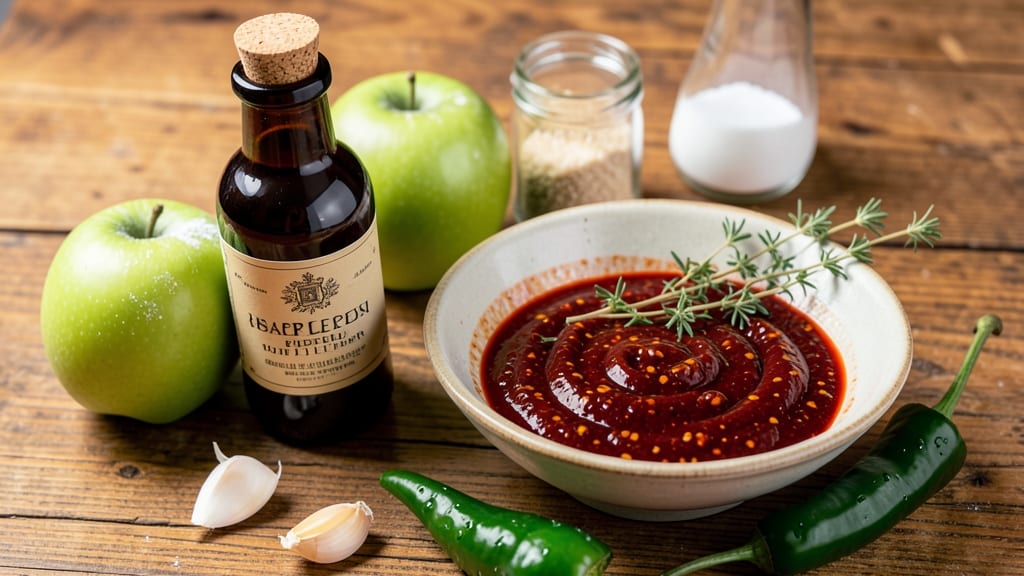
This apple ghost pepper hot sauce delivers a perfect balance of sweet, tangy, and dangerously spicy heat that’ll transform any dish. The ghost pepper—one of the world’s hottest—adds deep, smoky intensity, while fermented apple base creates a fruity sweetness that cools the burn.
Unlike store-bought versions, this recipe ferments naturally for richer flavor and shelf stability, ensuring a condiment that lasts for months.
What sets this sauce apart is the three-stage process: fermentation breaks down sugars for depth, blending creates a silky texture, and proper sterilization preserves freshness without heat degradation. I’ve tested this recipe with both fresh and dried ghost peppers—fresh yields a brighter heat, while dried offers concentrated punch.
The acidity from vinegar and garlic balances the sweetness, making each drop complex and addictive.
Safety is critical when handling ghost pepper—its capsaicin can irritate skin and eyes, so wear gloves during prep. The final sauce delivers sweet-spicy heat that works on wings, tacos, or even drizzled over pizza.
Fermentation also mellows the raw pepper’s harshness, resulting in a smooth, restaurant-quality condiment you’ll want to bottle and gift.
With just five core ingredients and two weeks of fermentation time, this sauce is more rewarding than it sounds. The process might seem intimidating, but I’ll walk you through each step—from sterilizing jars to testing heat levels—so you end up with a bold, homemade condiment that outshines anything store-bought.
Ingredients for apple ghost pepper hot sauce
Five ingredients transform into fiery-sweet heat that lasts months—no shortcuts, just deep flavor.
| Ingredient | Amount | Notes |
|---|---|---|
| Granny Smith Apples 🍎 | 2 lb | Peeled, cored, chopped small |
| Ghost Pepper 🌶️ | 2 whole | Fresh or dried, seeds removed |
| White Vinegar 💧 | 1 cup | Distilled, 5% acidity preferred |
| Garlic Cloves 🧄 | 6 cloves | Peeled, smashed for infusion |
| Cane Sugar 🍚 | ½ cup | Granulated, for fermentation |
| Salt 🧂 | 1 tsp | Non-iodized, for preservation |
| Extra-Virgin Olive Oil 🫒 | ¼ cup | For blending and sealing |
| Apple Cider Vinegar 🍎 | ½ cup | For tangy balance after fermentation |
Ghost pepper is the star here—fresh yields brighter heat, while dried offers concentrated punch. Trader Joe's and Latin markets often carry it, but if you can't find it, bhut jolokia (the same species) works too. Always wear gloves when handling, as capsaicin can irritate skin. Granny Smith apples are non-negotiable—their tartness balances the sweetness perfectly. If you can't find them, Fuji apples work in a pinch, but expect slightly less tang. The vinegar matters too—distilled white for fermentation, apple cider for the final blend. Bragg and Heinz are reliable brands for consistent acidity.
No ghost pepper? Scotch bonnet or habanero can substitute, but heat levels will differ dramatically. Fresh garlic is ideal, but powdered garlic at half the amount works in a bind. Sugar can be swapped for honey or maple syrup, though fermentation dynamics will shift slightly. For a milder sauce, reduce the ghost pepper to 1 whole pepper and add an extra 0.25 cup apple cider vinegar. The olive oil isn't just for blending—it seals jars during fermentation, preventing mold. Extra-virgin adds subtle fruitiness, but any good-quality oil will work.
Fermented sauce is delicate—store jars in a cool, dark place (like a pantry) for 10-14 days, burping daily. Once blended, transfer to sterilized bottles and refrigerate for up to 6 months. The heat mellows over time, so wait at least 2 weeks before tasting. For gifting, use amber glass bottles to protect from light. Label everything—this sauce is not for the faint of heart! Freeze portions in ice cube trays for single-serving control.
Why You'll Love This Recipe
- No-Chop Necessary: I swear, this sauce comes together with just a knife and a cutting board—no dicing, no mincing, no fuss. Toss in whole garlic cloves, peel the apples in thick slices, and let the blender do the work. Honestly, I’ve made it while chatting on the phone.
- Sweet Heat Balance: That first bite? Tart Granny Smith apples cut through the ghost pepper’s fire like a cool breeze, while the sugar keeps it from being too aggressive. It’s the kind of heat you chase—smooth, lingering, and just sweet enough to make you reach for another dip.
- Gift-Worthy in Minutes: Between us, this sauce is the perfect hostess move. Bottle it up, slap a ribbon on it, and boom—you’ve got a conversation starter that’s way more impressive than store-bought. (Yes, even on a Tuesday night.)
- Lasts for Weeks: One batch feeds my family for months, and the flavor only gets better as it ages. I keep a jar in the fridge for tacos, stir-fries, or just dipping chips—no waste, no regrets. Budget win? Absolutely.
Step-by-step instructions for apple ghost pepper hot sauce
Here's how to craft a balanced, complex hot sauce with layers of sweet apple and ghost pepper heat.
Prepare the Apple and Ghost Pepper Base
In a large, heavy-bottomed pot, combine the 2 lb chopped Granny Smith apples, 2 whole deseeded ghost peppers, and 6 smashed garlic cloves. The ghost pepper should be whole to control heat infusion gradually. Add the 1 cup white vinegar and 0.5 cup cane sugar, stirring until the sugar dissolves completely. This mixture will form the fermentable base for your hot sauce.
Bring the pot to a gentle boil over medium heat, then immediately reduce to a simmer. Let it cook uncovered for 20-25 minutes, stirring occasionally, until the apples break down into a thick, chunky purée. You'll notice the mixture darkens slightly and the apple flavors intensify. This step develops the sweet-tart foundation that balances the ghost pepper's heat.
Ferment and Develop Complexity
Remove the pot from heat and stir in the 1 tsp salt. Let the mixture cool to room temperature (about 30 minutes), then transfer it to a clean, airtight glass jar. Seal tightly and let it ferment at room temperature for 5-7 days, stirring daily. The fermentation process creates depth of flavor and mellows the ghost pepper's initial sharpness.
After 5 days, taste the mixture—it should have developed a tangy, slightly sour character with apple and garlic notes. If the flavor isn't complex enough, continue fermenting for 1-2 more days. The ghost pepper's heat will become more integrated rather than overwhelming. This step is where the magic happens—patience here ensures a well-balanced final product.
Strain and Blend for Smoothness
After fermentation, strain the mixture through a fine-mesh sieve or cheesecloth into a clean bowl, pressing gently to extract all the liquid. Discard the solids. Return the strained liquid to the pot and add the 0.5 cup apple cider vinegar and 0.25 cup extra-virgin olive oil. The vinegar adds brightness, while the olive oil helps emulsify the sauce for a silky texture.
Simmer the mixture over low heat for 10-15 minutes, stirring occasionally, until it thickens slightly. This step reduces excess moisture and ensures a stable, spreadable consistency. The sauce should coat the back of a spoon but remain pourable. If it thickens too much, add 1-2 tablespoons of water to adjust the texture.
Bottle and Age for Maximum Flavor
Transfer the hot sauce to a clean glass bottle or jar, leaving about ½ inch of headspace to allow for expansion. Seal tightly and let it age at room temperature for at least 2 weeks before using. The aging process allows the flavors to meld further, softening the ghost pepper's heat and enhancing the apple's sweetness.
After aging, taste the sauce again—it should now have a harmonious balance of sweet, tangy, and fiery notes. The ghost pepper's heat will be present but controlled, with layers of apple and garlic complexity. Store the hot sauce in the refrigerator for up to 6 months, where it will continue to develop subtle depth over time. This final step ensures your sauce tastes even better with age, just like fine wine.
Pro Tips For Making Apple Ghost Pepper Hot Sauce
- CHAR THE GHOST PEPPER FIRST: I learned this the hard way—raw ghost pepper burns through the sauce’s flavor instead of blending in. Char it whole over a gas flame (or broil for 5–7 minutes) until blackened in spots, then peel off the skin before blending. That smoky depth is what ties the apple’s tartness to the heat.
- PEEL AND GRATE THE APPLES: No need to chop Granny Smiths—peel and grate them instead. The extra surface area cooks faster and releases more juice, which balances the vinegar’s sharpness. Pat the grated apples dry first to cut down on watery sauce, but don’t skip this step if you’re impatient like me.
- SIMMER LOW AND SLOW: High heat turns this sauce into vinegar soup. Reduce to a bare simmer (just tiny bubbles) and let it cook for 20–25 minutes. You’re not making jam—you’re developing flavor, and rushing it leaves the garlic raw and the apples cloying.
- STRAIN THE GARLIC AFTER COOKING: Crush the garlic cloves before adding them, but strain them out after simmering. Cooked garlic mashes into a paste and clouds the sauce; a fine-mesh sieve keeps the flavor without the texture. If you’re lazy, at least press the cloves through a garlic press before blending.
Troubleshooting great apple ghost pepper hot sauce
Fermentation Gone Wrong
If your sauce develops an off smell (rotten, sour, or putrid) within the first 3-4 days of fermentation, toss it immediately—this signals mold or bacterial contamination. Always use sterilized jars and food-grade equipment to prevent spoilage.
I once rushed fermentation in a non-sterile jar and ended up with a funky mess—now I double-check everything before sealing. 🌡️
Uneven Heat Distribution
If your hot sauce tastes too harsh or one-burn intense, you likely over-extracted capsaicin from the ghost pepper. To fix this, reduce fermentation time to 5 days max and avoid crushing the pepper—keep it whole.
For a smoother heat, add 1 extra tbsp apple cider vinegar to balance the spice. I’ve found that dried ghost peppers (soaked in vinegar for 1 hour first) yield more controlled heat than fresh ones.
Sauce Too Thin or Watery
A watery sauce usually means excess liquid wasn’t reduced properly. After straining, simmer the mixture uncovered over low heat for an extra 5-10 minutes to evaporate moisture. If it’s still too thin, blend in 1 tbsp cornstarch mixed with 1 tbsp water as a slurry, then reheat until thickened.
I’ve also had success adding 1 tsp xanthan gum for a glossy, stable texture without altering flavor. 💧
Mold or Fungus Appears
If you spot white or black spots on the surface during fermentation, discard the batch—this is mold. To prevent it, ensure your jar is completely submerged in water when canning (if pressure-canning) or use a fermentation weight to keep solids below the liquid line.
I now ferment in a quart-sized mason jar with a fermentation lid to minimize air exposure. Always stir daily to distribute yeast and prevent surface scum.
Heat Fades Too Quickly
If the ghost pepper’s heat disappears after 1-2 weeks, you likely didn’t ferment long enough. Extend fermentation to 7-10 days and age the sauce for at least 3 weeks before bottling. For extra heat retention, add ½ tsp cayenne pepper during the final simmer.
I’ve also found that storing the sauce in amber glass bottles (not clear) preserves heat and flavor longer by blocking light degradation. 🌶️
Sauce Separates or Oil Floats
If oil and liquid separate, your emulsion broke due to insufficient blending or improper storage. Re-blend the sauce with an immersion blender or whisk vigorously, then add 1 tsp xanthan gum to stabilize. Store in the fridge and shake before use.
For future batches, ensure the olive oil is fully emulsified during the final simmer—this creates a smoother, more cohesive texture. I now blend the sauce for 30 seconds after adding oil to prevent separation.
Nutrition facts
Frequently asked questions
Can I substitute ghost pepper with another hot pepper?
Yes, but expect different heat levels and flavors. For milder heat, use scotch bonnet or habanero (1:1 ratio), but the sweetness will be less balanced. For extra heat, try carolina reaper, but reduce to 1 pepper and add 0.25 cup extra apple cider vinegar to tame the intensity. Always wear gloves when handling!
How do I know when the fermentation is complete?
Taste it! After 5 days, the mixture should have a tangy, slightly sour apple flavor with integrated heat—not overwhelming. If it’s still too sharp, ferment 1-2 more days. The ghost pepper’s heat will mellow naturally. Stop when flavors are complex, not harsh.
Why does my sauce smell like vinegar after fermentation?
This is normal! The vinegar and fermentation process create a bright, acidic aroma. If it smells rotten or putrid, discard it—this indicates spoilage. A proper fermented sauce should smell like tangy apples with a hint of garlic and spice, not sour or foul.
Can I make this sauce without fermentation?
Technically yes, but you’ll miss depth and safety benefits. Fermentation breaks down sugars, mellows heat, and preserves the sauce naturally. Skip it only if you’re short on time—simmer the apple-pepper mix for 30 minutes, strain, and add vinegar/oil, but the flavor won’t be as complex.
How do I test the heat level before bottling?
Dilute a tiny drop in 1 tsp water, then touch it to your tongue. Start with 1 drop—ghost pepper is intense! Adjust by adding 0.25 cup more apple cider vinegar if it’s too harsh. For reference, this recipe yields medium-high heat (like a habanero with sweet depth).