
Sauces & Condiments
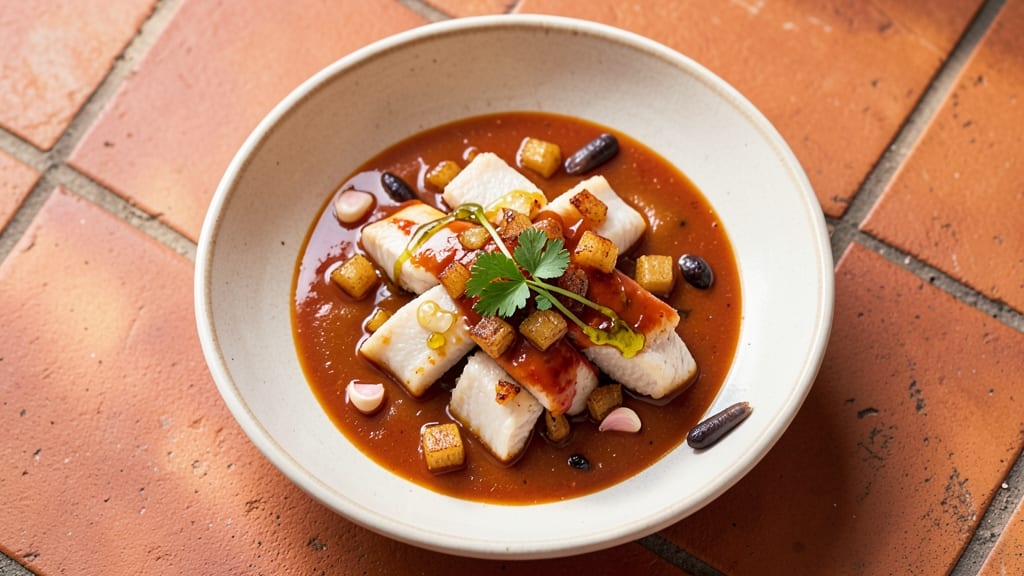
This baccala sauce recipe captures the bold, briny depth of Sicilian tradition, where salted cod meets sun-ripened tomatoes and garlic in a symphony of umami. The secret lies in slow-cooked onions and tomatoes, balanced by anchovies and herbs—creating a sauce that transforms simple dishes into something extraordinary.
What sets this apart is the patience required: letting flavors meld for hours until the sauce achieves that signature richness, where every spoonful tells a story of Mediterranean coasts and family kitchens.
The foundation of great baccala sauce begins with caramelizing onions until they're deep golden, then building layers of flavor with garlic, tomatoes, and anchovies. Olive oil serves as the bridge between ingredients, carrying their essence while preventing the sauce from becoming too heavy.
This isn't just a condiment—it's a flavor multiplier that elevates everything it touches, from creamy polenta to crispy fried potatoes, or even as a luxurious topping for eggs.
What makes this sauce truly special is its versatility and longevity. Once prepared, it keeps beautifully in the refrigerator for up to a week or can be frozen for months without losing its depth.
The key is allowing it to reduce naturally, intensifying its flavors until it reaches that perfect balance of saltiness, sweetness, and acidity. Each batch develops its own character, making it a sauce that improves with time and becomes the heart of any meal.
Whether you're serving it as a dip, a base for pasta, or a topping for grilled fish, this baccala sauce delivers restaurant-quality results with minimal effort. The process might require time, but the reward—a sauce that's rich, complex, and impossible to resist—is worth every minute.
Let's create something that tastes like a piece of Sicily on your table.
Ingredients for baccala sauce
Eleven ingredients transform into Sicily's most iconic sauce—rich, briny, and layered with tradition.
| Ingredient | Amount | Notes |
|---|---|---|
| Extra-Virgin Olive Oil 🫒 | ½ cup | High-quality, fruity variety |
| Yellow Onions 🧅 | 2 whole | Thinly sliced, caramelized slowly |
| Garlic Cloves 🧄 | 6 cloves | Peeled, minced for depth |
| Canned San Marzano Tomatoes 🍅 | 28 oz | Crushed by hand, seeds removed |
| Salted Cod (Baccala) 🐟 | 6 oz | Desalted overnight, flaked |
| Anchovy Fillets 🐟 | 4 whole | High-quality, rinsed clean |
| Dried Oregano 🍃 | 1 tsp | Mediterranean variety preferred |
| Red Pepper Flakes 🌶️ | ½ tsp | Adjust for heat preference |
| Fresh Basil Leaves 🌿 | ¼ cup | Chopped finely for freshness |
| Sea Salt 🧂 | 1 tsp | Diamond Crystal preferred |
| Black Pepper 🌶️ | ½ tsp | Freshly cracked for aroma |
The salted cod is the soul of this sauce, so desalting is non-negotiable. Soak the baccala in cold water for 24 hours, changing the water every 8 hours—this removes excess salt while preserving texture. Whole Foods or specialty Italian markets carry the best quality, often pre-cured and ready for immediate use. For anchovies, Colavita or Contadina brands deliver the most authentic flavor. The San Marzano tomatoes are worth seeking out; their sweetness balances the saltiness perfectly. If you can't find them, any high-quality canned tomatoes will work, but avoid those with added salt or preservatives.
No San Marzano tomatoes? Crushed Roma tomatoes are the next best choice—just be sure to remove all seeds and skin. Short on anchovies? Two tablespoons of anchovy paste provides the same umami punch, though fresh fillets create a more complex flavor. The dried oregano can be swapped for fresh at a 1:3 ratio, but Mediterranean oregano has a distinct, slightly citrusy note that's hard to replicate. For heat, red pepper flakes are ideal, but crushed dried chili peppers work in a pinch. The olive oil should be extra-virgin—anything less will make the sauce taste flat. If you're in a hurry, Trader Joe's carries excellent Italian olive oils at reasonable prices.
This sauce develops character over time, so patience is key. Store it in an airtight glass jar in the refrigerator for up to 1 week, or freeze for 3 months without losing quality. The flavors intensify as it sits, so it's even better the next day. For freezing, portion into ice cube trays—perfect for adding to dishes later. If the sauce thickens too much, simply whisk in a splash of water or broth. The salted cod flakes will dissolve slightly, enriching the sauce with their briny essence.
Why You'll Love This Recipe
- One-Pot Magic: I swear by this—just a deep skillet, a handful of onions, and the baccala soaking in warm water while I chop. No blenders, no straining, no mess. The tomatoes and garlic caramelize right into the fish’s salty depth, and suddenly, dinner’s done.
- Umami Bomb: That first bite? The baccala’s briny punch cuts through the sweetness of the San Marzano tomatoes like a knife through butter. Honestly, the smell alone—garlic sizzling in olive oil with onions—makes my kitchen feel like a trattoria.
- Weeknight & Weekend: Slap this on toasted bread for a lazy Sunday brunch, or toss it with pasta when you’re too tired to think. Between us, it’s my go-to for when friends drop by unannounced—I just crank the heat and let the sauce do the work.
- Budget Stretch: A single block of baccala lasts me weeks—soak it, save half for next time, and stretch the sauce over rice or polenta. I’ll be real: it’s the kind of recipe that makes grocery day less stressful, and leftovers? Even better the second day.
Step-by-step instructions for Sicilian tomato-anchovy sauce
This traditional Sicilian sauce delivers deep umami richness through careful layering of flavors.
Prepare the Baccala and Anchovies
Begin by desalting the 6 oz salted cod (baccala) if not already done. Place the fillets in a bowl of cold water and let them soak for 12-24 hours, changing the water every 4 hours. You'll know it's properly desalted when the water tastes neutral and the fish flakes easily with your fingers. Once ready, drain and flake the baccala into a bowl, discarding any skin or bones.
Rinse the 4 whole anchovy fillets under cold water to remove excess salt, then pat dry with paper towels. The anchovies will dissolve completely into the sauce, so there's no need to chop them. Set both the baccala flakes and anchovies aside for now—their salty depth will form the sauce's foundation.
Caramelize the Onions and Garlic
Heat the 0.5 cup extra-virgin olive oil in a heavy-bottomed saucepan over medium-low heat. Add the 2 whole yellow onions, sliced into ¼-inch rounds, and cook for 20-25 minutes without stirring until deeply caramelized with golden brown edges. This slow process develops sweetness that balances the sauce's saltiness.
When the onions are nearly finished, add the 6 cloves minced garlic and cook for another 1-2 minutes until fragrant but not browned. The garlic should infuse the onions without burning—watch carefully as it darkens quickly. Remove the pan from heat and set aside temporarily; you'll return to these aromatics once the tomatoes begin to cook.
Build the Tomato Base
In the same saucepan, add the 28 oz crushed San Marzano tomatoes (hand-crushed to remove seeds) along with 1 tsp sea salt, 1 tsp dried oregano, and 0.5 tsp red pepper flakes. Bring to a gentle simmer over medium heat and cook uncovered for 20-25 minutes until the sauce thickens slightly and the acidity mellows. Stir occasionally to prevent sticking.
Return the caramelized onions and garlic to the saucepan. Add the 4 rinsed anchovy fillets and 0.5 tsp freshly cracked black pepper, stirring to dissolve the anchovies completely. The sauce should now have a rich, briny depth with a vibrant red hue. Taste and adjust seasoning if needed—this is your flavor baseline before adding the baccala.
Incorporate the Baccala and Finish
Reduce the heat to low and gradually stir in the 6 oz flaked baccala over 5-7 minutes, allowing the fish to break down and absorb the tomato flavors. The sauce will thicken as the baccala releases its oils and proteins. Avoid rushing this step—the gentle heat prevents the fish from curdling while ensuring even distribution.
In the final 5 minutes of cooking, stir in the 0.25 cup chopped fresh basil leaves. Remove the sauce from heat and let it rest for 10 minutes to allow the flavors to meld completely. The basil should brighten the sauce's acidity, creating a harmonious balance between the salty, sweet, and umami elements.
Adjust and Serve
Taste the sauce one final time and adjust the seasoning if necessary. If it needs more acidity, add a splash of lemon juice or a pinch of sugar to balance the saltiness. For texture, you can finish with a drizzle of extra-virgin olive oil to create a silky sheen. This sauce pairs beautifully with pasta, crusty bread, or grilled fish—its complexity shines when served warm.
The key to this sauce lies in patience: the caramelization of onions, the slow dissolution of anchovies, and the gentle incorporation of baccala all require time. The result should be a sauce that's rich yet balanced, with layers of saltiness, sweetness, and herbal brightness—pure Sicilian comfort in every spoonful.
Pro Tips For Making Baccala Sauce
- SOAK THE BACCALA RIGHT: Don’t just dump it in water—soak the salted cod in cold water for 24 hours, changing it twice (morning and night). I learned this the hard way: skipping the second change leaves a lingering salt bite that ruins the sauce’s balance. Use a bowl big enough to move it around—no cramped corners where salt gets trapped.
- LOW AND SLOW WITH TOMATOES: Simmer the San Marzano tomatoes at barely a bubble for at least 45 minutes—no rushing. After burning three batches, I finally figured out that high heat turns the sauce bitter. Add a splash of water if it gets too thick, but keep that lid on to let the flavors melt together.
- CARAMELIZE ONIONS UNTIL GOLD: Walk away from the onions. They need 20-25 minutes over medium-low heat until deep amber, not just soft. I used to check every 5 minutes and ended up with pale, bland onions that didn’t carry the sauce’s depth. A wooden spoon stirred occasionally keeps them from sticking—no oil splatters to clean up.
- SKIP THE GARLIC BURN: Add minced garlic just before the tomatoes, not at the start. I was skeptical until I tried it—garlic burns fast and turns the sauce bitter. If you’re impatient like me, crush the cloves instead of mincing; they’ll release flavor without the risk of burning.
Serving suggestions for this dish
Pasta Pairings
This sauce transforms simple pasta into a Sicilian masterpiece. Toss it with orecchiette or rigatoni for maximum surface area to cling to the rich, briny sauce. I love serving it with al dente spaghetti, tossing in a handful of crispy fried potatoes at the end for texture contrast.
For a heartier option, try pappardelle—its wide noodles hold the sauce beautifully while soaking up every layer of flavor. 🍝
Grilled Fish
Baccala sauce elevates grilled fish like branzino or sea bass to restaurant quality. After cooking the fish to 145°F internal temperature, spoon the warm sauce over the top and garnish with fresh basil.
The sauce's saltiness complements the fish's natural sweetness perfectly. I also recommend serving it with roasted cherry tomatoes on the side to cut through the richness. 🐟
Polenta or Gnocchi
For a creamy alternative, serve this sauce over creamy polenta or potato gnocchi. The sauce's depth contrasts wonderfully with the soft, buttery texture of polenta. I often make a double batch—one portion for pasta and one for polenta—to use throughout the week.
Add a sprinkle of Parmigiano-Reggiano for extra richness when serving. 🥣
Bread Dipping
This sauce makes an incredible dip for crusty bread or focaccia. Toast a ciabatta roll until golden, then drizzle with warm sauce and a pinch of red pepper flakes.
The bread soaks up the sauce beautifully, creating a flavorful bite. I keep a small bowl of this on the table during dinner—it disappears quickly! 🍞
Egg Dishes
Take your scrambled eggs or shakshuka to the next level by adding a spoonful of this sauce. The briny depth enhances the eggs' richness without overpowering them. I like to fold the sauce into poached eggs at the end for a luxurious breakfast.
For shakshuka, stir it into the tomato base before adding the eggs. 🍳
Storage Tips
Store leftovers in an airtight glass container in the fridge for up to 1 week. The sauce actually improves as it sits, developing deeper flavors. For longer storage, freeze in ice cube trays—perfect for adding to dishes later.
When reheating, warm gently on the stove with a splash of water to restore its silky texture. ✨
Nutrition facts
Frequently asked questions
Why does baccala sauce need to be desalted first?
Salted cod (baccala) contains high levels of sodium that can overpower the sauce's delicate balance of flavors. Desalting removes excess salt while preserving texture, ensuring the final sauce has a rich, briny depth without being harsh. The 24-hour soaking process is crucial—rushing it leaves behind too much saltiness that no amount of tomato or anchovy can balance.
Can I substitute salted cod with another fish?
While you can use other salted or dried fish like salted mackerel or stockfish, baccala's unique texture and mild flavor are irreplaceable. The fish's natural oils and proteins create the sauce's signature richness. If you must substitute, look for a firm, salted white fish and follow the same desalting process—just expect slightly different results.
How do I know when the onions are properly caramelized?
The onions should turn deep golden brown with crisp edges and a sweet, almost jam-like consistency. They'll release their natural sugars and stick slightly to the pan. If they brown too quickly, reduce the heat—they need slow cooking to develop that caramelized depth that balances the sauce's saltiness.
What's the best way to store leftover baccala sauce?
Transfer the sauce to an airtight glass container and refrigerate for up to 1 week, or freeze in ice cube trays for 3 months. The flavors actually improve with time! When reheating, warm gently on low heat with a splash of water to restore its silky texture—never microwave directly from the fridge.
Can I make this sauce without anchovies?
Yes, but you'll lose the umami depth that anchovies provide. Replace them with 2 tablespoons anchovy paste or 1 teaspoon fish sauce for a similar salty-sweet profile. For a vegetarian version, try 1 tablespoon soy sauce plus ½ teaspoon miso paste, though the flavor will differ slightly from the traditional recipe.