
Sauces & Condiments
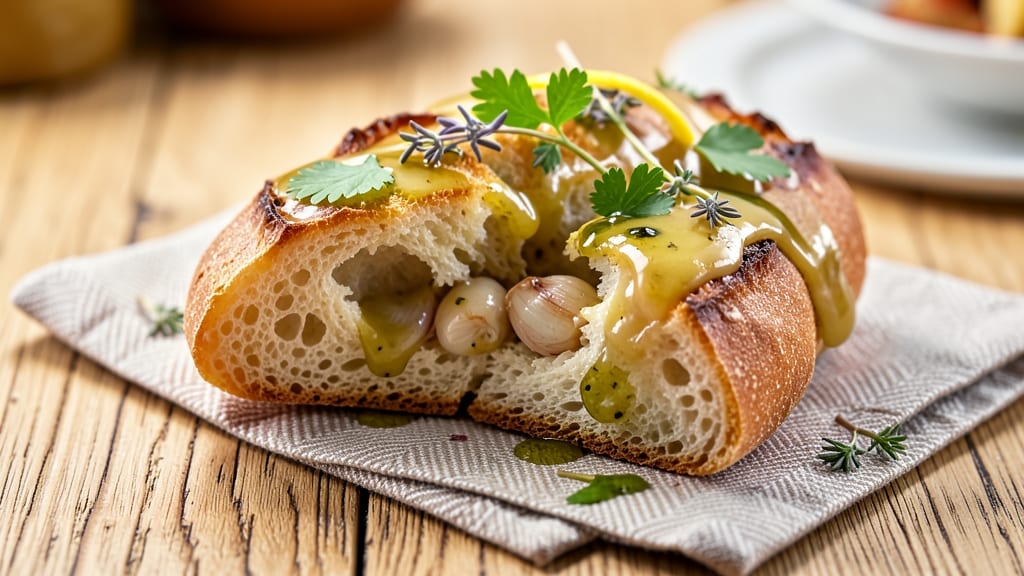
This Baguette De France garlic sauce recipe transforms simple ingredients into a velvety, herb-infused condiment that elevates everything from crusty bread to grilled meats. The secret lies in slow-cooked garlic and fresh herbs, creating a rich, aromatic base that’s both comforting and versatile.
Unlike store-bought versions, this sauce builds depth through proper technique—melting butter with garlic until fragrant, then balancing it with a touch of acidity for brightness.
What sets this garlic sauce apart is its foolproof simplicity—just five core ingredients come together in 15 minutes with minimal effort. The result? A sauce that’s creamy yet light, with layers of garlic sweetness and herbal freshness that cling to every bite.
It’s the perfect partner for fresh baguettes, but also works as a marinade, drizzle, or dip for roasted vegetables and meats.
The beauty of this recipe is its adaptability. Use it as a bold dipping sauce for warm bread, a flavorful drizzle over grilled chicken, or even a base for pasta. The sauce keeps well in the refrigerator for up to 5 days, making it ideal for meal prep.
Whether you’re hosting a dinner party or simply craving a taste of France, this garlic sauce delivers restaurant-quality richness at home.
No special equipment is needed—just a saucepan and a whisk. The instructions guide you through each step to ensure a smooth, lump-free texture every time. Ready to transform your meals with this herb-infused garlic sauce? Let’s get started.
Ingredients for baguette de france garlic sauce
Five core ingredients create this velvety garlic sauce with restaurant-quality depth.
| Ingredient | Amount | Notes |
|---|---|---|
| Unsalted Butter 🧈 | ¾ cup | Cold, cubed for even melting |
| Garlic Cloves 🧄 | 12 whole | Peeled, thinly sliced for even cooking |
| Fresh Parsley 🌿 | ½ cup | Finely chopped, stems included |
| Fresh Thyme Leaves 🌿 | 2 tbsp | From 1 sprig, finely chopped |
| Extra-Virgin Olive Oil 🫒 | ¼ cup | For richness and balance |
| Lemon Juice 🍋 | 1 tbsp | Freshly squeezed for brightness |
| Diamond Crystal Kosher Salt 🧂 | ½ tsp | Adjust to taste after blending |
| Freshly Ground Black Pepper 🌶️ | ¼ tsp | Lightly cracked for subtle heat |
The butter and garlic form the sauce's aromatic foundation. Use European-style butter (like Plugrá or Bergère) for higher fat content and richer flavor—it melts more smoothly and creates a silkier texture. For garlic, peel and slice the cloves thinly (about 1/16-inch thick) to ensure even cooking without burning. Freshness matters here: if your garlic smells pungent or sprouts, it’ll overpower the sauce. Whole Foods or local farmers markets often carry the freshest bulbs. The herbs should be vibrant—wilting parsley or graying thyme means compromised flavor. Store fresh herbs in a jar of water in the fridge to preserve their brightness.
Substitutions are possible but require adjustments. No fresh parsley? Use 1 tbsp dried parsley (but expect less vibrant color). Short on butter? Replace up to 2 tbsp with extra-virgin olive oil (reduce olive oil by 2 tbsp if substituting). Garlic powder won’t replicate the depth—if you must use it, 1 tsp powdered equals 3 cloves, but the texture will differ. Lemon juice can be swapped for white wine vinegar (use same amount), though the sauce will have a slightly sharper tang. Salt preferences vary: Diamond Crystal measures differently than Morton’s—if using Morton’s, reduce to 1/4 tsp. For a nut-free version, omit olive oil entirely and increase butter to 1 cup.
This sauce achieves peak flavor after 24 hours of resting in the fridge—the garlic mellows and flavors meld. Store in an airtight glass jar with a layer of olive oil on top to preserve freshness for up to 5 days. For longer storage, freeze in ice cube trays—each cube makes a perfect single-serving portion. Reheat gently in a saucepan over low heat, stirring occasionally. Avoid microwaving—it can separate the emulsion. The sauce thickens as it cools, so add a splash of warm water if it becomes too stiff. Portion into small containers for meal prep: it’s perfect for drizzling over grilled meats or roasted vegetables all week.
Why You'll Love This Recipe
- No-Chop Nightmare: I swear by this sauce because it only asks for two things: mincing garlic (which takes all of 90 seconds) and tearing thyme leaves (which my kids do while I pretend to supervise). The parsley comes in last for garnish—no finicky chopping, just a quick snip if you’re feeling fancy.
- Butter-Garlic Magic: That moment when you pull a warm baguette from the oven, slather it with this sauce, and the garlic melts into the crust? It’s like a hug for your taste buds. The olive oil keeps it from being too heavy, while the thyme adds this earthy whisper that makes it taste like you spent hours in a Parisian kitchen.
- Weeknight Superstar: This sauce is my secret weapon for lazy Tuesdays, game-day snacks, or when I’m too tired to plan dinner. Drizzle it over roasted veggies, toss it with pasta, or just eat it straight from the spoon—it’s that good. Honestly, I’ve used it on everything from grilled chicken to mashed potatoes, and it never lets me down.
- Leftovers That Lie: Between us, I make this sauce way more than I need because it keeps for days in the fridge. The flavors actually deepen, so the second batch tastes even richer. And if you freeze it? It thaws into a creamy, fragrant dream—no texture loss, just pure garlic-butter bliss. Budget-friendly? Absolutely. Wasteful? Only if you don’t share.
Step-by-step instructions for herb-infused garlic sauce
Transform simple ingredients into a velvety, aromatic sauce perfect for dipping or drizzling.
Slow-Cook the Garlic in Butter
In a medium saucepan, melt the 0.75 cup unsalted butter over low heat until fully liquid but not browned. Add the 12 whole peeled garlic cloves and stir gently to coat them in the butter. Here's the thing—you want the garlic to infuse without browning. Cook for 8-10 minutes, stirring occasionally, until the garlic is soft and golden around the edges but not crispy.
Watch the pan carefully—the moment the garlic starts to turn golden, it releases its sweet, nutty flavor. If it browns, the sauce will develop a bitter edge. Remove from heat immediately when the garlic is tender, leaving the butter-garlic mixture in the pan for now. This slow cooking ensures deep flavor without bitterness.
Add Olive Oil and Herbs
Return the pan to low heat and add the 0.25 cup extra-virgin olive oil. Stir to combine, then sprinkle in the 0.5 cup finely chopped fresh parsley and 2 tbsp finely chopped fresh thyme leaves. Let the mixture simmer gently for 3-4 minutes, allowing the herbs to soften slightly and release their aromatic oils.
The olive oil here adds richness and helps balance the intensity of the garlic. Don't let the mixture get too hot—you're aiming for a gentle infusion, not a sizzle. Stir occasionally to prevent the herbs from sticking to the bottom of the pan.
Finish with Lemon and Seasonings
Remove the pan from heat and stir in the 1 tbsp freshly squeezed lemon juice, 0.5 tsp diamond crystal kosher salt, and 0.25 tsp freshly ground black pepper. Let the sauce sit off the heat for 2-3 minutes to allow the flavors to meld. Taste and adjust the seasoning—you may need a touch more salt or lemon depending on your preference.
The lemon juice brightens the sauce, cutting through the richness of the butter and garlic. This is where the sauce comes together—don't rush this step. The flavors need time to harmonize, so let it rest before proceeding.
Blend to Perfection
Using an immersion blender, carefully blend the sauce directly in the pan until completely smooth. If you prefer a chunkier texture, use a regular blender and transfer the sauce in batches. Strain through a fine-mesh sieve if you want an ultra-smooth consistency, pressing gently on the solids to extract every bit of flavor.
This sauce should be velvety and glossy, with a rich golden hue. If it's too thick, thin it with a splash of warm water or additional olive oil. The texture should coat the back of a spoon but still flow easily. Serve immediately or store in an airtight container in the refrigerator for up to 5 days.
Pro Tips For Making Baguette De France Garlic Sauce
- Crush the Garlic Properly: Don’t just chop those cloves—slam them with the flat side of your knife first. This breaks down the cells and releases more flavor instantly. I used to mince them finely, but now I leave them slightly chunky for texture, and it makes a real difference when the butter melts into them.
- Use Cold Butter at First: Start with cold unsalted butter in your pan, even if the recipe doesn’t say so. Let it melt slowly over medium heat—this prevents burning and gives the garlic time to soften without turning bitter. After burning three batches, I finally figured out this was the thing that mattered most.
- Skip the Crowding: If you’re making this for more than one baguette, resist the urge to dump all the garlic and herbs in at once. Cook them in batches—overcrowding steams the garlic instead of browning it, and you’ll end up with a dull, watery sauce. Works every time.
- Toast the Thyme Leaves: Tear the thyme leaves off the stems and give them a quick 10-second toast in the same pan before adding the garlic. The aroma alone changes the outcome—it deepens the herbal notes without overpowering. Sounds weird, but it works.
Regional styles of this baguette de france garlic sauce
Classic French Style
In France, this garlic sauce is traditionally served as an aïoli—a rustic condiment paired with warm baguettes. The original version from Provence uses garlic, olive oil, and sometimes egg yolks for a thicker consistency.
For an authentic touch, replace the butter with extra-virgin olive oil (increase to 1 cup) and add 2 egg yolks at the end, whisking until emulsified. This creates a mayonnaise-like texture perfect for dipping. 🥖
Italian Twist
Southern Italy takes this sauce in a different direction by adding fresh basil (replace thyme with 2 tbsp chopped basil) and a pinch of red pepper flakes. The result is a bright, herbaceous sauce that pairs beautifully with grilled meats or crusty bread.
For extra depth, stir in 1 tsp minced shallot with the garlic. The acidity from lemon juice becomes even more pronounced, balancing the richness of the butter.
Spanish Aioli
Spain’s allioli is a thicker, more robust version of this sauce, often served with seafood. To adapt this recipe, blend in 1 tbsp smoked paprika and 1 tsp saffron threads (steeped in 2 tbsp warm water for 5 minutes).
The saffron adds a luxurious golden hue and floral notes, while the paprika introduces a subtle smokiness. For serving, drizzle over grilled shrimp or paella for an authentic touch.
Modern Fusion
For a contemporary take, blend in 1 tbsp Dijon mustard and 1 tsp honey to create a sweet-heat balance. This version works wonderfully as a marinade for grilled chicken or as a dip for vegetable sticks.
The mustard adds tanginess, while the honey mellows the garlic’s sharpness. Garnish with toasted breadcrumbs for added texture before serving.
Herb Variations
Experiment with different herb combinations to customize the flavor. Swap thyme for rosemary (use 1 tbsp finely chopped) for a piney, earthy note, or try tarragon (replace parsley with 0.5 cup chopped tarragon) for a slightly sweet, anise-like aroma.
For a Mediterranean flair, add 1 tsp dried oregano and 1 minced garlic clove to the blend. Each variation keeps the sauce’s creamy base while introducing unique regional flavors.
Nutrition facts
Frequently asked questions
Can I make this garlic sauce without fresh herbs?
Yes, but the flavor will be less vibrant. Replace fresh parsley with 1 tbsp dried parsley and thyme with 1 tsp dried thyme. For best results, toast the dried herbs in a dry pan for 30 seconds to enhance their aroma before adding to the sauce. The texture will be slightly less fresh, but it still works in a pinch!
How do I adjust the garlic flavor if it's too strong?
Balance overpowering garlic with more lemon juice (1-2 extra tbsp) or a splash of warm water to thin the sauce. For a milder taste, add 1 tsp honey or maple syrup to mellow the sharpness. If the garlic burned during cooking, strain out the solids for a smoother result.
Can I use this sauce as a marinade for meats?
This sauce makes an excellent marinade for chicken, pork, or fish. For best results, reserve 2 tbsp of the finished sauce to use as a drizzle after cooking. Marinate proteins for 30 minutes (chicken) to 2 hours (red meat) in the fridge. The sauce adds incredible flavor while keeping meats moist during grilling or roasting.
Why did my garlic sauce separate when I reheated it?
This happens when the emulsion breaks due to rapid temperature changes. To fix it, whisk in 1 tsp cold water or olive oil while reheating over low heat. For prevention, always reheat gently and stir constantly. The sauce should be warm but never brought to a boil—keep it under 160°F to maintain its creamy texture.
What's the best way to serve this with a baguette?
Slice the baguette into 1-inch thick pieces and warm them in the oven at 350°F for 5-7 minutes until crispy. Serve the garlic sauce warm in a small bowl for dipping, or drizzle it generously over the warm bread. For extra flair, sprinkle with flaky sea salt and serve with a side of roasted vegetables or charcuterie.