
Sauces & Condiments
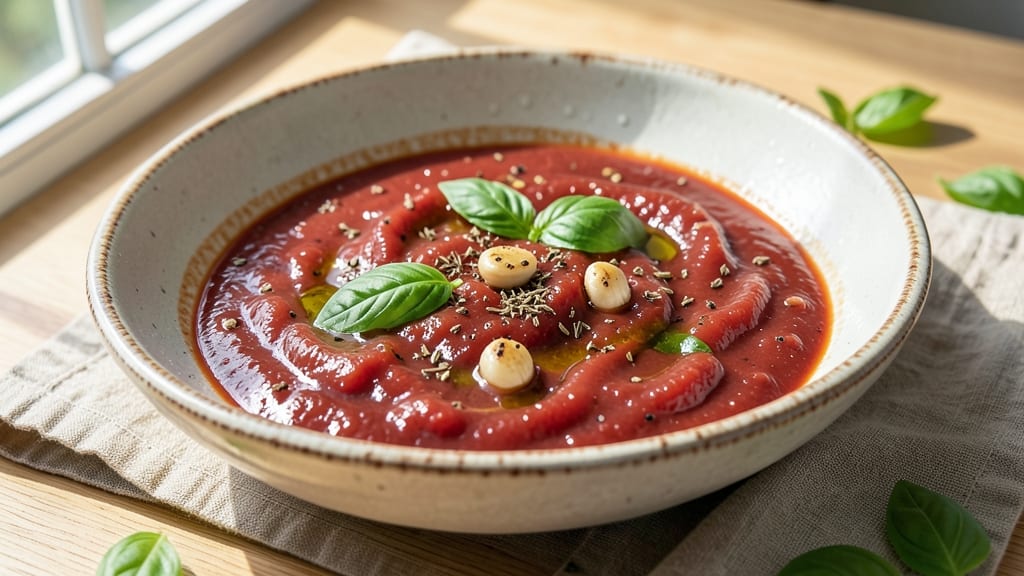
This Anthony's spaghetti sauce recipe delivers the deep, slow-simmered tomato flavor and aromatic herbs that make homemade sauce worth every minute. The key lies in balancing crushed tomatoes, garlic, and fresh basil while letting the sauce develop rich complexity over time—no shortcuts here.
What sets this apart is the careful blend of sweetness from tomato paste and sugar, which enhances the natural acidity of the tomatoes without overpowering the dish.
Professional results start with a proper simmer—low and slow for at least 90 minutes—allowing flavors to meld into a velvety, slightly thickened sauce.
The herbs (basil, oregano, thyme) are added at the right moment to preserve their brightness, while optional ground beef adds depth for those who prefer a meatier version. This isn’t just sauce; it’s the foundation of a meal that tastes like it’s been simmering all day.
The finished sauce should coat the back of a spoon with a glossy sheen, offering a perfect balance of sweetness, acidity, and herbal notes. It thickens naturally as it reduces, creating that ideal consistency for tossing with al dente pasta or slathering over meatballs.
The best part? It tastes even better the next day, making it ideal for meal prep and leftovers that don’t disappoint.
Store it in the fridge for up to 5 days or freeze for months—no waste, all flavor. Whether you’re feeding a family or prepping for the week, this sauce delivers restaurant-quality depth with simple, reliable techniques. Let’s get simmering.
Ingredients for anthony's spaghetti sauce
Tomatoes, garlic, herbs, and time create restaurant-quality spaghetti sauce at home.
| Ingredient | Amount | Notes |
|---|---|---|
| Crushed Tomatoes (46 oz can) 🍅 | 1 can | San Marzano preferred for sweetness |
| Tomato Paste 🍅 | 1 tbsp | Use squeeze tube for precision |
| Garlic Cloves 🧄 | 4 cloves | Freshly minced for best flavor |
| Fresh Basil Leaves 🌿 | ½ cup | Packed, stems removed |
| Dried Oregano 🍃 | 1 tsp | Mexican oregano preferred |
| Dried Thyme 🌿 | ½ tsp | Or 1 tsp fresh thyme |
| Granulated Sugar 🍚 | 1 tbsp | Balances acidity naturally |
| Red Wine (optional) 🍷 | ¼ cup | Dry red like Cabernet |
| Ground Beef (optional) 🥩 | ½ lb | 80/20 fat ratio preferred |
| Extra-Virgin Olive Oil 🫒 | 2 tbsp | For sautéing garlic |
| Salt 🧂 | 1 ½ tsp | Diamond Crystal preferred |
| Black Pepper 🌶️ | ½ tsp | Freshly ground |
The tomatoes are the foundation. San Marzano cans from Trader Joe's or Whole Foods deliver the sweetest flavor, but any high-quality crushed tomatoes work. Fresh basil is non-negotiable—farmers market bunches have the best aroma, but grocery store containers are fine if you use them within a week. The tomato paste? Rao's squeeze tubes are perfect for this recipe—no waste, and they keep for months. For the garlic, peel and mince right before adding to prevent bitterness. If you're using ground beef, 80/20 fat ratio from the butcher section gives the best texture and flavor.
No red wine? Substitute 1/4 cup beef broth—it adds depth without alcohol. Fresh thyme unavailable? Dried works at half the amount, but toasting it in the olive oil first makes a difference. The sugar balances the tomatoes' acidity—skip it only if your tomatoes are naturally sweet. For a meatier version without beef, mushrooms or lentils work well. The olive oil should be extra-virgin—cheap oil will make the sauce taste flat. And if you're short on time, pre-minced garlic from a jar is better than skipping it entirely.
This sauce improves with time—make a double batch and freeze half for later. Store fresh in the fridge for 5 days in an airtight container, or freeze for up to 3 months. For freezing, portion into ice cube trays for easy single-use servings. Reheat gently on the stove, stirring occasionally. The sauce will thicken as it cools, so add a splash of water or broth if it's too stiff after reheating. Leftovers taste even better the next day—proof that slow simmering pays off.
Why You'll Love This Recipe
- No-Fuss Pantry Staples: I swear by this sauce because it only asks for things I already have—no fancy shopping trips. That 46 oz can of crushed tomatoes? It’s my secret weapon for cutting prep time in half.
- Garlic-Basil Magic: The moment I toss in those minced garlic cloves and fresh basil leaves, the whole kitchen smells like a Sunday dinner. It’s that simple, yet it tastes like I spent hours simmering.
- Doubles as Meal Prep: Between us, this sauce keeps for weeks in the fridge, and it only gets better with time. I freeze half the batch for lazy Mondays—just reheat and serve.
- Budget That Won’t Break You: A single can of tomatoes, a jar of paste, and a handful of herbs stretch to feed four with leftovers. Honestly, it’s the kind of recipe that makes me feel like a cooking genius without spending extra.
Step-by-step instructions for Anthony's spaghetti sauce recipe
This method delivers restaurant-quality depth through slow simmering and proper layering of flavors.
Sauté Aromatics Until Fragrant
Heat the 2 tablespoons extra-virgin olive oil in a large Dutch oven or heavy pot over medium heat. Add the 4 cloves minced garlic cloves and cook for 1-2 minutes until golden and fragrant—not browned. You'll know it's ready when the kitchen smells rich and aromatic.
If using the 0.5 lb ground beef, push the garlic to one side of the pot and add the beef. Cook for 5-6 minutes, breaking it apart with a wooden spoon until no longer pink. Drain any excess fat if needed, but leave about 1 tablespoon to add flavor. This step builds the sauce's foundation—don't rush it.
Build the Tomato Base
Reduce heat to medium-low and stir in the 1 tablespoon tomato paste. Cook for 1 minute until it darkens slightly and loses its raw taste. This paste thickens the sauce and deepens the tomato flavor.
Pour in the 1 can crushed tomatoes (about 46 ounces) and the 0.25 cup red wine (if using). Stir well to combine. The wine adds brightness, but if omitted, simply add 0.25 cup water instead. Bring the mixture to a gentle simmer, then reduce heat to low. This slow cook is where the magic happens.
Simmer and Season
Add the 1.5 teaspoons salt, 0.5 teaspoon black pepper, 1 teaspoon dried oregano, 0.5 teaspoon dried thyme, and 1 tablespoon granulated sugar. Stir to distribute evenly. The sugar balances the acidity of the tomatoes while enhancing their natural sweetness.
Cover the pot and let the sauce simmer unattended for 45-60 minutes, stirring occasionally. The sauce should reduce slightly, becoming thicker and more concentrated. Taste after 30 minutes—if it needs more seasoning, adjust with salt or pepper. This slow cook develops the sauce's depth and complexity.
Finish with Fresh Herbs
After simmering, remove the pot from heat. Stir in the 0.5 cup fresh basil leaves, stems removed. The basil adds brightness and freshness that dried herbs can't replicate. Let the sauce sit covered for 10 minutes to allow the flavors to meld.
Taste again and adjust seasoning if needed. The sauce should be rich, slightly sweet, and well-balanced with acidity and herbs. For the best texture, stir in 1-2 tablespoons of pasta water if the sauce is too thick. Serve immediately over al dente spaghetti or store in an airtight container for up to 5 days in the refrigerator.
Pro Tips For Making Anthony'S Spaghetti Sauce
- Sear the Garlic First: Don’t just toss raw garlic into the pot—sauté it in olive oil over medium heat until it’s golden and smells like a garlic festival. I learned this the hard way: skipping this step leaves your sauce tasting flat and underdeveloped, no matter how much basil you add later.
- Deglaze with a Splash of Water: After browning your garlic (if using), add a splash of water or white wine to scrape up those stuck-on bits. It’s the difference between a sauce that’s just okay and one that’s rich and layered—no one wants to miss out on those flavor pockets.
- Simmer Low and Slow: This isn’t a race. Let the sauce bubble gently for at least 45 minutes, stirring occasionally, so the flavors meld. Rushing it means a one-note tomato dish instead of a deep, complex sauce that tastes even better the next day.
- Toast the Oregano: Before adding dried oregano, warm it in the pot for 30 seconds—just until it smells fragrant. My grandmother swore by this, and she was right: it intensifies the flavor without bitterness, making the basil’s freshness pop even more.
Common mistakes when making your anthony's spaghetti sauce
Rushing the Simmer
One of the biggest mistakes is cranking up the heat to speed things along. Your sauce needs low and slow simmering—at least 90 minutes—to develop that deep, complex flavor.
High heat causes the tomatoes to break down too quickly, resulting in a thin, watery sauce that lacks the rich body you want. I’ve learned the hard way: patience pays off with a velvety texture and layers of flavor that rushed cooking can’t replicate. 🔥
Skipping the Tomato Paste
Some recipes omit tomato paste, but I strongly recommend including the 1 tablespoon—it’s the secret to thickening and deepening the sauce. Without it, your sauce might end up too thin or lack that concentrated tomato flavor.
Cook the paste for 1 minute until it darkens slightly before adding the crushed tomatoes. This step is non-negotiable for that restaurant-quality texture.
Adding Herbs Too Early
Fresh basil and other herbs should be added at the very end of cooking. If you toss them in too soon, they’ll turn bitter and lose their bright, fresh flavor. The same goes for fresh thyme or parsley.
Save them for the final 10 minutes of simmering or stir them in right after removing the pot from heat. This keeps their aroma and taste vibrant. 🌿
Ignoring the Sugar
The 1 tablespoon of sugar isn’t just for sweetness—it balances the acidity of the tomatoes, creating a well-rounded flavor. Skipping it can leave your sauce tasting sharp or tart. If your tomatoes are particularly sweet, you might reduce it to ½ tablespoon, but don’t skip it entirely.
The sugar also helps caramelize the tomatoes slightly, adding depth to the sauce.
Overcrowding the Pot
If you’re using ground beef, make sure not to overfill your pot. A large Dutch oven or heavy pot is ideal, but if your sauce gets too crowded, it can steam instead of simmer, leading to a thinner consistency.
Keep the sauce at about half capacity to allow it to reduce properly. This ensures a thicker, more concentrated sauce with better flavor development.
Not Tasting as You Go
Many home cooks forget to taste their sauce during the simmering process. I can’t stress enough how important it is to check the seasoning after 30 minutes and adjust as needed.
The flavors evolve as the sauce cooks, so what might taste perfect at first could need a pinch more salt or a splash of acidity later. Keep a small bowl of pasta water nearby—it’s great for thinning the sauce if it gets too thick at the end.
Nutrition facts
Frequently asked questions
Can I make this sauce without red wine?
Simply substitute 0.25 cup beef broth for the red wine—it adds depth without alcohol. The sauce will still develop rich flavor through the slow simmering process. For extra umami, add 1 teaspoon Worcestershire sauce along with the broth.
How do I adjust the thickness of the sauce?
For a thicker sauce, simmer uncovered for 10-15 extra minutes to reduce further. If it gets too stiff, stir in 1-2 tablespoons pasta water or broth. The ideal consistency coats the back of a spoon but remains pourable. Never force thickening with flour—it alters the authentic tomato flavor.
Can I use canned tomatoes instead of crushed?
Yes, but with one key adjustment: crush the tomatoes by hand first to mimic the texture of crushed tomatoes. This releases more flavor and prevents a watery sauce. If using whole canned tomatoes, break them up with your hands or a wooden spoon before adding to the pot. The skin and seeds add body to the sauce.
What's the best way to store leftovers?
Transfer cooled sauce to an airtight container and refrigerate for up to 5 days. For longer storage, freeze in portions—individual ice cube trays work perfectly for single servings. Thaw overnight in the fridge, then reheat gently on low heat, stirring occasionally. The sauce may thicken further upon reheating, so add water or broth as needed.
Why does my sauce taste too acidic?
This usually happens when tomatoes are particularly tart or if the sauce hasn't simmered long enough. Balance acidity by adding ½ teaspoon more sugar or a pinch of baking soda (just ⅛ teaspoon—it neutralizes acidity without altering flavor). For future batches, use slightly sweeter tomatoes like San Marzano and extend simmering time to 90 minutes.