
Sauces & Condiments
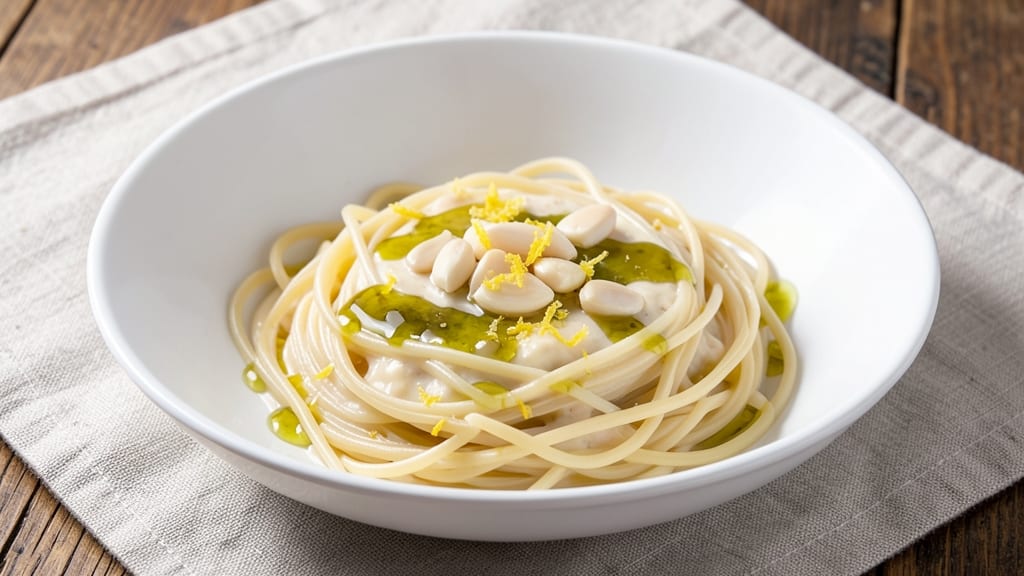
This angel hair pasta sauce recipe transforms simple ingredients into a bright, garlicky oil sauce that clings perfectly to delicate strands. The secret lies in balancing olive oil's richness with lemon zest's sharpness, creating a sauce that's light yet deeply flavorful—ideal for summer dinners when heavy creams feel too indulgent.
I developed this after craving a dish that felt fresh yet satisfying, and it became my go-to for quick, elegant meals.
The technique is straightforward but precise: toast garlic in olive oil until fragrant but not browned, then finish with lemon zest and a splash of pasta water to emulsify. This method ensures the sauce stays silky without thickening agents, letting the natural flavors shine.
Angel hair pasta cooks in just 8 minutes, so timing is everything—start the sauce while the water heats to avoid overcooking.
What you'll end up with is al dente angel hair tossed in a vibrant, aromatic sauce that's bright enough to stand alone but rich enough to complement any protein. The lemon zest adds a refreshing pop, while the garlic infuses depth without overpowering.
This dish is elegant enough for company but simple enough for weeknights—proof that great meals don't require complicated techniques.
Garnish with fresh basil or red pepper flakes for added color and heat, or finish with grated parmesan for a touch of saltiness. Serve immediately for the best texture, or assemble ahead and reheat gently to maintain that silky sauce consistency. Here's how to make it perfectly every time.
Ingredients for angel hair pasta sauce
Simple ingredients for a sauce that’s light yet deeply flavorful—perfect for summer dinners.
| Ingredient | Amount | Notes |
|---|---|---|
| Extra-Virgin Olive Oil 🫒 | ½ cup | High-quality, fruity variety |
| Fresh Garlic Cloves 🧄 | 4 cloves | Minced finely for even distribution |
| Lemon Zest 🍋 | 1 tbsp | From 1 large organic lemon |
| Fresh Lemon Juice 🍋 | 1 tbsp | Freshly squeezed |
| Angel Hair Pasta 🍝 | 8 oz | High-quality, dried strands |
| Salt 🧂 | 1 ½ tsp | Fine sea salt, to taste |
| Fresh Basil Leaves 🌿 | ¼ cup | Chopped, for garnish |
| Red Pepper Flakes 🌶️ | ½ tsp | Adjust to taste for heat |
| Parmesan Cheese 🧀 | ¼ cup | Freshly grated, optional |
| Pasta Water 💧 | ½ cup | Reserved from cooking pasta |
The olive oil is the foundation here—look for extra-virgin with a fruity, peppery finish at stores like Whole Foods or Trader Joe's. Garlic should be fresh, with no green sprouts, and minced finely for even flavor distribution. Lemon zest is key for brightness, so use organic lemons when possible—their thicker skins yield more zest. The pasta water acts as an emulsifier, so don’t drain it completely; reserve about 0.5 cup to blend into the sauce for silkiness.
No fresh basil? Dried basil at half the amount works in a pinch, though it lacks the freshness. Running short on lemon? Lime zest or orange zest can substitute, though the flavor shifts slightly. For a dairy-free option, skip the Parmesan or use nutritional yeast for a cheesy note. The red pepper flakes can be omitted entirely if you prefer no heat, but they add a nice contrast to the bright lemon. If your olive oil is mild, toast the garlic in a separate pan first to deepen its flavor before adding to the oil.
This sauce is best served immediately, but if you must prep ahead, keep the sauce and pasta separate. Reheat the pasta in fresh water, then toss with the sauce—adding a splash of pasta water as needed to loosen. The sauce keeps for 2 days in the fridge if stored in an airtight container, though it’s best within the first 24 hours. For garnish, fresh basil or red pepper flakes add color and freshness, while Parmesan brings a salty finish. Serve with grilled shrimp or roasted vegetables for a complete meal.
Why You'll Love This Recipe
- No-Chop Nightmare: I swear, this sauce only needs two ingredients to prep—garlic and lemon—and even those are just minced, not diced. The rest? Just toss everything in one pot while you stir. (Yes, even on a Tuesday night.)
- Bright, Buttery Magic: That first hit of olive oil and garlic sizzling? Pure bliss. Then the lemon zest and juice cut through with this perfect tangy brightness—like sunshine in a bowl. Honestly, it’s the kind of flavor that makes you pause mid-bite.
- Lunch or Dinner: Make it for a quick weeknight dinner, but it’s also my go-to for meal prep. The sauce clings to angel hair like a dream, and it reheats beautifully—whether you’re packing leftovers or serving it cold with grilled fish.
- Budget Bingo: Olive oil, garlic, and lemons? Check. Angel hair pasta? Always affordable. This recipe costs me pennies per serving, but it tastes like I spent hours in the kitchen. (Between us, I’ve never missed the fancy ingredients.)
Step-by-step instructions for angel hair pasta with garlicky lemon oil
This sauce delivers bright, aromatic simplicity with just a few key ingredients.
Cook the Angel Hair Pasta to Al Dente Perfection
Bring a large pot of water to a rolling boil and add the 8 oz angel hair pasta along with 1.5 tsp salt. Stir immediately to prevent sticking. Cook for 8-10 minutes until the pasta is al dente—you should be able to pierce it with a fork but still have a slight resistance. The strands should float to the surface when done.
Reserve 0.5 cup pasta water before draining, as this starchy liquid is essential for emulsifying the sauce later. Drain the pasta in a colander and return it to the pot, shaking gently to break up any clumps. Keep the pot warm over low heat while you prepare the sauce.
Infuse the Olive Oil with Garlic and Lemon
In a small saucepan, heat the 0.5 cup extra-virgin olive oil over low heat. Add the 4 cloves minced fresh garlic cloves and cook for 1-2 minutes until the garlic is fragrant but not browned—this prevents bitterness. Immediately remove the pan from heat and stir in the 1 tbsp lemon zest and 1 tbsp fresh lemon juice. Let the mixture steep for 2 minutes to infuse the oil with bright citrus notes.
This step is where the sauce's signature flavor develops. The low heat ensures the garlic doesn't burn, while the lemon zest and juice add a refreshing brightness that balances the richness of the olive oil. Keep the infused oil warm over low heat while you finish the sauce.
Combine Pasta and Sauce for Perfect Coating
Return the drained pasta to its pot and add the infused olive oil, tossing gently to coat the strands evenly. The oil should cling to the pasta, creating a silky, glossy finish. Add the 0.5 tsp red pepper flakes and toss again to distribute the heat evenly throughout the dish.
If the sauce seems too thick, add 1-2 tablespoons of reserved pasta water to loosen it to your desired consistency. The sauce should lightly coat the pasta without making it soggy. Taste and adjust the seasoning with additional salt if needed—this is your chance to balance the flavors before plating.
Finish with Fresh Basil and Parmesan
Remove the pasta from heat and stir in the 0.25 cup chopped fresh basil leaves and 0.25 cup freshly grated Parmesan cheese. The basil adds a fresh herbal note that complements the garlic and lemon, while the Parmesan contributes a salty, umami depth. Toss everything together until the cheese melts into the sauce and the basil is evenly distributed.
Serve immediately while the pasta is still hot and the sauce is at its most vibrant. The combination of bright lemon, aromatic garlic, and fresh basil creates a light yet flavorful dish that pairs beautifully with grilled seafood, roasted vegetables, or a simple green salad. The sauce should coat the pasta without overwhelming it, highlighting each ingredient's natural qualities.
Pro Tips For Making Angel Hair Pasta Sauce
- Bloom the Garlic: Heat the olive oil low and slow—just until it shimmers—then add the garlic. If you rush it, the oil will burn before the garlic softens, and you’ll end up with bitter, acrid flavor instead of sweet, mellow aroma. I learned this the hard way after tossing a batch that tasted like a chemistry experiment.
- Zest First, Juice Last: Grate the lemon zest before juicing it, and toss it into the warm oil right after the garlic blooms. The zest’s oils infuse faster when the pan is hot, and you’ll get a brighter, more complex flavor than if you just dumped it in at the end. (Yes, even if you’re impatient like me.)
- Salt the Pasta Water Hard: Use two tablespoons of salt per pound of pasta—this isn’t the time to skimp. Angel hair is delicate, so it needs that high salt level to match the bold lemon and garlic. I skip this, and the dish feels flat; I do it right, and every bite pops.
- Finish with a Splash: Reserve half a cup of pasta water before draining, then toss the cooked pasta with the sauce off the heat. Add a splash of that starchy water to loosen the sauce and coat the strands—it’s the only way to guarantee silky texture without gummy strands. (Your future self will thank you.)
Common mistakes when making great angel hair pasta sauce
Overcooking the Pasta
Angel hair pasta cooks in a flash—8-10 minutes max—but I’ve seen many people leave it in the water too long, turning it mushy. The strands should be tender but still hold their shape, with a slight bite when you bite into them.
Set a timer and test it 2 minutes before the package suggests, as dried angel hair often cooks faster than fresh. Overcooked pasta absorbs too much sauce, making the dish soggy instead of al dente. 🍝
Burning the Garlic
Garlic is the soul of this sauce, but it’s easy to burn it when you’re not paying attention. Cook it over low heat for just 1-2 minutes until fragrant—it should smell amazing but not brown.
If you see any golden flecks, you’ve gone too far, and the sauce will taste bitter. I like to remove the pan from heat immediately after the garlic is fragrant and stir in the lemon zest and juice right away to lock in that fresh flavor. 🧄
Skipping the Pasta Water
Many people drain the pasta completely and miss the magic of the starchy pasta water. This liquid is your secret weapon for emulsifying the sauce, creating that silky, glossy finish. Reserve 0.5 cup before draining and use it to loosen the sauce if needed.
Without it, the oil and pasta can feel separate, and the dish loses its cohesion. Think of it as the glue that binds everything together. 💧
Not Balancing Flavors
This sauce is all about balance—garlicky, lemony, and herby—but it’s easy to overdo one element. Taste as you go! If the garlic is too strong, add a splash of lemon juice to brighten it up.
If the lemon is too sharp, a pinch of salt or a drizzle of olive oil can mellow it out. The red pepper flakes should add heat, not overpower. I always taste the sauce before plating to make sure every bite is harmonious. 🌶️
Using Low-Quality Olive Oil
The olive oil is the foundation of this dish, so don’t skimp. A cheap, bland oil will make the sauce taste flat and one-dimensional. I recommend a high-quality extra-virgin olive oil with a fruity, peppery finish—brands like California Olive Ranch or Colavita are great choices.
If your oil tastes mild, toast the garlic in a separate pan first to deepen its flavor before adding it to the oil. 🫒
Adding Garnishes Too Late
Fresh basil and Parmesan are the finishing touches, but adding them too late can ruin the texture. Stir them in right before serving so they stay vibrant and fresh. If you add them while the pasta is still hot, the basil can wilt, and the Parmesan can melt unevenly.
I like to toss them in just before plating to keep everything looking and tasting its best. 🌿
Nutrition facts
Frequently asked questions
Can I make this angel hair pasta sauce ahead of time?
It's best served fresh, but you can prep components separately. Cook the pasta al dente and store in the fridge for up to 2 days. Keep the infused olive oil and lemon mixture in a separate airtight container. When ready to serve, reheat the pasta in fresh water, then toss with the oil mixture and reserved pasta water to restore silkiness. The sauce loses its brightest flavors when reheated, so it's ideal for same-day meals.
What can I substitute if I don't have fresh lemon zest?
For a similar bright flavor, use 1 tbsp lime zest or 1 tsp lemon extract (though extract is stronger, so use sparingly). If you're completely without citrus, try 1 tsp dried oregano or ½ tsp ground coriander for warmth, though these won't replicate the freshness. The key is balancing the garlic's richness, so any citrus substitute should be paired with a pinch of salt to enhance brightness.
How do I prevent the sauce from separating when reheating?
The sauce relies on emulsification from pasta water and olive oil. When reheating, add 1-2 tablespoons of fresh pasta water (or plain water) and stir gently over low heat for just 30 seconds. Never microwave—it breaks the emulsion. For best results, reheat only what you plan to serve immediately, as the sauce thickens when cooled. A splash of cold water can also help restore silkiness if it becomes too thick.
Can I use this sauce with other types of pasta?
While angel hair is ideal due to its delicate strands, you can adapt this sauce for linguine or spaghetti by increasing the sauce quantity by about 25%. For thicker pastas like penne, reduce the sauce by 20% since they hold more. The key is maintaining the same ratio of sauce to pasta—about 2 tbsp sauce per 2 oz dry pasta. Thin pastas like capellini work beautifully too, but monitor cooking time closely.
Why does my sauce taste bitter?
Bitter flavor usually comes from overcooked garlic or stale olive oil. Cook garlic over low heat for just 1-2 minutes until fragrant but not browned. If using older olive oil, replace it with fresh extra-virgin (look for a harvest date within the last year). Lemon zest can also turn bitter if left to sit too long in the oil—add it right before serving to prevent this. A pinch of sugar can help balance bitterness if needed.