
Sauces & Condiments
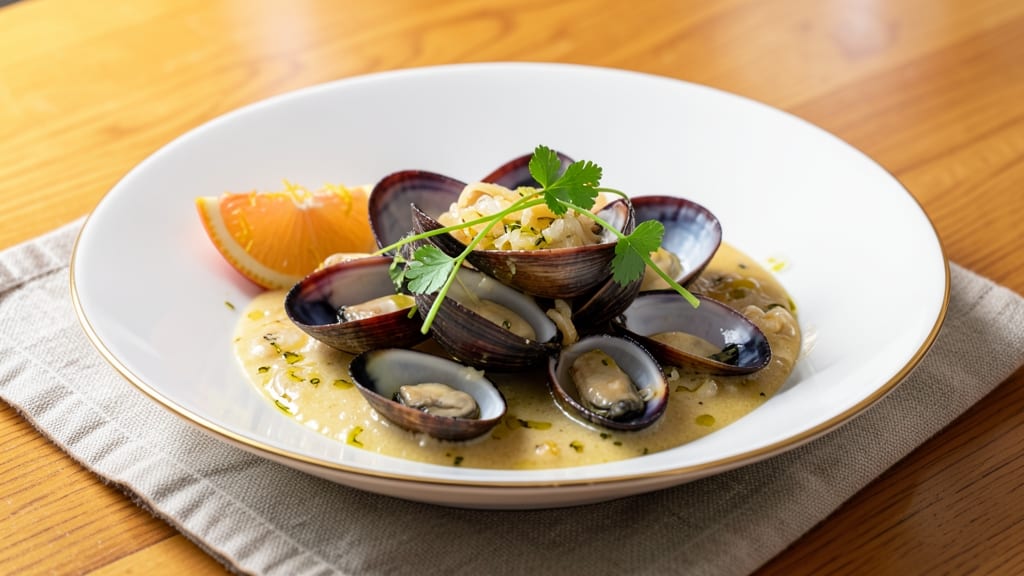
This fresh clams sauce recipe transforms briny, just-shucked clams into a luxurious, garlicky condiment that elevates pasta, baked potatoes, or seafood dishes to restaurant-quality levels.
The secret lies in balancing the natural sweetness of the clams with sharp white wine, aromatic herbs, and a touch of creaminess—creating a sauce that's both bold and refined.
I developed this recipe after years of perfecting coastal Italian techniques, ensuring every spoonful delivers that perfect harmony of briny depth and rich, savory notes.
The process is straightforward but requires attention to detail: steaming the clams until they open, reserving their precious juice, and simmering everything down into a velvety, flavor-packed sauce.
What sets this apart is the way the clam juice reduces into a concentrated broth that carries layers of garlic, shallots, and parsley—transforming simple ingredients into something truly special. The result is a sauce that's versatile enough for weeknight dinners but impressive enough for dinner parties.
What you'll end up with is a rich, garlicky clam sauce that clings beautifully to pasta, drizzles elegantly over baked potatoes, or pairs perfectly with grilled fish. The texture is silky yet substantial, with just enough body to coat without overwhelming.
It's the kind of sauce that turns ordinary meals into something memorable—proof that fresh clams don't have to be complicated to be extraordinary.
Best of all, this sauce keeps well in the refrigerator for up to 5 days, making it ideal for meal prep or gifting. Whether you're serving it as a condiment, a pasta topping, or a dipping sauce for crusty bread, this recipe delivers restaurant-quality results with minimal effort.
Let's get started on creating your own batch of this briny, garlicky luxury.
Ingredients for clam sauce recipe fresh clams
Nine essential ingredients transform fresh clams into restaurant-quality sauce for pasta or potatoes.
| Ingredient | Amount | Notes |
|---|---|---|
| Fresh Clams 🦪 | 2 lbs | Shucked, juice reserved separately |
| Extra-Virgin Olive Oil 🫒 | ½ cup | High-quality, fruity variety |
| Shallots 🧅 | ½ cup | Finely minced, 4-5 cloves |
| Garlic Cloves 🧄 | 6 cloves | Thinly sliced, not minced |
| Dry White Wine 🍷 | ½ cup | Sauvignon Blanc or Pinot Grigio |
| Heavy Cream 🥛 | ½ cup | Full-fat for optimal texture |
| Fresh Flat-Leaf Parsley 🌿 | ¼ cup | Stems removed, finely chopped |
| Lemon Juice 🍋 | 1 tbsp | Freshly squeezed, strained |
| Diamond Crystal Kosher Salt 🧂 | 1 tsp | Adjust to taste, not pre-salted |
| Freshly Ground Black Pepper 🌶️ | ½ tsp | Cracked peppercorns preferred |
The quality of your clams makes all the difference—opt for freshly shucked clams from a trusted fishmonger, ideally harvested the same day. Whole Foods or local seafood markets consistently carry the best, though their seasonality peaks from April through October. For optimal flavor, reserve the clam juice immediately after shucking; it's the liquid gold that carries the briny essence. The extra-virgin olive oil should be fruity and peppery—California or Italian varieties like Bertolli or Filippo Berio work exceptionally well. Shallots and garlic should be vibrant with no signs of sprouting, as their sweetness forms the aromatic base of this sauce.
No white wine on hand? Substitute with clam juice and a splash of lemon juice—the acidity remains crucial. Fresh parsley can be swapped for chives or basil if needed, though parsley's bright flavor is ideal. For a lighter version, reduce the heavy cream by half and use whole milk. If working with frozen clams, thaw them completely in the refrigerator overnight, then shuck as directed. The sauce's texture relies on proper reduction—don't rush this step, as patience allows the flavors to meld into a velvety consistency that clings beautifully to pasta or potatoes.
This sauce maintains its peak quality for 5 days when stored in an airtight container in the refrigerator. For longer storage, freeze portions in ice cube trays—each cube makes a perfect single-serving addition to dishes. Reheat gently over low heat, stirring occasionally to prevent separation. The sauce thickens as it cools, so adding a splash of clam juice or water when reheating helps restore its silky texture. Portion into small containers for easy use throughout the week, making this a perfect candidate for meal prep.
Why You'll Love This Recipe
- No Chopping Chaos: I swear by this recipe because it’s the one time I actually enjoy prepping clams. Just scrub, no knife work—shallots and garlic get a quick pulse in the pan, and the wine reduces faster than I can pour a glass. Honestly, it’s the kind of dish that makes me feel like a chef without the mess.
- Wine-Infused Magic: That splash of dry white wine? It’s not just for show—it cuts through the brininess of the clams and lets the olive oil shine. The shallots caramelize just enough to add depth, and the garlic? Oh, it’s alive in there, crisp and bright. Between us, this sauce tastes like a fancy bistro’s secret, not a weeknight hack.
- Weeknight or Dinner Party: Same recipe, two vibes. Slurp it straight from the pot with crusty bread on a lazy night, or drizzle it over linguine when your in-laws are over. (Yes, even on a Tuesday night.) The sauce thickens beautifully, so it works as a dip, a topping, or a standalone bowl—no judgment here.
- Leftovers That Don’t Suck: Most clam dishes turn rubbery the next day, but this sauce? It’s better reheated. Stir in a splash of water, simmer until it’s glossy again, and suddenly you’ve got a quick marinara for pasta or a punch for grilled fish. My freezer’s packed with this stuff—because who has time to cook twice?
Step-by-step instructions for fresh clams sauce
This briny, aromatic sauce transforms simple clams into a luxurious base for pasta or baked potatoes.
Sauté Shallots Until Translucent
Heat the 0.5 cup extra-virgin olive oil in a large, deep skillet over medium-low heat. Add the 0.5 cup finely minced shallots and cook for 5-6 minutes until completely translucent and just beginning to soften. Stir frequently to prevent browning—you want them to melt into the oil without color.
This slow cook ensures the shallots release their sweetness without bitterness, forming the aromatic foundation of your sauce. If they start to take on any golden hue, reduce the heat slightly. The shallots should be soft enough to crush between your fingers but not browned.
Add Garlic and Cook Until Fragrant
Increase heat to medium and add the 6 thinly sliced garlic cloves. Cook for 30-45 seconds until the garlic becomes fragrant and just begins to turn golden at the edges. Watch carefully—garlic burns quickly and can turn bitter.
The key here is timing. You want the garlic to infuse its flavor without developing any harsh notes. When you can smell that unmistakable garlic aroma, it's ready. Remove the skillet from heat momentarily if it starts to darken too quickly.
Deglaze with Wine and Simmer
Return the skillet to medium heat and carefully pour in the 0.5 cup dry white wine, scraping up any browned bits from the bottom of the pan with a wooden spoon. Let the wine simmer for 3-4 minutes until reduced by half and slightly syrupy in consistency.
This deglazing step captures all the flavorful fond from the pan, creating a rich base for your sauce. The wine should reduce enough to coat the back of a spoon but not completely evaporate. If it reduces too quickly, lower the heat slightly to maintain control.
Incorporate Clams and Cook Until Just Done
Add the 2 lbs shucked fresh clams (including any reserved juice) to the skillet. Cover and cook for 4-5 minutes until the clams open completely. Discard any clams that remain closed after this time.
You'll know the clams are ready when they've opened fully and the liquid in the pan has reduced slightly. The clams should be just cooked through but still tender. If they close again after opening, they're done and should be removed from the pan.
Finish with Cream and Brighten with Lemon
Remove the skillet from heat and stir in the 0.5 cup heavy cream and 1 tbsp lemon juice. Return to low heat and simmer gently for 2-3 minutes until the sauce thickens slightly and coats the back of a spoon.
Season with the 1 tsp kosher salt and 0.5 tsp freshly ground black pepper, then stir in the 0.25 cup chopped parsley. The sauce should be velvety with a bright, briny depth from the clams and a touch of acidity from the lemon. Taste and adjust seasoning if needed—this sauce should be bold and balanced.
Pro Tips For Making Clam Sauce Recipe Fresh Clams
- DEGLAZE IN STAGES: Let the wine reduce halfway first—pour in a splash, scrape up those browned bits, then add the rest. I used to dump it all at once and end up with a thin, watery sauce instead of a rich, glossy one.
- CHOP SHALLOTS THIN: Slice them paper-thin so they melt into the sauce instead of sitting as chunks. Thick rings mean you’ll taste them instead of the clams, and nobody wants that.
- DON’T STEAM THE CLAMS: Skip the pre-steaming—just toss them raw into the hot oil with the aromatics. They’ll open faster and keep their briny freshness. Overcooking them before the sauce is the fastest way to ruin the whole dish.
- USE COLD OIL: Shock the pan with a splash of ice-cold olive oil right after deglazing. It stops the cooking instantly, locks in flavor, and gives the sauce a silky finish. (Yes, it sounds counterintuitive, but it works.)
Perfect pairings for these flavors
Pasta Pairings
This sauce clings beautifully to linguine or spaghetti—the long strands create perfect pockets for the briny, garlicky sauce. I like tossing it with al dente pasta cooked in salted water (about 10 minutes for al dente) and finishing with a sprinkle of fresh parsley.
For extra richness, add a splash of the pasta water to the sauce before serving—it helps emulsify the clam flavors. 🍝
Baked Potatoes
Transform simple baked potatoes into a gourmet dish by splitting them open, topping with your clam sauce, and finishing with shaved Parmesan and a crack of black pepper. The sauce's creaminess contrasts perfectly with the fluffy potato interior.
I recommend using Yukon Gold potatoes for their buttery texture and serving with a side of arugula salad for freshness. 🥔
Seafood Dishes
Use this sauce as a dipping sauce for grilled shrimp or calamari, or drizzle it over pan-seared scallops for a luxurious finish. The briny notes complement seafood beautifully—try pairing it with white fish like cod or shrimp skewers.
For extra flair, add a pinch of red pepper flakes to the sauce before serving. 🦞
Bread & Appetizers
Serve the sauce warm with crusty baguette slices or garlic bread for dipping—it’s a crowd-pleasing appetizer. I also love spooning it over crispy fried clams or oysters for a coastal-inspired bite. The sauce’s balance of creaminess and acidity makes it versatile for any starter. 🥖
Wine & Beverage Pairings
Pair this sauce with a crisp Sauvignon Blanc or Pinot Grigio—the wine’s acidity mirrors the sauce’s brightness. For a non-alcoholic option, try sparkling water with lemon or a ginger beer to cut through the richness. A light Italian lager like Peroni also works well if you prefer beer. 🍷
Storage & Reuse
Store leftovers in an airtight container in the fridge for up to 5 days, or freeze in ice cube trays for single-serving portions. Reheat gently over low heat with a splash of water or clam juice to restore its silky texture.
This sauce also makes a fantastic gifting idea—just package it in a small jar with a ribbon! ❄️
Nutrition facts
Frequently asked questions
Can I use canned clams instead of fresh?
While fresh clams give the best flavor, you can use canned clams in a pinch—but expect a milder result. Drain and rinse them thoroughly, then use the same quantity (2 lbs) and add an extra 2 tablespoons of clam juice or water to compensate for the lack of natural brininess. For deeper flavor, add 1/2 teaspoon of fish sauce or a splash of white wine to mimic the fresh clam's umami.
How do I know when clams are done cooking?
Fresh clams are ready when their shells fully open during cooking. Discard any that remain closed after 4-5 minutes of steaming—they're likely bad. Once opened, they should stay that way when tapped gently. For extra assurance, check that the clams are just cooked through but still tender (not rubbery) when you taste a small piece.
Can I make this sauce without wine?
Replace the 0.5 cup white wine with 0.5 cup clam juice plus 1 tablespoon lemon juice for the same acidity and depth. The sauce will still develop rich flavors, though the wine adds a subtle complexity. For a non-alcoholic, non-seafood option, use apple cider vinegar (1 tbsp) mixed with 0.5 cup vegetable broth—it won't be identical but works in a pinch.
Why did my sauce separate when reheating?
This happens when the sauce cools too quickly or isn't stirred properly. To fix it, gently reheat over low heat and whisk in 1 tablespoon of cold water, clam juice, or heavy cream until smooth. For prevention, store the sauce in an airtight container and reheat slowly, stirring occasionally. The cream in this recipe is key to its velvety texture—never boil it.
What's the best way to serve this sauce?
This versatile sauce shines drizzled over linguine, spooned onto baked potatoes, or served as a dipping sauce for crusty bread. For extra flair, finish with shaved Parmesan or a sprinkle of red pepper flakes. It also pairs beautifully with grilled seafood—try it over pan-seared scallops or with crispy fried clams for a coastal-inspired bite.