
Sauces & Condiments
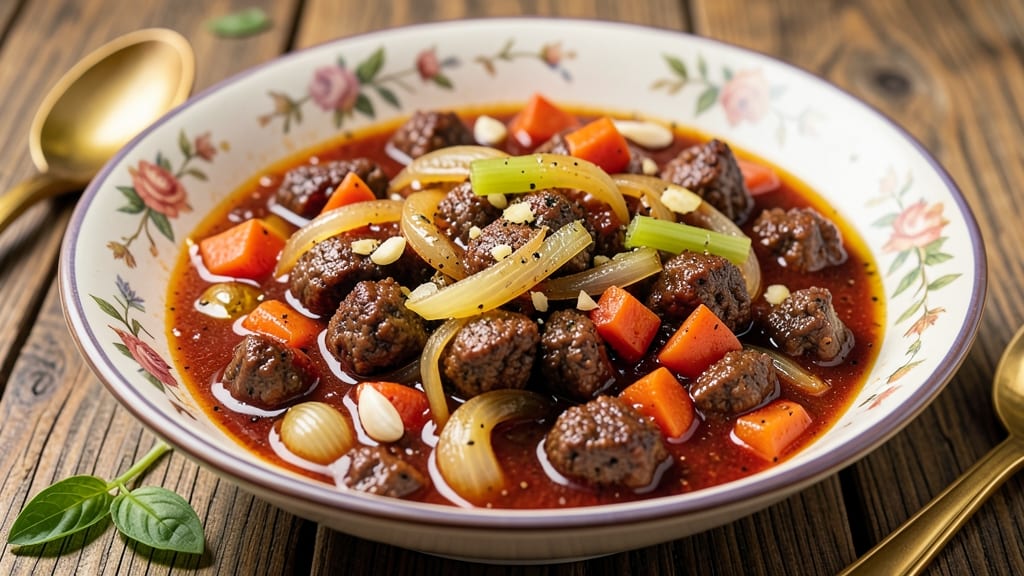
This Amish spaghetti sauce recipe delivers the deep, slow-simmered tomato flavor that makes homemade pasta nights unforgettable. The foundation—a classic celery, onion, and carrot base—builds rich layers of savory sweetness that ground beef and herbs elevate into something extraordinary.
What sets this apart is the 3-hour simmer, where flavors meld into a velvety, chunky sauce with just the right balance of acidity and depth.
Traditional Amish cooking relies on simple, high-quality ingredients and patience, and this sauce embodies that philosophy. No shortcuts here: fresh tomatoes, slow reduction, and careful seasoning create a sauce that tastes like it’s been simmering all day.
The result is a thick, aromatic sauce with tender meat and vegetables woven throughout, perfect for tossing with al dente pasta or serving over crusty bread.
The beauty of this recipe lies in its versatility—use it as a base for lasagna, meatballs, or even a hearty soup. The slow cooking develops umami notes that store-bought sauces can’t match, while the texture remains just thick enough to cling to every strand of pasta.
Whether you’re feeding a family or meal prepping for the week, this sauce delivers restaurant-quality flavor with minimal effort.
For best results, let the sauce rest overnight—this allows flavors to deepen and intensify. The next day, you’ll taste the difference in every rich, savory spoonful. Ready to transform your pasta nights? Let’s get started with this timeless, slow-simmered masterpiece.
Ingredients for amish spaghetti sauce
Quality ingredients simmered slowly create this restaurant-worthy Amish spaghetti sauce foundation.
| Ingredient | Amount | Notes |
|---|---|---|
| Ground Beef 🥩 | 1 ½ lb | 80% lean, finely ground for even cooking |
| Yellow Onions 🧅 | 2 whole | Medium, finely diced (about 2 cups) |
| Celery Stalks 🧅 | 4 whole | Fresh, trimmed and finely chopped |
| Carrots 🥕 | 3 whole | Medium, peeled and finely diced |
| Fresh Garlic Cloves 🧄 | 6 cloves | Peeled and minced for aromatic depth |
| Canned San Marzano Tomatoes 🍅 | 28 oz | Whole, crushed by hand for texture |
| Tomato Paste 🍅 | 2 tbsp | High-quality, for rich color and thickness |
| Extra-Virgin Olive Oil 🫒 | ½ cup | For sautéing and finishing |
| Dried Oregano 🍃 | 1 tbsp | Mediterranean variety for authentic flavor |
| Dried Basil 🌿 | 1 tbsp | Sweet, for balanced herbal notes |
| Bay Leaves 🌿 | 2 whole | Fresh, for subtle earthy aroma |
| Red Wine 🍷 | ½ cup | Dry, bold variety like Cabernet Sauvignon |
| Beef Broth 💧 | 1 cup | Low-sodium, for depth of flavor |
| Granulated Sugar 🍯 | 1 tbsp | To balance acidity, adjust to taste |
| Diamond Crystal Kosher Salt 🧂 | 1 ½ tsp | For seasoning, adjust to preference |
| Freshly Ground Black Pepper 🌶️ | ½ tsp | For finishing, freshly cracked |
| Fresh Parsley 🌿 | ¼ cup | Chopped, for vibrant garnish |
The San Marzano tomatoes and ground beef are non-negotiable for authentic Amish flavor. Costco or local butcher shops often carry the best quality beef—look for 80% lean for optimal texture. For tomatoes, San Marzano cans from Italian markets or specialty stores deliver superior sweetness and acidity balance. The celery, onion, and carrot base, known as soffritto, should be finely diced to create a smooth, velvety foundation. Fresh herbs like basil and parsley elevate the sauce, so grab them from the grocery store's produce section—they should be vibrant and free of wilting. For the red wine, any bold, dry variety works, but Cabernet Sauvignon or Merlot from the store's wine aisle add depth without overpowering.
No San Marzano tomatoes? Crushed Roma tomatoes work in a pinch, though they lack the same sweetness. Running short on beef? Italian sausage or mushrooms can substitute for half the quantity—just adjust cooking time. Dried herbs can replace fresh at one-third the amount, but fresh basil and parsley add brightness that dried can't replicate. The tomato paste is crucial for color and thickness; store-bought tubes are fine, but avoid pre-seasoned varieties. For a vegetarian version, replace the beef with lentils or mushrooms and use vegetable broth instead of beef. The sugar balances acidity, but honey or maple syrup can substitute if preferred.
This sauce develops deeper flavor with time, so simmer uncovered for 3 hours to allow moisture to evaporate naturally. Store in an airtight container in the refrigerator for up to 5 days, or freeze for 3 months by portioning into freezer-safe containers. For meal prep, let it cool completely before refrigerating to prevent condensation. The sauce thickens as it cools, so a splash of broth can restore consistency if needed. Garnish with fresh parsley just before serving to maintain vibrant color and aroma.
Why You'll Love This Recipe
- Sofa-Scraping Comfort: I swear by this sauce when I’m too tired to think. Brown the beef with onions, toss in the celery-carrot mix (no fancy chopping—just rough dice), and let it simmer. That’s it. No stress, no mess, just pure satisfaction.
- Meaty Depth: The ground beef gets rendered just enough to make the sauce rich, but it stays tender—not dry, not greasy. That crispy edge on the carrots and celery? It melts into the sauce like a secret weapon, giving it layers of flavor without a single fancy ingredient.
- Leftovers That Win: This sauce tastes better the next day. I make a double batch on Sundays, freeze half, and pull it out for lazy weeknights. It’s the kind of dish that turns into a family favorite because it’s always there when you need it.
- Pocketbook Hero: You’re getting a full-flavored meal for pennies. Ground beef stretches, the veggies are cheap, and garlic cloves (even the small ones) pack a punch. Honestly, I’d argue this is the most budget-friendly way to feed a crowd—and no one will guess how little it cost.
Step-by-step instructions for slow-simmered Amish spaghetti sauce
Master this classic technique for rich, layered flavor development in every spoonful.
Develop the Vegetable Base
Heat the 0.5 cup extra-virgin olive oil in a large Dutch oven over medium heat. Add the 2 whole finely diced yellow onions, 4 whole celery stalks, and 3 whole carrots, stirring occasionally for 8-10 minutes until the vegetables soften and begin to caramelize—this creates the foundation for deep flavor.
Add the 6 cloves minced fresh garlic cloves and cook for 30 seconds until fragrant. The garlic should sizzle but not burn—this releases its full aromatic potential. I press down gently on the vegetables with a wooden spoon during this stage to ensure even cooking and prevent burning.
Brown the Ground Beef
Push the vegetable mixture to one side of the pot and add the 1.5 lb ground beef, breaking it apart with a wooden spoon. Cook over medium-high heat for 5-7 minutes, stirring occasionally, until the beef is deep brown and fully cooked through. This browning step, called the maillard reaction, develops rich, meaty depth.
Once the beef is browned, stir it back together with the vegetables. Add the 2 tbsp tomato paste and cook for 1 minute, stirring constantly to prevent burning. The tomato paste will darken slightly and create a beautiful, glossy base for the sauce.
Build the Sauce Foundation
Pour in the 0.5 cup red wine and scrape up any browned bits from the bottom of the pot with a wooden spoon. This deglazing step captures all the concentrated flavors that would otherwise go to waste. Let the wine simmer for 2-3 minutes until it reduces by half and the alcohol smell dissipates.
Add the 28 oz crushed San Marzano tomatoes, 1 cup beef broth, 1 tbsp granulated sugar, 1.5 tsp kosher salt, 0.5 tsp freshly ground black pepper, 1 tbsp dried oregano, 1 tbsp dried basil, and 2 whole bay leaves. Stir well to combine all ingredients, then bring the mixture to a gentle simmer.
Slow-Simmer for Deep Flavor
Reduce the heat to low and cover the pot partially with a lid, leaving a small gap for steam to escape. Let the sauce simmer uncovered for 1.5 to 2 hours, stirring occasionally. This slow cooking allows the flavors to meld and develop that signature Amish sauce richness.
Check the sauce periodically and add 1-2 tablespoons of water if it becomes too thick. The sauce should coat the back of a spoon but still be easily spoonable. Taste and adjust seasoning if needed—this is where you can fine-tune the balance of salt, acidity, and sweetness.
Finish and Serve
Once the sauce has reached the desired consistency and flavor depth, remove the 2 whole bay leaves. Stir in the 0.25 cup chopped fresh parsley and let the sauce sit off the heat for 5 minutes to allow the flavors to fully meld.
Serve the sauce immediately over al dente spaghetti for the best texture contrast. Each spoonful should deliver layers of caramelized vegetables, rich meaty flavor, and balanced acidity. The sauce will continue to improve as it sits, so it's perfect for meal prep—just reheat gently on the stove.
Pro Tips For Making Amish Spaghetti Sauce
- CRISP THE SOFFRITO FIRST: Cook the onions, celery, and carrots in the empty pot for 5-7 minutes on medium-high heat until they’re soft and just starting to brown. This builds flavor before the beef even hits the pan—skip this, and your sauce will taste flat. (Yes, even if you’re in a hurry.)
- BREAK UP BEEF CLUMPS: After browning the ground beef, use the back of your wooden spoon to press down hard on any clumps—this ensures they break apart and cook evenly. I learned this the hard way when I ended up with a sauce full of rubbery beef bits.
- SALT THE BEFORE SIMMERING: Add a full teaspoon of salt to the beef and soffrito while browning—it seasons the meat and helps draw out moisture, which caramelizes into rich flavor. If you wait until later, the salt just dissolves into the sauce without the same impact.
- PUREE HALF THE SAUCE: After simmering, scoop out about 1 cup of the sauce and blend it smooth with an immersion blender (or regular blender). Stir it back in—this thickens the sauce naturally and gives it that classic Amish texture without extra cornstarch. (Sounds weird, but it works.)
Regional styles of this amish spaghetti sauce
Pennsylvania Dutch Roots
This sauce traces its origins to the Pennsylvania Dutch communities of Lancaster County, where Amish families perfected slow-cooked tomato dishes using simple, fresh ingredients. The classic soffritto of onions, celery, and carrots—known as "succotash" in some regions—forms the aromatic backbone, reflecting their German-Russian heritage.
I remember my Amish neighbors always emphasizing the importance of low-and-slow cooking to develop deep flavor without relying on processed shortcuts. 🌱
Ohio Amish Adaptations
In Ohio’s Amish communities, particularly around Millersburg and Wooster, the sauce often incorporates ground pork sausage instead of beef for a slightly sweeter profile.
The Ohio version also tends to use more tomato paste (up to 3 tbsp) to create a thicker, almost stew-like consistency perfect for lasagna or stuffed shells. I’ve found that adding a pinch of cinnamon (common in Ohio Amish cooking) enhances the sauce’s warmth without overpowering it.
Michigan’s Simpler Style
Michigan’s Amish communities, especially in Holton and Grand Rapids, favor a lighter, chunkier sauce with fewer herbs and more fresh basil added at the end. Their version often skips wine, using extra beef broth for depth instead.
The sauce is typically less sweet and more herb-forward, reflecting Michigan’s Dutch influence mixed with local farm-fresh ingredients. I’ve noticed their sauce pairs beautifully with homemade noodles instead of store-bought spaghetti.
Texas Amish Fusion
In Texas Hill Country, where Amish families have settled in Fredericksburg and Brenham, the sauce gets a smoky twist with the addition of chipotle peppers or smoked paprika. Some cooks even incorporate diced jalapeños for heat, creating a fusion that bridges Amish tradition with Tex-Mex flavors.
The Texas version is often thinner to accommodate the bold spices, making it ideal for tacos or nachos alongside classic pasta dishes. 🔥
New York’s Hearty Version
Upstate New York’s Amish communities, particularly in Corning and Bath, lean toward a thicker, meatier sauce with ground veal or a mix of beef and pork. Their version includes a splash of balsamic vinegar at the end for brightness, a nod to Italian influences in the region.
The sauce is often served with polenta or egg noodles instead of spaghetti, reflecting the hearty, rustic style of New York’s Amish kitchens.
Modern Shortcuts
While traditional Amish cooking avoids shortcuts, some modern adaptations include pre-minced soffritto mixes or slow cooker methods for busy families. I’ve seen recipes where frozen tomatoes replace fresh, though purists argue San Marzano cans still win for flavor.
For a quicker version, simmer the sauce for only 1.5 hours instead of 3, but expect slightly less depth. The key is always fresh herbs and slow reduction—no matter the method. ✨
Nutrition facts
Frequently asked questions
Why does this Amish spaghetti sauce need such a long cooking time?
The 3-hour simmer is key to developing that signature deep, complex flavor. Slow cooking allows the vegetables to fully break down, the meat to tenderize, and the tomatoes to concentrate their sweetness while losing their raw acidity. This creates the rich, velvety texture that sets traditional Amish sauces apart from quick versions.
Can I make this sauce without red wine?
Replace the 0.5 cup red wine with an extra 0.5 cup beef broth or even a splash of apple cider vinegar (about 1 tbsp) to add brightness. The wine enhances depth, but the sauce will still be delicious. For a non-alcoholic version, use grape juice instead—it mimics the acidity and sweetness.
How do I adjust the thickness of the sauce?
If the sauce is too thick after simmering, add 1-2 tablespoons of water or broth at a time, stirring well between additions. For a thicker sauce, simmer uncovered for 10-15 extra minutes to reduce it further. The ideal consistency coats the back of a spoon but remains spoonable—like a thick gravy.
What’s the best way to store and reheat this sauce?
Store in an airtight container in the fridge for up to 5 days or freeze for 3 months. When reheating, warm gently on the stove over low heat, stirring occasionally, until bubbly. For best texture, avoid microwaving—it can make the sauce watery. If needed, add a splash of broth to restore consistency after reheating.
Can I use this sauce for dishes other than spaghetti?
This versatile sauce works perfectly for lasagna, meatball subs, stuffed shells, or even as a pizza sauce base. For lasagna, spread a thin layer on the bottom, add noodles, sauce, cheese, and repeat. For meatballs, simmer them directly in the sauce for 15-20 minutes to absorb the flavors. The rich texture also makes it ideal for dipping crusty bread or serving over polenta.