
Sauces & Condiments
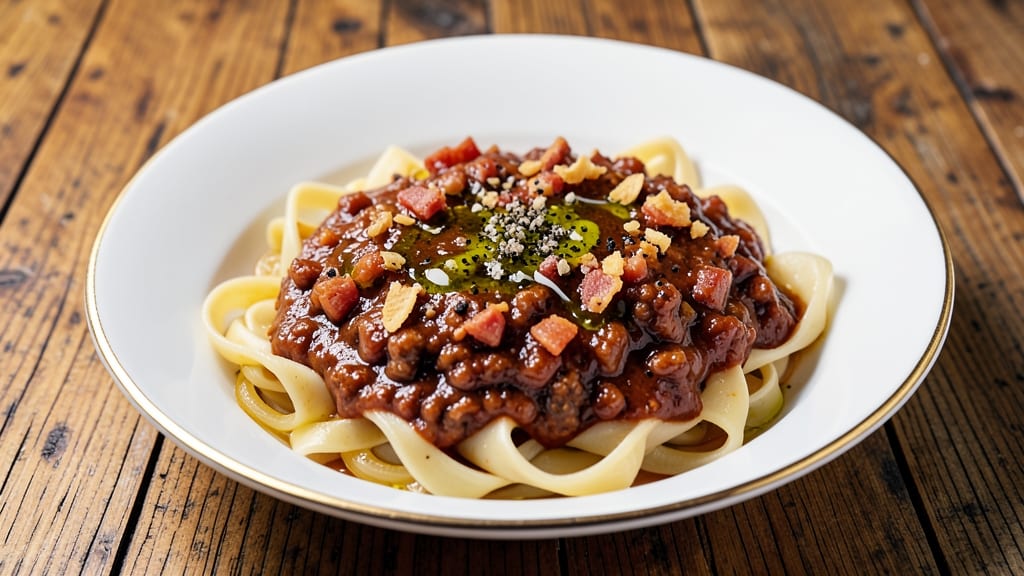
Antonio Carluccio's Bolognese sauce transforms simple ingredients into a rich, slow-simmered masterpiece that defines Italian comfort food. 💛 The secret lies in patience—hours of gentle cooking that melds meat, wine, and tomatoes into a velvety sauce with deep, layered flavor. This isn't just a condiment; it's the heart of every authentic Italian meal, where every spoonful tells a story of tradition and technique.
The foundation begins with finely diced pancetta and onions, cooked until translucent to build a fragrant base. Ground beef and pork add richness, while white wine deglazes the pan, infusing the sauce with brightness before tomatoes take over.
The slow simmer reduces the sauce to a thick, glossy consistency, where the meat essence and tomato sweetness harmonize perfectly. This is the kind of sauce that tastes even better the next day as flavors deepen.
What makes this sauce extraordinary is its versatility—pair it with al dente tagliatelle for a classic match, or use it as a robust topping for grilled meats and roasted vegetables. The texture is unctuous yet balanced, with just enough acidity from the tomatoes to cut through the richness.
Each bite delivers the essence of Italian home cooking, where simplicity meets sophistication in every spoonful.
Ready in about 3 hours of hands-off simmering, this sauce requires minimal effort but maximum attention to detail. The reward? A condiment so flavorful it elevates any dish it touches. Let's create this timeless Italian classic together.
Ingredients for antonio carluccio bolognese sauce
Twelve ingredients, three hours of simmering, and a sauce that defines Italian tradition.
| Ingredient | Amount | Notes |
|---|---|---|
| Pancetta 🥓 | ½ lb | Finely diced, not cured bacon |
| Yellow Onions 🧅 | 2 whole | Finely chopped, about 2 cups |
| Ground Beef 🥩 | 1 lb | 80% lean, finely ground |
| Ground Pork 🐖 | ½ lb | Finely ground, lean preferred |
| Dry White Wine 🍷 | ½ cup | Bold, dry variety like Pinot Grigio |
| San Marzano Tomatoes 🍅 | 2 cups | Crushed by hand, no salt added |
| Tomato Paste 🍅 | ½ cup | High quality, no sugar added |
| Garlic Cloves 🧄 | 4 cloves | Minced, not powdered |
| Whole Milk 🥛 | ½ cup | Full-fat for richness |
| Extra-Virgin Olive Oil 🫒 | ¼ cup | For initial cooking |
| Fresh Rosemary 🌿 | ¼ cup | Finely chopped, stems removed |
| Fresh Thyme Leaves 🌿 | ¼ cup | Or 1 tbsp dried thyme |
| Kosher Salt 🧂 | 1 ½ tsp | Diamond Crystal preferred |
| Freshly Ground Black Pepper 🌶️ | ½ tsp | Cracked peppercorns |
The foundation begins with pancetta—it's non-negotiable for authentic flavor, though thinly sliced bacon works in a pinch. Look for Italian specialty stores or the deli section at Whole Foods for the best quality. Fresh San Marzano tomatoes are essential; their natural sweetness and low acidity create the perfect balance. If you can't find them, whole plum tomatoes will work, but remove the skins after cooking. The ground beef and pork should be finely ground—80/20 blend for beef ensures juiciness, while pork adds depth. Costco or local butchers often carry the ideal mix for Bolognese.
No pancetta? Substitute with extra diced bacon (render the fat first) or guanciale if you can find it. Running short on wine? Dry vermouth or even white grape juice can deglaze, though the alcohol adds complexity. Fresh herbs are ideal, but dried thyme and rosemary work at half the amount—just toast the dried herbs in the olive oil first for better flavor. The tomato paste should be no-sugar-added; Barilla or Bertolli are reliable brands. For the milk, whole milk is traditional, but half-and-half adds even more richness if you prefer. Heavy cream can replace milk entirely for a velvety texture, though it changes the classic profile slightly.
This sauce improves dramatically overnight, so always make extra. Store in an airtight container in the fridge for up to 5 days, or freeze for 3 months—portion into ziplock bags for easy thawing. The pancetta fat solidifies when chilled, so reheat gently over low heat, stirring occasionally. For best results, reduce the sauce slightly before serving to achieve that signature thick, glossy consistency. A splash of reserved pasta water can help adjust the thickness if needed.
Why You'll Love This Recipe
- Pancetta Magic: I swear by that first step—crisping the pancetta until it’s golden and salty. It’s the secret weapon here, turning simple beef and pork into something rich and layered with flavor you can’t ignore.
- Wine Lift: That splash of dry white wine? Not just for show. It cuts through the richness and brightens everything up—like a little burst of sunshine in a cozy sauce. Honestly, I never skip it now.
- Weeknight Workhorse: Make a double batch on Sunday, and you’ve got dinner covered for three nights. Freezes like a dream too, so it’s my go-to when I’m too tired to think past pasta and a good sauce.
- Budget-Friendly Luxury: Ground pork and beef stretch for miles, and pancetta adds that restaurant-worthy depth without breaking the bank. Between us, this is the kind of sauce that makes you feel fancy for next to nothing.
Step-by-step instructions for antonio carluccio's bolognese sauce
Master this slow-simmered classic with precise technique and patient cooking.
🔥 Step 1: Render the Pancetta and Sauté the Aromatics
Heat the 0.25 cup extra-virgin olive oil in a heavy-bottomed pot over medium-low heat. Add the 0.5 lb finely diced pancetta and cook for 8-10 minutes until the fat renders out and the pancetta becomes crispy. This fat is essential for building flavor.
Remove the pancetta with a slotted spoon and set aside, leaving the rendered fat in the pot. Add the 2 whole finely chopped yellow onions and cook for 10-12 minutes until soft and translucent. Stir occasionally to prevent burning. The onions should caramelize slightly but not brown.
🍳 Step 2: Cook the Meat and Deglaze with Wine
Increase heat to medium-high and add the 1 lb ground beef and 0.5 lb ground pork. Break up the meat with a wooden spoon and cook for 5-6 minutes until it loses its raw color. The meat should be browned but not crispy.
Pour in the 0.5 cup dry white wine and scrape up any browned bits from the bottom of the pot. This deglazing step captures all the meaty flavors. Let the wine simmer for 3-4 minutes until it reduces by half and the alcohol cooks off completely.
🥘 Step 3: Build the Sauce Base with Tomatoes and Herbs
Stir in the 0.5 cup tomato paste and cook for 2 minutes to deepen its flavor. Add the 4 minced garlic cloves, 0.25 cup finely chopped fresh rosemary, and 0.25 cup fresh thyme leaves, cooking for 1 minute until fragrant.
Pour in the 2 cups crushed San Marzano tomatoes and bring to a gentle simmer. Season with 1.5 tsp kosher salt and 0.5 tsp freshly ground black pepper. Add the reserved pancetta back to the pot and stir to combine. The sauce should be thick but still pourable.
⏰ Step 4: Slow Simmer for Maximum Flavor Development
Reduce heat to low and let the sauce simmer uncovered for 2-2.5 hours. Stir occasionally to prevent sticking, but avoid over-mixing. The sauce should reduce significantly, becoming thick and rich. This long cooking time is crucial for developing deep flavor.
After 1 hour, stir in the 0.5 cup whole milk. This adds richness and balances the acidity of the tomatoes. The sauce should coat the back of a spoon and have a velvety texture. If it becomes too thick, add 1-2 tablespoons water to adjust consistency.
🍽️ Step 5: Finish and Serve with Perfect Texture
Taste the sauce and adjust seasoning if needed. It should be rich, balanced, and deeply flavorful. Remove from heat and let it rest for 10 minutes before serving. This resting period allows the flavors to meld completely.
Serve the bolognese over freshly cooked tagliatelle or pappardelle, allowing each person to enjoy about 2-3 ounces of sauce per serving. The sauce should cling beautifully to the pasta, creating a luxurious, comforting dish that captures the essence of authentic Italian cooking.
Pro Tips For Making Antonio Carluccio Bolognese Sauce
- COOK PANCETTA LOW AND SLOW: I used to rush this, but rendering pancetta too fast makes it greasy and flavorless. Cook it on low heat (140°C/285°F) until the fat is golden and the meat is crisp—about 10-12 minutes. If it starts smoking, back off; patience here means deeper flavor later.
- DICE ONIONS SMALLER THAN YOU THINK: Fine, even dices (3-4mm) caramelize faster and sweeten the sauce without turning mushy. I learned this the hard way—big chunks just sit there while the wine boils off. Use a sharp knife and don’t skip the pulse in a food processor for consistency.
- DEGLAZE WITH WINE, THEN REST: Pour in the white wine off the heat, let it bubble for 30 seconds, then return the pan to low. Scraping up those browned bits is easier when the sauce isn’t actively cooking—your future self will thank you for the extra 2 minutes.
- SKIP THE PRE-COOKED MEAT: Raw ground beef and pork brown better, sealing in juices and adding texture. I was skeptical until I tried it—just cook the meat after the onions are translucent, breaking it up with a wooden spoon. The sauce stays richer, and you avoid that sad, gray pre-cooked look.
Troubleshooting your antonio carluccio bolognese sauce
Sauce Too Thin?
If your bolognese feels watery after simmering, don’t panic—this happens when tomatoes release excess liquid. My trick? Simmer uncovered on low heat for an extra 30-45 minutes while stirring occasionally. For faster results, remove the lid and increase heat to medium-low, stirring frequently.
If it’s still too thin, reduce by 10-15 minutes longer or stir in 1 tbsp tomato paste to thicken naturally. 🔥
Meat Too Greasy?
Excess fat can make your sauce heavy. After cooking the meat, drain 90% of the rendered fat using a fat separator or paper towels. For extra insurance, skim fat off the surface during simmering with a spoon.
If the sauce still feels greasy, add 1-2 tbsp whole milk at the end to balance richness. Trust me, this step makes all the difference. ✨
Sauce Tastes Bland?
Underseasoned sauce often means the tomatoes or wine didn’t develop enough flavor. Boost depth by adding 1 tsp balsamic vinegar or ½ tsp red wine vinegar at the end for acidity. For umami, stir in 1 tsp soy sauce or ½ tsp fish sauce (hidden in many Italian recipes!).
If herbs feel muted, add ½ tsp dried oregano or a pinch of crushed red pepper flakes for complexity. 🌶️
Tomatoes Too Acidic?
If your sauce tastes sharp, balance it with 1 tbsp sugar or 1 tsp honey to mellow the acidity. Alternatively, simmer in 1 extra cup of crushed tomatoes (the more you cook, the sweeter they become).
For a classic fix, stir in 1 tbsp unsalted butter at the end—it coats the palate beautifully. 💛
Sauce Stuck to Pot?
This happens when sauce reduces too much or burns. Prevent it by using a heavy-bottomed Dutch oven (like Le Creuset) and stirring every 10-15 minutes. If it sticks, add ¼ cup water or broth and scrape gently with a wooden spoon.
For future batches, keep heat consistently low—never rush the simmer. 🍲
Herbs Too Strong?
Fresh herbs can overpower if added all at once. My method? Toast dried rosemary and thyme in olive oil for 1 minute before adding to mellow their intensity. For fresh herbs, reduce amounts by 20% and add them 10 minutes before the end of cooking.
If they’re still too bold, balance with extra tomatoes or a splash of wine. 🌿
Nutrition facts
Frequently asked questions
Why does Antonio Carluccio's Bolognese sauce need such a long cooking time?
The 2-3 hour simmer isn't just tradition—it's science! Slow cooking breaks down meat fibers and melds flavors into a cohesive, velvety texture. The wine and tomatoes develop deeper complexity, while the milk adds richness without overpowering. The result is a sauce with layers of flavor that can't be achieved quickly.
Can I make this sauce in a slow cooker?
Use the same ingredients but cook on low for 6-8 hours or high for 4 hours. Add the milk only during the last 1 hour to prevent curdling. The slow cooker maintains gentle heat, which is perfect for developing those deep flavors. Just stir occasionally to prevent sticking.
What's the best pasta to serve with this sauce?
Tagliatelle or pappardelle are classic choices—their wide, flat surfaces hold the sauce beautifully. For extra authenticity, use fresh egg pasta, which absorbs the sauce's richness without becoming mushy. Avoid thin noodles like spaghetti, as they can't support the sauce's weight.
Can I substitute ground turkey for the beef and pork?
Yes, but use 93% lean ground turkey to maintain moisture. Add 1 tbsp olive oil when cooking the meat to compensate for lost fat. For best results, mix turkey with 20% ground pork to retain some richness. The flavor will be lighter but still delicious when paired with bold herbs.
How do I know when the sauce is done?
The sauce is ready when it coats the back of a spoon with a thick, glossy consistency (about 2-2.5 hours of simmering). It should smell deeply aromatic with no raw tomato or meat flavors. Taste it—it should be rich, balanced, and complex, not acidic or bland. Let it rest 10 minutes before serving to let flavors meld.