
Sauces & Condiments
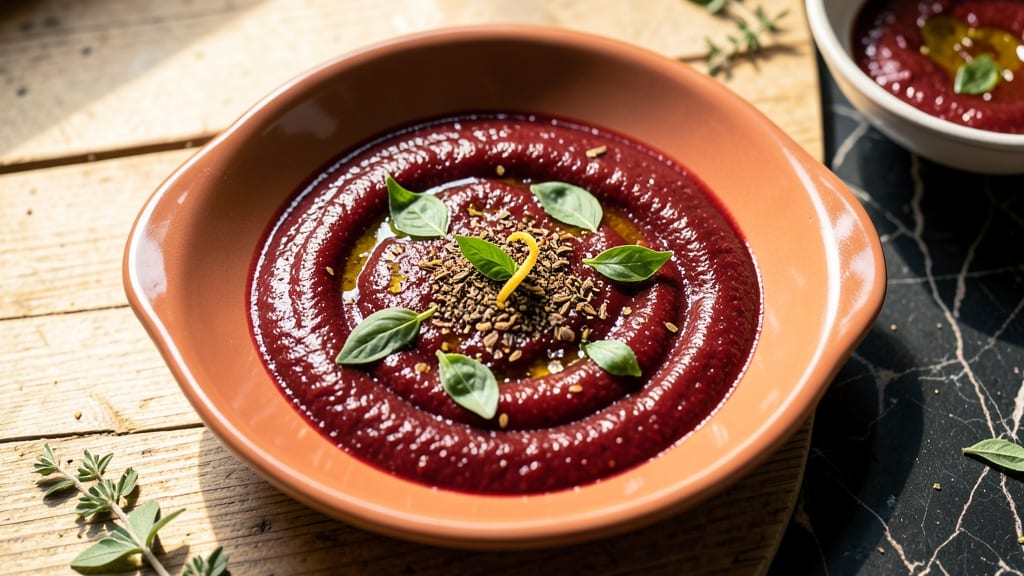
This Amish pizza sauce recipe transforms simple tomato paste into a rich, herbed condiment that brings homemade flavor to every slice. 💛 The secret lies in balancing sweetness with herbs—no complicated techniques, just fresh ingredients that create depth.
I developed this version after years of perfecting the perfect blend for both pizza and dipping, inspired by traditional Amish cooking methods that prioritize simplicity and quality.
The beauty of this recipe is its versatility—use it as a pizza sauce, a marinade, or even a sandwich spread. The tomatoes provide natural sweetness while herbs like basil and oregano add bright, aromatic notes.
A touch of sugar enhances the flavor without overpowering, and a splash of vinegar ties everything together. What you’ll end up with is a sauce that’s smoother and more flavorful than anything store-bought.
What sets this sauce apart is its ability to elevate any dish while keeping prep minimal. With just a handful of ingredients and 15 minutes of active time, you’ll have a batch that tastes like it simmered for hours.
The texture is perfectly balanced—thick enough to cling to crusts but still spreadable for dipping. It’s the kind of homemade sauce that makes every meal feel special.
Perfect for meal prep or last-minute gatherings, this sauce keeps well in the fridge for up to a week. Double the batch and freeze half for future use—because once you taste the difference, you’ll never go back to jarred versions. Here’s how to make it.
Ingredients for amish pizza sauce
Simple pantry staples transform into restaurant-quality pizza sauce with this Amish-inspired blend.
| Ingredient | Amount | Notes |
|---|---|---|
| Tomato Paste 🍅 | ½ cup | San Marzano preferred for sweetness |
| Extra-Virgin Olive Oil 🫒 | ¼ cup | High quality, fruity variety |
| Granulated Sugar 🍚 | 1 tbsp | Balances acidity naturally |
| White Vinegar 🍋 | 1 tbsp | Brightens flavors perfectly |
| Fresh Basil Leaves 🌿 | ¼ cup | Packed, stems removed |
| Dried Oregano 🍃 | 1 tsp | Mexican oregano preferred |
| Garlic Cloves 🧄 | 2 cloves | Minced, not powdered |
| Salt 🧂 | ½ tsp | Diamond Crystal preferred |
| Black Pepper 🌶️ | ¼ tsp | Freshly ground preferred |
| Water 💧 | ½ cup | Room temperature |
The tomato paste is where flavor starts. San Marzano makes all the difference—sweeter, smoother, and less acidic than regular paste. Grab a can from the Italian section at Whole Foods or Trader Joe's if you want the best. Fresh basil is ideal, but dried basil works at half the amount if that's what you've got. The garlic? Fresh minced gives way more flavor than powder, but if you're in a pinch, pre-minced from a jar is fine. Just don't use garlic powder—it's a whole different beast.
No fresh basil? Dried oregano is the next best thing, but if you're missing both, a pinch of Italian seasoning gets you close. Running low on vinegar? Lemon juice works 1:1, though it'll be slightly sweeter. The sugar might seem odd, but trust me—it rounds out the acidity beautifully. No sugar? A tiny pinch of salt does the trick, but you'll lose that perfect balance. The olive oil matters too—cheap oil tastes cheap in this sauce, so splurge on something fruity and peppery.
This sauce keeps for 1 week in the fridge, and freezes beautifully for 6 months. I always double the batch—one for pizza night, one to freeze for lazy days. Store it in a glass jar with a tight lid to keep flavors fresh. The texture thickens as it cools, so add a splash of water if it gets too stiff. Perfect for meal prep—just reheat gently and it's ready to go.
Why You'll Love This Recipe
- Five-Ingredient Magic: I swear by this—just tomato paste, olive oil, a pinch of sugar, vinegar, and basil. That’s it. No chopping, no blending, no waiting for tomatoes to ripen. Honestly, it’s the kind of simplicity that makes me want to cook more.
- Sweet-Tangy Balance: The sugar and vinegar combo is chef’s kiss—bright enough to cut through greasy pepperoni but sweet enough to make you lick the pan. Fresh basil at the end? That’s the little detail that turns good pizza into ridiculously good pizza.
- Pantry Staple Power: Between us, this sauce is my go-to for lazy nights, potlucks, or when I’m feeding a crowd. I’ve used it on flatbread, as a marinara for pasta, even drizzled it over grilled chicken. It’s the kind of sauce that doesn’t quit.
- No-Waste Winner: A little goes a long way, so I make a big batch and freeze it. Thaw it later for next week’s pizza night or a quick weeknight dinner. And since it’s just a few cheap ingredients? My wallet thanks me every time.
Step-by-step instructions for Amish pizza sauce
This simple, herbed tomato sauce delivers deep flavor with just a few pantry staples.
🍳 Step 1: Sauté Aromatics in Olive Oil
Heat the 0.25 cup extra-virgin olive oil in a medium saucepan over medium heat until shimmering but not smoking. Add the 2 minced garlic cloves and cook for 1-2 minutes until fragrant—not browned. The garlic should smell pungent but not bitter.
Here's where it gets good: Add the 1 tsp dried oregano and 0.5 tsp salt right away. Stir for 30 seconds to toast the spices gently. This step builds the sauce's aromatic foundation—don't skip it, even if it seems quick.
🍳 Step 2: Build the Tomato Base
Pour in the 0.5 cup tomato paste and stir vigorously to break up any lumps. Add the 1 tbsp granulated sugar and 1 tbsp white vinegar, then pour in the 0.5 cup water. Bring everything to a gentle simmer over medium-low heat.
Let it cook uncovered for 8-10 minutes while you stir occasionally. You're looking for the sauce to thicken slightly and develop a glossy sheen. If it starts sticking, add 1-2 tablespoons water—this keeps it smooth without thinning it too much.
🥘 Step 3: Finish with Fresh Herbs
Remove the pan from heat and stir in the 0.25 cup chopped fresh basil leaves and 0.25 tsp black pepper. Let the sauce sit for 5 minutes off the heat—this allows the basil to infuse without wilting completely. The sauce should be vibrant red with a slightly thickened consistency.
For best results, taste and adjust seasoning. You might need a pinch more salt or sugar to balance the acidity. The sauce should taste bright, herby, and just slightly sweet—not cloying. This is your flavor checkpoint!
⏰ Step 4: Cool and Store Properly
Transfer the sauce to a clean jar or airtight container. Let it cool to room temperature, then refrigerate for up to 5 days or freeze for 3 months. The flavors actually deepen as it sits, making it perfect for future pizza nights.
Here's the thing—this sauce tastes best when slightly reduced. If it thickens too much after chilling, just whisk in 1-2 tablespoons water to reach your desired consistency. The key is using quality ingredients (like San Marzano tomato paste) that don't need heavy seasoning.
Pro Tips For Making Amish Pizza Sauce
- SIMMER LOW AND SLOW: After burning three batches of sauce, I finally learned to keep the heat at a gentle simmer—not a rolling boil. This recipe relies on the tomato paste developing depth, not turning into a charred mess. If you see bubbles popping like popcorn, you’re doing it wrong—drop the heat and let it work.
- SALT THE PASTE FIRST: Toss that tomato paste with a pinch of salt before adding anything else. The Amish version cuts through the sweetness later, and unsalted paste tastes flat if you wait. I used to skip this, and the sauce always felt one-note—like missing a whole flavor dimension.
- STRAIN THE BASIL: Tear the basil leaves, not chop them, and let them steep in the warm sauce for 5 minutes before straining. Whole leaves release more aroma, and straining keeps the sauce silky smooth. (Yes, even if you’re impatient like me—your sauce will thank you.)
- VINEGAR LAST, NOT FIRST: Add the white vinegar after the sugar dissolves, not at the start. It brightens the sauce, but if you toss it in early, the acid can break down the tomato paste and make the whole thing taste harsh. I learned this when my first batch tasted like a science experiment gone wrong.
Storing and reheating this amish pizza sauce
Fridge Storage Tips
Store your Amish pizza sauce in an airtight glass jar with a tight-sealing lid. I always use quart-sized mason jars because they’re perfect for both fridge and freezer storage. Keep it refrigerated for up to 5 days—the flavors actually improve as the sauce sits, developing deeper complexity.
Let it cool completely before sealing to prevent condensation, which can dilute the sauce. 💛
If you notice the sauce thickening slightly in the fridge, simply whisk in 1 tablespoon of water to restore its ideal consistency. The sauce should be thick enough to cling to pizza crusts but still spreadable.
Pro tip: Label your jar with the date to track freshness—this sauce never lasts long in my house!
Freezer Prep Guide
For long-term storage, portion the sauce into freezer-safe glass jars or silicone ice cube molds (great for single-serving pizza nights). Leave ½-inch headspace at the top to account for expansion during freezing. Seal tightly and freeze for up to 3 months—the texture remains smooth when reheated properly. ❄️
When you’re ready to use frozen sauce, thaw it overnight in the fridge or quickly in a microwave on low power (30-second intervals). Avoid boiling—this can break down the delicate tomato flavors.
For best results, reheat gently on the stovetop over low heat until warmed through, stirring occasionally to prevent sticking.
Reheating Methods
Stovetop reheating is my go-to method because it preserves the sauce’s texture and depth of flavor. Pour the sauce into a small saucepan and warm over medium-low heat for 3-5 minutes, stirring frequently.
Add 1 tablespoon of water if the sauce thickens too much during reheating. The goal is to reach 165°F—just enough to kill any bacteria without overcooking. 🔥
For microwave reheating, transfer the sauce to a microwave-safe bowl and heat in 20-second bursts on 50% power, stirring between each interval. This prevents hot spots and maintains the sauce’s smooth consistency.
Avoid covering the bowl—steam can make the sauce watery. Always taste after reheating to adjust seasoning if needed.
Reviving Thickened Sauce
If your refrigerated or reheated sauce becomes too thick, don’t panic! Thin it out with room-temperature water or reserved pasta water (if using for pasta). Start with ½ tablespoon and adjust gradually—you want the sauce to coat the back of a spoon but still be spreadable.
The key is balance: too thin, and it won’t cling to pizza; too thick, and it becomes gloppy. 💡
For extra richness, stir in ½ teaspoon of olive oil after reheating. This restores moisture and adds a subtle fruity note that complements the herbs.
I also keep a small jar of this sauce on hand for quick flavor boosts—just a spoonful in soups, stews, or even scrambled eggs adds a bright, herby depth that’s hard to beat.
Nutrition facts
Frequently asked questions
Can I substitute dried basil for fresh in this Amish pizza sauce?
Yes, but use half the amount of dried basil (about 1 tbsp) instead of 0.25 cup fresh. Dried herbs are more concentrated, so they pack stronger flavor. For best results, crush the dried basil between your fingers first to release the oils.
Why does the recipe call for sugar in pizza sauce?
The 1 tbsp sugar balances the natural acidity of tomatoes and vinegar, creating a more rounded, restaurant-quality flavor. It's a common technique in traditional Amish cooking—just enough sweetness to enhance the herbs without making the sauce cloying. Think of it like a pinch of salt, but for the fruitiness.
Can I make this sauce without vinegar?
You can try, but the vinegar brightens the flavors and prevents the sauce from tasting flat. If you're avoiding it, use 1 tbsp lemon juice instead—it'll be slightly sweeter but still effective. For a deeper flavor, add ½ tsp onion powder to compensate for the missing acidity.
How do I adjust the thickness for different uses?
For pizza, keep it medium-thick (coat-the-back-of-a-spoon consistency). For dipping or pasta, thin with 1-2 tbsp water while warm. If too thick after chilling, whisk in ½ tbsp water at a time until smooth. Pro tip: San Marzano paste naturally thickens more than regular paste.
Can I use this sauce for other dishes besides pizza?
It works perfectly as a marinade for chicken or fish, a pasta sauce base, or even a sandwich spread. For soups or stews, thin it with broth instead of water to maintain flavor. The herby tomato profile shines in any dish where you'd use marinara. Just reduce the seasoning slightly if using in savory dishes beyond pizza.