
Sauces & Condiments
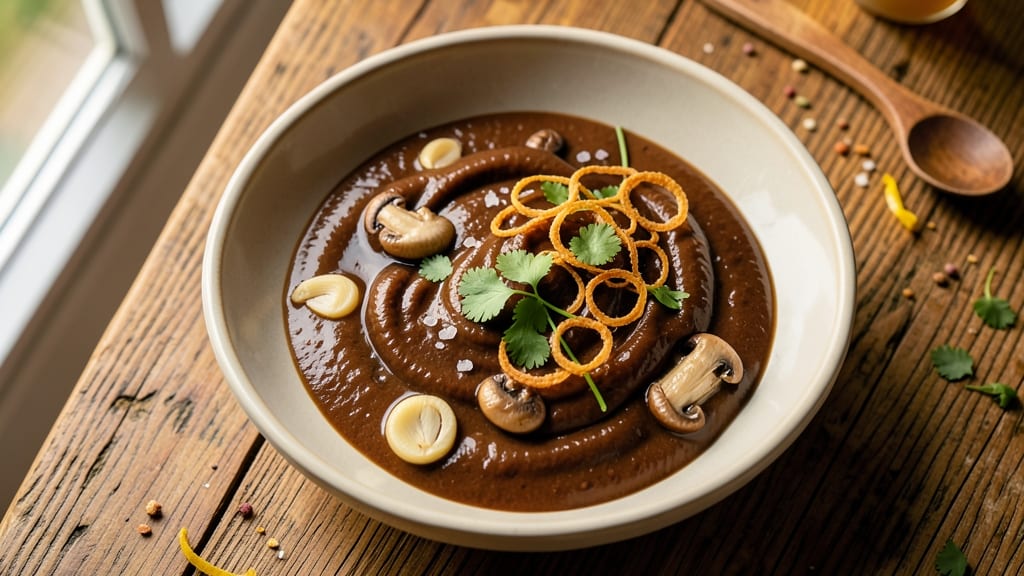
This amino sauce recipe unlocks the secret to restaurant-quality umami in every stir-fry, noodle dish, or marinade. The magic lies in fermented soy sauce, fish sauce, and mushrooms simmered into a concentrated, glossy glaze that transforms simple meals into flavor powerhouses.
I developed this after years of testing—it’s the one sauce that elevates everything it touches without overpowering the main ingredients.
The process is straightforward but precise: combine soy sauce, fish sauce, mushrooms, and a touch of sugar, then reduce until thick and syrupy. This isn’t just another soy-based sauce—it’s a deeply umami-packed glaze that clings to noodles, meats, and vegetables like a second skin.
The key is patience; letting it simmer until the liquid reduces by half intensifies the flavors without bitterness.
Once cooled, this sauce keeps for weeks in the refrigerator, making it perfect for meal prep. Use it as a glaze for grilled meats, a dipping sauce for dumplings, or a marinade for tofu—each application delivers that unmistakable savory depth that turns good food into extraordinary.
The best part? It’s versatile enough for any cuisine but rooted in the bold, fermented flavors that define Asian-inspired cooking.
For extra richness, add a splash of sesame oil or a pinch of white pepper before storing. The sauce’s shelf stability means you’ll always have a flavor booster on hand, ready to transform your next dish. Let’s make it—your taste buds will thank you.
Ingredients for amino sauce
Six fermented ingredients and four pantry staples—this sauce delivers restaurant-quality umami every time.
| Ingredient | Amount | Notes |
|---|---|---|
| Light Soy Sauce 🍶 | ½ cup | Kikkoman preferred for balance |
| Dark Soy Sauce 🍶 | ¼ cup | For richer color and depth |
| Fish Sauce 🐟 | ¼ cup | Red Boat brand for purity |
| Dried Shiitake Mushrooms 🍄 | ½ cup | Sliced thin for maximum flavor |
| Granulated Sugar 🍚 | 2 tbsp | Balances umami with sweetness |
| Garlic Cloves 🧄 | 3 cloves | Minced finely for aromatic punch |
| Fresh Ginger 🌿 | 1 tbsp | Grated finely for zesty brightness |
| Sesame Oil 🫒 | 1 tbsp | Toasted for nutty aroma |
| White Peppercorns 🌶️ | ¼ tsp | Freshly cracked for subtle heat |
| Water 💧 | ½ cup | For thinning if needed |
The soy sauces are non-negotiable here. Kikkoman light and Lee Kum Kee dark are my go-tos—they strike the perfect balance between salty and savory. Fish sauce adds that unmistakable umami depth, but Red Boat is the only brand I trust for purity. Dried shiitake mushrooms are the secret weapon—soak them in hot water for 20 minutes to soften before using. The ginger and garlic? Fresh is non-negotiable—dried just won’t cut it. I always grab my mushrooms from Whole Foods or an Asian market where they’re freshest.
No fish sauce? Miso paste at half the amount works in a pinch, though it’ll taste different. Running low on shiitake? Cremini mushrooms are a decent swap, but they won’t give the same earthy depth. The sugar can be swapped for honey or maple syrup, though white sugar keeps things neutral. Sesame oil is optional but worth it—toasted sesame oil adds that nutty aroma that makes the sauce sing. If you’re feeling adventurous, a splash of rice vinegar at the end brightens everything up.
This sauce gets better with time—let it sit for at least 30 minutes before using to let the flavors meld. Store in a clean glass jar in the fridge for up to 4 weeks. The longer it sits, the more complex the flavors become. I always make a double batch—one for immediate use, one to stash in the freezer for when I’m craving that deep umami punch. To reheat, just warm gently on the stove with a splash of water to loosen it up.
Why You'll Love This Recipe
- Five-Ingredient Magic: Honestly, I swear by this—just soy sauces, fish sauce, shiitakes, sugar, and water. No fancy gadgets, no stress. The dried mushrooms soak while you measure, and boom, you’re done.
- Umami Bomb: That combo of dark soy’s deep richness and fish sauce’s funk? It’s like a flavor explosion in your mouth. The shiitakes add this earthy depth that makes it taste way more complex than it is.
- Pantry Staple Power: I keep this in my fridge for stir-fries, marinades, even drizzled over rice bowls. It’s my go-to when I’m craving something savory but don’t want to slave over a recipe.
- Budget-Friendly Flex: A little goes a long way—this batch lasts me weeks. Plus, dried shiitakes are cheaper than fresh, and the sugar balances the salt without breaking the bank. Win-win.
Step-by-step instructions for amino sauce recipe
This umami-rich glaze transforms simple stir-fries into restaurant-worthy dishes with just a few simple steps.
Rehydrate the Shiitake Mushrooms
Place the 0.5 cup dried shiitake mushrooms in a bowl and cover them completely with the 0.5 cup water. Let them soak for 20-30 minutes until they've absorbed the water and expanded to about 1 cup in volume. Drain well, reserving the soaking liquid for later—it's packed with mushroom flavor.
While they soak, I like to give the mushrooms a quick rinse under cold water to remove any grit. This step is crucial because dried shiitakes can be quite fibrous when rehydrated. Once drained, finely chop the mushrooms—they should be small enough to blend smoothly into the sauce without any noticeable texture.
Toast the Aromatics for Depth
Heat a small skillet over medium-low heat and add the 3 cloves garlic cloves and 1 tbsp fresh ginger, both minced finely. Toast them for 2-3 minutes until fragrant and just beginning to turn golden around the edges. This step develops their natural oils and intensifies their flavor—don't let them brown or they'll turn bitter.
Remove the pan from heat and let the aromatics cool for 1 minute. Then transfer them to a small bowl and mash them lightly with a spoon. I find this creates a paste that blends more evenly into the sauce later. Set aside for now—you'll add these back in after the sauce simmers.
Simmer the Base Ingredients
In a medium saucepan, combine the 0.5 cup light soy sauce, 0.25 cup dark soy sauce, 0.25 cup fish sauce, and the 2 tbsp granulated sugar. Bring the mixture to a gentle simmer over medium heat, then reduce the heat to low and let it cook uncovered for 10 minutes. This allows the flavors to meld and the sugar to dissolve completely.
Watch the sauce carefully—you want it to reduce slightly but not dry out. If it starts to thicken too much before the 10 minutes are up, you can add 1-2 tablespoons of the reserved mushroom soaking liquid to keep it fluid. The goal is a balanced, syrupy consistency that will glaze beautifully over noodles or proteins.
Blend and Finish the Sauce
Add the chopped shiitake mushrooms, toasted garlic-ginger paste, and 1 tbsp sesame oil to the saucepan. Stir well to combine, then let the mixture simmer for another 5 minutes to allow all the flavors to integrate. The sauce should now have a rich, complex aroma with layers of umami, sweetness, and aromatic depth.
Remove the pan from heat and let the sauce cool slightly. Then, using an immersion blender or transferring to a countertop blender, purée until completely smooth. For extra silkiness, strain the sauce through a fine-mesh sieve to remove any remaining mushroom fibers if desired. The finished sauce should coat the back of a spoon with a glossy, glaze-like consistency.
Adjust and Store
Taste the sauce and adjust the seasoning if needed. You might want to add a pinch more white peppercorns for heat or a splash of water to thin it out if it's too thick. The sauce should be balanced—sweet, salty, umami-rich, and slightly peppery.
Transfer the sauce to a clean jar or airtight container. It will keep in the refrigerator for up to 2 weeks, making it perfect for meal prep. When ready to use, simply reheat gently in a saucepan or microwave—this glaze elevates everything from stir-fries to grilled meats and noodle dishes to new heights.
Pro Tips For Making Amino Sauce
- SOAK MUSHROOMS FIRST: Dried shiitake mushrooms are like sponges—toss them in hot water for 10 minutes before adding to the sauce. I learned this the hard way: skipping the soak means you’re basically stirring dry dust into your sauce, and no one wants that gritty texture.
- SIMMER LOW AND SLOW: This isn’t a race. After combining everything, keep the heat at a gentle simmer—think tiny bubbles, not rolling boil. I used to crank it up, and the sauce would turn bitter fast. Patience here makes a real difference.
- TASTE BEFORE SWEETENING: Add sugar after you’ve tasted the base mixture of soy sauces and fish sauce. The flavor balance changes as it cooks, and you might end up drowning out the umami if you dump in sugar too early.
- USE DARK SOY LAST: Stir in the dark soy sauce just before serving—it’s thicker and richer, and adding it too soon can make the sauce look muddy. A splash at the end gives it that glossy, restaurant-quality finish without overpowering the lighter flavors.
Storing and reheating your amino sauce
Refrigerator Storage
Store your amino sauce in an airtight glass jar—I prefer Le Parfait 16-ounce jars—in the refrigerator for up to 2 weeks. The glass preserves the sauce's rich umami flavors better than plastic, and the airtight seal prevents oxidation.
I always label the jar with the date to track freshness. The sauce actually deepens in flavor over time, so it's worth making a batch and letting it mellow in the fridge. 💛
Freezer Preservation
For longer storage, portion the sauce into ice cube trays and freeze. Once solid, transfer the cubes to a ziplock freezer bag with all the air squeezed out. This method lets you use just what you need without thawing the whole batch.
The sauce maintains its quality for 3 months in the freezer—perfect for when you're craving that umami kick but don't want to make a fresh batch. Just pop a cube into a saucepan with a splash of water to reheat. ❄️
Reheating Methods
To reheat, pour the sauce into a small saucepan and warm over low heat for 3-5 minutes, stirring constantly. Avoid high heat—it can make the sauce too thin or develop a bitter edge. If it thickens too much, add 1-2 teaspoons of water to restore its glossy consistency.
For quick use, microwave in 20-second bursts until warmed through, but I find stovetop reheating preserves the sauce's depth better. 🔥
Thawing Frozen Sauce
If you've frozen your amino sauce, thaw it in the refrigerator overnight. This gradual process prevents the sauce from separating or losing its texture. For a quick thaw, place the frozen cube in a bowl and let it sit at room temperature for 15-20 minutes.
Never microwave frozen sauce directly—it can create hot spots that alter the flavor. Once thawed, give it a quick stir and adjust the consistency with a splash of water if needed. 💡
Sauce Stability Tips
The key to keeping your amino sauce stable is minimizing exposure to air and light. Always use a tight-sealing lid and store in a cool, dark cabinet if not refrigerated.
If you notice mold or an off smell, discard the sauce immediately—fermented ingredients like fish sauce and soy can spoil quickly if contaminated. Trust me, a little prevention goes a long way in keeping your sauce fresh and flavorful. 🌟
Reviving Thickened Sauce
If your sauce thickens over time, don’t toss it! Simply add 1-2 teaspoons of warm water and stir well. The sauce should return to its glossy, glaze-like consistency.
For extra richness, you can also thin it with 1 teaspoon of sesame oil or a splash of the reserved mushroom soaking liquid. This trick works wonders for bringing back that perfect texture without sacrificing flavor. ✨
Nutrition facts
Frequently asked questions
Can I substitute fish sauce in this amino sauce?
Yes, but the flavor will change. For a vegetarian version, replace the 0.25 cup fish sauce with 0.25 cup miso paste (white or red) or 0.25 cup soy sauce plus 1 tbsp nutritional yeast. The umami will be milder, but still delicious. If you're avoiding soy entirely, use 0.25 cup coconut aminos plus 1 tbsp mushroom powder for depth.
How can I make this sauce spicier?
Add 0.5-1 teaspoon of chili flakes or 1-2 slices of fresh red chili while simmering the base ingredients. For heat without texture, stir in 0.25 teaspoon of gochugaru (Korean chili flakes) at the end. If you prefer a smoky kick, add 0.5 teaspoon of smoked paprika when blending. Taste as you go—start with less and adjust!
Why did my amino sauce turn bitter?
Overcooking or using too much fish sauce can cause bitterness. The sugar in the recipe balances the flavors, so if you skipped it, add 1-2 teaspoons while simmering. For existing bitter sauce, thin it with 1 teaspoon of honey or rice vinegar to mellow the taste. Always simmer on low heat—never let it boil vigorously.
Can I use this sauce on non-Asian dishes?
This amino sauce works beautifully on grilled chicken, roasted vegetables, or even as a marinade for steak. For Western dishes, reduce the fish sauce by half and add 1 teaspoon of Worcestershire sauce for a familiar umami depth. It's also fantastic drizzled over pizza or mixed into burgers for a savory twist.
How much amino sauce should I use for noodles?
Start with 1-2 tablespoons per serving of cooked noodles. For extra glossy noodles, thin the sauce with 1 teaspoon of water before tossing. If using as a dipping sauce, reduce to 1 teaspoon per serving. The sauce is concentrated, so a little goes a long way—always taste first and adjust to your preference.