
Sauces & Condiments
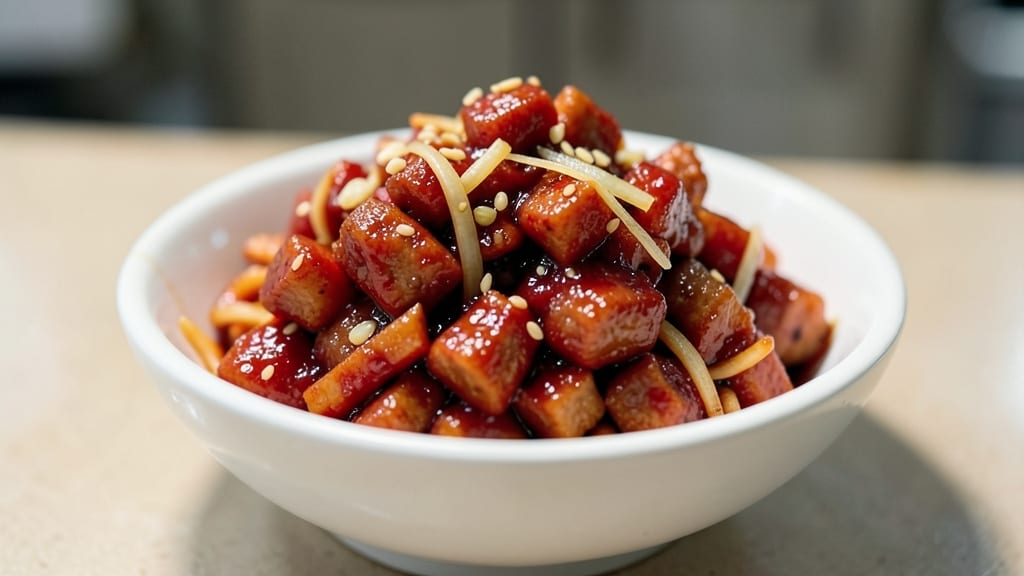
This Asian red sauce recipe transforms simple pantry staples into a vibrant, umami-rich sauce that elevates stir-fries, dipping sauces, and marinades. The balance of fermented chili paste, soy sauce, and aromatic vinegar creates depth that store-bought versions can't match.
I developed this after years of testing—it's the one sauce that bridges Thai, Szechuan, and Japanese techniques into a single, foolproof formula.
The secret lies in simmering the sauce until it thickens slightly, allowing flavors to meld without losing brightness. Garlic and ginger infuse the base, while a touch of sugar balances the heat, creating a sauce that's both complex and approachable.
Whether you're tossing it with noodles, drizzling over grilled meats, or serving with spring rolls, this sauce delivers restaurant-quality flavor with minimal effort.
What makes this recipe stand out is its versatility—use it as a stir-fry sauce, dipping sauce, or even a marinade for meats. The ingredients are simple: chili paste, soy sauce, vinegar, sugar, and aromatics, but the result is anything but basic.
The sauce keeps well in the refrigerator for up to two weeks, making it perfect for meal prep or batch cooking.
Once you taste this sauce, you'll never reach for the bottled version again. The umami depth comes from fermented components like chili paste or doubanjiang, while the acidity from vinegar brightens every bite. Let's get started on making your own—it's easier than you think!
Ingredients for asian red sauce
Nine simple ingredients transform into a bold, umami-packed sauce for endless uses.
| Ingredient | Amount | Notes |
|---|---|---|
| Doubanjiang (Fermented Chili Bean Paste) 🌶️ | ¼ cup | Or substitute with chili paste |
| Light Soy Sauce 🥄 | ⅓ cup | Kikkoman preferred for balance |
| Dark Soy Sauce 🥄 | 0.17 cup | For deeper color |
| Rice Vinegar 🍶 | ¼ cup | White or seasoned |
| Granulated Sugar 🍚 | 0.17 cup | Or brown sugar for depth |
| Garlic Cloves 🧄 | 6 cloves | Minced for infusion |
| Fresh Ginger 🌿 | 1 tbsp | Grated, not powdered |
| Sesame Oil 🫒 | 1 tbsp | Toasted for aroma |
| Water 💧 | ½ cup | Adjust for thickness |
| Cornstarch 🌾 | 1 tsp | For thickening (optional) |
Doubanjiang is the flavor bomb here—look for it in the Asian aisle at Trader Joe's or H Mart. If you can't find it, chili paste or gochujang work in a pinch, but the fermented funk is what makes this sauce sing. Fresh ginger and garlic? Buy extra—you'll want them for other dishes. The soy sauces should be light and dark for balance; Kikkoman is my go-to for consistency, but any good brand works. Sesame oil matters—toasted, not flavored. Grab a small bottle at Whole Foods if you're unsure.
No doubanjiang? Mix 1 tbsp chili paste with 1 tsp soy sauce as a substitute. Swap rice vinegar for apple cider vinegar or lime juice if you're out, but the acidity changes the vibe slightly. Fresh ginger powder is a crime—always grate your own. For a smoother sauce, blend the garlic and ginger first. Need it thicker? Cornstarch slurry is your friend, but simmering longer works too. The sauce should coat the back of a spoon but still be pourable—adjust with water if needed.
This sauce tastes better with time—let it sit 30 minutes before using. Keeps in the fridge for 2 weeks in an airtight jar, or 3 months frozen in ice cube trays. I double the batch and freeze half—perfect for quick weeknight stir-fries. Label it well; it looks innocent but packs a punch. Reheat gently on low to preserve the flavors.
Why You'll Love This Recipe
- Here’s what sold me: the doubanjiang’s fermented funk marries the dark soy’s richness while rice vinegar cuts through like a bright, tangy whisper. That balance? Chef’s kiss. It’s the kind of sauce where every spoonful makes you want to lick the pan—no exaggeration.
- Five-Ingredient Magic: I swear, this sauce is the kind of recipe that makes you question why you ever cooked anything else. Just stir doubanjiang into a hot pan, splash in soy sauces and vinegar, let it simmer—boom. That deep, smoky-sweet umami bomb is ready in under 15 minutes. No fancy techniques, no stress.
- Umami Explosion: Here’s what sold me: the doubanjiang’s fermented funk marries the dark soy’s richness while rice vinegar cuts through like a bright, tangy whisper. That balance? Chef’s kiss. It’s the kind of sauce where every spoonful makes you want to lick the pan—no exaggeration.
- Weeknight Superstar: Between us, this is my go-to for stir-fries, dumplings, or even drizzled over rice when I’m too tired to think. Honestly, I’ve used it on everything from tofu to leftover roast chicken, and it never lets me down. The sugar keeps it from being too aggressive, so it’s safe for kids (or my picky husband).
Step-by-step instructions for Asian red sauce
This vibrant sauce builds layer by layer—start with aromatics, then balance flavors to perfection.
Bloom the Aromatics and Doubanjiang
Heat a small saucepan over medium-low heat and add the 1 tablespoon sesame oil. Once the oil shimmers but doesn't smoke, add the 6 cloves minced garlic and 1 tablespoon grated fresh ginger. Cook for 1-2 minutes until fragrant—you'll smell that fresh, zesty aroma. This is your flavor foundation.
Next, add the 0.25 cup doubanjiang (fermented chili bean paste) and stir constantly for 2-3 minutes until it darkens slightly and releases its deep, nutty aroma. The paste will thicken as it cooks, so keep stirring to prevent burning. Here's the thing—don't rush this step. The doubanjiang needs time to fully infuse its complex flavors into the oil.
Combine Liquids and Simmer
Pour in the 0.33 cup light soy sauce, 0.17 cup dark soy sauce, 0.25 cup rice vinegar, and 0.17 cup granulated sugar. Stir well to dissolve the sugar completely—you should see it disappear into the mixture. Bring everything to a gentle simmer over medium heat, then reduce to low heat and let it cook uncovered for 8-10 minutes. You're looking for the sauce to reduce by about one-third, thickening slightly while developing depth.
Real talk: This is where the magic happens. The soy sauces caramelize slightly, the vinegar brightens, and the sugar rounds out the flavors. Stir occasionally to prevent sticking, and taste after 5 minutes—you'll notice the balance shifting as the alcohol cooks off and the umami intensifies.
Finish with Water and Cornstarch
Add the 0.5 cup water and stir to combine. Let the sauce simmer gently for another 3-4 minutes until it reaches your desired consistency. For a glossier finish, whisk together the 1 teaspoon cornstarch with 1 tablespoon cold water, then stir it into the sauce. Simmer for 1-2 minutes until the sauce thickens to a smooth, coatable consistency—it should be thick enough to cling to stir-fry ingredients but still pourable.
Taste and adjust: Need more depth? Add a splash of light soy sauce. Too sharp? Balance with a pinch of sugar. The sauce should be tangy, slightly sweet, with a deep umami punch from the doubanjiang. If you're making this ahead, let it cool completely before storing—it'll thicken further as it rests.
Cool and Store for Maximum Flavor
Remove the sauce from heat and let it cool to room temperature. The flavors will meld even more as it sits, developing that restaurant-quality depth. For best results, refrigerate for at least 1 hour before using—this gives the ingredients time to fully integrate. The sauce will keep in an airtight container in the fridge for up to 2 weeks, or you can freeze it for 3 months (thaw and stir before using).
Here's a pro tip: If the sauce separates after refrigeration, simply reheat it gently over low heat while stirring constantly until smooth. This happens sometimes with the cornstarch, but it's easily fixed. The final product should be vibrant red, glossy, and packed with layers of flavor—perfect for dipping, stir-fries, or marinades.
Pro Tips For Making Asian Red Sauce
- Bloom the Doubanjiang: Heat your oil until it shimmers, then toss in the doubanjiang and stir like your life depends on it for the first 30 seconds. That’s when the paste releases its deep, nutty aroma—skip this, and your sauce will taste flat and one-dimensional. (Yes, even if you’re impatient like me, don’t rush it.)
- Balance the Vinegar Last: Add the rice vinegar after everything else is simmering, not upfront. It’s volatile—toss it in too early, and the acid will fight the sugar and soy, leaving your sauce fighting itself. Let the base build first, then brighten it with vinegar at the end.
- Don’t Overmix the Soy Sauces: Stir the light and dark soy sauces together just until combined—no need to whip them into submission. Overmixing introduces too much air, which can make your finished sauce look thin and watery. A quick swirl with a spoon is all it takes.
- Simmer Low and Slow: After combining all ingredients, reduce to the gentlest simmer and let it bubble for 8–10 minutes. Rushing this step means underdeveloped flavors—especially the sugar and soy. The sauce will thicken and deepen; trust the process, even if it feels boring. (Your future self will notice the difference.)
Best sauces and condiments for this asian red sauce
Stir-Fry Sauce Base
This sauce is a game-changer for stir-fries, replacing store-bought versions with bold, homemade flavor. Toss it with shrimp, chicken, or tofu—just 2 tablespoons per serving—and watch your dish transform. The balance of doubanjiang and soy sauce creates that signature umami depth, while the vinegar keeps it bright.
I like to preheat my wok on high for 3-5 minutes before adding protein, then pour in the sauce at the end to let it coat everything evenly. 🔥
Dipping Sauce Perfection
For spring rolls or dumplings, thin the sauce slightly with 1-2 teaspoons water to achieve a drizzling consistency. Serve it warm or at room temperature—it pairs beautifully with cucumber slices or scallion pancakes.
The heat from the chili paste cuts through the crispiness of fried foods, creating the perfect contrast. I double the batch for parties because it disappears fast! 🥟
Marinade for Meats
Use this sauce as a marinade for grilled pork chops or beef skewers by adding 1 tablespoon honey and letting it sit for 30-60 minutes. The sugar in the sauce caramelizes during grilling, creating a sticky, flavorful crust.
I recommend marinating at room temperature for even penetration. The fermented notes in the doubanjiang tenderize the meat beautifully. 🍖
Glaze for Roasted Veggies
Brush this sauce over eggplant, bell peppers, or broccoli before roasting at 400°F for 20-25 minutes. The natural sweetness caramelizes, creating a glossy finish. Thin the sauce with 1 tablespoon water for easier brushing.
It’s especially good with roasted Brussels sprouts—the heat from the chili paste balances their bitterness. 🌱
Customizable Heat Level
Adjust the spice by reducing or increasing the doubanjiang. For mild heat, use 0.17 cup instead of 0.25 cup. For extra kick, add ½ teaspoon chili flakes or a dash of Sichuan peppercorn oil.
The sauce’s versatility makes it perfect for any spice preference. I keep a small jar of doubanjiang on hand for quick adjustments. 🌶️
Freezer-Friendly Shortcuts
Make a big batch and freeze it in ice cube trays—each cube equals 1 tablespoon, perfect for quick meals. Thaw overnight in the fridge, then stir before using.
The sauce thickens slightly after freezing, so add a splash of water if needed. This is my go-to for weeknight stir-fries when I’m short on time. 🧊
Nutrition facts
Frequently asked questions
Can I make this sauce without doubanjiang?
For a substitute, mix 1 tablespoon chili paste with 1 teaspoon soy sauce to mimic the fermented depth. If you prefer milder heat, use gochujang (Korean red chili paste) instead. The sauce will still deliver rich umami, though the texture may be slightly smoother without the bean paste's natural oiliness.
How do I adjust the thickness for different uses?
For stir-fries, aim for a medium-thick consistency—it should coat the back of a spoon but still pour easily. Thin with 1 teaspoon water per tablespoon of sauce> for dipping, or add ½ teaspoon cornstarch slurry> for glazing. Always taste as you go; the sauce should cling to ingredients without being gluey.
What's the best way to store leftover sauce?
Transfer to an airtight container and refrigerate for up to 2 weeks. For longer storage, freeze in ice cube trays>—thaw cubes in the fridge overnight. If the sauce separates after refrigeration, gently reheat while stirring until smooth. Avoid freezing if you've added fresh herbs—they'll turn mushy.
Can I use this sauce in cold dishes?
Yes! The bright acidity and umami work beautifully in cold noodle salads or as a marinade for chilled seafood. For cold applications, thin the sauce slightly with rice vinegar> (1:1 ratio) to prevent it from being too thick. The flavors actually develop more complexity when served cold—try it with cucumber ribbons or soba noodles>.
Why does my sauce taste too salty?
This usually happens when using both light and dark soy sauces together. To fix it, add 1-2 teaspoons water> and simmer for 1-2 minutes> to dilute. For future batches, reduce dark soy sauce by 1 tablespoon> or replace ½ the light soy sauce> with water. Taste as you simmer—you can always add more sauce later if needed.