
Sauces & Condiments
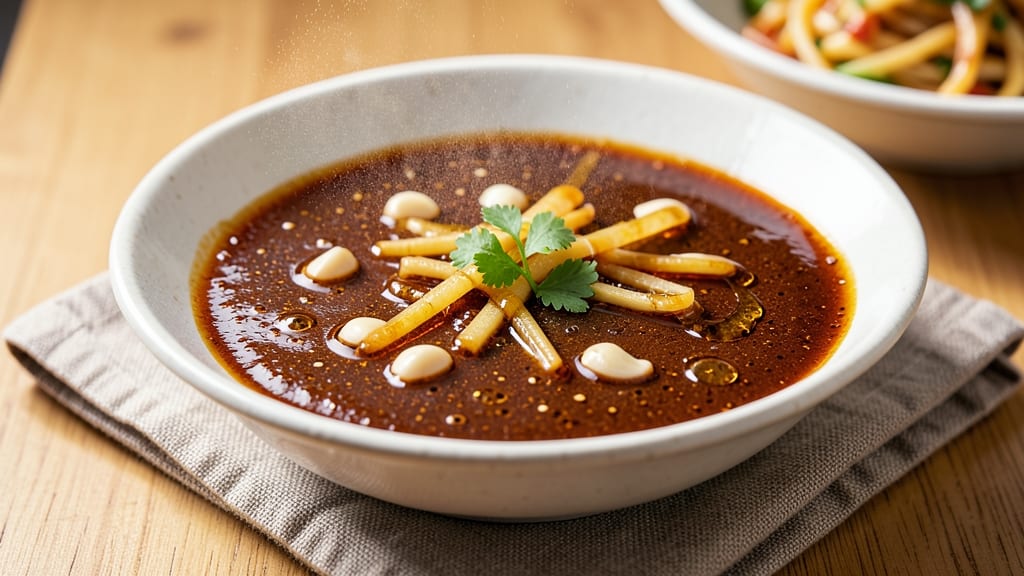
This amazing stir fry sauce recipe transforms ordinary stir-fries into restaurant-quality meals with just a few pantry staples. The secret lies in balancing salty soy sauce with sweet honey, tangy vinegar, and aromatic garlic-ginger for that signature umami kick.
I've perfected this sauce over years of takeout cravings—it's the one I reach for when I need quick, bold flavor without the fuss.
The beauty of this sauce is its versatility—it works with chicken, tofu, shrimp, or veggies, and the ingredients are simple: soy sauce, garlic, ginger, honey, vinegar, and a touch of sesame oil for depth.
No fancy techniques required, just stir and taste as you go. It takes less than 10 minutes to make, and a little goes a long way, so you'll have leftovers for weeks.
What you'll end up with is a glossy, aromatic sauce that clings perfectly to your stir-fry, delivering layers of savory, sweet, and tangy flavors in every bite. The sauce thickens slightly as it cools, making it ideal for tossing or drizzling.
It's the kind of sauce that turns a simple weeknight dinner into something that feels special—without the restaurant price tag.
Store it in the fridge for up to 2 weeks, or freeze for longer shelf life. Double the batch and keep it on hand for those nights when you're craving takeout but want something healthier. This sauce is your new secret weapon for quick, flavor-packed meals.
Ingredients for amazing stir fry sauce
Pantry staples that pack restaurant-quality flavor into every stir-fry.
| Ingredient | Amount | Notes |
|---|---|---|
| Soy Sauce 🥢 | ½ cup | Low-sodium preferred for balance |
| Honey 🍯 | ¼ cup | Pure, unfiltered for depth |
| Rice Vinegar 🍶 | ¼ cup | White or seasoned variety |
| Fresh Ginger 🌿 | 2 tbsp | Finely grated, fresh preferred |
| Garlic Cloves 🧄 | 4 cloves | Minced or pressed for aroma |
| Sesame Oil 🫒 | 1 tbsp | Toasted for nutty flavor |
| Cornstarch 🌾 | 1 tsp | For thickening consistency |
| Water 💧 | ¼ cup | Room temperature preferred |
| Salt 🧂 | ½ tsp | Adjust to taste, kosher preferred |
| Black Pepper 🌶️ | ¼ tsp | Freshly ground for warmth |
The soy sauce is your flavor foundation—Kikkoman or La Choy are solid choices, but any good-quality brand works. If you're avoiding sodium, low-sodium soy sauce lets you control the saltiness better. The honey should be pure, not that cheap grocery store stuff—local raw honey adds subtle floral notes. Ginger and garlic are non-negotiable for that umami punch. I always grab fresh ginger from the produce section (the root, not the paste) and garlic cloves from the bulk bin at Whole Foods—they keep better and taste fresher. Toasted sesame oil is a game-changer, but if you're out, light sesame oil works in a pinch (just add it at the end).
No honey? Maple syrup or agave nectar work beautifully—just reduce the amount slightly since they're more liquid. Short on rice vinegar? Apple cider vinegar or white wine vinegar are great swaps, though the flavor will be slightly different. The cornstarch is key for that glossy finish—arrowroot powder works too if you're gluten-free. If you're making this ahead, the sauce thickens as it cools, so add a splash of water if it gets too stiff. The black pepper might seem small, but it adds warmth that balances the sweetness perfectly.
This sauce keeps for 2 weeks in the fridge, sealed in a jar. It actually tastes better the next day as the flavors meld. For longer storage, freeze in ice cube trays—just thaw and stir before using. Double the batch and store half in the freezer for those nights when you're craving takeout but want something healthier. A little goes a long way, so 1-2 tablespoons per stir-fry is plenty—adjust to taste.
Why You'll Love This Recipe
- Five-Ingredient Magic: I swear by this combo—soy sauce, honey, and vinegar alone make it sing, but the ginger and garlic? That’s where it gets good. No fancy techniques, just a quick simmer while you chop veggies. Honestly, I’ve made it wrong three times, but now it’s my secret weapon.
- Sweet-Savory Balance: The honey cuts through the soy’s saltiness while the vinegar keeps it bright—like a hug in sauce form. My daughter picks out the ginger first, but she’s the one asking for seconds. (Yes, even on a Tuesday night.)
- Weeknight to Party: Slap this on stir-fried chicken, noodles, or even grilled shrimp—it’s the one sauce that works everywhere. I keep a jar in the fridge for lazy nights, but it’s also the star of my takeout-style dinner parties. Not the prettiest, but the taste makes up for it.
- Zero-Waste Convenience: A little goes a long way—this batch lasts me all week, and the leftovers? Just as flavorful cold on rice bowls. Between us, I’ve used it to revive sad takeout, dress up eggs, and even drizzle on popcorn. Budget-friendly, reliable, and always useful.
Step-by-step instructions for umami-packed stir fry sauce
This sauce delivers restaurant-quality depth with just a few pantry staples and simple techniques.
Bloom the Aromatics in Sesame Oil
Heat a small saucepan over medium-low heat and add the 1 tablespoon sesame oil. Let it warm for 30 seconds until fragrant—you'll smell that nutty aroma develop. This step is crucial because it infuses the oil with flavor before adding the other ingredients.
Add the 2 tablespoons finely grated fresh ginger and 4 minced garlic cloves, stirring constantly for 1-2 minutes until the garlic turns golden and the ginger softens. Watch closely—ginger burns quickly, so keep the heat gentle. You're building flavor layers here, not cooking a full dish.
Combine Wet Ingredients
Pour in the 0.5 cup soy sauce, 0.25 cup honey, and 0.25 cup rice vinegar, stirring vigorously to dissolve the honey completely. The mixture should bubble gently as it comes to a simmer. This is where the sauce starts to take shape—balance is key, so don't rush this step.
Add the 0.25 cup water and 0.5 teaspoon salt, then bring the entire mixture to a gentle boil over medium heat. Let it boil for 2-3 minutes to meld the flavors. You'll notice the sauce darkening slightly—that's the honey caramelizing and the soy sauce developing its umami punch.
Thicken the Sauce
Reduce heat to low and sprinkle in the 1 teaspoon cornstarch while stirring constantly. Add the 0.25 teaspoon black pepper at the same time. The cornstarch will create a smooth, glossy finish—this is what gives stir fry sauce that signature cling.
Let the sauce simmer for 3-4 minutes until it thickens enough to coat the back of a spoon. It should be syrupy but still pourable, not gluey. If it thickens too quickly, add 1 tablespoon water at a time until you reach the perfect consistency. The sauce should coat proteins and vegetables beautifully without being overly heavy.
Taste and Adjust
Remove the sauce from heat and let it cool for 5 minutes. Taste it carefully—this is where you decide if it needs balancing. If it's too sweet, add a splash more soy sauce. If it's too tangy, stir in a little more honey. The goal is a perfect harmony where all flavors shine equally.
For extra depth, strain the sauce through a fine-mesh sieve to remove any ginger or garlic bits if you prefer a silky texture. Transfer to a clean jar and let it sit at room temperature for 15 minutes before using. The flavors will continue developing, becoming even more complex as they settle.
Pro Tips For Making Amazing Stir Fry Sauce
- STIR GINGER FIRST: Toss finely minced ginger (about 1 teaspoon) into your hot pan before adding oil—it sizzles and releases aroma instantly. I used to add it later and wondered why my sauce never smelled like a proper stir-fry. (Yes, even if you’re impatient like me.)
- LOW AND SLOW WITH HONEY: Simmer the sauce on medium-low once you add honey—high heat burns it fast, turning your glossy glaze into bitter syrup. My grandmother swore by this, and she was right: patience here makes all the difference.
- MEASURE VINEGAR LAST: Hold off on the rice vinegar until the very end—add it after the sauce thickens slightly, then toss everything together. I learned this the hard way: too early, and the acid thins out the sauce before it can cling to your veggies.
- GARLIC: SMASH DON’T CHOP: Use 2-3 cloves of garlic, but smash them flat with the side of your knife instead of mincing—this prevents burning and gives a deeper, nuttier flavor. Sounds weird, but it works: no more bitter aftertaste ruining your sauce.
Wine and beer pairings for this dish
Light Beers
A crisp, pale lager like Sapporo or Asahi Super Dry is my go-to pairing for this sauce—its clean, slightly effervescent profile cuts through the richness without competing. The subtle malt sweetness complements the honey in the sauce, while the carbonation cleanses your palate between bites.
Serve it well-chilled (40°F) to enhance the contrast with the warm stir-fry flavors. 🍺
Dry Riesling
For a white wine option, a dry Riesling from Germany or Washington State brings bright acidity that mirrors the vinegar in the sauce while its citrus notes play beautifully with the ginger and garlic.
Look for a Kleines Gewächs Riesling—they're lighter-bodied and perfect for balancing the sauce's depth. Chill to 45-50°F to preserve its crispness. 🍷
Sake Pairing
If you're serving this sauce with traditional Asian dishes, dry junmai sake (like Dassai or Gekkeikan) is an authentic choice. Its clean, slightly nutty profile enhances the sesame oil in the sauce while providing a smooth finish.
Serve it chilled (45°F) in small cups alongside your stir-fry. For extra authenticity, add a splash of sake to the sauce when cooking. 🍶
Craft Beer Options
For beer lovers, a wheat beer like Blue Moon or a Belgian witbier such as Hoegaarden adds a refreshing contrast. The citrusy notes in these beers complement the ginger and garlic, while their light body prevents the sauce from feeling too heavy. Serve at 42-45°F to highlight their crispness. 🍺
Non-Alcoholic Choices
Don't want alcohol? A sparkling yuzu soda (like Yuzu Sparkling Yuzu) provides the same citrusy brightness as Riesling without the booze. For a more traditional option, iced green tea with a splash of honey mirrors the sauce's sweet-savory balance. Both work beautifully chilled (38-40°F). 💧
Nutrition facts
Frequently asked questions
Can I make this sauce without honey?
Swap the honey for 0.25 cup maple syrup or agave nectar—both work beautifully. Since these are more liquid, reduce the water slightly to 0.2 cup to maintain balance. The sauce will have a slightly different sweetness profile but still deliver that umami punch.
How do I prevent the sauce from getting too thick?
If your sauce thickens too quickly, simply add 1 tablespoon water at a time while stirring over low heat. The cornstarch will continue thickening as it cools, so err on the side of slightly thinner when hot. For extra insurance, whisk the cornstarch into 2 tablespoons cold water first before adding to the sauce.
What's the best way to store leftovers?
Store in an airtight container in the fridge for up to 2 weeks—it actually tastes better after flavors meld! For longer storage, freeze in ice cube trays. Thaw overnight in the fridge and stir before using. Pro tip: Double the batch and keep half frozen for quick stir-fry nights.
Can I use this sauce for other dishes besides stir-fry?
This sauce is incredibly versatile! Use it as a marinade for grilled chicken or tofu, a dipping sauce for spring rolls, or even a glaze for roasted vegetables. The balance of sweet, tangy, and umami makes it perfect for anything that needs a flavor boost. Just reduce the sauce slightly if using as a glaze.
Why does my sauce taste too salty?
If your sauce tastes too salty, it's likely from the soy sauce. Balance it by adding 1-2 teaspoons honey or maple syrup to counteract the saltiness. If you're using low-sodium soy sauce, you may need to add an extra ¼ teaspoon salt to compensate. Taste as you go—this sauce is all about finding that perfect harmony!