
Sauces & Condiments
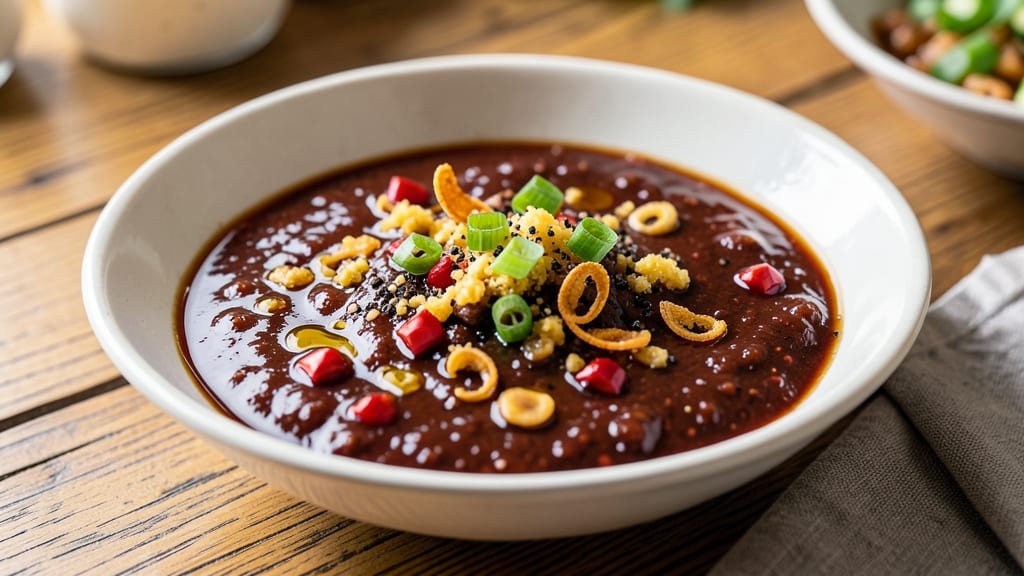
This Asian beef stir fry sauce recipe transforms ordinary stir-fries into restaurant-quality dishes with just 10 minutes of prep. The secret lies in balancing salty soy sauce, rich oyster sauce, and aromatic ginger-garlic for that signature umami depth.
I developed this blend after years of testing—it's the one sauce that elevates every beef stir-fry, whether you're cooking for two or a crowd.
The foundation starts with a simple combination of soy sauce, oyster sauce, and a touch of honey or brown sugar to balance the flavors. Fresh garlic and ginger add that essential aromatic punch, while a splash of rice vinegar brightens the sauce without overpowering.
The beauty of this recipe is its versatility—use it immediately for stir-fries or store it in the fridge for up to a week.
What sets this sauce apart is how it clings to beef and vegetables, creating a glossy, flavorful coating with every bite. The umami-rich oyster sauce adds depth that store-bought versions can't match, while the ginger and garlic ensure every stir-fry tastes fresh and vibrant.
This is the kind of sauce that makes you reach for the wok instead of takeout.
Perfect for beef stir-fries but works beautifully with chicken, shrimp, or even tofu. Once you try this homemade version, you'll never go back to bottled sauces. Let's get started on creating your signature stir-fry sauce.
Ingredients for asian beef stir fry sauce
Nine simple ingredients transform any stir-fry into restaurant-quality magic in minutes.
| Ingredient | Amount | Notes |
|---|---|---|
| Soy Sauce 🍶 | ½ cup | Light or dark variety preferred |
| Oyster Sauce 🦪 | ⅓ cup | High-quality for best flavor |
| Brown Sugar 🍯 | ¼ cup | Packed firmly for accuracy |
| Rice Vinegar 🍶 | ¼ cup | White or seasoned variety |
| Garlic Cloves 🧄 | 4 cloves | Freshly minced for aroma |
| Fresh Ginger 🌿 | 2 tbsp | Finely grated or minced |
| Sesame Oil 🫒 | 1 tbsp | Toasted for nutty flavor |
| Cornstarch 🌾 | 1 tbsp | For thickening consistency |
| Water 💧 | ¼ cup | For thinning if needed |
| Sesame Seeds 🌰 | 1 tsp | Toasted for garnish |
The oyster sauce is non-negotiable here—Lee Kum Kee or Kikkoman are my go-tos, but any high-quality brand works. Soy sauce? Japanese-style (like Kikkoman) has cleaner flavor than American versions. Brown sugar adds depth, but honey or maple syrup work too if you prefer. Ginger and garlic are fresh or frozen—just make sure they're not dried. I always grab extra ginger because it keeps longer than garlic. For sesame oil, toasted is key—it gives that nutty aroma that cheap oils miss.
No oyster sauce? Mushroom sauce or extra soy sauce (reduce by half) gets you close. Subbing honey for sugar? Use the same amount. Sesame oil too strong? Neutral oil plus a pinch of toasted sesame seeds works. Cornstarch is for thickening, but if you hate lumps, whisk it with cold water first. The sauce should coat the back of a spoon—add water 1 tbsp at a time if it's too thick. And yes, you can make this gluten-free with tamari instead of soy sauce.
This sauce keeps for 1 week in the fridge, but it tastes even better the next day. Portion it into small jars for easy use—1 tbsp per stir-fry is perfect. Freezes beautifully for 3 months too. I always make double batches because once you try homemade, you'll never go back to bottled. Garnish with toasted sesame seeds right before serving—trust me on this—it adds that restaurant-quality finish.
Why You'll Love This Recipe
- Pantry Magic: I swear by this sauce because it uses things I already have—no special trips to the store. Just soy, oyster, a spoonful of brown sugar, and a quick minced garlic. The rice vinegar adds that bright pop without extra effort.
- Umami Bomb: That combo of oyster and soy sauce? It’s like flavor crack for beef—deep, salty, and just sweet enough. The garlic sizzles into caramelized bits, and suddenly, your stir-fry tastes like it came from a dim sum spot.
- Leftover Hero: Make a double batch and store it in the fridge. Drizzle it over rice bowls the next day, toss it with frozen veggies for a quick reheat, or even glaze chicken thighs. It’s my go-to for lazy nights when I’m not in the mood to cook from scratch.
- Budget Flex: This sauce costs pennies per serving—way cheaper than pre-made bottles. A little goes a long way, and since it’s just five ingredients, I can tweak it (less sugar, more vinegar) without breaking the bank. Plus, it stretches across multiple meals.
Step-by-step instructions for Asian beef stir fry sauce
This sauce comes together faster than you can say "stir-fry" and packs restaurant-quality flavor.
Mince Garlic and Ginger for Maximum Flavor
Start by finely mincing the 4 cloves garlic cloves and 2 tablespoons fresh ginger. I like to use the flat side of my chef's knife for this—it gives me those tiny, even pieces that infuse flavor without overpowering. You'll want the ginger to be almost paste-like in texture, so don't hold back when grating.
Set these aside in a small bowl while you prepare the rest. Fresh ginger and garlic are the aromatic backbone of this sauce, so taking the time to mince them properly makes all the difference. If you're using a microplane, just a few seconds will give you that perfect texture.
Combine Wet Ingredients for the Base
In a medium saucepan, whisk together the 0.5 cup soy sauce, 0.33 cup oyster sauce, 0.25 cup brown sugar, and 0.25 cup rice vinegar. I use a fork for this step—it helps dissolve the brown sugar completely. Bring the mixture to a gentle simmer over medium heat, stirring occasionally to prevent sticking.
Let it cook for about 3-4 minutes until the sugar dissolves and the mixture begins to thicken slightly. You'll notice the aroma changing as the vinegar mellows and the sugars caramelize just a bit. This is where the sauce starts building its complex flavor profile.
Add Aromatics and Simmer
Once the mixture is simmering, add the minced garlic and ginger. Stir well and let it cook for 2-3 minutes until the raw aroma disappears and you can smell that beautiful garlic-ginger fragrance. This is your signal that the aromatics have properly infused into the sauce.
Next, stir in the 1 tablespoon sesame oil. The sauce will look slightly oily, but this is good—it adds depth and richness. Keep the heat at medium-low to prevent the sauce from boiling over while the flavors meld together. You're looking for about 5 minutes of total simmering time at this stage.
Thicken the Sauce Perfectly
In a small bowl, whisk together the 1 tablespoon cornstarch with the 0.25 cup water until smooth. This slurry is what will give your sauce that perfect glossy consistency. Slowly pour it into the simmering sauce while stirring constantly.
Let the sauce thicken for 1-2 minutes until it coats the back of a spoon. You want it to be smooth and slightly syrupy but still pourable—not gluey. If it thickens too quickly, just add a splash more water to adjust. The sauce should be ready when it reaches a 1:1 ratio of sauce to cornstarch mixture.
Finish and Garnish for Presentation
Remove the sauce from heat and let it cool slightly. Once it's at room temperature, taste and adjust seasoning if needed—you might want to add a pinch more brown sugar for sweetness or a splash of rice vinegar for tang.
For that final touch, toast the 1 teaspoon sesame seeds in a dry skillet over low heat for about 1 minute until golden and fragrant. Sprinkle them over the finished sauce just before serving. The seeds add a beautiful crunch and visual appeal that makes this homemade sauce look like it came straight from an Asian bistro.
Pro Tips For Making Asian Beef Stir Fry Sauce
- Bloom the Garlic First: Toss those minced cloves into the pan a full 30 seconds before adding anything else—just until they’re fragrant but not brown. I learned this the hard way after burning three batches; garlic burns faster than you’d think, and once it’s bitter, no amount of sauce can save it.
- Balance the Sweet-Sour Ratio: Taste your sauce before adding the beef—adjust brown sugar to rice vinegar like 2:1 (or to taste). I used to eyeball it and end up with something cloying or tangy. A quick dip of your spoon guarantees harmony, not regret.
- Deglaze with Vinegar Last: Add the rice vinegar after the beef is mostly cooked, not at the start. It’ll cook off too fast and leave your sauce flat. Save it for the final 30 seconds to brighten everything up—like a splash of cold water on a hot pan.
- Use Thick Oyster Sauce: Skip the watery stuff—opt for thick oyster sauce (it’s worth the extra $). Thin sauce dilutes the flavor, and you’ll end up chasing depth with more soy or sugar. Trust me, your stir-fry will taste like it came from a wok, not a can.
Make-ahead tips for this dish
Prep Ahead for Efficiency
Make this sauce a day in advance—it actually tastes better as the flavors meld overnight. Store it in an airtight container in the fridge, and you'll save 10 minutes of prep time on busy weeknights.
I keep it in a small glass jar (like Le Parfait 8oz) because it's easy to grab and pour directly into my wok. 💫
Freeze for Long-Term Use
Portion the sauce into ice cube trays or small freezer bags for easy single-use servings. Each cube equals about 1 tablespoon, perfect for a quick stir-fry. Label with the date—this sauce stays fresh in the freezer for up to 3 months without losing flavor.
Thaw overnight in the fridge or microwave for 30 seconds before using.
Double Batch for Meal Prep
This sauce multiplies easily—just double the ingredients for a 2-cup batch that covers multiple meals. Store half in the fridge and freeze the other half. I use this strategy when prepping for the week: make a big batch on Sunday, freeze portions, and thaw as needed.
The extra work upfront saves time when you're craving takeout-style flavor on a Tuesday night.
Garnish Prep Shortcut
Toast your sesame seeds in bulk and store them in a small spice jar with a tight lid. This way, you can quickly garnish any dish without last-minute prep. I keep mine in my pantry near my wok station—just shake and sprinkle.
For extra efficiency, pre-portion the seeds into tiny containers so you can grab exactly what you need. 🌰
Adjust for Freezing
If freezing, add 1 extra teaspoon of cornstarch to the recipe to prevent separation. The sauce may thicken slightly when thawed, so add 1-2 tablespoons of water when reheating.
I like to reheat frozen sauce in a small saucepan over low heat for 3-4 minutes, stirring constantly until smooth. This method preserves the sauce's glossy texture perfectly.
Sauce Storage Containers
Use glass containers for fridge storage—they're microwave-safe and don't absorb odors like plastic. For freezing, opt for silicone molds or freezer-safe bags to prevent freezer burn. I recommend Stasher bags for their resealable convenience.
Always leave ½ inch headspace when storing to allow for expansion if frozen. Label everything clearly to track freshness! ❄️
Nutrition facts
Frequently asked questions
Can I substitute oyster sauce in this recipe?
Yes! If you don't have oyster sauce, use ½ cup mushroom sauce or ¼ cup extra soy sauce plus 1 tbsp hoisin sauce for depth. For a vegetarian version, replace with 1 tbsp soy sauce + 1 tbsp maple syrup + 1 tsp miso paste. The key is balancing umami and sweetness—adjust to taste after cooking.
How much sauce should I use per stir-fry?
For a 1-pound beef stir-fry, use 2-3 tablespoons of sauce. Start with less and add more at the end—this prevents overpowering the dish. For extra veggies (like bell peppers or broccoli), increase to 3-4 tablespoons. The sauce clings beautifully, so a little goes a long way!
Why did my sauce turn out too thick?
This usually happens if you simmered too long or didn't thin with water. Fix it by whisking in 1-2 tablespoons of warm water while reheating. For future batches, remove from heat as soon as it coats the back of a spoon. Pro tip: Use a 1:1 cornstarch-to-water ratio and add gradually while stirring constantly.
Can I use this sauce for other proteins?
It works perfectly with chicken, shrimp, or tofu. For seafood, reduce the soy sauce to ¼ cup (it's naturally salty). For pork, add ½ tsp five-spice powder to the sauce. The ginger-garlic base makes it versatile—just adjust sweetness to match your protein's flavor profile.
How do I make this gluten-free?
Swap the soy sauce for tamari (gluten-free soy sauce) and use coconut aminos if needed. Check oyster sauce labels—some brands are naturally gluten-free (like Kikkoman Gluten-Free Oyster Sauce). For extra umami, add 1 tbsp nutritional yeast or 1 tsp fish sauce (if not avoiding seafood).