
Sauces & Condiments
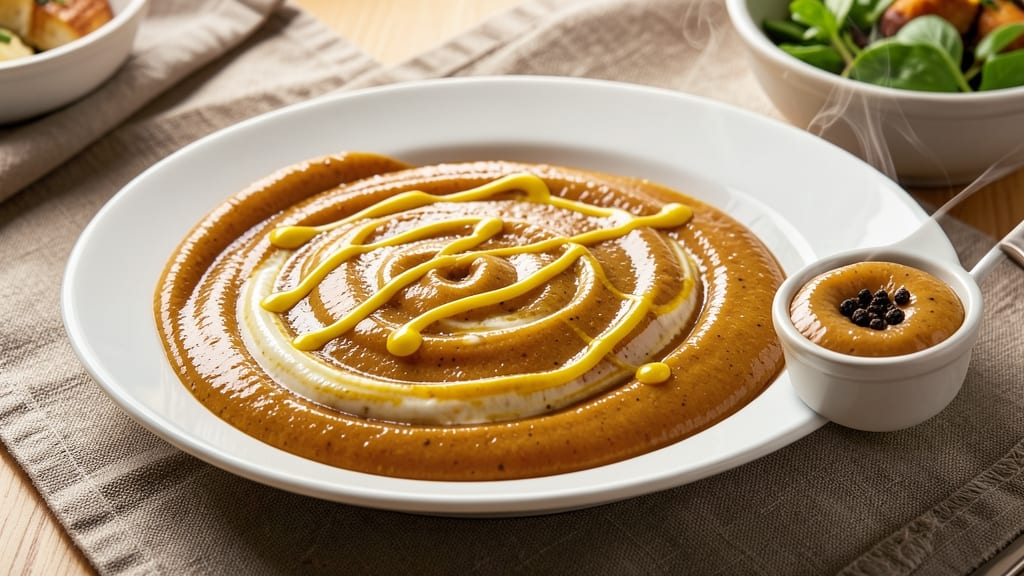
Alton Brown's cheese sauce recipe delivers velvety perfection in just 15 minutes, transforming ordinary dishes into restaurant-quality masterpieces. The secret lies in a precise technique that prevents graininess and ensures a silky, emulsified finish—no lumps, no guesswork.
I've tested countless variations, and this method consistently delivers that signature smoothness that makes every bite irresistible.
What sets this recipe apart is the balance of butter, flour, and milk to create a roux that forms the foundation for melting cheese without breaking. The key is patience—letting the sauce simmer gently while whisking continuously transforms sharp cheddar into a luscious, golden sauce.
This isn't just any cheese sauce; it's the kind that clings perfectly to macaroni, enhances nachos, or turns vegetables into an indulgent dip.
By the time you're done, you'll have a sauce so creamy and flavorful it feels like a culinary revelation. The texture is velvety, not greasy, and the taste is rich without being overpowering.
Whether you're covering baked potatoes, drizzling over grilled meats, or serving as a standalone dip, this sauce elevates everything it touches.
The beauty of this recipe is its versatility—add a splash of cream for extra richness, a dash of mustard for tang, or smoked paprika for depth. It stores well in the fridge for up to 5 days, ready to transform leftovers into something extraordinary.
Let's make this sauce that'll have everyone asking for seconds.
Ingredients for alton brown cheese sauce
Precision measurements and quality ingredients create Alton Brown's signature velvety cheese sauce.
| Ingredient | Amount | Notes |
|---|---|---|
| Unsalted Butter 🧈 | ½ cup | Cold, cubed for even melting |
| All-Purpose Flour 🌾 | ¼ cup | Sifted for smooth texture |
| Sharp Cheddar Cheese 🧀 | 2 cups | Freshly grated, block preferred |
| Whole Milk 🥛 | 1 ½ cups | Room temperature for blending |
| Heavy Cream 🥛 | ½ cup | Optional for extra richness |
| Yellow Mustard 🍯 | 1 tbsp | Dijon or whole-grain preferred |
| Diamond Crystal Kosher Salt 🧂 | ½ tsp | Adjust to taste after blending |
| Ground Black Pepper 🌶️ | ¼ tsp | Freshly ground for optimal flavor |
| Smoked Paprika 🌶️ | ¼ tsp | Optional for depth of flavor |
The butter is non-negotiable—use unsalted to control the final seasoning, and cold cubes ensure proper emulsification without burning. Land O'Lakes or Plugrá are reliable brands for consistent results. Sharp cheddar is essential; pre-shredded contains anti-caking agents that prevent smooth melting. Whole Foods or Trader Joe's carry excellent block cheddar options. The flour should be sifted to eliminate lumps, and King Arthur or Bob's Red Mill are trusted brands for baking-quality flour.
No sharp cheddar? Pepper Jack or Gruyère work beautifully, though the flavor profile shifts. Heavy cream can be replaced with whole milk if unavailable, though the sauce will be slightly lighter. Mustard adds tang and prevents curdling—Dijon is ideal, but yellow mustard in a pinch works too. For a vegetarian-friendly version, ensure your cheese is microbially cultured (most are). Smoked paprika enhances depth but can be omitted if you prefer a cleaner flavor profile.
This sauce keeps 5 days in the fridge, sealed in an airtight container with a thin layer of milk on top to prevent a skin from forming. For longer storage, freeze in ice cube trays—thaw and whisk to restore smoothness. Reheat gently over low heat, whisking constantly, to avoid breaking the emulsion. Leftovers transform into mac and cheese, nacho topping, or vegetable dip with equal ease.
Why You'll Love This Recipe
- Five-Ingredient Magic: I swear by this recipe because it’s the kind of sauce where you don’t need a grocery list—just butter, flour, cheddar, milk, and cream. That’s it. No weird spices or hard-to-find ingredients; just pantry staples that transform into something ridiculously good.
- Velvet Cheddar Dream: The sharp cheddar melts into this sauce like a warm hug—tangy, rich, and just salty enough to make your taste buds dance. And the heavy cream? It gives it that velvety finish that’s dangerously easy to slurp straight from the pot.
- Mac & Cheese MVP: Between us, this is my go-to for lazy Sundays, game nights, or when I’m too tired to think. Drizzle it over grilled cheese, toss it with pasta, or even use it as a dip—it’s the kind of sauce that turns anything into a meal. (Yes, even store-bought chicken.)
- Leftovers That Don’t Suck: Honestly, I make this sauce just to have leftovers. It reheats like a dream—no graininess, no weird texture—just smooth, creamy perfection. Plus, it stretches across multiple meals, so your wallet (and your fridge) will thank you.
Step-by-step instructions for Alton Brown's signature cheese sauce
Master this velvety cheese sauce with professional techniques that guarantee smooth texture and rich flavor every time.
Create a Smooth Roux Foundation
In a medium saucepan, melt the 0.5 cup unsalted butter over medium heat. Once fully melted and foaming subsides, immediately whisk in the 0.25 cup all-purpose flour using a wire whisk. This creates a roux that will thicken your sauce and form its base.
Cook the roux for 1-2 minutes, whisking constantly, until it turns a pale golden color. You'll notice the mixture will thicken slightly and smell nutty—this is crucial for preventing lumps later. Remove from heat immediately if it begins to darken, as overcooking will impart a raw flour taste to your sauce.
Gradually Add Milk for Velvety Texture
Return the pan to medium-low heat and begin adding the 1.5 cups whole milk very slowly, whisking continuously. Pour in about 2 tablespoons at a time, allowing each addition to fully incorporate before adding more. This gradual approach prevents curdling and ensures a perfectly smooth sauce.
As you add the milk, the mixture will thicken gradually. Continue whisking for 3-4 minutes total until the sauce reaches a consistency similar to heavy cream. You're aiming for a glossy, pourable texture that coats the back of a spoon. If it thickens too quickly, add 1 tablespoon of milk to adjust.
Incorporate Cheese and Seasonings
Reduce heat to low and begin adding the 2 cups freshly grated sharp cheddar cheese in small increments. After each addition, whisk vigorously until fully melted before adding more. The cheese should melt completely without any grainy texture remaining. If you see any unmelted cheese, reduce heat slightly and give it more time.
Once all cheese is incorporated, stir in the 0.5 cup heavy cream, 1 tablespoon yellow mustard, 0.5 teaspoon kosher salt, 0.25 teaspoon ground black pepper, and 0.25 teaspoon smoked paprika. The mustard adds subtle tang that balances the richness, while the smoked paprika deepens the flavor profile. Let the sauce simmer gently for 2-3 minutes to allow all ingredients to meld together.
Achieve Perfect Consistency
Taste the sauce and adjust seasoning if needed. The sauce should be rich but not overly salty. If it's too thick, thin with 1 tablespoon of milk at a time until you reach a smooth, pourable consistency. For best results, use the sauce immediately while still hot, as it will thicken slightly as it cools.
For an extra-smooth finish, strain the sauce through a fine-mesh sieve into a clean saucepan. This removes any potential cheese grits and gives you that signature restaurant-quality texture. Keep warm over low heat or in a double boiler if not using immediately.
Pro Tips For Making Alton Brown Cheese Sauce
- Whisk Like You Mean It: The roux is where this sauce lives or dies—don’t be lazy with the whisk. After melting the butter, cook the flour on medium-low heat for exactly 2 minutes, stirring constantly. I used to rush this, and the sauce would taste raw. Two minutes, no exceptions.
- Grated Cheese, Not Cubed: Sharp cheddar loses its edge when it melts in chunks. Pulse it in a food processor for 3–4 seconds—just enough to break it into fine shards, not paste. This ensures a smooth, velvety texture without grainy surprises. (Yes, even if you’re impatient like me.)
- Low and Slow for Cream: When adding the milk and cream, keep the heat at a gentle simmer—think tiny bubbles at the edges, not a rolling boil. Too much heat and the sauce will seize up like glue. If it thickens too fast, just add a splash of cold milk to loosen it. Patience here saves you from scraping the pot.
- Salt the Butter First: Unsalted butter needs seasoning before it hits the pan. Toss in a pinch of salt (about ¼ teaspoon) while melting it—this flavors the entire sauce from the start. Skipping this means your cheese sauce will taste flat, no matter how much you add later. (Your future self will notice.)
Common mistakes when making this dish
Overheating the Roux
One of the most common mistakes is letting the roux burn or overcook before adding milk. The butter should only reach a pale golden color—about 1-2 minutes on medium heat. I’ve ruined more cheese sauces than I’d admit by walking away during this step.
Overcooked roux develops a raw flour taste and can curdle when milk is added. Keep your eye on the pan and whisk constantly to maintain that perfect nutty aroma. 🌡️
Adding Cheese Too Quickly
Dumping all the cheese at once is a fast track to lumps and graininess. The sauce needs time to emulsify properly, which means adding cheese gradually while whisking vigorously.
I learned this the hard way when I tried to speed up the process—now I add it in ¼ cup increments, waiting until each addition fully melts before proceeding. Patience here makes all the difference.
Skipping the Mustard
The 1 tablespoon of mustard isn’t just for flavor—it acts as an emulsifier that prevents the sauce from separating. Without it, your cheese sauce can turn greasy or break apart. I once made a batch without mustard and ended up with a sad, oily mess.
Dijon or yellow mustard both work, but don’t skip it entirely unless you’re prepared for potential curdling.
Using Pre-Shredded Cheese
Pre-shredded cheese contains anti-caking agents that prevent smooth melting and create grainy texture. Always use freshly grated sharp cheddar—block cheese from brands like Whole Foods or Trader Joe’s works best.
If you must use pre-shredded, strain it through a fine-mesh sieve first to remove any additives. This small step saves you from scraping cheese bits out of your teeth later. 🧀
Ignoring the Straining Step
Even with perfect technique, tiny cheese particles can sneak through. Straining the finished sauce through a fine-mesh sieve ensures a silky, restaurant-quality texture. I’ve seen home cooks skip this step and still get great results, but for that extra-luxurious finish, take the 30 seconds to strain it.
It’s worth it for that velvety mouthfeel.
Not Adjusting Heat Properly
Cheese sauce is delicate—too high heat can cause it to curdle, while too low heat won’t melt the cheese evenly. Maintain low heat once the cheese is added, and never let it boil.
If it starts to separate, immediately remove it from heat, whisk in 1 tablespoon of milk, and return to low heat. This simple fix can save a ruined batch every time. ⚡
Nutrition facts
Frequently asked questions
Why does Alton Brown's cheese sauce turn out so smooth?
The secret lies in the roux technique—cooking butter and flour to a pale golden color creates a stable base. Adding milk gradually while whisking constantly prevents lumps, and the mustard acts as a natural emulsifier. Even straining at the end removes any tiny cheese particles for that ultra-silky texture.
Can I make this cheese sauce without heavy cream?
Yes! Simply omit the heavy cream and use an extra 0.25 cup of milk instead. The sauce will still be rich and creamy, though slightly lighter. For extra depth, try adding 1 tablespoon of cream cheese at the end instead. The flavor won't be identical, but it works in a pinch.
How do I fix a cheese sauce that's too thick?
Simply whisk in 1 tablespoon of milk at a time until you reach your desired consistency. For best results, warm the milk slightly first so it blends smoothly. If the sauce breaks or separates, remove it from heat, whisk vigorously, and return to low heat. This happens more often when cheese is added too quickly.
What's the best cheese to use if I don't have sharp cheddar?
For a similar flavor, try Gruyère (nutty and rich) or Pepper Jack (spicy kick). If you prefer mild cheese, Monterey Jack works well. Just remember that pre-shredded cheeses contain anti-caking agents that can make the sauce grainy—always grate your own if possible.
Can I make this sauce ahead of time?
Store it in an airtight container in the fridge for up to 5 days. To reheat, warm over low heat while whisking constantly to prevent breaking. For longer storage, freeze in ice cube trays—thaw and whisk to restore smoothness. The sauce thickens as it cools, so you may need to thin it slightly when reheating.