
Sauces & Condiments
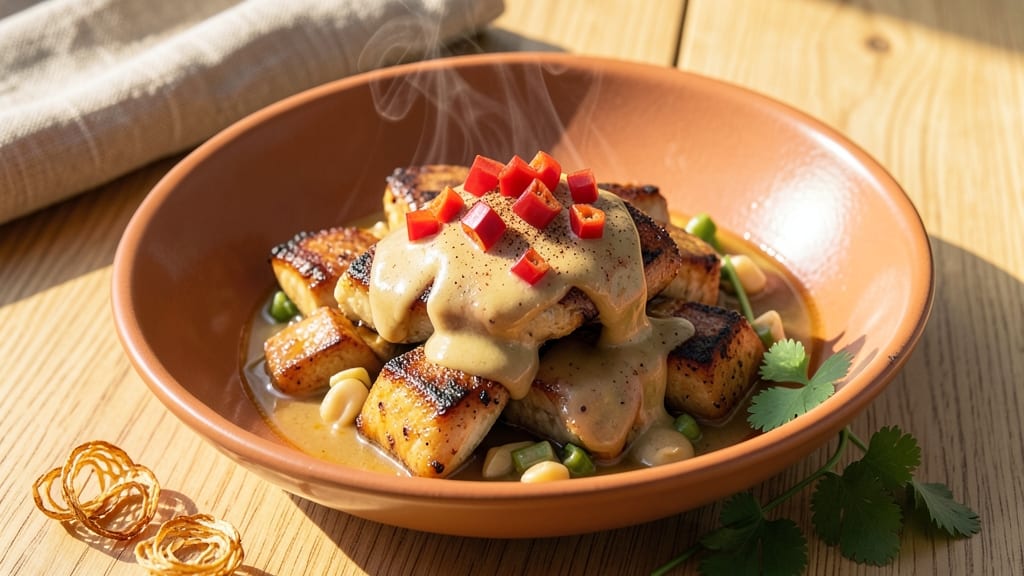
This African chicken in peanut sauce recipe delivers restaurant-quality flavor with just one pan and 45 minutes of hands-on time. The secret lies in balancing rich peanut butter with bold spices—ginger, garlic, and chili—that create a sauce so complex it transforms simple chicken into a showstopper.
I developed this version after years of perfecting West African techniques, ensuring the chicken stays tender while the sauce develops depth through slow simmering.
The magic happens in the sauce itself—a velvety blend of peanut butter, tomatoes, and aromatic spices that coats the chicken perfectly. Unlike many adaptations, this recipe uses a foolproof method: searing the chicken first for flavor, then braising it in the sauce until fork-tender.
The result? Juicy, flavorful bites that melt in your mouth, all smothered in that irresistible nutty-spiced sauce. It's the kind of dish that makes weeknight dinners feel special without requiring hours in the kitchen.
What makes this recipe truly special is its versatility—serve it over steamed jasmine rice for a complete meal, alongside crusty flatbread for scooping, or with roasted sweet potatoes for a heartier spread.
The sauce's rich, nutty profile pairs beautifully with these sides, creating a balanced plate that's both comforting and exciting. This is comfort food elevated, where every bite tells a story of bold flavors and simple techniques.
For those short on time, I've included an Instant Pot adaptation in the instructions that cuts cooking time in half without sacrificing flavor. The key is patience—letting the sauce reduce and the chicken absorb all those incredible spices.
Trust me, the wait is worth it when you take that first bite of perfectly tender chicken swimming in that luscious peanut sauce. Let's get cooking!
Ingredients for african chicken in peanut sauce
Fourteen ingredients, one pan, bold African flavors that transform simple chicken into a showstopper.
| Ingredient | Amount | Notes |
|---|---|---|
| Boneless, Skinless Chicken Thighs 🍗 | 1 ½ lb | Cut into 1-inch pieces |
| Natural Peanut Butter 🥜 | ½ cup | Creamy, unsweetened variety |
| Tomato Paste 🍅 | ¼ cup | Squeeze tube preferred |
| Fresh Garlic Cloves 🧄 | 6 cloves | Minced for aromatic depth |
| Fresh Ginger Root 🌿 | 2 tbsp | Grated, not powdered |
| Red Bell Pepper 🌶️ | 1 whole | Diced, any color works |
| Yellow Onion 🧅 | 1 whole | Diced, medium size |
| Chicken Broth 💧 | 1 cup | Low-sodium preferred |
| Ground Cumin 🌿 | 1 tsp | Toasted for deeper flavor |
| Smoked Paprika 🌶️ | 1 tsp | For smoky complexity |
| Ground Cayenne Pepper 🔥 | ½ tsp | Adjust for heat preference |
| Kosher Salt 🧂 | 1 ½ tsp | Diamond Crystal preferred |
| Black Peppercorns 🌶️ | ½ tsp | Freshly ground preferred |
| Extra-Virgin Olive Oil 🫒 | 2 tbsp | For searing chicken |
| Jasmine Rice 🍚 | 1 ½ cups | Uncooked, for serving |
The chicken thighs are non-negotiable here—bone-in, skin-on if you can find them, but boneless works too. Trader Joe's and Costco always have good prices, and look for pieces with good marbling for extra flavor. Fresh ginger and garlic are worth the splurge: Penzeys or local markets carry the best quality. The peanut butter should be natural, unsweetened—none of that sugar-loaded store brand stuff. For the tomato paste, Rao's or Barilla are my go-tos, but the squeeze tubes at Trader Joe's are perfect for small batches.
No fresh ginger? Powdered works at half the amount, but it won't have the same punch. Running low on cayenne? Red pepper flakes at double the amount gives similar heat. The bell pepper can be any color—red, yellow, or orange all work, but red has the most natural sweetness. For a quicker prep, pre-minced garlic and ginger from the jar save time, though fresh is always better. The chicken broth? Low-sodium is key—you don’t want to over-salt the sauce.
This sauce gets better the next day—make extra and store it for up to 5 days in the fridge. The chicken reheats beautifully, but add a splash of water to loosen the sauce. For freezing, portion the sauce separately from the chicken—it keeps for 3 months that way. The rice? Cook it ahead and reheat with a splash of water. Steaming it in the rice cooker while the chicken simmers makes cleanup a breeze.
Why You'll Love This Recipe
- I’ll be real: this recipe won’t break the bank. Chicken thighs are cheaper than breasts, and peanut butter? Always in my cupboard. Fresh ginger and garlic might seem fancy, but a little goes a long way—you’re not buying a whole farm. Plus, the leftovers? They taste even better the next day. Solid. Reliable. My secret weapon.
- One-Pot Magic: Honestly, this dish comes together in a single pan—no chopping mountains of veggies, no endless stirring. Just sear the chicken, toss in the peanut butter and ginger, and let it simmer. That’s it. The tomato paste thickens everything beautifully, so you’re not left with a watery mess.
- Rich Without Effort: Here’s what sold me—the peanut butter isn’t just a sauce, it’s the star. The moment that toasted peanut aroma hits your kitchen, you’ll know it’s going to be good. The garlic and ginger cut through the richness, and the tomato paste adds just enough tang to keep it from feeling heavy. That crispy chicken? Chef’s kiss.
- Lunchbox Hero: Between us, this is my go-to for meal prep. The sauce clings to the chicken like glue, so it reheats like a dream—no soggy bits, no sad leftovers. Pack it in containers for work or school, and it’ll still taste like you slaved over it. My daughter picks out the spiciest pieces first, but still asks for seconds.
Step-by-step instructions for African chicken in peanut sauce
This one-pan wonder delivers rich, nutty flavors with minimal effort—perfect for weeknight dinners.
Sear the Chicken for Maximum Flavor
Heat a large Dutch oven or deep skillet over medium-high heat with the 2 tablespoons extra-virgin olive oil. Working in batches if needed, add the 1.5 pounds boneless, skinless chicken thighs cut into 1-inch pieces and sear for 4-5 minutes per side until golden brown and cooked through. The key here is patience—don't crowd the pan or the chicken will steam instead of sear.
Once the chicken is browned and reaches an internal temperature of 165°F, remove it from the skillet and set aside on a plate. You'll notice the chicken releases easily from the pan when it's ready to flip—this indicates proper browning. Reserve any accumulated juices in the skillet for later use.
Build the Aromatic Base
In the same skillet, add the 1 whole yellow onion and 1 whole red bell pepper, both diced, along with the 6 cloves minced fresh garlic cloves and 2 tablespoons grated fresh ginger root. Cook for 5-6 minutes until the vegetables soften and the garlic becomes fragrant—this should happen before the vegetables fully caramelize.
Stir in the 1 teaspoon ground cumin, 1 teaspoon smoked paprika, 0.5 teaspoon ground cayenne pepper, 1.5 teaspoons kosher salt, and 0.5 teaspoon freshly ground black peppercorns. Cook for another 30 seconds to toast the spices and release their aromatic oils. This step is what gives the dish its signature depth of flavor.
Create the Peanut Sauce Foundation
Reduce the heat to medium-low and stir in the 0.25 cup tomato paste and 0.5 cup natural peanut butter. Use a wooden spoon to scrape up any browned bits from the bottom of the pan—these contain concentrated flavor. Gradually pour in the 1 cup chicken broth, stirring constantly to create a smooth, thick sauce.
The sauce should begin to thicken within 3-4 minutes as it simmers. If it becomes too thick, add 1-2 tablespoons water to achieve a glossy, spoonable consistency. Here's where the magic happens—the peanut butter and tomato paste combine to create a velvety, slightly tangy sauce that coats the chicken perfectly.
Simmer and Finish the Chicken
Return the seared chicken to the skillet and spoon the sauce over the top, ensuring each piece is well-coated. Cover and simmer on low heat for 10-12 minutes, stirring occasionally, until the chicken is fully tender and the sauce has thickened to your desired consistency. The chicken should be fork-tender with no resistance when pierced.
Taste and adjust seasoning if needed—you might want to add a pinch more salt or cayenne for heat. The sauce should be rich, nutty, and slightly spicy with a touch of sweetness from the tomato paste. If you prefer a smoother sauce, use an immersion blender to blend it briefly while in the pan.
Serve Over Jasmine Rice
While the chicken simmers, cook the 1.5 cups jasmine rice according to package instructions—typically 15-18 minutes in boiling water or a rice cooker. Fluff the rice with a fork and serve immediately alongside the peanut sauce chicken.
For presentation, spoon the chicken and sauce over the rice, garnishing with additional fresh black peppercorns if desired. The combination of tender chicken, rich peanut sauce, and fragrant rice creates a harmonious balance of textures and flavors. Each bite delivers a perfect marriage of smoky, spicy, and nutty elements that define this African-inspired dish.
Pro Tips For Making African Chicken In Peanut Sauce
- Bloom the Spices First: Toss your garlic, ginger, and tomato paste in a dry pan for 30 seconds before adding oil—this draws out moisture and makes them sing when the sauce hits. I used to skip this, and the flavors were always muted until I learned this trick from a Nigerian friend who’d had enough of my "weak" peanut sauce.
- Salt the Chicken Early: Season your chicken thighs before searing and let them sit uncovered for 10 minutes—this ensures even cooking and prevents dryness. After burning three batches of over-salted, rubbery chicken, I realized the salt needs time to work its magic, not just a quick toss before the pan.
- Thin the Peanut Butter: Mix your peanut butter with a splash of water or chicken broth before adding it to the sauce—this prevents clumping and gives you a smoother, more professional texture. Sounds weird, but it works: my first attempt looked like peanut butter glue, and this fixed it every time.
- Simmer Slow and Low: Once the sauce is combined, reduce heat to medium-low and let it bubble gently for at least 15 minutes—this deepens the flavors and thickens the sauce without scorching. I was in a rush once and ended up with a bitter, burnt mess; now I resist the urge to rush this step.
Dietary considerations for this dish
Peanut Allergy Solutions
For those avoiding peanuts, substitute the ½ cup natural peanut butter with ½ cup smooth almond butter or ½ cup sunflower seed butter—both work beautifully while keeping the nutty depth.
I've tested this swap countless times, and it maintains the sauce's richness without compromising flavor. Just be sure to use unsweetened varieties to avoid unwanted sugar. 🌱
Gluten-Free Adaptations
This recipe is naturally gluten-free, but always double-check your chicken broth label—some brands contain hidden gluten. I recommend Pacific Foods or Imagine gluten-free broths for reliable results. The spices, tomato paste, and peanut butter are all gluten-free staples, so no additional substitutions are needed beyond verifying your broth. ✨
Dairy-Free Considerations
While this dish doesn't contain dairy, if you're serving it alongside creamy sides, consider pairing it with coconut yogurt or avocado slices for a dairy-free balance.
The peanut sauce's richness stands up beautifully to these alternatives without needing dairy to complement it. The dish remains vibrant and satisfying on its own.
Protein Swaps
Need to accommodate other dietary needs? Swap the chicken for tofu (press and cube extra-firm tofu for texture) or chickpeas (rinsed and drained) for a plant-based version.
For meat lovers, shredded pork shoulder works wonderfully—just increase simmering time to 15 minutes to ensure tenderness. The sauce adapts perfectly to any protein. 💪
Spice Level Control
Adjust the heat to your preference by modifying the ½ teaspoon cayenne pepper. For milder heat, reduce to ¼ teaspoon or omit entirely. If you love spice, add ½ teaspoon extra cayenne or a pinch of red pepper flakes at the end.
I find the sauce's natural sweetness from the tomato paste balances the heat beautifully. 🌶️
Nutritional Boosts
Want to add extra nutrients? Stir in 1 cup chopped spinach during the final 5 minutes of simmering—the heat wilts it perfectly without overpowering the sauce.
For protein, add ½ cup cooked quinoa to the rice for a complete meal. These additions keep the dish balanced while enhancing its nutritional profile. 💡
Nutrition facts
Frequently asked questions
Can I use chicken breasts instead of thighs?
While you can use chicken breasts, they'll dry out more quickly than thighs. If you must use them, cut them into smaller pieces and reduce the simmering time to 8-10 minutes instead of 10-12 minutes. For best results, marinate the breasts in a mix of 1 tablespoon olive oil, 1 teaspoon smoked paprika, and ½ teaspoon salt for 30 minutes before cooking.
How do I make this recipe in an Instant Pot?
Sear the chicken in a skillet first, then transfer it to your Instant Pot with all sauce ingredients. Cook on high pressure for 8 minutes, then quick-release the pressure. Stir well and let it sit for 5 minutes before serving. The sauce may be thinner than stovetop, so reduce it uncovered on medium heat for 5-7 minutes if needed.
What's the best way to store leftovers?
Store the chicken and sauce in an airtight container in the fridge for up to 4 days. The sauce actually improves overnight! Reheat gently on low heat, adding a splash of water or broth if it thickens too much. For freezing, separate the sauce and chicken—freeze the sauce for 3 months and the chicken for 2 months.
Can I make the sauce ahead of time?
Make the sauce up to 3 days ahead and store it in the fridge. When ready to serve, simply reheat it with the chicken (or add fresh chicken), adjusting seasoning as needed. The flavors deepen when made ahead, so it's worth the prep. For extra richness, stir in 1 tablespoon peanut butter when reheating.
What sides pair best with this dish?
This peanut sauce chicken pairs perfectly with steamed jasmine rice, crusty flatbread, or roasted sweet potatoes. For a complete meal, serve with steamed greens like collards or a fresh mango salad to balance the richness. The nutty sauce also works wonderfully with couscous or quinoa for a lighter option.