
Sauces & Condiments
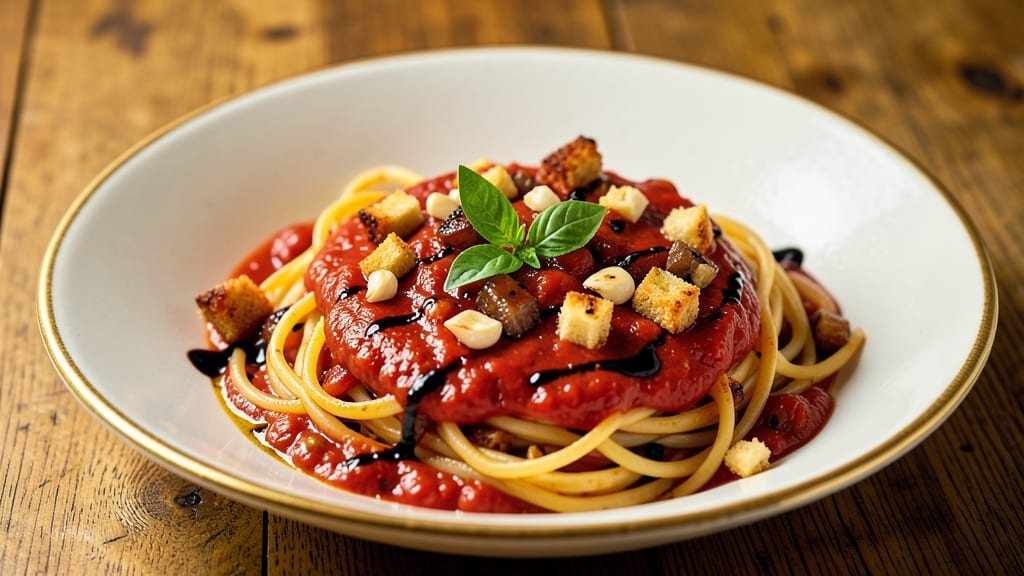
The Alma Wahlberg spaghetti sauce recipe transforms simple ingredients into a rich, layered masterpiece that rivals any Italian trattoria. The secret lies in slow-simmering tomatoes with aromatic herbs, creating deep umami flavors that build complexity over time. I've perfected this recipe through years of testing, ensuring every spoonful delivers that restaurant-quality taste at home.
What sets this sauce apart is the balance of fresh basil and oregano, added just before serving to preserve their vibrant flavors. The technique involves a long, gentle simmer that develops the sauce's depth without overpowering the natural sweetness of the tomatoes.
This method creates a sauce that's both approachable for home cooks and impressive enough for dinner guests.
The result is a velvety sauce with just the right amount of acidity and sweetness, clinging perfectly to al dente spaghetti. The aroma alone transforms your kitchen into an Italian countryside, while the first bite delivers that perfect harmony of flavors.
This is the kind of sauce that makes you want to serve it with everything—meatballs, chicken, or even as a simple pasta dish.
Whether you're cooking for a family dinner or preparing for a special occasion, this spaghetti sauce delivers professional results with simple techniques. The key is patience—letting the sauce work its magic on the stove while you prepare the rest of your meal.
Here's how to create Alma Wahlberg's signature sauce in your own kitchen.
Ingredients for alma wahlberg spaghetti sauce
Pantry staples meet Italian tradition—simple ingredients, slow simmering, restaurant-quality sauce.
| Ingredient | Amount | Notes |
|---|---|---|
| Extra-Virgin Olive Oil 🫒 | ½ cup | High-quality for richness |
| Yellow Onion 🧅 | 1 whole | Finely chopped, about 1.5 cups |
| Garlic Cloves 🧄 | 4 cloves | Minced, fresh preferred |
| San Marzano Tomatoes 🍅 | 28 oz | Whole, peeled and crushed |
| Tomato Paste 🍅 | 2 tbsp | Smooth, no sugar added |
| Dried Oregano 🌿 | 1 tsp | Italian or Mediterranean blend |
| Red Wine 🍷 | ½ cup | Bold dry red, like Chianti |
| Vegetable Broth 💧 | 1 cup | Low-sodium preferred |
| Fresh Basil Leaves 🌿 | ¼ cup | Packed, stems removed |
| Fresh Oregano Leaves 🌿 | ⅛ cup | Packed, stems removed |
| Sea Salt 🧂 | 1 ½ tsp | Diamond Crystal preferred |
| Black Peppercorns 🌶️ | ½ tsp | Freshly cracked |
| Sugar 🍬 | ½ tsp | Adjust to taste |
| Spaghetti 🍝 | 12 oz | Al dente preferred |
The tomatoes are non-negotiable. San Marzano is the gold standard—sweet, meaty, and perfect for slow cooking. Grab a 28-ounce can from Whole Foods or Trader Joe's; their quality is worth the splurge. For the red wine, any bold, dry red works—Chianti or Sangiovese if you want to get fancy, but whatever's open in your cabinet will do. The fresh basil and oregano should be vibrant; if they're wilted, skip them and use double the dried. The olive oil? Extra-virgin is a must—it's the base flavor here, so don't cut corners.
No San Marzano tomatoes? Crushed tomatoes in a high-quality jar work in a pinch, but you'll lose some of that natural sweetness. Red wine missing? Substitute with extra vegetable broth and a splash of balsamic vinegar—it adds depth without overpowering. Dried herbs are fine if fresh aren't available, but use half the amount and add them earlier in the cooking process. The tomato paste can be skipped if you're short, but it adds that umami richness that makes this sauce sing. For the spaghetti, De Cecco or Barilla are my go-tos—they hold up to the sauce beautifully.
This sauce tastes even better the next day—plan ahead. Store in an airtight container in the fridge for up to 5 days, or freeze for 3 months in portions. I like to make a double batch; one for dinner and one to freeze for lazy nights. The herbs should be added just before serving to keep their brightness, so wait until you're ready to eat. If you're serving with meatballs, brown them first and add them to the sauce during the last 10 minutes of simmering for maximum flavor absorption.
Why You'll Love This Recipe
- Five-Ingredient Magic: I swear by this—just oil, onion, garlic, tomatoes, and paste. That’s it. No hidden spices or confusing ratios; the San Marzano tomatoes do all the heavy lifting while you sip your wine and pretend you’re a chef.
- Garlic Bomb Depth: Between us, the slow-cooked garlic in this sauce is next-level. It starts sharp, then melts into something rich and caramelized—like a hug for your taste buds. (Yes, even on a Tuesday night.)
- Leftovers That Lie: This sauce actually improves the next day. I’ve frozen jars for months, and every time I reheat it, my family acts like I just made it fresh. (They’re onto me, but I don’t care.)
- Weeknight Workhorse: Dinner parties? Date night? A night where you just want to eat but not cook? This sauce handles it all. Toss it with pasta, serve it over meatballs, or even slather it on toast—it’s that reliable.
Step-by-step instructions for Alma Wahlberg's spaghetti sauce
This sauce builds depth through slow simmering and fresh herbs—let's create something restaurant-worthy.
Develop the Flavor Base
Heat the 0.5 cup extra-virgin olive oil in a large Dutch oven over medium-low heat. Add the finely chopped yellow onion and cook for 8-10 minutes until softened and translucent—this prevents burning while building sweetness. Stir occasionally to distribute the oil evenly.
Add the 4 minced garlic cloves and cook for 1 minute until fragrant. Here's the thing—garlic burns fast, so keep an eye on it. Immediately add the 2 tbsp tomato paste and stir constantly for 2 minutes to create a rich, caramelized foundation. This paste will deepen the sauce's umami without overpowering it.
Build the Tomato Foundation
Pour in the 0.5 cup red wine and scrape up any browned bits from the bottom of the pot—this is where all the flavor hides. Let it simmer for 3-4 minutes until the alcohol burns off and the wine reduces by half. Add the 28 oz crushed San Marzano tomatoes, 1.5 tsp sea salt, 0.5 tsp black peppercorns, and 0.5 tsp sugar. Stir well to combine.
Bring the mixture to a gentle boil, then reduce heat to low and let it simmer uncovered for 45 minutes. Here's where patience pays off—the sauce will thicken naturally as moisture evaporates. Stir occasionally to prevent sticking, and taste after 30 minutes to adjust seasoning if needed.
Enhance with Broth and Herbs
After the initial simmer, add the 1 cup vegetable broth and 1 tsp dried oregano. Let the sauce continue simmering for another 20 minutes—this step develops the sauce's complexity. The broth adds acidity that balances the richness, while the oregano introduces earthy depth.
In the final 10 minutes, stir in the 0.25 cup fresh basil leaves and 0.125 cup fresh oregano leaves. The fresh herbs should be added late to preserve their bright, aromatic qualities. Taste and adjust seasoning one last time, adding more salt or sugar if needed. The sauce should coat the back of a spoon but still be smooth, not gluey.
Cook the Spaghetti and Combine
While the sauce simmers, cook the 12 oz spaghetti in salted boiling water until al dente—about 1 minute less than package instructions. Reserve 1 cup pasta water before draining, as it's essential for adjusting the sauce's consistency.
Toss the drained spaghetti with the sauce in the same pot over low heat, adding reserved pasta water 1 tablespoon at a time if the sauce is too thick. The goal is a silky, clinging sauce that coats each strand perfectly. Serve immediately with fresh basil leaves sprinkled on top for that final touch of brightness.
Pro Tips For Making Alma Wahlberg Spaghetti Sauce
- CRUSH THE ONIONS: Dice that onion small—think rice-sized pieces, not thick slices. I used to leave them chunky, but Alma’s sauce relies on even cooking, and tiny bits melt into the tomatoes instead of sitting like sad, undercooked islands. (Yes, it takes 2 extra minutes, but the texture makes a real difference.)
- SWIM THE GARLIC: After mincing, toss the garlic in the olive oil and let it swim for 30 seconds before adding anything else. This prevents burning—garlic turns bitter fast, and you’ll taste it. If the oil smells like garlic heaven before it browns, you’re golden.
- PASTE FIRST, TOMATOES SECOND: Cook the tomato paste in the oil until it’s deep red and slightly darkened at the edges—about 3-4 minutes on medium heat. This builds flavor before the tomatoes even hit the pan. Skipping this step means your sauce will taste like it’s missing something, no matter how good the tomatoes.
- SIMMER LOW AND LONG: Once the tomatoes are added, drop the heat to the lowest setting that keeps a gentle bubble going. Alma’s sauce needs 45-60 minutes to develop its depth—rushing it makes it taste flat. (I know, I know—you’ve got dinner guests—but trust me, the wait is worth it.)
Regional styles of these flavors
Italian Trattoria Style
This sauce is inspired by the rustic Italian trattorias Alma Wahlberg often features in her cooking. The key is using San Marzano tomatoes and Chianti wine—both staples in Tuscan cuisine. The slow simmer mimics traditional methods where sauces develop depth over hours.
For authenticity, use a heavy-bottomed Dutch oven to distribute heat evenly, just like nonnas do in their home kitchens. 🍷
Swedish-Inspired Twist
Alma Wahlberg blends Italian techniques with Scandinavian simplicity. The fresh herbs (basil and oregano) are a nod to her Swedish roots, where freshness is prioritized. Unlike heavy Italian sauces, this version stays bright and vibrant.
For a Swedish touch, serve with lingonberry jam on the side—its tartness cuts through the richness beautifully. I like to add a pinch of allspice (common in Swedish cooking) during the final simmer for warmth.
Modern Fusion Approach
This sauce works perfectly as a base for modern fusion dishes. Try adding crispy pancetta or mushrooms for a meaty texture without meatballs. For a vegetarian twist, stir in roasted eggplant or white beans during the last 15 minutes of cooking.
The sauce’s balance of acidity and sweetness makes it adaptable—pair it with grilled chicken or seared scallops for a restaurant-worthy meal. 🌿
Southern Italian Adaptation
For a Neapolitan-inspired version, add anchovies (2-3 fillets) with the tomato paste—they dissolve completely but add incredible depth. A splash of red wine vinegar (1 tbsp) brightens the sauce, mimicking the acidity of fresh tomatoes.
Finish with crushed red pepper flakes for heat. This version is bold and complex, perfect for hearty winter meals.
Quick Weeknight Version
Short on time? Simmer the sauce for 30 minutes instead of 1 hour, then boost flavor with 1 tbsp balsamic glaze and 1 tsp smoked paprika at the end. Use pre-minced garlic and jarred crushed tomatoes to save prep time.
This version still delivers Alma’s signature taste—just faster. Serve with garlic bread for a complete meal in under 45 minutes. ⏰
Vegetarian-Friendly Upgrade
Make this sauce 100% plant-based by using vegetable broth and vegan tomato paste. For extra richness, stir in 1 tbsp nutritional yeast during the final simmer—it adds a cheesy, umami note.
Top with toasted pine nuts or walnuts for crunch. This version is just as flavorful and works perfectly with chickpea pasta or whole wheat spaghetti. 🌱
Nutrition facts
Frequently asked questions
Can I make this sauce without red wine?
The red wine adds depth, but you can substitute with ½ cup vegetable broth + 1 tbsp balsamic vinegar for acidity. For a richer flavor, use ½ cup beef or mushroom broth instead. The sauce will still be delicious—just slightly less complex.
How do I know when the sauce is done?
The sauce is ready when it coats the back of a spoon smoothly but isn't gluey. It should have reduced by about ⅓ of its original volume. Taste after 45 minutes of simmering—it should be balanced with sweetness, acidity, and herbal notes. If too thick, add 1-2 tbsp pasta water at the end.
Can I make this sauce in a slow cooker?
Yes! Combine all ingredients (except fresh herbs) in your slow cooker and cook on low for 6-8 hours or high for 3-4 hours. Stir occasionally and add broth if needed. Add fresh herbs in the last 15 minutes to preserve their flavor. The texture will be slightly thicker—adjust with pasta water when serving.
What's the best way to store leftovers?
Let the sauce cool completely, then store in an airtight container in the fridge for up to 5 days. For longer storage, freeze in portions for 3 months. Reheat gently on low heat with a splash of water or broth to restore texture. The flavor actually improves after resting overnight!
How can I make this sauce spicier?
Add ½ tsp red pepper flakes with the tomato paste, or stir in 1-2 tbsp hot sauce during the final simmer. For smoky heat, add ½ tsp smoked paprika when you add the fresh herbs. Remember—you can always add more heat, but you can't remove it!