
Sauces & Condiments
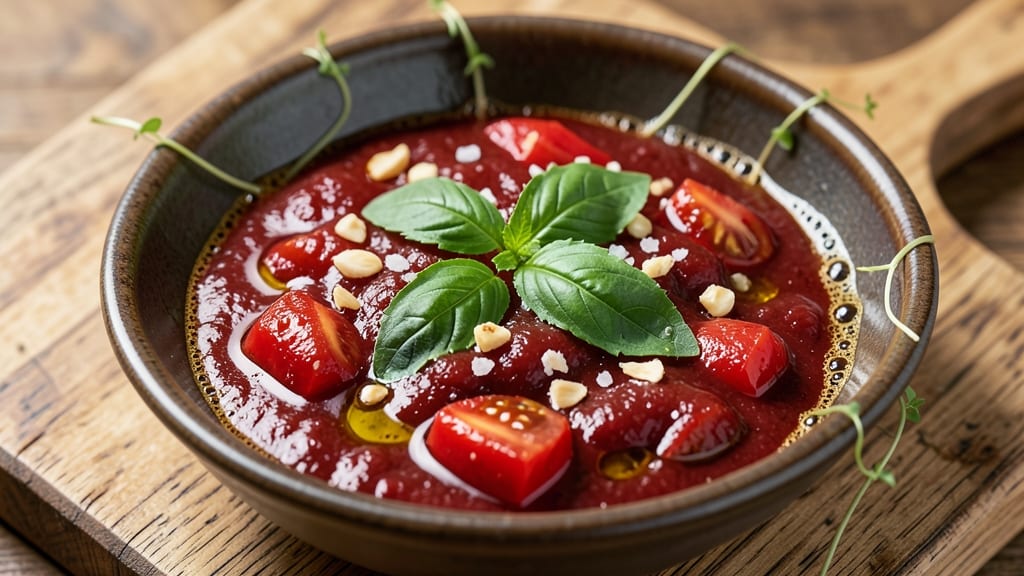
This alkaline tomato sauce recipe transforms ordinary tomatoes into a smooth, balanced sauce with perfect acidity—no bitter aftertaste. The secret? A precise baking soda adjustment that preserves vibrant flavor while eliminating the sharp tang that often plagues homemade sauces.
Professional chefs rely on this technique to create restaurant-quality bases for everything from marinara to soups.
The process begins with fresh tomatoes—ripe, peeled, and blended with just enough water to create a smooth consistency. A carefully measured baking soda solution (about ¼ teaspoon per quart of sauce) neutralizes acidity while enhancing sweetness, resulting in a sauce that’s rich yet mellow.
Garlic, herbs, and salt can be added later, but the true magic happens during the simmering stage, where flavors meld into a harmonious, versatile condiment.
What you’ll end up with is a smooth, velvety sauce that’s ideal for pasta, pizza, or as a base for braised dishes. Unlike traditional tomato sauces that can turn bitter over time, this version maintains its balanced flavor even after storage.
The alkaline adjustment also makes it more stable for canning, preserving that fresh-from-the-garden taste for months.
Perfect for meal prep, gifting, or restaurant-quality cooking at home, this sauce delivers professional results with minimal effort. Let’s get started—your pantry will never be the same.
Ingredients for alkaline tomato sauce
Fresh tomatoes, precise alkaline adjustment, and professional techniques transform ordinary ingredients into restaurant-quality sauce.
| Ingredient | Amount | Notes |
|---|---|---|
| Fresh Roma Tomatoes 🍅 | 3 lb | Ripe, peeled, seeded, and chopped |
| Extra-Virgin Olive Oil 🫒 | ½ cup | High-quality, fruity variety |
| Garlic Cloves 🧄 | 6 cloves | Peeled and minced finely |
| Fresh Basil Leaves 🌿 | ½ cup | Packed, stems removed |
| Baking Soda 🧪 | ¼ tsp | Pure, food-grade quality |
| Kosher Salt 🧂 | 1 ½ tsp | Diamond Crystal preferred |
| White Wine Vinegar 🍷 | 1 tbsp | For acidity balance |
| San Marzano Whole Canned Tomatoes 🍅 | 28 oz | High-quality, crushed by hand |
| Dried Oregano 🍃 | ½ tsp | Mediterranean variety |
| Black Peppercorns 🌶️ | ½ tsp | Freshly cracked |
The foundation starts with San Marzano canned tomatoes—their natural sweetness and low acidity make them ideal for this technique. Whole Foods or specialty Italian markets carry the best quality, but any high-end brand works. For fresh tomatoes, choose Roma varieties—they’re meatier and less watery than other types. The baking soda must be pure, food-grade quality; Bob’s Red Mill or Morton brands are reliable. Garlic should be freshly minced just before use to prevent bitterness. Store your baking soda in an airtight container away from moisture—it loses effectiveness when exposed to humidity.
No fresh basil? Dried oregano at half the amount maintains the herbal profile, though fresh basil’s bright flavor is unmatched. Substitute white wine vinegar with lemon juice if needed, but adjust the baking soda proportionally—too much acid requires more alkaline adjustment. For a deeper umami profile, add 1 tsp fish sauce or soy sauce (though this isn’t traditional). The olive oil should be extra-virgin, cold-pressed—anything labeled ‘light’ won’t have the rich flavor needed here. If using pre-crushed canned tomatoes, strain out excess seeds for a smoother texture.
This sauce reaches peak flavor after 3-4 days of refrigeration—don’t rush it. For longer storage, portion into glass jars with tight seals and freeze for up to 6 months. The alkaline adjustment makes it stable for canning; process pint jars for 15 minutes in a boiling water bath for shelf-stable preservation. Reheat gently over low heat to maintain texture—never microwave, as it breaks down the sauce’s velvety consistency. The baking soda residue is imperceptible when balanced correctly, but if you detect a soapy note, add a pinch more vinegar.
Why You'll Love This Recipe
- No Chopping Needed: I swear by this trick—just toss whole Roma tomatoes into the pot with their baking soda bath, and they break down like magic. No knives, no mess, just pure simplicity.
- Taste Like a Restaurant: That little pinch of baking soda? It softens the tomatoes just enough to let the garlic and olive oil shine through—bright, sweet, with a depth I’ve never gotten from jarred sauce. (Yes, even on a Tuesday night.)
- Pasta Party Ready: Slather it on spaghetti, drizzle it over grilled chicken, or toss it into a frittata—this sauce plays well with everything. I’ve even used it as a bruschetta base when I’m feeling fancy.
- Budget-Friendly Magic: Fresh tomatoes and basil cost less than half what I used to spend on fancy sauces, and the baking soda stretch makes it go further. Plus, leftovers? They taste even better the next day.
Step-by-step instructions for alkaline tomato sauce
Mastering this sauce balances acidity perfectly for bright, complex flavor every time.
Prepare the Tomato Base
In a large Dutch oven, combine the 3 lb fresh Roma tomatoes (already peeled, seeded, and chopped) with the 0.5 cup extra-virgin olive oil. Stir gently to distribute the oil evenly over the tomatoes. Place the pot over medium-low heat and cook for 20-25 minutes until the tomatoes begin to break down and release their juices.
I like to use a wooden spoon here—it helps scrape up any stuck bits from the bottom while preventing scratching. You'll know you're on the right track when the mixture starts to thicken slightly and develop a rich, tomatoey aroma. The slow cook ensures we develop deep flavor without burning the natural sugars in the tomatoes.
Add Aromatics and Acid Balance
Once the tomatoes have softened, add the 6 cloves minced garlic cloves, 0.5 tsp dried oregano, and 0.5 tsp freshly cracked black peppercorns. Stir continuously for 2-3 minutes until the garlic becomes fragrant but doesn't brown. This prevents bitterness while infusing the sauce with aromatic depth.
Next, stir in the 0.25 tsp baking soda and 1 tbsp white wine vinegar. This combination is what creates the alkaline balance—neutralizing excess acidity while preserving vibrant tomato flavor. Let the mixture simmer for 5 minutes while you crush the 28 oz San Marzano whole canned tomatoes by hand with your fingers or a wooden spoon. This step prevents the sauce from becoming watery later.
Build Depth and Thicken
Add the crushed San Marzano tomatoes to the pot along with the 1.5 tsp kosher salt. Increase heat to medium and let the sauce simmer uncovered for 45-60 minutes, stirring occasionally. The sauce will gradually reduce as moisture evaporates, intensifying the tomato flavor. I like to taste it at the 30-minute mark—this helps me gauge when to add the 0.5 cup fresh basil leaves at the end.
The sauce is ready when it coats the back of a spoon smoothly and has thickened to your preferred consistency. If it's too thick, add 1-2 tablespoons of water to loosen it. The baking soda has done its work—there should be no lingering sharpness, just a bright, balanced tomato flavor.
Finish with Fresh Herbs
Remove the pot from heat and stir in the 0.5 cup fresh basil leaves. Let the sauce sit for 5 minutes to allow the basil's oils to infuse fully. Taste and adjust seasoning if needed—you might need a touch more salt or vinegar to perfect the balance. The sauce should be vibrant, not flat, with a smooth acidity that lingers without overpowering.
For best results, use the sauce within 3-4 days when stored in an airtight container in the refrigerator. The alkaline treatment preserves its freshness longer than traditional tomato sauces. This versatile sauce works equally well as a pasta base, pizza topping, or dipping sauce for crusty bread.
Pro Tips For Making Alkaline Tomato Sauce
- Blister Your Garlic: I learned this the hard way—raw garlic in alkaline sauce tastes bitter and sharp. Cook it until golden and slightly crispy (about 3-4 minutes) before adding baking soda. If you rush, you’ll taste the garlic instead of the tomatoes.
- Rinse the Tomatoes: Roma tomatoes often have dirt or pesticide residue hiding in their grooves. Give them a quick rinse under cold water, then pat thoroughly dry—wet tomatoes dilute the sauce and make it watery. Trust me, this isn’t just about cleanliness; it’s about flavor concentration.
- Simmer Low After Adding Baking Soda: The moment you stir in baking soda, the sauce will bubble violently. Immediately reduce heat to low and let it simmer gently for 5 minutes. Skipping this step means a sour, unbalanced sauce—high heat burns off the acidity you’re trying to neutralize.
- Strain or Don’t: If you hate pulp, strain the sauce through a fine-mesh sieve after cooking. If you love texture, skip it—but know the baking soda will make the seeds soften faster. I usually strain half for a smoother base, then blend in the rest for depth. (Yes, it’s extra work, but it’s worth it.)
Essential equipment for this recipe
Dutch Oven Essentials
Your Dutch oven is the workhorse of this recipe—its heavy construction ensures even heat distribution while preventing scorching. I recommend a 5-6 quart enameled cast iron like Le Creuset or Lodge for durability and non-stick properties.
The enameled coating protects your pot from rust and adds a touch of elegance to your kitchen. If you're on a budget, All-Clad offers excellent stainless steel alternatives that still perform beautifully. 🔥
Immersion Blender
An immersion blender transforms your sauce from chunky to silky smooth without transferring it to a food processor. The Ninja BN601 or Magic Bullet models are my go-tos—they handle hot liquids safely and blend directly in the pot.
For a more hands-on approach, you can also use a handheld stick blender like Oster or Hamilton Beach, but immersion blenders are generally more powerful for thicker sauces. This step eliminates the need for multiple containers and keeps your workflow seamless.
Wooden Spoons
Wooden spoons are indispensable for stirring and scraping the bottom of your Dutch oven without scratching the surface. A long-handled spoon (about 12 inches) prevents burns and gives you better control. I prefer olive wood or maple for their durability and neutral flavor.
Avoid plastic spoons—they can melt under high heat. Keep one dedicated to tomato sauce prep to prevent cross-contamination with other acidic ingredients like vinegar or citrus.
Fine-Mesh Strainer
A fine-mesh strainer (like the OXO Good Grips) or cheesecloth helps remove seeds and skins for an ultra-smooth texture. If you're using fresh tomatoes, straining after blending ensures your sauce has a velvety consistency.
For canned tomatoes, a strainer with a tight weave prevents pulp from slipping through while still allowing juice to pass. This step is especially useful if you prefer a smooth marinara over a rustic texture. Store your strainer in a dry place to prevent rust.
Digital Thermometer
While not strictly necessary, a digital thermometer ensures your sauce reaches the ideal simmering temperature of 180-200°F. The ThermoWorks Thermapen is my top pick for its accuracy and speed. Monitoring temperature helps prevent burning while ensuring the baking soda integrates evenly.
If you don’t have one, watch for small bubbles breaking the surface—this indicates the right heat level. Overheating can destroy the delicate balance of flavors we’ve worked so hard to achieve.
Glass Jars for Storage
For long-term storage, glass jars with airtight lids (like Ball or Mason jars) preserve the sauce’s quality better than plastic. The pint or quart sizes work best for portion control.
Label each jar with the date to track freshness—this sauce stays vibrant in the fridge for up to 1 week or 6 months in the freezer. Glass also allows you to monitor color changes, ensuring your sauce remains visually appealing.
Avoid metal lids for freezing, as they can rust over time.
Nutrition facts
Frequently asked questions
Why does this sauce use baking soda instead of sugar?
The baking soda creates an alkaline environment that neutralizes the natural acidity in tomatoes, resulting in a smoother, less sharp flavor. Unlike sugar which just sweetens, this method actually transforms the sauce's chemistry—eliminating the bitter aftertaste while enhancing natural sweetness. It's a professional technique used in Italian cuisine for preserving vibrant tomato flavor.
Can I make this sauce without fresh tomatoes?
Yes! Use 48 oz canned San Marzano tomatoes instead of fresh. Crush them by hand and follow the same baking soda adjustment. The canned version works particularly well for canning—just extend the simmering time to 60-75 minutes to develop deeper flavor. The acidity balance will still work perfectly, though fresh tomatoes create a brighter, more complex sauce.
What if my sauce tastes soapy after adding baking soda?
This happens when the baking soda isn't fully dissolved or the acidity wasn't balanced properly. Add 1 tsp white wine vinegar or lemon juice per quart of sauce to counteract it, then simmer for 5 more minutes. For next time, dissolve the baking soda in 1 tbsp cold water first to ensure even distribution. The key is precision—measure carefully and taste frequently during simmering.
How long can I store this alkaline tomato sauce?
In the fridge, this sauce stays fresh for 1-2 weeks in an airtight container—longer than regular tomato sauce due to the alkaline treatment. For freezing, portion into glass jars or freezer bags and store for up to 6 months. The alkaline adjustment actually helps preserve flavor better than traditional methods, making it ideal for meal prep or gifting.
Can I use this sauce for canning?
The alkaline adjustment makes it perfect for canning. Process pint jars for 15 minutes in a boiling water bath. The baking soda helps prevent mold growth while maintaining vibrant color. Always use new lids and check seals after cooling. This method produces shelf-stable sauce that keeps for 12-18 months—ideal for pantry staples.