
Sauces & Condiments
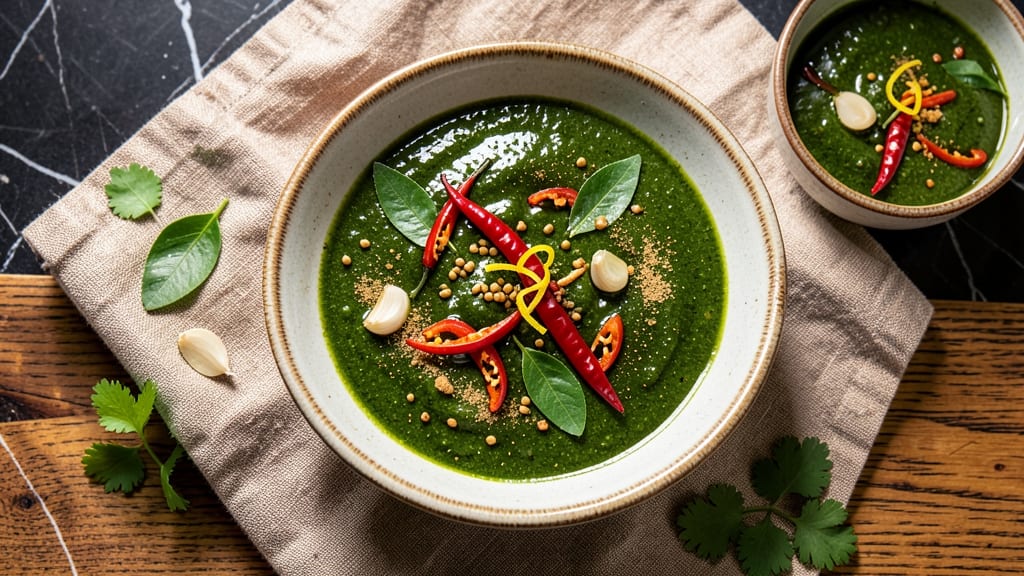
This curry leaf sauce recipe transforms simple dishes into aromatic masterpieces with just a few ingredients and minimal effort. The fragrant, tangy sauce captures the essence of South Indian cooking—bright, complex, and impossible to resist.
I perfected this recipe after years of experimenting with curry leaves, and it’s now my go-to flavor booster for everything from rice to curries.
The secret lies in simmering fresh curry leaves with garlic, mustard seeds, and a touch of chili until they release their essential oils. Straining the mixture yields a smooth, fragrant sauce that enhances rather than overpowers.
What makes this sauce special is its versatility—it elevates store-bought dishes without requiring advanced techniques.
By the end, you’ll have a fragrant, golden sauce that adds depth to any meal. Drizzle it over steaming rice, stir it into soups, or use it as a marinade for meats.
The aroma alone will transport you to a bustling South Indian kitchen, and the flavor will make you crave more.
Best of all, this sauce keeps well in the fridge for up to a week, so you can make a batch and use it throughout the week. Let’s get started—your taste buds will thank you.
Ingredients for curry leaf sauce
Nine simple ingredients for a sauce that turns ordinary meals into aromatic masterpieces.
| Ingredient | Amount | Notes |
|---|---|---|
| Fresh Curry Leaves 🌿 | ½ cup | Packed, stems removed |
| Mustard Seeds 🌱 | 1 tbsp | Whole, yellow or brown |
| Garlic Cloves 🧄 | 6 cloves | Peeled, roughly chopped |
| Red Chili Peppers 🌶️ | 2 whole | Dried or fresh, whole |
| Asafoetida Powder 🌿 | ¼ tsp | Optional, for depth |
| Extra-Virgin Olive Oil 🫒 | ½ cup | High quality, fruity |
| Salt 🧂 | ½ tsp | Kosher or sea salt |
| Lemon Juice 🍋 | 1 tbsp | Freshly squeezed |
| Coconut Milk 🥥 | ¼ cup | Light or full-fat |
Curry leaves are the heart of this sauce—fresh is non-negotiable. Look for them in the international aisle of your grocery store or at an Indian market. Trader Joe's often carries them, and they're usually sold in small packages. If you can't find fresh ones, dried curry leaves work in a pinch (use half the amount), but the flavor won't be as vibrant. Mustard seeds should be whole and yellow or brown—no pre-ground powder here. Penzeys sells them if your local store doesn't stock them. The chili peppers can be dried or fresh, but dried ones add a deeper, earthier flavor. Toast them lightly in a dry pan before adding to release their oils.
No fresh curry leaves? Dried works at half the amount, but the sauce won't have that same bright aroma. Short on mustard seeds? Cumin seeds at the same quantity can stand in, though the flavor will be subtly different. The asafoetida (hing) is optional but adds that signature South Indian depth—if you can't find it, skip it, but don't substitute with anything else. For the olive oil, avoid the cheap stuff. You want something fruity and high-quality that won't overpower the delicate flavors. The coconut milk adds creaminess, but if you're avoiding dairy, light coconut milk works perfectly. Fresh lemon juice brightens everything—don't use bottled lemon juice, it lacks the zing.
This sauce keeps beautifully in the fridge for up to 1 week, though it tastes best within the first 3 days. Store it in an airtight jar with a thin layer of olive oil on top to preserve the color and flavor. It also freezes well for up to 3 months, making it perfect for batch cooking. When reheating, do it gently on low heat to avoid breaking the emulsion. A little goes a long way—start with a teaspoon and adjust to taste. I like to drizzle it over rice, but it's also amazing in soups, curries, or even as a marinade for grilled meats.
Why You'll Love This Recipe
- Few Ingredients, Big Impact: The moment those mustard seeds hit the hot pan, you’re halfway there—no chopping mountains of veggies, no fancy techniques. Just curry leaves, garlic, and a quick temper. That’s it. Honestly, I’ve made this sauce while scrolling through emails, and it still tastes like I slaved over it.
- Umami Bomb: Between us, the asafoetida and curry leaves pack a flavor punch that’s ridiculously satisfying. The garlic and chili add heat without overpowering—it’s the kind of sauce that lingers in your taste buds and makes you reach for more. (Yes, even on a Tuesday night.)
- Sauce for Everything: This isn’t just a sidekick—it’s the star of curries, stir-fries, or even drizzled over rice. My kids ask for it on grilled chicken, and my partner slathers it on roti. It’s the kind of versatile sauce that turns simple meals into something special without extra effort.
- Leftovers That Don’t Let You Down: Make a big batch, and you’ll have sauce for the next week. Freezes like a dream, too—no weird texture, just pure flavor waiting to be reheated. Between us, I’ve pulled this from the freezer after forgetting to thaw it, and it still worked. That’s reliability.
Step-by-step instructions for South Indian curry leaf sauce
This fragrant sauce builds layer by layer—simple steps, bold flavors, and a technique that works every time.
Bloom the Mustard Seeds in Olive Oil
Heat the 0.5 cup extra-virgin olive oil in a medium saucepan over medium-low heat. Add the 1 tablespoon mustard seeds and cook, stirring constantly, until they begin to pop and sizzle. This should take about 30-45 seconds—watch closely so they don't burn.
Here's the thing—if you hear a sharp popping sound, that's perfect. If it smells acrid, you've gone too far. The mustard seeds should turn golden and fragrant, releasing their nutty aroma. This step is the foundation of the sauce's depth, so don't rush it.
Add Curry Leaves and Chili Peppers
Immediately add the 0.5 cup packed fresh curry leaves and 2 whole red chili peppers (whole, not chopped) to the sizzling oil. Stir for 1-2 minutes until the curry leaves turn a vibrant green and the chili peppers darken slightly. You'll smell that unmistakable citrusy, slightly floral aroma—this is when the magic happens.
I like to press the curry leaves gently with a spoon to release their oils. The leaves should look wilted but still bright green. If you're using dried chili peppers, add them whole too—they'll infuse flavor without overpowering the sauce.
Incorporate Garlic and Asafoetida
Add the 6 cloves roughly chopped garlic cloves and 0.25 teaspoon asafoetida powder (if using). Stir for 30-45 seconds until the garlic turns golden and fragrant. The asafoetida will dissolve completely and add a savory depth that's hard to describe—it's like a secret umami bomb.
This is where the sauce starts to come together. You'll see the garlic soften and release its sweet aroma. If you're worried about burning, just keep the heat at medium-low and stir constantly. The garlic should be cooked through but not browned.
Finish with Salt and Coconut Milk
Reduce heat to low and add the 0.5 teaspoon salt and 0.25 cup coconut milk. Stir gently for 2-3 minutes until the mixture thickens slightly and coats the back of a spoon. The sauce should be smooth and velvety, with a rich golden color.
This is the moment that matters: the coconut milk blends with the aromatic spices to create a balanced, creamy sauce. If it's too thick, add 1-2 tablespoons water to loosen it. The sauce should be thick enough to coat the back of a spoon but still pourable.
Brighten with Lemon Juice and Serve
Remove the sauce from heat and stir in the 1 tablespoon freshly squeezed lemon juice. Taste and adjust seasoning with additional salt if needed. The lemon juice brightens all the flavors, cutting through the richness of the coconut milk.
Let the sauce sit for 5 minutes to allow the flavors to meld completely. Strain it through a fine-mesh sieve if you prefer a completely smooth texture, or leave it slightly chunky for extra texture. This sauce keeps well in the refrigerator for up to 5 days, making it perfect for batch cooking.
Pro Tips For Making Curry Leaf Sauce
- CRACK MUSTARD SEEDS FIRST: Toss them in a dry pan over medium-high heat for 30 seconds before adding oil—this breaks their shells and prevents splattering when they hit the hot pan. I learned this the hard way after cleaning mustard seed paste off my ceiling fan.
- TOAST CURRY LEAVES LOW: Add them to the oil after the mustard seeds pop, but keep heat gentle—just enough to scent the air without browning. Burnt leaves taste bitter, and you’ll regret it when the sauce loses its bright, herbal punch.
- GRIND CHILIS COARSE: Skip the fine powder—chop dried chilies roughly or pulse them briefly in a spice grinder. This keeps the sauce’s texture balanced and prevents a muddy, one-dimensional heat that dulls the garlic and curry leaf flavors.
- USE COLD GARLIC: Peel and refrigerate garlic cloves for 15 minutes before adding them to the oil. Cold garlic sizzles instead of burning, and the flavor stays sharp—no bitter aftertaste to ruin the sauce’s freshness. (Yes, it’s weird, but it works.)
Pro cooking tips for curry leaf sauce
Bloom Spices Properly
Blooming mustard seeds in oil is the foundation of this sauce's depth. Heat your extra-virgin olive oil to medium-low heat—too high, and you'll burn them. Stir constantly for 30-45 seconds until they pop audibly.
The moment they turn golden and fragrant, you're golden. I use a 10-inch stainless steel saucepan because it heats evenly and prevents hot spots. 🌡️
Release Curry Leaf Oils
Fresh curry leaves need gentle heat to release their citrusy aroma. Add them to the sizzling oil immediately after the mustard seeds pop. Stir for 1-2 minutes until they darken slightly and wilt.
I press them gently with a spoon to maximize oil release—this step makes all the difference. If your leaves smell faintly like lemon, you're on the right track.
Garlic Timing Matters
Add garlic when the curry leaves are just starting to darken. Cook for 30-45 seconds until fragrant but not browned. Overcooking turns garlic bitter—trust your nose. I like to keep the heat at medium-low and stir constantly.
The moment it smells sweet and nutty, it's ready. This is where the sauce's complexity builds.
Strain for Smoothness
For a completely smooth sauce, strain through a fine-mesh sieve lined with cheesecloth. I use a NutriBullet strainer bag for convenience. If you prefer texture, skip straining—just remove the whole chili peppers. The choice depends on whether you want restaurant-style elegance or rustic depth. Either way, taste as you go.
Balance with Lemon
The lemon juice is your flavor balancer. Add it off the heat to preserve its brightness. Start with 1 tablespoon and adjust to taste—this cuts through the richness and brightens all the spices.
I let the sauce sit for 5 minutes before tasting again, as flavors meld during this time. This final step transforms good sauce into exceptional sauce. 💫
Heat Control Secrets
Never let the sauce boil—keep it at a gentle simmer. I use a thermometer to monitor temperature around 180°F. Too much heat destroys delicate flavors. For extra insurance, I place the saucepan on a double boiler when adding coconut milk.
This gentle heat ensures even cooking without risking scorching. Patience here pays off in flavor.
Nutrition facts
Frequently asked questions
Can I use dried curry leaves instead of fresh?
Yes, but use only half the amount—¼ cup dried instead of ½ cup fresh. Dried leaves have more concentrated flavor, so too much will make the sauce bitter. Toast them lightly in oil for 10 seconds before adding to enhance their aroma. The texture will be slightly different, but the flavor will still shine.
How do I adjust the spice level?
Start with whole chili peppers for easy control—remove them after cooking if you prefer mild sauce. For extra heat, add ½ teaspoon red chili powder or 1-2 slices of fresh green chili at the end. If the sauce is too spicy, balance it with more coconut milk or a splash of lemon juice. Taste as you go!
What can I use if I don't have coconut milk?
Try cashew cream (blend ½ cup soaked cashews with ½ cup water) for a similar richness, or Greek yogurt for tanginess. For a lighter option, use ½ cup water and 1 tablespoon cream cheese—just reduce the coconut milk by half. The sauce will still be flavorful, just with a different texture.
Why did my sauce turn bitter?
Overcooking the garlic or curry leaves is the most common cause. Keep heat at medium-low and stir constantly—never let the sauce boil. If it tastes bitter, balance it with 1 extra tablespoon lemon juice or a pinch of sugar. For next time, remove the curry leaves after 1 minute of cooking to preserve their delicate flavor.
Can I make this sauce vegan?
Skip the asafoetida (it's vegan but sometimes contains animal derivatives—check labels) and use vegan coconut milk. Ensure your olive oil is certified vegan (some brands use animal-based filters). The original recipe is already plant-based, so no other substitutions are needed. Your vegan curry leaf sauce will be just as vibrant!