
Sauces & Condiments
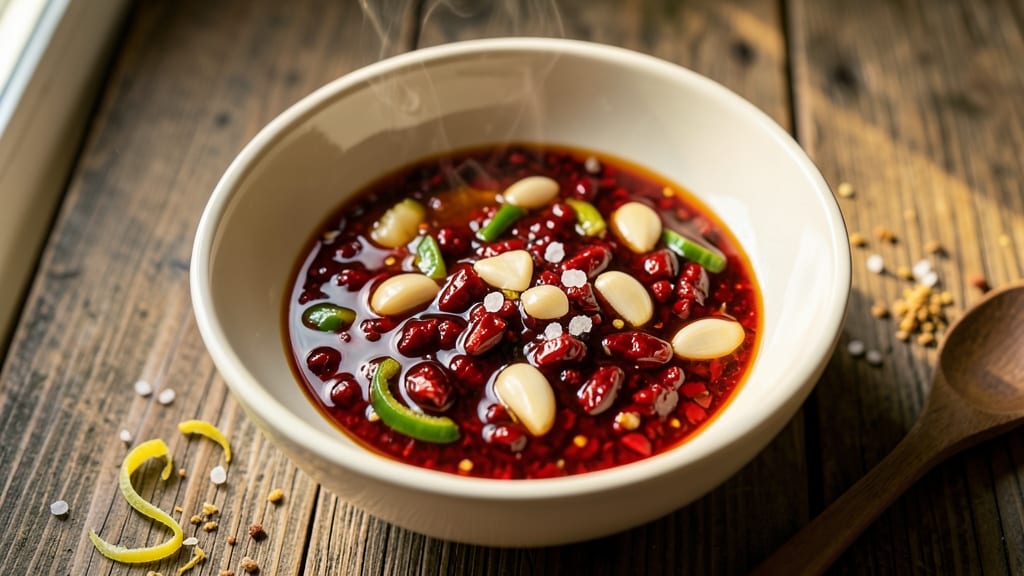
This homemade Asian hot chili sauce recipe transforms any dish with its perfect balance of heat, tang, and umami. The secret lies in simmering fresh chilies, garlic, and vinegar until the flavors meld into a glossy, fiery condiment that’s infinitely better than store-bought versions.
I developed this recipe after craving a sauce with just the right kick—bright, aromatic, and versatile enough for everything from noodles to grilled meats.
The process is straightforward: blend fresh chilies (like Thai or serrano) with garlic, vinegar, and a touch of sugar to balance the heat. Simmering the mixture reduces it to a thick, concentrated sauce with deep flavor, while blending ensures a smooth texture.
This isn’t just a dipping sauce—it’s a marinade, a glaze, and a finishing touch all in one.
What you’ll end up with is a bold, aromatic sauce that clings to food beautifully, adding layers of spice and complexity. The heat builds gradually, letting you control the intensity by adjusting the chili-to-vinegar ratio.
Store it in the fridge for up to a month, or freeze for longer shelf life—though you’ll likely go through it faster than that.
Use it to elevate stir-fries, drizzle over noodles, or toss with fried rice. The possibilities are endless, and the satisfaction of making it from scratch is unmatched. Let’s get started—your taste buds will thank you.
Ingredients for asian hot chili sauce
Fresh chilies, aromatic garlic, and tangy vinegar create this bold, homemade sauce.
| Ingredient | Amount | Notes |
|---|---|---|
| Fresh Thai Chilies 🌶️ | ½ cup | Seeds removed for less heat |
| Garlic Cloves 🧄 | 6 cloves | Peeled and roughly chopped |
| Fresh Ginger 🧅 | ½ cup | Finely grated or minced |
| Rice Vinegar 🍶 | ½ cup | White or seasoned variety |
| Granulated Sugar 🍯 | ¼ cup | Balances acidity and heat |
| Fish Sauce 🍲 | 2 tbsp | Red Boat preferred |
| Extra-Virgin Olive Oil 🫒 | ¼ cup | For smooth texture |
| Sesame Oil 🥜 | 1 tbsp | Toasted for aroma |
| Salt 🧂 | ½ tsp | Diamond Crystal preferred |
| Lime Juice 🍋 | 2 tbsp | Freshly squeezed |
The chilies are the heart of this sauce—Thai bird's eye gives the perfect balance of heat and aroma, but serrano or Fresno peppers work too if you prefer milder heat. Asian markets usually carry fresh Thai chilies, but any good grocery store with a fresh produce section should have them. Look for bright red chilies with no soft spots. For the ginger, fresh is non-negotiable—powdered won't give that bright, zesty kick. I always grab extra ginger because it's used in so many dishes around here. The garlic and ginger should be roughly chopped, not minced—you want texture in the sauce.
No Thai chilies? Substitute with a mix of serrano and jalapeño—adjust the ratio to control heat. Running low on fish sauce? Soy sauce or coconut aminos work in a pinch, though the umami depth won't be quite the same. The rice vinegar can be swapped for apple cider vinegar, but it'll taste slightly different. White vinegar is too harsh—trust me on that one. For the sugar, you can use honey or maple syrup if you prefer, but granulated keeps it neutral. The sesame oil is what gives that authentic aroma—don't skip it unless you're making a quick version. Toast it first by heating in a dry pan for 30 seconds to bring out the nutty flavor.
This sauce keeps beautifully in the fridge for about 1 month—though it's usually gone in a week. Store it in a clean glass jar with a tight seal. For longer storage, freeze in ice cube trays—just thaw and stir before using. The flavors actually improve over time as everything melds together. If you make a big batch, portion it into smaller containers so you're not measuring every time you want to use it. The sauce thickens as it sits, so add a splash of water if it gets too stiff. Trust me, you'll want to make extra—it disappears fast.
Why You'll Love This Recipe
- Five-Ingredient Magic: I swear by this—just chilies, garlic, ginger, vinegar, and sugar. That’s it. No fancy gadgets, no waiting for hours. Honestly, the hardest part is finding fresh Thai chilies that aren’t too fiery for your taste.
- Tangy Heat Balance: The rice vinegar cuts through the spice while the sugar rounds it out—like a perfect hug for your mouth. Between us, that first sip after blending is dangerously satisfying, especially when you’re craving something bright and punchy.
- Weeknight Secret Weapon: Slather it on dumplings, drizzle over noodles, or toss with stir-fried veggies—it’s my go-to for lazy nights. (Yes, even on a Tuesday when takeout menus feel overwhelming.) Plus, it keeps in the fridge for weeks, so I never run out.
- Budget-Friendly Fire: Fresh chilies and ginger are cheap staples, and you’ll use this sauce up fast. I’ll be real: my grocery bill stays low, but my flavor game? Always elevated. A little goes a long way, and leftovers turn into next-day marinades or quick dipping sauces.
Step-by-step instructions for fiery Asian hot chili sauce
This vibrant sauce comes together in minutes with bold flavors that balance heat, tang, and umami.
Prepare the Chili-Garlic-Ginger Base
In a medium saucepan, combine the 0.5 cup fresh Thai chilies (seeds removed), 6 cloves garlic cloves, and 0.5 cup fresh ginger. Heat over medium-low heat for 5-7 minutes until the chilies soften and release their oils—you'll smell that distinctive aromatic punch. Stir frequently to prevent burning, as garlic and ginger darken quickly.
Here's the thing—don't rush this step. The chilies should break down but not turn mushy. When you press a chili between your fingers, it should yield slightly but still hold its shape. This foundational blend carries the sauce's signature heat and depth, so proper cooking here makes all the difference.
Simmer with Vinegar and Sugar
Add the 0.5 cup rice vinegar and 0.25 cup granulated sugar to the pan. Increase heat to medium-high and bring to a gentle boil. Once boiling, reduce heat to medium-low and let it simmer uncovered for 8-10 minutes until the mixture reduces by about one-third and becomes syrupy.
You're looking for a glossy, slightly thickened consistency here—it should coat the back of a spoon. The sugar balances the vinegar's acidity while caramelizing slightly to add complexity. Taste as you go; if it needs more sweetness, add a pinch more sugar, but don't overdo it or you'll lose the sauce's fiery character.
Incorporate the Umami Elements
Remove the pan from heat and stir in the 2 tbsp fish sauce, 0.25 cup extra-virgin olive oil, and 1 tbsp sesame oil. The fish sauce adds that essential umami depth while the oils create a silky texture. Let the mixture sit off heat for 5 minutes to allow the oils to fully incorporate and the flavors to meld.
This is where the sauce transforms from good to exceptional. The olive oil provides a neutral base while the toasted sesame oil contributes nutty aroma. The fish sauce should be fully dissolved—if you see streaks, whisk vigorously to emulsify. The sauce should now have a vibrant red hue with a glossy sheen.
Finish with Acid and Season
Return the pan to low heat and stir in the 2 tbsp lime juice and 0.5 tsp salt. Simmer gently for just 1-2 minutes to blend the acidity with the other flavors. The lime brightens everything while cutting through the richness of the oils.
Taste and adjust seasoning if needed. You might need a touch more salt or lime depending on your ingredients. The final sauce should be balanced—fiery from the chilies, tangy from the vinegar and lime, sweet from the sugar, and savory from the fish sauce. This harmony is what makes homemade sauce superior to store-bought.
Strain and Store for Maximum Flavor
Let the sauce cool slightly, then strain through a fine-mesh sieve into a clean jar to remove any remaining chili skins or ginger bits. This step ensures a smooth texture while preserving all the flavor. The sauce will thicken as it cools, so you can add a splash of water or vinegar if needed to reach your desired consistency.
Store in an airtight container in the refrigerator for up to 2 weeks or freeze for up to 3 months. The flavors actually deepen over time, making this sauce perfect for batch cooking. Use it to elevate stir-fries, marinades, noodle dishes, or even drizzle it over grilled meats for instant flavor.
Pro Tips For Making Asian Hot Chili Sauce
- STEAM THE GINGER: I learned this the hard way—peeling ginger too thin before chopping makes it bitter. Instead, leave the skin on, slice into ½-inch rounds, and steam for 5 minutes in a pot of simmering water. The skin peels right off, and the flavor stays bright.
- PULSE THE CHILIES: Don’t just chop those Thai chilies—blend them whole with the garlic for 10 seconds first. This breaks down the seeds evenly, giving you a smooth, fiery base instead of random heat spikes. (Yes, even if you’re impatient like me.)
- SWEAT THE AROMA: Low and slow is your friend here. Cook the garlic and ginger in a dry pan for 3-4 minutes until garlic turns golden, not brown. Rushing this step means your sauce will taste raw and sharp instead of rich and layered.
- BALANCE THE VINEGAR: Add the rice vinegar gradually—start with half the recipe’s amount, taste, then adjust. Sugar isn’t just for sweetness; it cuts the acidity. If your sauce tastes too sharp, add a pinch more sugar and let it simmer 1 more minute to blend. (Your future self will thank you.)
Dietary considerations for these flavors
Gluten-Free Adaptations
The original recipe is naturally gluten-free, but always double-check your ingredients. The fish sauce and rice vinegar used here are typically gluten-free, but some brands contain wheat additives. I recommend Red Boat fish sauce and Annie Chun's rice vinegar—both are certified gluten-free.
The sesame oil and extra-virgin olive oil are also safe, as are all other ingredients listed. For extra caution, verify labels on any store-bought ingredients. 🌱
Vegetarian/Vegan Options
Swap the fish sauce for coconut aminos (like Coconut Secret) or vegan fish sauce alternatives like Vantastic Foods brand. For extra umami depth, add 1 tbsp soy sauce or miso paste (½ tsp).
The rest of the recipe remains identical—just ensure your sesame oil is vegan (most are) and that your fish sauce substitute is gluten-free if needed. The heat and tang stay perfectly balanced.
Low-Sodium Adjustments
This recipe already has minimal sodium, but if you need to reduce it further, skip the added salt entirely and rely on the fish sauce and vinegar for flavor. For extra depth without salt, add 1 tsp miso paste or ½ tsp nutritional yeast—both add umami without sodium.
Taste as you go, as the fish sauce already provides enough saltiness for most diets. Always check your fish sauce label for sodium content first.
Spice Level Control
Adjust the heat to your preference by modifying the chili quantity. For milder heat, use 3-4 Thai chilies instead of 0.5 cup (about 12-15 chilies). For extra fiery sauce, add 1-2 extra chilies or include seeds.
I often make a double batch—one with seeds for cooking and one without for dipping. The sauce’s tang and sweetness naturally balance the heat, so you won’t lose complexity by reducing spice. 🌶️
Allergen-Friendly Swaps
If you have a sesame allergy, omit the sesame oil and replace it with an extra 1 tbsp olive oil. For ginger allergies, substitute with ½ tsp ground ginger (though fresh is preferred).
The recipe remains safe for most common allergies—just verify your fish sauce and vinegar brands for hidden allergens. Always keep a backup of the original recipe in case substitutions alter the flavor balance unexpectedly.
Nutrition facts
Frequently asked questions about Asian hot chili sauce
Can I use dried chilies instead of fresh?
Yes, but you'll need to adjust the quantity and preparation. Use about 1 tablespoon dried chilies for every 0.5 cup fresh chilies in the recipe. First, soak the dried chilies in warm water for 15-20 minutes to soften, then drain and chop finely. The flavor will be more concentrated, so start with slightly less than the fresh equivalent and taste as you go.
How can I make this sauce less sweet?
Reduce the sugar by half (0.125 cup) or omit it entirely for a more tart, vinegar-forward sauce. The sugar balances the heat and acidity, so cutting it back will intensify the spicy and tangy flavors. If you prefer a sweeter sauce, try honey or maple syrup instead—they add depth without the same crystalline texture as granulated sugar.
What's the best way to use leftover sauce?
This versatile sauce works as a marinade for grilled meats, a dipping sauce for spring rolls or dumplings, or a finishing drizzle over noodles and stir-fries. For extra creativity, mix it with mayo for spicy dipping sauce, or reduce it with a splash of water and cornstarch to make a glossy glaze for roasted vegetables. The possibilities are endless!
Why did my sauce separate?
Sauce separation usually happens when oils aren't fully emulsified. To fix it, whisk vigorously or blend briefly to recombine the ingredients. For prevention, stir the sauce while it cools slightly after removing from heat, and ensure all ingredients are at room temperature before combining. If the separation persists, add 1 tsp cornstarch mixed with 1 tbsp water and simmer until thickened.
Can I make this sauce without sesame oil?
Replace the sesame oil with an extra 1 tbsp olive oil or add ½ tsp toasted sesame seeds for aroma. While sesame oil adds authentic depth, the sauce will still be delicious. For a different flavor profile, try a pinch of smoked paprika or a dash of soy sauce instead. The key is maintaining the balance of heat, tang, and umami.