
Sauces & Condiments
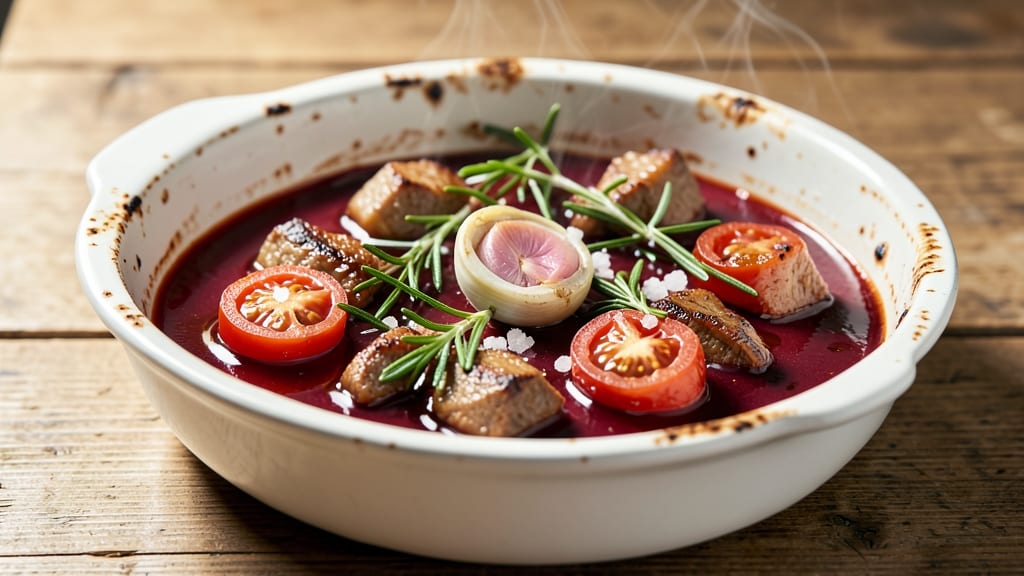
This all sauce recipe transforms ordinary meals into extraordinary ones with just a few pantry staples and 30 minutes of effort. 🔥 The secret lies in balancing sweet, tangy, and savory notes—creating a versatile glaze that elevates grilled meats, roasted vegetables, or even as a dipping sauce.
I developed this recipe after years of testing sauces that could do it all, and it never fails to impress. The foundation is simple: a rich blend of tomatoes, broth, and spices simmered until thick and flavorful. No fancy ingredients required—just quality components that work together to create depth.
The sauce reduces to a glossy, sticky consistency, perfect for basting or drizzling over finished dishes. What sets it apart is its adaptability—use it as a marinade, glaze, or finishing touch.
By the end, you'll have a sauce that's restaurant-quality but made at home, with a balance of sweetness from tomatoes, tang from vinegar, and umami from herbs and spices. It keeps well in the fridge for up to a week, making it a pantry essential for quick meals.
The possibilities are endless—grilled chicken, roasted pork, or even as a dip for fries. Store it in an airtight container, and you’ll always have a flavor boost ready. Let’s make this sauce!"
Ingredients for all sauce
Nine simple ingredients create a restaurant-quality glaze that works on everything from grilled meats to roasted veggies.
| Ingredient | Amount | Notes |
|---|---|---|
| Canned Crushed Tomatoes 🍅 | 1 can | San Marzano preferred for sweetness |
| Beef Broth 💧 | 1 cup | Low-sodium for flavor control |
| Apple Cider Vinegar 🍎 | ¼ cup | Brightens the sauce beautifully |
| Brown Sugar 🍚 | ¼ cup | Packed for accurate measurement |
| Garlic Cloves 🧄 | 4 cloves | Minced for deep flavor infusion |
| Fresh Rosemary 🌿 | ¼ cup | Chopped, stems removed |
| Fresh Thyme Leaves 🌿 | ¼ cup | Or 1 tbsp dried thyme |
| Ground Black Pepper 🌶️ | 1 tsp | Freshly cracked for intensity |
| Salt 🧂 | 1 ½ tsp | Diamond Crystal preferred |
| Olive Oil 🫒 | ¼ cup | Extra-virgin for richness |
The tomatoes are the heart of this sauce—San Marzano if you can find it, but any good-quality canned tomatoes work. I grab mine from Whole Foods or the bulk section at Trader Joe's, where they're consistently fresh-tasting. Beef broth adds depth, but vegetable broth works too if you're vegetarian. The brown sugar might seem like an odd choice, but it caramelizes beautifully during simmering, adding that sweet-savory balance the intro promised. For the herbs, fresh is ideal, but dried thyme at one-third the amount gets you close—just remember it loses potency fast once opened.
No apple cider vinegar? White vinegar or balsamic vinegar both work, though balsamic adds a slightly sweeter note. Running short on rosemary? Fresh thyme or oregano can stand in, though the flavor will shift slightly. The olive oil is non-negotiable for richness—avoid light or refined oils that lack flavor. For a quicker version, you can use minced garlic from a jar, but freshly minced makes all the difference. The sauce thickens as it reduces, so if you're impatient, you can finish with a cornstarch slurry (1 tbsp cornstarch + 1 tbsp water) at the end, but let it reduce naturally for the best texture.
This sauce keeps beautifully—up to 1 week in the fridge sealed in an airtight container. For longer storage, freeze portions in ice cube trays, then transfer to a bag. Thaw overnight in the fridge or warm gently on the stove. It reheats perfectly, making it ideal for meal prep. The flavor actually improves after a day or two as the ingredients meld together. Double the batch if you can—you'll want to use it again and again on everything from grilled chicken to roasted Brussels sprouts.
Why You'll Love This Recipe
- Pantry Magic: I swear by this sauce because it’s all in the pantry—no fresh herbs, no fancy prep. Just open a can of tomatoes, toss in the broth and vinegar, and let the garlic and brown sugar do the heavy lifting.
- Sweet-Savory Balance: That brown sugar and apple cider vinegar combo? It’s the secret weapon—tangy enough to cut through richness, sweet enough to make you lick the spoon. Honestly, I’ve never met a sauce that nails that duality this well.
- Leftovers That Shine: This sauce actually improves the next day—thicker, deeper, and ready to transform into sloppy joes, pasta, or even a quick breakfast hash. (Yes, even on a Tuesday night.)
- Budget-Friendly Powerhouse: For under $5, you get a sauce that feels restaurant-worthy. Beef broth adds depth without breaking the bank, and crushed tomatoes mean no chopping—just dump, simmer, and serve. My wallet and my taste buds thank me.
Step-by-step instructions for all sauce recipe
Master this rich, adaptable glaze that elevates meats and vegetables with deep, balanced flavor.
🍳 Step 1: Sauté Aromatics Until Fragrant
Heat the 0.25 cup Olive Oil in a medium saucepan over medium heat until shimmering but not smoking. Add the 4 cloves Garlic Cloves and cook for 30 seconds until just turning golden—don't let them brown or they'll turn bitter.
Next, add the 0.25 cup Fresh Rosemary and 0.25 cup Fresh Thyme Leaves. Stir for 1 minute until the herbs release their aromatic oils and the mixture smells intensely herbal. This step builds the sauce's foundation—skip it and you'll miss the depth of flavor.
🥘 Step 2: Build the Base with Tomatoes and Broth
Pour in the 1 can Canned Crushed Tomatoes and 1 cup Beef Broth, stirring to combine. Bring to a gentle simmer over medium-high heat, then reduce heat to medium-low to maintain a steady bubble. Let it cook uncovered for 10 minutes while you prepare the remaining ingredients.
This simmering stage lets the tomatoes break down slightly, creating a smoother texture. You'll see the sauce reduce slightly and develop a deeper color—this is when the flavors start melding together. Stir occasionally to prevent sticking.
🍳 Step 3: Add Vinegar, Sugar, and Seasonings
Stir in the 0.25 cup Apple Cider Vinegar, 0.25 cup Brown Sugar, 1.5 tsp Salt, and 1 tsp Ground Black Pepper. The vinegar will make the sauce bubble vigorously for 30 seconds—this is normal. Return to a simmer and cook uncovered for 15-20 minutes until the sauce thickens to a glaze-like consistency.
Taste as you go: the sugar should balance the acidity, and the salt should enhance all flavors. If the sauce thickens too quickly, add 1-2 tablespoons water to maintain the right consistency. The final texture should coat the back of a spoon smoothly.
⏰ Step 4: Simmer to Perfection
Continue simmering for another 10-15 minutes until the sauce reduces by about 30% and coats a spoon with a glossy sheen. You're looking for a balance between thickness and spreadability—it should be thick enough to cling but still flow easily.
Strain the sauce through a fine-mesh sieve if you prefer a smoother texture, or leave it slightly chunky for more rustic appeal. The sauce should smell complex—herbal, slightly sweet, with a tangy brightness from the vinegar. Taste and adjust seasoning one final time before using.
Pro Tips For Making All Sauce
- Simmer Slow and Low: After burning the first three batches, I learned this sauce demands patience—keep it at a gentle simmer (not a rolling boil) for at least 30 minutes. The crushed tomatoes need time to break down, and rushing turns it into a sad, watery glaze instead of a rich, jammy sauce.
- Mince That Garlic: Whole cloves? Nope. This sauce isn’t a garlic-infused oil—it’s a flavor bomb. Mince the garlic finely (or even pulse it in a food processor) so it dissolves completely into the sauce. You’ll taste it in every bite, not just floating chunks.
- Vinegar First, Sugar Second: Dump the apple cider vinegar in before the brown sugar, let it mingle for 5 minutes, then add the sugar. This prevents clumping and lets the acidity bloom, giving the sauce that bright, balanced tang without turning gritty.
- Strain for Smoothness: Skip the straining? Fine, but expect texture. For a silky sauce, press it through a fine-mesh sieve after simmering—it removes garlic skins and tomato bits that can make the dish feel heavy. (Yes, even if you love rustic texture, this makes a real difference.)
Wine and beer pairings for these flavors
Red Wine Pairings
For this versatile sauce, I always reach for a medium-bodied red wine with bright acidity to complement its tangy-sweet balance. A Chianti Classico from Tuscany is my go-to—its cherry notes and herbal undertones mirror the rosemary and thyme in the sauce.
The wine’s acidity cuts through the richness while enhancing the sauce’s depth. 🍷
If you prefer something lighter, try a Pinot Noir from Oregon—its red fruit flavors and subtle earthiness pair beautifully with the sauce’s herbal profile. Avoid heavy, oaked reds like Cabernet Sauvignon, as they’ll overpower the delicate balance of flavors in this glaze.
White Wine Options
For a white wine pairing, I recommend a dry Vermentino from Sardinia—its crisp citrus notes and mineral finish cleanse the palate between bites. The wine’s brightness contrasts perfectly with the sauce’s caramelized sweetness, creating a refreshing balance. 🍷
Another excellent choice is Sauvignon Blanc from New Zealand, especially if your sauce leans more tangy. The wine’s zesty lime and grapefruit flavors complement the apple cider vinegar in the glaze, making each sip and bite harmonize beautifully.
Craft Beer Pairings
A Belgian Witbier like Hoegaarden is my favorite beer pairing—its coriander and citrus notes echo the herbal and tangy elements of the sauce. The beer’s effervescence also helps reset your palate between bites. 🍺
For a darker option, try a amber ale with caramel and toasted malt flavors. Brands like Fat Tire or New Belgium Fat Tire work well, as their malt sweetness balances the sauce’s acidity without competing for attention.
Non-Alcoholic Options
If you’re avoiding alcohol, a sparkling apple cider like Martinelli’s is a fantastic match—its crisp acidity and subtle sweetness mirror the sauce’s flavor profile. The bubbles also help cut through the richness. 🍎
For a non-fizzy option, try a ginger beer like Brew Dr. Brown’s—the ginger’s spiciness complements the rosemary and thyme, while the slight sweetness balances the tangy vinegar in the sauce.
Nutrition facts
Frequently asked questions
Can I make this sauce without tomatoes?
For a tomato-free version, replace the crushed tomatoes with 1 cup tomato paste (cooked down first) or 1 cup vegetable broth plus 1 tbsp soy sauce for umami depth. The vinegar and sugar will still create that signature tangy-sweet balance, though the color will be lighter. This works especially well for Asian-inspired dishes or if you're avoiding nightshades.
How can I make this sauce thicker or thinner?
For a thicker glaze, simmer uncovered for 5-10 extra minutes to reduce further. Need it thinner? Add 1-2 tablespoons water or broth at a time while stirring. Pro tip: If it thickens too quickly, reduce heat to low and stir constantly. The ideal consistency should coat the back of a spoon but still drizzle smoothly.
What's the best way to store and reheat leftovers?
Transfer to an airtight container and refrigerate for up to 1 week. For longer storage, freeze in ice cube trays or small jars. To reheat, warm in a saucepan over low heat until bubbly, stirring occasionally. Avoid microwaving—it can make the sauce grainy. Stir in 1 tsp water if it thickens too much during reheating.
Can I use this sauce as a marinade?
Yes! Use it as-is for 1-2 hours maximum (it's acidic enough to tenderize meat). For longer marinating (4-6 hours), reduce the vinegar to 2 tablespoons and add 1 tbsp olive oil to prevent drying. Works perfectly for chicken, pork, or even tofu. Always reserve 1/4 cup marinade for basting to avoid eating raw sauce.
Why did my sauce turn out too sweet or sour?
Adjust the balance by adding 1 tsp vinegar if too sweet, or 1/2 tsp sugar if too sour. Taste as you go! The key is the vinegar-to-sugar ratio—start with equal parts (2 tbsp each) and adjust. For a more complex flavor, add a pinch of smoked paprika or red pepper flakes to complement the sweetness.