
Sauces & Condiments
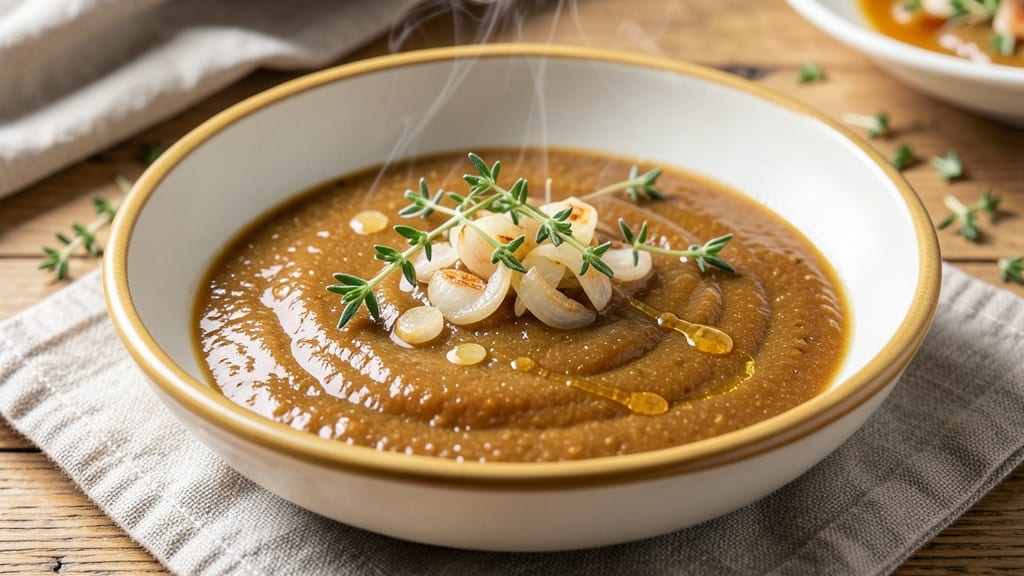
Mastering an all-purpose sauce recipe transforms every meal from ordinary to extraordinary in just 15 minutes. This foolproof base—built with butter, flour, and broth—adapts seamlessly to pasta, meats, or vegetables, saving you time and effort.
I developed it after years of restaurant-style cooking at home, where a single sauce could elevate multiple dishes without extra fuss.
The secret lies in the roux: cooking butter and flour until golden creates a rich foundation that thickens perfectly when combined with broth. This sauce stays velvety smooth, never grainy, and absorbs flavors beautifully.
Whether you're finishing a pan of chicken or tossing with fresh linguine, the versatility makes it a kitchen essential.
What sets this recipe apart is its adaptability—add garlic for Italian flair, a splash of cream for richness, or fresh herbs for brightness. The result? A restaurant-quality sauce that’s always on hand, ready to transform simple ingredients into something special. No more last-minute takeout runs when dinner’s on the table.
Store leftovers in the fridge for up to 5 days or freeze for months, ensuring you’re always prepared. Let’s build this game-changing sauce that works for everything from weeknight dinners to weekend feasts.
Ingredients for all purpose sauce
Eight essential ingredients create this restaurant-quality sauce in 15 minutes—no fancy techniques required.
| Ingredient | Amount | Notes |
|---|---|---|
| Unsalted Butter 🧈 | ½ cup | Cold, cubed for even cooking |
| All-Purpose Flour 🌾 | ½ cup | White flour preferred for smooth texture |
| Vegetable Broth 💧 | 2 cups | Low-sodium for flavor control |
| Garlic Cloves 🧄 | 2 cloves | Minced for aromatic depth |
| Shallots 🧅 | 2 whole | Finely chopped for subtle sweetness |
| Fresh Thyme Leaves 🌿 | ¼ cup | Or 1 tsp dried thyme |
| Kosher Salt 🧂 | ½ tsp | Diamond Crystal preferred |
| Black Peppercorns 🌶️ | ¼ tsp | Freshly cracked for intensity |
| Heavy Cream 🥛 | ¼ cup | Optional for richer finish |
| Extra-Virgin Olive Oil 🫒 | 1 tbsp | For finishing, fruity variety |
The butter and flour make all the difference here. Use European-style butter if you can find it—higher fat content means a richer roux. For flour, King Arthur or Gold Medal brands work best for that silky finish. Shallots add subtle sweetness, but onion works in a pinch. I always grab fresh thyme from the grocery store's produce section—it's brighter than the dried stuff. Pro tip: Toast your flour and butter together for 30 seconds before adding broth to deepen the flavor. Trader Joe's has great pre-minced garlic if you're short on time, but fresh is always better.
No heavy cream? Whole milk or coconut cream works just as well for richness. Short on thyme? Fresh parsley or basil at half the amount gives a different but delicious twist. The olive oil at the end is key—it adds that final touch of brightness. Store-bought broth is fine, but homemade tastes worlds better. Need to make it dairy-free? Swap the butter for olive oil or vegan butter and use a plant-based milk instead of cream. The sauce will still thicken perfectly, just with a slightly different texture.
This sauce keeps beautifully—5 days in the fridge or 3 months frozen. I like to portion it into ice cube trays before freezing so I can grab just what I need for a quick meal. For best results, reheat gently on the stove with a splash of broth or water to loosen it up. The flavor actually improves over time as everything melds together. Double the recipe and freeze half—you'll thank me later when you're pulling it out for last-minute dinner guests.
Why You'll Love This Recipe
- Four-Ingredient Foundation: I swear by this sauce because it’s the culinary equivalent of a blank canvas—just butter, flour, broth, and aromatics. No fancy gadgets, no last-minute grocery runs, and honestly? It’s the kind of recipe where I can open the fridge and know I’ve got this.
- Rich Without Effort: That moment when you melt butter into flour and whisk in warm broth? Pure magic. The shallots and garlic add this deep, savory backbone, but it’s the slow simmer that turns it into something luxurious—like a restaurant-quality velouté, but with zero pretension.
- Your Pantry’s Secret Weapon: Between us, this sauce is the reason I don’t panic when someone says, “We’re having company.” Dump it over roasted chicken, toss it with pasta, or drizzle it on grilled fish—it’s the glue that makes everything taste better. And yes, even on a Tuesday night.
- Leftovers That Don’t Let You Down: I make a big batch on Sundays because this stuff doesn’t go bad—it just gets better. Freeze half for when you’re too tired to cook, and thaw it straight into soups or sauces. Budget-friendly? Absolutely. Waste-free? Even better.
Step-by-step instructions for all-purpose sauce
This versatile sauce comes together faster than you can say "dinner." Here's how to build a rich, flavorful base that works for everything from pasta to proteins.
Create a Smooth Roux with Butter and Flour
Melt the 0.5 cup unsalted butter in a medium saucepan over medium heat. Once fully melted and bubbling gently, reduce heat to medium-low and immediately whisk in the 0.5 cup all-purpose flour. Stir constantly for 2-3 minutes until the mixture turns a pale golden color and smells nutty.
This is your roux foundation—don't rush it. The flour should cook out completely, leaving no raw flour taste. If it browns too quickly, lower the heat immediately. You're aiming for a smooth, paste-like consistency that will form the body of your sauce. The butter's fat will create that velvety texture we're after.
Cook Aromatics Until Fragrant
Add the 2 finely chopped shallots and 2 minced garlic cloves to the roux. Cook for 2-3 minutes, stirring frequently, until the shallots soften and become translucent. You'll smell their sweetness intensify—this is when they release their full flavor.
Here's the thing—don't let them color. You want them to just soften, not brown. Browned aromatics add bitterness that can overpower your sauce. Keep stirring to distribute the heat evenly. The thyme leaves can go in now too—add the 0.25 cup fresh thyme leaves and cook for another 30 seconds, just until fragrant.
Deglaze and Simmer the Broth
Pour in the 2 cups vegetable broth all at once, stirring vigorously to incorporate. Bring to a gentle simmer over medium heat, then reduce to low and let it cook uncovered for 8-10 minutes. You'll see the sauce thicken gradually as the starch from the roux releases.
Season with the 0.5 tsp kosher salt and 0.25 tsp freshly cracked black peppercorns. Taste the sauce now—it should be flavorful but not fully developed yet. If it's too thick, add a splash of water. If it's too thin, simmer longer. The goal is a consistency that coats the back of a spoon but still flows freely.
Finish with Cream and Olive Oil
Remove the sauce from heat and stir in the 0.25 cup heavy cream. Let it sit for 1 minute to temper, then return to low heat just until warmed through—about 2 minutes. The cream will give your sauce that luxurious finish without making it heavy.
Finally, drizzle in the 1 tbsp extra-virgin olive oil while stirring constantly. This adds brightness and helps emulsify the sauce. Taste again and adjust seasoning if needed. The sauce should be silky, aromatic, and ready to elevate any dish. Let it sit for 5 minutes before using—this resting period allows flavors to meld perfectly.
Pro Tips For Making All Purpose Sauce
- Cook Butter Slowly: Melt the butter over medium-low heat—not high, not rushed. I learned this the hard way after burning butter three times; it adds a nutty depth that high heat destroys, and you’ll taste the difference in every spoonful.
- Toast Flour Properly: Cook the flour-butter mix until it smells toasty and nutty (about 2–3 minutes). Skip the clock—your nose knows. Under-toasting makes the sauce taste raw; over-toasting burns it. Aim for a light golden hue, like toasted breadcrumbs.
- Sweat Shallots First: Sauté shallots in the butter until translucent and just soft before adding garlic. This prevents bitter flavors and ensures they melt into the sauce instead of sitting as chunks. (Yes, even if you’re impatient like me.)
- Deglaze with Broth: Pour in cold broth (not hot) to deglaze the pan—it loosens browned bits better and cools the roux slightly, preventing lumps. Stir vigorously at first, then let it simmer. This guarantees a smooth, velvety texture every time.
Perfect pairings for all purpose sauce
Pasta Perfection
This all-purpose sauce transforms into a creamy linguine in minutes—just toss 8 ounces of cooked pasta with ½ cup of sauce and a handful of fresh baby spinach for color. For extra richness, stir in 2 oz of grated Parmesan and a splash of pasta water to loosen.
I love adding ½ pound of shrimp sautéed in garlic and olive oil for a seafood twist. 🍝
Meat Glazes
Use this sauce as a glaze for roasted chicken thighs or pork chops by thinning it with ¼ cup of chicken broth and brushing it on during the last 10 minutes of cooking. For beef, reduce the sauce by simmering uncovered for 15 minutes to create a thick, sticky finish.
I often add 1 tbsp of Dijon mustard for depth when using it on steak. The sauce caramelizes beautifully, creating a restaurant-worthy crust.
Vegetable Elevation
Roasted vegetables like brussels sprouts, carrots, or asparagus become irresistible when tossed with this sauce. After roasting at 400°F for 20 minutes, drizzle with 2 tbsp of sauce and a sprinkle of toasted pecans for crunch.
The sauce's richness balances the natural sweetness of the veggies perfectly. For a lighter version, replace the cream with 2 tbsp of Greek yogurt.
Dipping Sauce
Thin the sauce with ¼ cup of warm water to create a silky dipping sauce for fries, veggie sticks, or spring rolls. Add 1 tsp of smoked paprika and a pinch of cayenne for a smoky kick.
I keep a small jar in the fridge for quick snacks—it’s perfect with Trader Joe’s frozen mozzarella sticks or homemade samosas. The sauce adds a savory depth that plain ketchup can’t match. 🍟
Garnishing Ideas
Finish your dishes with these easy garnishes to take your sauce to the next level. Sprinkle with fresh parsley or chives for brightness, or add crispy fried shallots for texture. A drizzle of truffle oil (just ½ tsp) adds luxurious depth.
For a pop of color, try edible flowers or a pinch of smoked sea salt. These small touches make a big difference in presentation.
Global Twists
Transform this sauce into Italian-style by adding ½ tsp of dried oregano and a splash of white wine. For a French-inspired version, stir in 1 tsp of Dijon mustard and a pinch of nutmeg.
A Thai-inspired twist includes 1 tsp of fish sauce** and a squeeze of lime. Each variation keeps the base the same but gives your dish a completely different character. 🌍
Nutrition facts
Frequently asked questions
Can I make this sauce without butter?
Yes! For a dairy-free version, replace the butter with 1 tablespoon olive oil and use vegan butter (like Earth Balance) in equal amounts. The texture will be slightly lighter but still rich. The key is to keep the roux cooking time consistent—just watch for that golden color instead of relying on butter's fat content.
Why did my sauce turn out grainy?
Graininess happens when the roux cooks too fast or isn't whisked enough. Always cook the butter and flour over medium-low heat and whisk constantly for 2-3 minutes until smooth. If it happens, strain the sauce through a fine-mesh sieve before serving. For next time, try a blender roux—melt butter, whisk in flour, then blend until silky before cooking.
How can I adjust the flavor for different cuisines?
This sauce is your blank canvas! For Italian flavors, add ½ teaspoon Italian seasoning and a splash of white wine. For Asian-inspired dishes, stir in 1 teaspoon soy sauce and a pinch of ginger. Mexican? Add ½ teaspoon cumin and a dash of lime. The base stays the same—just swap the finishing ingredients. The secret is balancing the new flavors with the original thyme and garlic foundation.
Can I make this sauce in a slow cooker?
Sauté the butter, flour, and aromatics in a skillet first, then transfer everything to the slow cooker with the broth. Cook on low for 2-3 hours, stirring occasionally. For cream, stir it in during the last 30 minutes to prevent curdling. The slow cooker method works best for large batches—just double or triple the recipe. The sauce will be even more flavorful from the gentle, extended cooking.
What's the best way to reheat leftover sauce?
Gently reheat on the stove over low heat with a splash of broth or water to loosen it. Never microwave directly—it can break the sauce's emulsion. For frozen portions, thaw overnight in the fridge, then reheat slowly. If the sauce thickens too much, stir in 1-2 tablespoons of warm water or milk until smooth. The sauce actually tastes better after resting—flavors meld beautifully over time.