
Sauces & Condiments
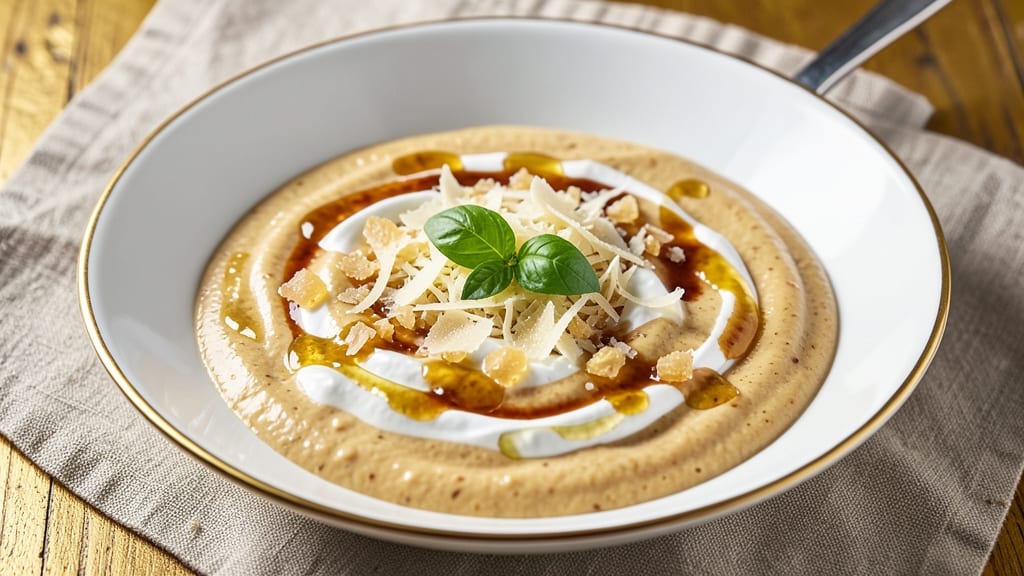
This alfredo sauce recipe with ricotta cheese transforms ordinary pasta into a luxurious, velvety masterpiece in just 15 minutes. The secret lies in blending ricotta with heavy cream and parmesan, creating a sauce that's impossibly smooth yet rich enough to coat every strand of fettuccine perfectly.
I developed this version after years of testing—it's the first alfredo that actually delivers on that restaurant-quality promise without breaking the bank.
The beauty of ricotta in this sauce is its natural creaminess, which eliminates the need for excessive butter while adding subtle sweetness that balances the sharpness of parmesan.
We'll build flavor through proper technique: blooming garlic in butter, reducing white wine for depth, and tempering the cheese gently to prevent curdling. This isn't your basic bechamel—it's a sophisticated sauce that works equally well over pasta, chicken, or roasted vegetables.
What sets this recipe apart is the ultra-smooth texture achieved through proper blending and straining, ensuring no lumps or graininess. The sauce develops a luxurious mouthfeel that clings to every bite while maintaining just enough body to feel substantial.
Unlike many recipes that rely on heavy cream alone, this version uses ricotta's natural fat content to create richness without the heaviness.
Once you try this alfredo, you'll never go back to store-bought versions. The recipe scales perfectly for both weeknight dinners and special occasions, with optional variations like adding roasted garlic or a splash of lemon zest for brightness. Let's create a sauce that will become your new signature dish.
Ingredients for alfredo sauce recipe with ricotta cheese
Eight ingredients transform simple pasta into restaurant-worthy perfection in minutes.
| Ingredient | Amount | Notes |
|---|---|---|
| Whole Milk Ricotta Cheese 🧀 | 1 cup | Full-fat for creaminess, drained if watery |
| Heavy Whipping Cream 🥛 | 1 cup | Cold for best texture, full-fat preferred |
| Freshly Grated Parmesan Cheese 🧀 | 1 cup | Parmigiano-Reggiano only, freshly grated |
| Unsalted Butter 🧈 | 4 tbsp | European style, cold for blooming |
| Garlic Cloves 🧄 | 4 cloves | Fresh, peeled, minced finely |
| Dry White Wine 🍷 | ¼ cup | Sauvignon Blanc preferred, room temp |
| Diamond Crystal Kosher Salt 🧂 | ½ tsp | Fine grain, adjust to taste |
| Freshly Ground Black Pepper 🌶️ | ¼ tsp | Coarsely cracked, fresh preferred |
| Extra-Virgin Olive Oil 🫒 | 2 tbsp | Fruity variety, for finishing |
| Fresh Lemon Zest 🍋 | 1 tsp | Optional, for brightness |
The ricotta is non-negotiable here—whole milk, full-fat is essential for that velvety texture. Grab the smallest tub you can find (8 oz works) since it's pricey, and drain it if it looks watery. Whole Foods or specialty cheese shops carry the best quality, but the regular supermarket tub works in a pinch. Parmesan? Only freshly grated Parmigiano-Reggiano—pre-grated tastes like sawdust. For the wine, Sauvignon Blanc adds brightness, but any dry white works. The butter should be European-style (like Plugrá)—it has more fat content for better flavor.
No ricotta? Cream cheese blended with heavy cream (1:1 ratio) gets you close, though texture won't be identical. Short on white wine? Chicken stock with a splash of lemon juice works, but you'll lose that subtle acidity. The garlic can be roasted (wrap cloves in foil, bake at 400°F for 10 minutes) for deeper sweetness. For the cheese, Pecorino Romano adds a sharper bite if you want variation. The olive oil should be fruity, not peppery—look for Italian varieties at Trader Joe's or Costco for good prices.
This sauce peaks after 30 minutes of resting—don't skip it. Keeps for 5 days in the fridge, sealed under a thin layer of olive oil. Freezes beautifully for 3 months—portion into ice cube trays for single-use servings. For extra richness, stir in 1 tbsp of reserved pasta water before serving. The lemon zest adds brightness but can be omitted if you prefer classic alfredo.
Why You'll Love This Recipe
- No-Fuss Creaminess: I swear by this sauce because it’s the kind of recipe that forgives mistakes—ricotta’s natural tang cuts through the richness of the cream, so even if I burn the butter (which I did once), it still comes out velvety. Just melt the butter, toss in minced garlic until it’s fragrant but not brown, then fold in the ricotta and cream until it’s smoother than my excuses for skipping prep.
- Garlicky Parmesan Hug: That first bite of fettuccine coated in this sauce? It’s like a warm, cheesy embrace. The ricotta gives it a lighter body than traditional Alfredo, while the sharp Parmesan and roasted garlic cloves add depth—no heavy cream taste, just pure, rich satisfaction. I’ll take that over store-bought any day.
- Leftovers That Shine: This sauce actually improves the next day—honestly. The flavors meld into something even richer, and it reheats like a dream (just a quick warm on the stove with a splash of milk). I make double batches on Sunday and freeze half; toss it with roasted veggies for a lazy dinner or drizzle it over grilled chicken. Zero waste, all flavor.
- Budget-Friendly Luxury: Here’s what sold me—the ricotta stretches the cream, so I use less without sacrificing texture. A block of Parmesan lasts forever when you grate it fresh, and butter? Well, a little goes a long way when you’re balancing it with dairy’s natural richness. It’s the kind of recipe that feels fancy but won’t break the bank—my wallet and my taste buds agree.
Step-by-step instructions for alfredo sauce with ricotta cheese
Here's how to craft a restaurant-quality sauce with a velvety texture that clings perfectly to pasta.
Bloom the Butter and Garlic
In a medium saucepan over medium-low heat, melt the 4 tablespoons unsalted butter until it foams and begins to bubble gently. Add the 4 cloves minced garlic and cook for 1-2 minutes until fragrant but not browned—this prevents bitterness. I like to stir constantly here because garlic burns faster than you think.
Watch for the butter to turn a pale golden color and smell nutty. This is your signal that the garlic has infused its flavor without turning bitter. Remove the pan from heat momentarily if it starts to sizzle too aggressively—you want to maintain control, not rush the process.
Add Wine and Reduce
Return the pan to medium heat and pour in the ¼ cup dry white wine, scraping up any browned bits from the bottom with a wooden spoon. This deglazing step captures all the flavor you've built so far. Let the wine simmer for 3-4 minutes until reduced by half—you'll see the liquid shrink noticeably and develop a more concentrated aroma.
Here's the thing—don't skip this reduction step. It deepens the sauce's flavor and removes any alcohol sharpness. If you taste the wine now, it should be smooth with just a hint of its original brightness remaining.
Incorporate Cream and Ricotta
Reduce heat to low and slowly whisk in the 1 cup heavy whipping cream and 1 cup whole milk ricotta cheese. Stir constantly for 3-4 minutes until the mixture thickens and becomes velvety. The ricotta will blend smoothly if you whisk vigorously—this prevents any graininess in the final sauce.
I like to use a wire whisk here because it creates more air incorporation than a spoon. You'll notice the sauce transform from a thin liquid to a thick, luxurious consistency. If it starts to curdle, immediately remove it from heat and whisk until smooth again.
Finish with Cheese and Seasonings
Add the 1 cup freshly grated Parmesan cheese, ½ teaspoon kosher salt, and ¼ teaspoon black pepper. Stir over low heat for 2-3 minutes until the cheese melts completely and the sauce becomes glossy. The sauce should coat the back of a spoon smoothly—this is your ideal consistency.
For that final touch, remove from heat and stir in the 2 tablespoons extra-virgin olive oil and 1 teaspoon lemon zest. The oil adds richness while the lemon zest brightens the whole dish. Taste and adjust seasoning—you might need a pinch more salt or pepper depending on your cheese's saltiness.
Keep Warm and Serve
Transfer the sauce to a clean saucepan and keep it warm over very low heat, stirring occasionally. The sauce will thicken further as it sits, so you may need to thin it with 1-2 tablespoons pasta water when ready to serve. This ensures it coats your pasta perfectly without being gluey.
Serve immediately over freshly cooked fettuccine or tagliatelle, tossing gently to coat each strand. The sauce should cling beautifully, creating that signature creamy, velvety texture that makes this dish so special. Leftovers can be refrigerated for up to 3 days, but I find it's best enjoyed fresh.
Pro Tips For Making Alfredo Sauce Recipe With Ricotta Cheese
- STRAIN THE RICOTTA: I learned this the hard way—ricotta’s got a weird texture when it’s fresh from the tub. Drain it through a fine-mesh sieve or cheesecloth for 20-30 minutes before blending, even if it looks fine. The extra moisture makes your sauce watery, and nobody wants a sad, thin alfredo.
- MELT BUTTER LOW AND SLOW: Yes, even if you’re impatient like me. Cook the butter with garlic over medium-low heat until the garlic’s golden but not crisp—about 3-4 minutes. High heat burns the butter and turns the sauce bitter. This is the thing that matters most for that rich, creamy base.
- SALT THE CREAM FIRST: Skip the urge to taste as you go. Mix a pinch of salt (about ¼ teaspoon) into the heavy cream before heating it—it’ll mellow out the sharpness of the ricotta and parmesan. I was skeptical until I tried it: the sauce tastes balanced from the start, not overly cheesy or bland.
- STIR CONSTANTLY AFTER ADDING RICOTTA: Once you fold in the ricotta, keep the pot moving on low heat. Ricotta curdles fast if it sits, and you’ll end up with lumps that ruin the silky texture. A wooden spoon works best—does it look weird? Yes. Does it work? Every single time.
Regional styles of alfredo sauce recipe with ricotta cheese
Northern Italian Roots
This ricotta alfredo traces back to Northern Italy's Emilia-Romagna region, where creamy sauces like sugo all'albese (a precursor to alfredo) originated. Traditional versions used butter, cream, and parmesan, but ricotta wasn't common until later adaptations.
The sauce became popular in American-Italian restaurants during the 20th century, where it evolved into the ultra-creamy version we know today. 🌍
Roman Twist
In Rome, ricotta takes center stage with cacio e pepe variations that incorporate ricotta for extra silkiness. Roman chefs often blend ricotta with pecorino romano instead of parmesan, creating a sharper, tangier sauce.
For a Roman-inspired version, replace half the parmesan with pecorino and add a splash of pasta water to balance the acidity.
Florentine Richness
Florentine cuisine embraces ricotta in tortelli ripieni, where the cheese fills pasta pockets. For a Florentine-style alfredo, fold 1 tablespoon of fresh basil into the sauce and finish with crispy pancetta on top. The basil adds herbal brightness that pairs beautifully with ricotta's mild sweetness. 🌿
Modern American Adaptations
American versions often include white wine and roasted garlic for depth, reflecting our love of bold flavors. Many chefs add a splash of heavy cream at the end to enhance richness.
For a New York-style twist, stir in 1 teaspoon of Dijon mustard before adding the cheese—it adds subtle tang that cuts through the creaminess.
Southern Italian Contrast
While Northern Italy favors creamy sauces, Southern Italian versions might use ricotta salata (salted ricotta) for a firmer texture. This version pairs well with roasted vegetables like eggplant or zucchini.
For a Southern-inspired take, reduce the cream slightly and add 1 tablespoon of tomato paste for a sugo-style fusion that's both creamy and tomato-based.
Global Fusion Ideas
For a Japanese-inspired ricotta alfredo, add 1 teaspoon of mirin and top with sesame seeds for nutty depth. A Mexican twist could include 1 teaspoon of chipotle powder and a dollop of sour cream on top.
These fusions keep the creamy base while adding exciting new flavors that surprise and delight. 🌶️
Nutrition facts
Frequently asked questions
Why does ricotta make this alfredo sauce smoother than traditional recipes?
Ricotta's natural fat content (about 22%) creates a velvety mouthfeel without needing extra butter. The cheese's mild acidity also helps emulsify the sauce better than heavy cream alone, preventing separation. Plus, its soft curds blend seamlessly when properly whisked, eliminating any graininess you'd get from parmesan alone.
Can I make this sauce without white wine?
Replace the wine with ¼ cup chicken stock plus 1 teaspoon lemon juice for acidity. For depth, try ¼ cup reserved pasta water or even 2 tablespoons dry vermouth if you have it. The key is maintaining that 3-4 minute reduction to concentrate flavors—just adjust the timing slightly if using stock.
How do I fix curdled sauce?
Immediately remove from heat and whisk vigorously while adding 1 tablespoon cold heavy cream at a time. For stubborn curdling, strain through a fine-mesh sieve into a clean pan, then reheat gently while whisking continuously. The ricotta's fat content actually helps prevent curdling when added slowly over low heat—just don't rush the process!
What's the best pasta shape for this ricotta alfredo?
Use fettuccine or tagliatelle (¼-inch wide) for maximum surface area to cling to the sauce. For extra indulgence, try pappardelle (½-inch wide) or fresh egg noodles. Avoid thick ribbons like pappardelle if you prefer a lighter sauce—this ricotta version is rich enough to coat perfectly without being gluey on broad surfaces.
Can I make this sauce ahead of time?
Yes! Let it cool completely, then store in an airtight container covered with plastic wrap pressed directly on the surface. Reheat gently over low heat, adding 1-2 tablespoons pasta water if it thickens too much. For best texture, reheat only until warmed through—overheating can cause separation. The sauce actually improves after 30 minutes of resting before serving!