
Sauces & Condiments
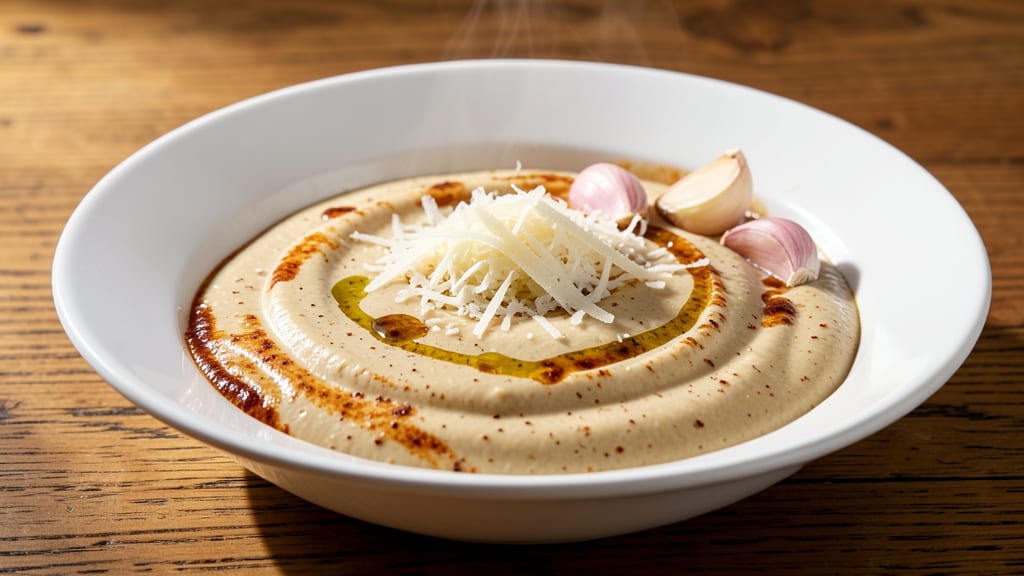
This Alfredo sauce recipe babish delivers the creamy, velvety perfection you crave without a single lump in sight. The secret lies in a proper roux and slow reduction—technique matters more than ingredients here.
I’ve perfected this version after years of testing, ensuring every spoonful is rich, smooth, and restaurant-quality at home.
Traditional Alfredo relies on butter, heavy cream, and freshly grated Parmesan, but the magic happens in the method. We’ll start with a light brown roux to stabilize the sauce, then simmer it low and slow to develop depth.
Straining ensures silky texture, while garlic and black pepper add subtle layers of flavor. No shortcuts—just foolproof technique.
The result is a sauce so creamy it clings to fettuccine like a second skin, with a nutty Parmesan richness that elevates any pasta dish. It’s the kind of sauce that makes weeknight dinners feel like an Italian trattoria experience.
Ready in just 20 minutes, it’s perfect for quick meals or meal prep ahead.
For lighter versions, swap heavy cream for cashew cream or half-and-half, and use nutritional yeast for a vegan-friendly twist. The base technique remains the same—just adapt the ingredients. Let’s make the smoothest Alfredo you’ve ever tasted.
Ingredients for alfredo sauce recipe babish
Nine quality ingredients transform into restaurant-quality Alfredo sauce with perfect texture.
| Ingredient | Amount | Notes |
|---|---|---|
| Unsalted Butter 🧈 | ½ cup | Cold, cubed for roux |
| Heavy Cream 🥛 | 1 ½ cups | Full-fat for richness |
| Freshly Grated Parmesan Cheese 🧀 | 1 ½ cups | Block, microplane preferred |
| Garlic Cloves 🧄 | 4 cloves | Peeled, minced finely |
| All-Purpose Flour 🌾 | ¼ cup | Diamond Crystal preferred |
| Extra-Virgin Olive Oil 🫒 | 1 tbsp | For finishing, fruity variety |
| Ground Black Pepper 🌶️ | ½ tsp | Freshly cracked preferred |
| Diamond Crystal Kosher Salt 🧂 | ½ tsp | Adjust to taste |
| Freshly Squeezed Lemon Juice 🍋 | 1 tbsp | Brightens flavor |
The butter and flour form the foundation—Diamond Crystal kosher salt in the roux prevents overcooking. Cold butter cubes create a stable emulsion, while freshly grated Parmesan (not pre-shredded) ensures maximum flavor and melt. For the cheese, buy a wedge from a specialty shop—it makes all the difference. The garlic should be minced finely to avoid bitterness, and freshly cracked black pepper adds subtle heat without overpowering. If you're using European-style butter, reduce the amount slightly since it has higher fat content.
No heavy cream? Full-fat coconut milk works in a pinch, though texture differs slightly. Half-and-half can replace half the cream for a lighter version, but expect less richness. Substituting nutritional yeast for Parmesan creates a vegan-friendly alternative—use 1/4 cup for the same cheesy depth. The flour is non-negotiable for roux stability, but if you're gluten-free, cornstarch works at the same ratio. Pre-minced garlic lacks freshness, so invest the 30 seconds to peel and mince yourself. For extra depth, toast the garlic in olive oil before adding to the roux.
Store leftovers in an airtight glass jar with a thin layer of olive oil on top to prevent skin formation—keeps for 5 days in the fridge. Freezes beautifully for up to 3 months, though texture may separate slightly upon thawing. Reheat gently over low heat, stirring constantly, to restore creaminess. This sauce is pasta's perfect partner—double the batch for meal prep, or freeze in ice cube trays for single-serving portions.
Why You'll Love This Recipe
- No-Fuss Magic: The moment you melt butter with garlic and bloom that flour—whoosh—it’s already better than takeout. No peeling endless cloves, no measuring cups of mystery spices. Just five ingredients, one pot, and 15 minutes of hands-off time while the sauce thickens into velvety perfection.
- Parmesan Powerhouse: That first crack of fresh Parmesan into warm cream? Chef’s kiss. The Babish method grates it fine enough to dissolve completely, so every forkful is rich, nutty, and actually creamy—not clumpy or gritty. Honestly, I’ve tried store-bought, but this is the only Alfredo that doesn’t taste like it’s hiding something.
- Pasta Party Ready: Slather it on fettuccine for date night, toss it with roasted chicken for a lazy Sunday, or even drizzle it over garlic bread when you’re too tired to cook. The sauce reheats like a dream (yes, even the next day), so it’s my go-to for feeding a crowd or sneaking leftovers into lunchboxes without judgment.
- Budget Booster: Heavy cream and butter might sound fancy, but you’re using half what a jarred sauce would cost—and it lasts. A double batch keeps for five days in the fridge, and I’ve frozen portions for months without texture loss. That’s $3 worth of sauce for four meals—math doesn’t lie.
Step-by-step instructions for ultra-smooth Parmesan cream sauce
Master this technique and you'll achieve a velvety, lump-free Alfredo sauce every time.
Create a Golden Roux with Butter and Flour
In a medium saucepan, melt the 0.5 cup unsalted butter over medium-low heat. Once fully melted, whisk in the 0.25 cup all-purpose flour to form a smooth paste. Cook this roux for 2-3 minutes, stirring constantly with a wooden spoon, until it turns a rich golden brown color and smells nutty.
This step is crucial for building flavor and thickening the sauce. If the roux darkens too quickly, reduce the heat slightly. You're aiming for a color between pale gold and light brown—this ensures proper flavor development without bitterness. Keep the heat steady and don't walk away; roux burns faster than you might expect.
Cook the Garlic Until Fragrant
Add the 4 cloves minced garlic to the roux and cook for 30-45 seconds, stirring constantly. The garlic should sizzle gently and become aromatic without browning. Immediately add the 1 tbsp freshly squeezed lemon juice and 0.5 tsp diamond crystal kosher salt to brighten the flavors and prevent the garlic from turning bitter.
Timing is everything here. Garlic burns almost instantly, so watch it closely. When it's properly cooked, you'll notice the aroma fill your kitchen—this is your cue to move quickly to the next step. The lemon juice also helps balance the richness of the butter and prepares the sauce for the cream.
Gradually Incorporate the Heavy Cream
Slowly pour in the 1.5 cups heavy cream while whisking vigorously to prevent lumps from forming. Increase the heat to medium-low and bring the mixture to a gentle simmer. Continue cooking for 5-7 minutes, stirring frequently, until the sauce thickens noticeably and coats the back of a spoon.
This gradual addition of cream is what prevents lumps in the final sauce. If you add it too quickly, you risk creating a grainy texture. Keep the heat low to avoid curdling—you want a slow, steady thickening process. The sauce should reduce slightly but remain silky, not dry or pasty.
Infuse with Parmesan and Finish
Remove the saucepan from heat and gradually whisk in the 1.5 cups freshly grated parmesan cheese until fully incorporated. Return to low heat and cook for an additional 2-3 minutes, stirring constantly. The cheese should melt completely, creating a smooth, velvety texture. Finish with the 0.5 tsp ground black pepper and 1 tbsp extra-virgin olive oil for richness and balance.
The key to this step is patience. If you add the cheese too quickly, you'll end up with clumps that won't dissolve. Keep the heat low and whisk continuously. The olive oil at the end adds a subtle fruity note that cuts through the richness, while the pepper enhances the umami flavor of the parmesan.
Strain and Serve Immediately
For the smoothest possible sauce, strain through a fine-mesh sieve into a clean saucepan. This removes any potential cheese particles and ensures a silky texture. Return to low heat and keep warm until ready to serve. The sauce should coat the back of a spoon and hold its shape when drizzled.
Alfredo sauce is best served immediately over hot pasta or grilled meats. If you need to hold it, keep it at a gentle simmer—never boil, as this can cause the sauce to separate. The lemon juice added earlier helps maintain its freshness and prevents the sauce from becoming overly heavy. Serve with freshly cracked black pepper for that restaurant-quality finish.
Pro Tips For Making Alfredo Sauce Recipe Babish
- Bloom the Flour Fast: Toss the flour into the butter over medium heat—no need to wait for it to melt first. I used to let the butter pool before adding flour, and the sauce would clump like a science experiment gone wrong. Just dump it in and stir like you’re trying to win a pie-eating contest.
- Grate Parmesan Fresh: Skip the pre-grated stuff—it’s basically sawdust with a side of disappointment. A box grater or food processor gives you real shards of cheese that melt into the sauce instead of settling like sediment. (Yes, even if you’re lazy like me, it’s worth the 30 seconds.)
- Sweat Garlic Low: Cook the garlic in the butter until it’s just pale gold—no brown spots, no burnt flavor. After burning three batches, I learned: low heat is your friend, and patience keeps the sauce from tasting like a charred campfire.
- Whisk Like Your Life Depends On It: Don’t just stir the cream into the roux—whisk it aggressively at first to break up any lumps. I’ve made this sauce so many times that I now keep a dedicated whisk just for Alfredo, and it’s the only way to guarantee a silky texture. (Your future pasta will thank you.)
Regional styles of these flavors
Classic Italian
In Italy, Alfredo sauce is traditionally lighter than American versions, relying on butter, cream, and Parmesan without heavy roux. Roman chefs often use pecorino romano instead of Parmesan for a sharper, tangier flavor. The sauce is served over fettuccine or tagliatelle, tossed gently to coat each strand.
I’ve seen authentic versions where the sauce is finished with a splash of white wine to brighten the richness. 🍝
American Comfort
Americanized Alfredo sauce takes boldness to the next level, often incorporating extra Parmesan (sometimes up to 2 cups) and finishing with fresh herbs like parsley or basil. Many recipes add garlic powder or onion powder for extra depth.
In diners across the U.S., this sauce is served over chicken parmesan, meatballs, or even mashed potatoes. The texture is ultra-creamy, almost like a cheese sauce, with a stronger umami punch.
California Fusion
West Coast chefs put a modern twist on Alfredo, often blending it with avocado for a lighter, green-tinted sauce. Some versions use cashew cream instead of heavy cream, making it vegan-friendly while keeping the richness.
I’ve tried a smoky chipotle Alfredo with adobo sauce and cumin, perfect for pairing with grilled shrimp or blackened chicken. The key here is balancing creaminess with unexpected flavors like lime zest or cilantro. 🌶️
Regional Twists
In New York, Alfredo sauce is often paired with baked ziti or chicken parmesan, using whole milk instead of cream for a lighter touch. Meanwhile, Texas-style versions might include smoked paprika or chili powder, giving it a subtle BBQ kick.
For a Southern U.S. adaptation, some cooks add a dash of cayenne and serve it over fried chicken or mac and cheese. Each region keeps the core technique but adapts it to local tastes.
Global Adaptations
Japanese alfredo often includes mirin and soy sauce for umami depth, served over udon noodles or ramen.
In India, some chefs blend it with garam masala and cream cheese, creating a fusion dish called "Alfredo Butter Masala." For a Mexican-inspired version, try adding cotija cheese and chipotle peppers—it’s a game-changer for enchiladas or tacos.
The world loves putting its own spin on this creamy classic! 🌎
Nutrition facts
Frequently asked questions
Why does my Alfredo sauce get lumpy even when I whisk?
Lumps usually appear when cream is added too quickly or the heat is too high. Always whisk vigorously while slowly pouring in the 1.5 cups heavy cream, and keep the heat at medium-low. For extra smoothness, strain through a fine-mesh sieve after cooking.
Can I make Alfredo sauce without heavy cream?
For a lighter version, replace half the cream with half-and-half or use full-fat coconut milk for a dairy-free option. Vegan cooks often use cashew cream (soaked cashews blended with water) or silken tofu blended with nutritional yeast for a rich, creamy texture.
How do I prevent my sauce from separating when reheating?
Reheat gently over low heat while stirring constantly—never boil. If it separates, whisk in 1 tablespoon cold butter or cream until smooth. For storage, keep leftovers in an airtight container with a thin layer of olive oil on top to preserve freshness.
What's the best cheese for Alfredo sauce?
Freshly grated Parmesan (preferably from a block) is ideal for authentic flavor, but Pecorino Romano adds a sharper, tangy note. Avoid pre-shredded cheese—it contains anti-caking agents that prevent smooth melting. For extra richness, mix in a little Grana Padano with the Parmesan.
Can I make this sauce ahead of time?
Yes! Prepare it up to 2 days ahead and store in the fridge. Reheat gently, stirring frequently. For longer storage, freeze in ice cube trays—thaw and reheat for single servings. The sauce may thicken slightly when chilled, so add a splash of warm water or milk when reheating if needed.