
Sauces & Condiments
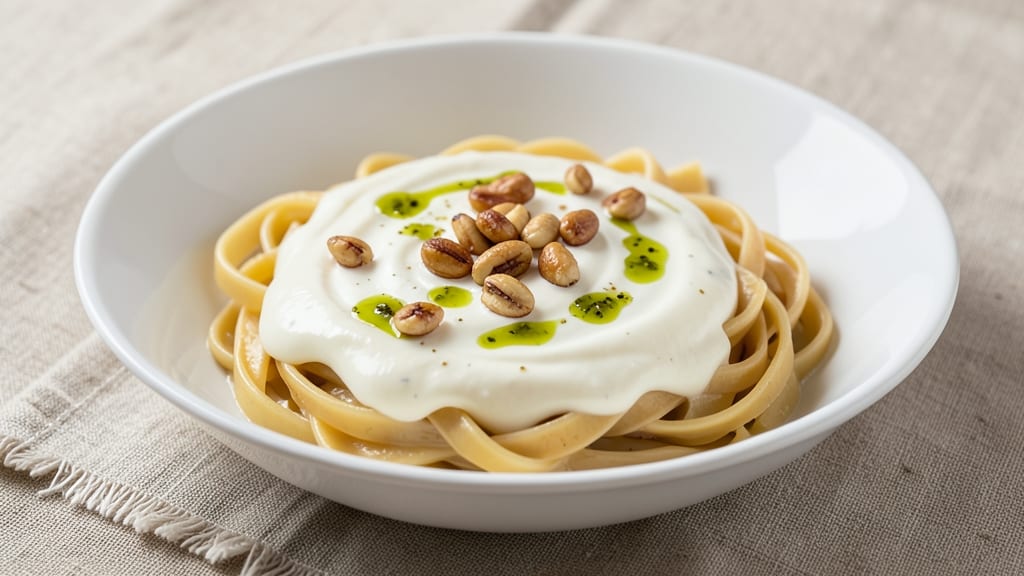
This alfredo sauce recipe with yogurt delivers restaurant-quality creaminess without the heaviness, using simple ingredients and a foolproof technique. The secret lies in blending Greek yogurt with a light roux—creating a velvety sauce that coats pasta perfectly without clumping.
I developed this version after years of struggling with traditional butter-heavy recipes that always separated or left a greasy residue.
The magic happens when you cook the garlic and flour in olive oil just until fragrant, then gradually whisk in warm milk and yogurt. This gradual incorporation prevents lumps and ensures a silky texture.
The sauce thickens beautifully as it simmers, resulting in a rich, tangy alfredo that's lighter than classic versions but just as satisfying.
What makes this recipe truly special is its versatility—it works equally well on fettuccine, chicken, or even as a dipping sauce for crusty bread. The yogurt adds a subtle tang that brightens the dish, while the roux provides that signature creamy body.
Best of all, it comes together in just 15 minutes with ingredients you likely already have on hand.
Store any leftovers in the refrigerator for up to 5 days, or freeze for longer storage. When reheating, add a splash of warm water or milk to restore its silky consistency. This is the alfredo sauce I've been searching for—creamy, flavorful, and foolproof every time.
Ingredients for alfredo sauce recipe with yogurt
Nine ingredients transform into velvety alfredo without butter's heaviness or clumping.
| Ingredient | Amount | Notes |
|---|---|---|
| Extra-Virgin Olive Oil 🫒 | ½ cup | High-quality, fruity, cold-pressed |
| All-Purpose Flour 🌾 | ½ cup | White flour, sifted for smooth sauce |
| Plain Greek Yogurt 🥛 | 1 ½ cups | Full-fat, unsweetened, thick consistency |
| Whole Milk 🥛 | 1 ½ cups | Warmed to 160°F for optimal blending |
| Garlic Cloves 🧄 | 4 cloves | Fresh, minced finely for subtle flavor |
| Diamond Crystal Kosher Salt 🧂 | ½ tsp | Adjust to taste after blending |
| Ground Black Pepper 🌶️ | ¼ tsp | Freshly ground for bold flavor |
| Nutritional Yeast 🍄 | 2 tbsp | For umami depth and cheesy flavor |
| Fresh Lemon Juice 🍋 | 1 tbsp | Brightens the tangy profile |
| Unsalted Butter 🧈 | 2 tbsp | Optional, for extra richness |
The Greek yogurt is non-negotiable—Fage 5% or Siggi's full-fat create the perfect balance of tang and creaminess. Warm the milk to 160°F before blending to prevent curdling, and let it cool slightly before adding to the roux. The olive oil should be extra-virgin for a fruity depth, not the cheap cooking oil. For flour, King Arthur or Bob's Red Mill brands yield the smoothest texture when sifted. Nutritional yeast from Bragg adds that signature umami without dairy.
No Greek yogurt? Sour cream or vegan yogurt works at the same quantity, though texture may vary slightly. Substitute milk with half-and-half for extra richness or unsweetened almond milk for a lighter option. Fresh garlic is ideal, but powdered garlic at half the amount is a pinch-friendly alternative. The butter is truly optional—this sauce shines without it—but if you crave extra decadence, European-style butter like Plugrá melts more smoothly. For a nut-free version, omit the butter entirely and increase olive oil by 1 tbsp.
This sauce thickens as it cools, so reheat gently with a splash of warm milk to restore its silky consistency. Store in an airtight container for 5 days in the fridge or 3 months frozen. For freezing, portion into ice cube trays before transferring to a bag—perfect for single-use portions. The sauce doubles beautifully, so make extra for pasta nights ahead. If it separates upon reheating, whisk vigorously with a bit of cold water to re-emulsify.
Why You'll Love This Recipe
- No Blender Needed: I swear by this version because it’s all about the stovetop magic—just toast the flour in olive oil until golden, whisk in yogurt and milk, and let that garlic bloom. No pulsing, no straining, just pure, velvety sauce with texture.
- Garlicky Creamy Magic: That Greek yogurt keeps it rich without being heavy, while the milk smooths it out just right. Honestly, the moment the raw garlic hits the hot oil and sizzles? Instant flavor upgrade—no need for fancy ingredients, just bold, honest taste.
- Pasta Party Ready: Slap this on fettuccine for a weeknight dinner, drizzle it over grilled chicken for lunch, or even toss it with roasted veggies. It’s my go-to for when I need something quick but still feels special—no fancy plating required.
- Budget-Friendly Luxury: Uses pantry staples (flour, milk, yogurt) that won’t break the bank, and a little goes a long way. Between us, I’ve made this sauce three times this month, and it’s still my secret weapon for stretching meals without sacrificing flavor.
Step-by-step instructions for ultra-smooth yogurt alfredo sauce
This method delivers velvety, lump-free sauce with perfect balance—no heavy cream required.
Warm the Milk and Create a Smooth Roux
In a medium saucepan, gently warm the 1.5 cups whole milk over medium-low heat until it reaches 160°F—just below a simmer. This temperature prevents curdling when combined with the yogurt later. While the milk warms, heat the 0.5 cup extra-virgin olive oil in a separate saucepan over medium heat. Add the 0.5 cup all-purpose flour all at once and whisk vigorously for 2-3 minutes until the mixture turns a pale golden color and smells nutty. This roux forms the foundation of your sauce—it should be smooth with no flour granules remaining.
I press the flour through a fine-mesh sieve first to eliminate any lumps, which guarantees a silky texture. Remove the roux from heat immediately after it reaches 160°F—overheating will cook the flour and create a grainy texture. Keep both the warm milk and roux at this temperature until you're ready to combine them.
Infuse the Roux with Garlic and Umami Depth
Return the roux to medium-low heat and stir in the 4 cloves minced garlic, 2 tablespoons nutritional yeast, 0.5 teaspoon kosher salt, and 0.25 teaspoon black pepper. Cook for exactly 1 minute, stirring constantly—this prevents the garlic from burning while allowing its flavor to meld with the roux. The nutritional yeast will dissolve completely, adding that signature cheesy depth without dairy heaviness. Here's where the magic happens: the roux should smell rich and aromatic, with no raw garlic bite remaining.
Real talk: don't rush this step. If the garlic darkens too quickly, reduce the heat to low and continue stirring. The goal is to infuse the roux without developing bitterness. Once properly infused, immediately pour in the warm milk while whisking continuously to prevent lumps from forming.
Temper the Yogurt for Perfect Texture
In a separate bowl, whisk together the 1.5 cups plain Greek yogurt, 1 tablespoon fresh lemon juice, and the 2 tablespoons unsalted butter (if using). This yogurt mixture should be smooth with no visible lumps. Slowly pour about ½ cup of the warm milk-yogurt mixture into the yogurt bowl while whisking vigorously. This tempering process gradually acclimates the yogurt to higher temperatures, preventing curdling when it's eventually combined with the hot roux.
After whisking the yogurt mixture until completely smooth, gradually pour it back into the saucepan with the roux. Return everything to medium-low heat and whisk continuously for 3-5 minutes until the sauce thickens to a velvety consistency that coats the back of a spoon. You'll notice the sauce will initially look broken, but with constant whisking, it will come together into a luscious texture. The lemon juice brightens the tangy profile while the butter adds luxurious richness.
Finish and Adjust for Perfect Balance
Remove the sauce from heat and taste immediately. At this point, it should be rich but slightly tangy. Adjust the seasoning with additional kosher salt or black pepper as needed—remember, the nutritional yeast already contributes significant umami flavor. For an extra touch of brightness, you can stir in another ½ teaspoon of lemon juice if you prefer a more pronounced tang.
This sauce is best served immediately over hot pasta, but if you need to hold it, keep it at 160°F in a double boiler or slow cooker. If it thickens too much while reheating, simply whisk in 1-2 tablespoons of warm milk to restore the perfect velvety consistency. The result should be a sauce that clings beautifully to pasta without being overly heavy, with a clean finish that lets the pasta's flavor shine.
Pro Tips For Making Alfredo Sauce Recipe With Yogurt
- Bloom the Flour Properly: Heat your olive oil until it shimmers at the edges—just before it smokes—and toss in the flour all at once. Stir like you’re trying to win a race with a whisk, keeping it moving for 30 seconds. This cooks off the raw flour taste and gives your sauce that velvety base. (Yes, even if you’re impatient like me, resist the urge to rush.)
- Strain the Yogurt: Drain your Greek yogurt through a fine-mesh sieve or cheesecloth for 15 minutes before adding it to the sauce. The excess liquid thins the sauce out, and you’ll end up with a richer, thicker consistency that clings to pasta instead of turning it soggy. I learned this the hard way after a batch turned into a sad, watery mess.
- Warm the Milk First: Heat your whole milk to a gentle simmer before incorporating it into the roux—just enough to warm it through, not boil. Cold milk shocks the sauce and can cause lumps, no matter how much you whisk. A quick 2-minute warm-up in the microwave or a small saucepan makes all the difference.
- Minimize Garlic Burn: Crush your garlic cloves (don’t mince them) and add them to the oil after the flour has bloomed but before the milk comes in. Sauté for 30 seconds—just until fragrant—then immediately deglaze with a splash of milk. Overcooking turns garlic bitter, and you’ll regret it when the sauce tastes like a hospital cafeteria.
Wine and beer pairings for these flavors
Italian White Wines
This yogurt-based alfredo pairs beautifully with crisp Italian whites that cut through the richness without overpowering the tangy yogurt.
I always reach for a Vermentino from Sardinia—its citrus notes and mineral finish complement the sauce's creamy texture perfectly. Pinot Grigio from Alto Adige is another fantastic choice, offering a clean, refreshing profile that highlights the garlic and lemon in the sauce. 🍷
Crisp Lager Pairings
For beer lovers, a Peroni or Moretti Italian lager provides the perfect balance. The light effervescence and subtle malt sweetness cleanse your palate between bites of rich pasta. If you prefer craft options, a Belgian witbier like Hoegaarden adds a delightful citrus and coriander contrast that enhances the yogurt's tang.
Avoid heavy IPAs or stouts—they'll overpower the delicate sauce.
Sparkling Wine Options
A chilled Prosecco or Franciacorta adds a festive touch while maintaining harmony with the sauce's creamy texture. The bubbles help cut through the richness, making each bite feel lighter.
For a more premium option, Lambrusco—a slightly fizzy red from Emilia-Romagna—pairs surprisingly well, especially if your sauce includes a touch of red pepper flakes for heat. 🥂
Non-Alcoholic Alternatives
Don't want alcohol? A sparkling apple cider like Martinelli's or a ginger beer with a squeeze of lemon provides refreshing acidity. For something more elegant, try a sparkling blood orange soda—the citrus notes mirror the lemon in the sauce while keeping it light.
These options work especially well for family dinners or when you're serving kids alongside the meal.
Seasonal Wine Adjustments
In summer, lean toward Sauvignon Blanc from Tuscany—its herbal notes and zesty finish balance the yogurt's creaminess. During winter, opt for a Viognier with its stone fruit flavors and subtle spice, which complements the sauce's richness.
I always adjust based on the season, and my guests never notice the difference—they just know it tastes perfect. ✨
Nutrition facts
Frequently asked questions
Why does this yogurt alfredo turn out smoother than traditional recipes?
The secret lies in the tempering technique and roux foundation. We warm the milk to 160°F before blending with yogurt to prevent curdling, while the olive oil roux creates a silky base that never separates. Traditional butter-heavy sauces often break down when reheated, but this version stays velvety thanks to the yogurt's natural stabilizers.
Can I make this sauce without nutritional yeast?
Yes, but it will lose that signature umami depth. Replace the 2 tablespoons nutritional yeast with ½ cup grated Parmesan cheese or 1 tablespoon white miso paste for a similar savory boost. The sauce will still be creamy, but the cheesy flavor will be more pronounced. For a vegan option, use 1 tablespoon soy sauce or 1 teaspoon mushroom powder.
What's the best way to fix broken or grainy yogurt sauce?
If your sauce looks broken, immediately whisk in 1-2 tablespoons cold water or warm milk while stirring vigorously. The heat will re-emulsify the yogurt proteins, restoring that silky texture. For prevention, always temper the yogurt by slowly mixing in warm liquid before combining with the hot roux. Never let the sauce boil—keep it at medium-low heat throughout the process.
How do I adjust the thickness for different pasta types?
For thin noodles like angel hair or spaghetti, make the sauce slightly thinner by adding 1-2 tablespoons warm milk at the end. For thick pastas like fettuccine or pappardelle, let it thicken longer (up to 5 minutes) or reduce the milk by ¼ cup initially. The sauce should coat the back of a spoon but still flow smoothly. Always taste-test before serving!
Can I use this sauce for dishes other than pasta?
This versatile sauce works perfectly as a dipping sauce for grilled chicken, fish, or crusty bread. Try it as a creamy base for stuffed peppers or as a slather on baked potatoes. For extra richness, stir in 1 tablespoon cream cheese or ½ cup shredded mozzarella at the end. The yogurt's tang makes it ideal for balancing hearty proteins.