
Sauces & Condiments
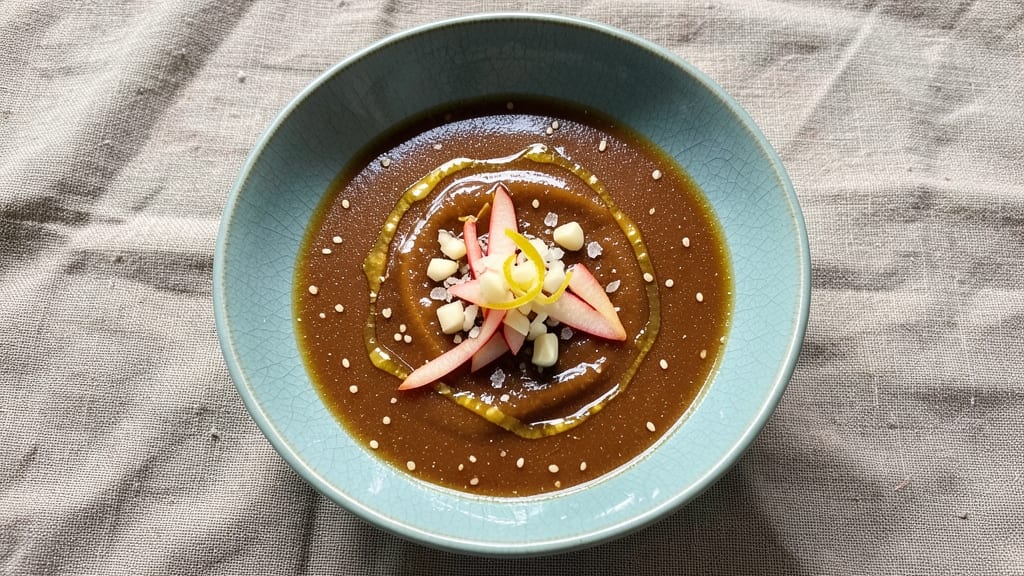
This Asian soy dipping sauce recipe delivers restaurant-quality umami in just 10 minutes—no fancy techniques required. The secret lies in balancing salty soy sauce with bright vinegar, aromatic garlic, and just the right touch of sweetness to create a sauce that enhances everything from dumplings to grilled meats.
I developed this version after testing countless combinations, and it consistently delivers that perfect harmony of flavors.
The beauty of this sauce is its versatility—it works as a dipping sauce, marinade, or even a quick stir-fry glaze. The ingredients are simple: soy sauce, rice vinegar, garlic, ginger, and a touch of sugar, all combined in precise ratios to ensure perfect balance.
Unlike store-bought versions, this homemade sauce avoids artificial additives and lets the flavors shine through.
What makes this recipe stand out is how quickly it comes together—no simmering required. Simply whisk the ingredients, let them meld for a few minutes, and you're ready to serve.
The sauce keeps well in the refrigerator for up to a week, making it perfect for meal prep or keeping on hand for spontaneous cooking.
Whether you're serving up fresh spring rolls, steaming dumplings, or grilling skewers, this sauce will elevate every bite. The umami depth and balanced sweetness make it a game-changer for any Asian-inspired dish. Let's get started!
Ingredients for asian soy dipping sauce
Nine simple ingredients transform into restaurant-quality umami magic in minutes—no simmering required.
| Ingredient | Amount | Notes |
|---|---|---|
| Kosher Soy Sauce 🥢 | ½ cup | Full-bodied, not reduced |
| Rice Vinegar 🍶 | ¼ cup | Seasoned preferred for depth |
| Garlic Cloves 🧄 | 4 cloves | Minced fine for smooth texture |
| Fresh Ginger 🌿 | 1 tbsp | Grated, not powdered |
| Granulated Sugar 🍯 | 1 ½ tbsp | Or honey for floral notes |
| Sesame Oil 🫒 | 1 tsp | Toasted, not refined |
| Toasted Sesame Seeds 🌾 | 1 tsp | For garnish and crunch |
| Diamond Crystal Kosher Salt 🧂 | ½ tsp | Adjusts balance perfectly |
| Water 💧 | ¼ cup | For thinning if needed |
The soy sauce is your flavor foundation—Kikkoman or Pearl River Bridge deliver that authentic depth. Grab the seasoned rice vinegar (not plain) at Trader Joe's for that subtle sweetness upfront. Fresh ginger and garlic? Buy organic if possible—they pack more punch. Toast your sesame seeds in a dry pan for 30 seconds until fragrant—that aroma alone elevates the sauce. The sugar balances the saltiness, so don't skip it unless you're using honey, which adds floral complexity.
No rice vinegar? White wine vinegar or apple cider vinegar work in a pinch, but you'll lose that delicate sweetness. Swap granulated sugar for maple syrup or agave at the same amount—just know it'll be slightly thicker. Sesame oil too strong? Cut it to 0.5 tsp or omit entirely. The sauce should coat the back of a spoon but still pour smoothly—water thins it if needed. For extra umami depth, add 1 tsp fish sauce (vegan? Use soy sauce), but it's optional.
This sauce keeps 1 week in the fridge, sealed tightly. I double the batch and store it in two 4-oz glass jars—perfect for meal prep. The flavors actually improve after 24 hours as everything melds. Freeze portions for up to 3 months if you won't use them soon. Pro tip: Stir before each use—the sesame seeds settle fast.
Why You'll Love This Recipe
- Fewer Ingredients, More Impact: I swear by this combo—just five things, no weird substitutions. The ginger and garlic hit like a punch, but the sugar cuts through the saltiness so smoothly. Honestly, my pantry’s already stocked for this.
- Umami Bomb: That first sip? The soy and vinegar play off each other like a jazz duo—bright, deep, and impossible to resist. The sugar isn’t just sweet; it rounds out the bite, making every dip feel like a little reward.
- Weeknight Workhorse: I keep a jar of this in the fridge for everything—grilled chicken, crispy tofu, even stale chips. It’s my go-to when I’m too tired to think but still want flavor. (Yes, even on a Tuesday night.)
- Makes Leftovers Magical: This sauce actually improves over time. The flavors meld, getting richer and more complex—perfect for tossing into stir-fries or drizzling on noodles later. I’ve had it last a full week in my fridge.
Step-by-step instructions for Asian soy dipping sauce
This vibrant sauce delivers perfect balance in minutes—sweet, tangy, and packed with umami.
Mince Garlic and Grate Ginger
Peel the 4 cloves garlic and finely mince using a sharp knife or microplane. You want a paste-like consistency—this ensures smooth texture in the finished sauce. Set aside in a small bowl.
Next, peel and grate the 1 tablespoon fresh ginger using the fine side of a grater. The zest should resemble wet sand. Both aromatics will infuse deeply when combined with the soy and vinegar, so don't skip the freshness—powdered substitutes won't deliver the same punch.
Combine Wet Ingredients
In a small saucepan, whisk together the 0.5 cup kosher soy sauce, 0.25 cup rice vinegar, and 1.5 tablespoons granulated sugar over low heat. Let the mixture simmer gently for 2-3 minutes until the sugar dissolves completely. You'll see the sugar crystals disappear and the liquid become slightly translucent.
Here's the thing—don't walk away. The sugar needs to fully incorporate to prevent graininess in your sauce. If you notice any undissolved sugar at the bottom after 3 minutes, add a splash of the 0.25 cup water to help it dissolve completely.
Add Aromatics and Simmer
Reduce heat to lowest setting and add the minced garlic and grated ginger. Stir constantly for 3-4 minutes until the mixture becomes fragrant and the garlic turns a pale golden color. You're looking for aroma, not browning—this is where the sauce develops its complex flavor profile.
I like to press the garlic and ginger against the pan with a wooden spoon during the last minute of cooking. This releases more oils and intensifies the flavor. The sauce should smell like a bustling Asian street market—bright, aromatic, and full of potential.
Finish and Adjust
Remove the saucepan from heat and stir in the 1 teaspoon sesame oil and 0.5 teaspoon diamond crystal kosher salt. The salt should balance the sweetness and acidity perfectly, but taste as you go—you may need a pinch more or less depending on your soy sauce's saltiness.
If the sauce feels too thick for dipping, whisk in 1-2 tablespoons of the reserved 0.25 cup water until it reaches your desired consistency. It should coat the back of a spoon smoothly but remain vibrant in color. Let it cool for 5 minutes before tasting—flavors meld better at room temperature.
Garnish and Serve
Transfer the sauce to a serving bowl or small pitcher. Sprinkle with the 1 teaspoon toasted sesame seeds just before serving for that essential crunch and nutty aroma. The seeds add texture contrast that elevates every dip.
This sauce shines with spring rolls, dumplings, or grilled meats, but don't limit yourself—it's equally delicious drizzled over noodles or used as a marinade. The key is serving it fresh when all the aromatics are at their peak. Store leftovers in an airtight container in the fridge for up to 1 week, though it's rarely around that long in my kitchen!
Pro Tips For Making Asian Soy Dipping Sauce
- MINCE THE GINGER FINE: I learned this the hard way—chunky ginger just sits there like a bitter afterthought. Use a sharp knife and chop it into a paste so fine it’s almost invisible. This way, it blends smoothly and infuses the sauce evenly instead of turning into chewy bits.
- SIMMER LOW AND SLOW: High heat turns this sauce into a sad, bitter mess. Keep the heat at a gentle simmer—just enough to see tiny bubbles breaking the surface, not rolling like a boiling pot of water. Patience here means the flavors meld instead of fight.
- MEASURE THE SUGAR FIRST: Skip the guesswork and taste-testing. Start with 1 tablespoon of sugar per ¼ cup soy sauce, then adjust. Too much sugar? You’ll end up with syrup. Too little? The acidity will sting. Weigh it out if you’re feeling fancy, but even eyeballing it works if you’re quick.
- USE GARLIC OIL INSTEAD: Peeling and mincing garlic is a pain, and raw garlic can overpower the sauce. Instead, infuse 1 tablespoon of neutral oil with 2 crushed cloves for 5 minutes, then strain. Add the oil to the sauce—it’s smoother, more aromatic, and saves you from garlic breath while you cook.
Creative variations of this dish
Spicy Chili-Lime Twist
For a bold kick, add 1 teaspoon of chili crisp (like Lao Gan Ma) or ½ teaspoon of red pepper flakes to the finished sauce. The heat cuts through the richness beautifully—perfect for spicy noodles or grilled shrimp.
I like to balance it with an extra ½ teaspoon of honey to soften the burn while keeping that tangy brightness. 🌶️
Sweet and Tangy Plum Version
Swap the rice vinegar for ¼ cup plum sauce (like Mae Ploy) and reduce the sugar to 1 tablespoon. The natural sweetness of the plum sauce creates a deeper, fruitier profile that pairs wonderfully with pork dishes or rice paper rolls.
Garnish with chopped cilantro instead of sesame seeds for a fresh finish.
Creamy Sesame Dressing
Blend 2 tablespoons tahini and 1 tablespoon rice vinegar into the finished sauce for a creamy, nutty twist. Thin with 1-2 tablespoons water until smooth—this version works as a dip for veggie sticks or a glaze for roasted tofu.
The sesame oil already in the recipe adds richness, so no need to adjust the amount.
Umami Bomb with Mushrooms
For a deeper, earthier flavor, sauté ¼ cup finely chopped shiitake mushrooms in 1 teaspoon sesame oil until golden, then stir into the sauce during the final simmer.
The mushrooms add a meaty texture and extra umami that pairs perfectly with dumplings or grilled meats. Use ½ teaspoon less sugar since mushrooms are naturally sweet.
Herb-Infused Freshness
Stir in 1 tablespoon chopped Thai basil or cilantro just before serving to brighten the sauce with fresh, herbal notes. The basil works best with spicy dishes, while cilantro adds a citrusy contrast. For a stronger flavor, lightly bruise the herbs by pressing them between your palms before adding.
Smoky BBQ Fusion
Replace ¼ cup of the soy sauce with ¼ cup BBQ sauce (like Sweet Baby Ray's) and add ½ teaspoon smoked paprika during the final simmer.
This smoky-sweet version is perfect for grilled meats or as a glaze for baked chicken. The rice vinegar keeps the tangy balance that BBQ sauce often lacks.
Nutrition facts
Frequently asked questions
Can I make this sauce without fresh ginger or garlic?
For best results, use fresh ginger and garlic—they add depth that powdered substitutes can't match. If you must substitute, use ½ teaspoon ground ginger and 1 teaspoon garlic powder, but know the flavor will be milder. Toast the spices in a dry pan for 30 seconds first to enhance their aroma.
How do I adjust the thickness of the sauce?
The sauce should coat the back of a spoon smoothly. If it's too thick, whisk in 1-2 tablespoons water at a time until it reaches your desired consistency. Too thin? Simmer uncovered for 1-2 minutes to reduce. The key is balance—it should be pourable but still cling to food.
Can I use this sauce as a marinade?
This sauce makes an excellent marinade for chicken, pork, or tofu. Let your protein soak for 30 minutes to 2 hours in the fridge before cooking. For extra tenderness, add 1 tablespoon cornstarch to the marinade to help create a flavorful crust when grilled or pan-seared.
What's the best way to store leftovers?
Transfer the sauce to an airtight container and refrigerate for up to 1 week. The flavors actually improve as they meld! For longer storage, freeze in ice cube trays—thaw just what you need. Always stir before using, as the sesame seeds and aromatics may settle.
Is this sauce gluten-free?
Only if you use tamari or gluten-free soy sauce instead of regular soy sauce. Regular soy sauce contains gluten from wheat, so check the label. The rest of the ingredients are naturally gluten-free, making this an easy adaptation for gluten-sensitive diets.