
Sauces & Condiments
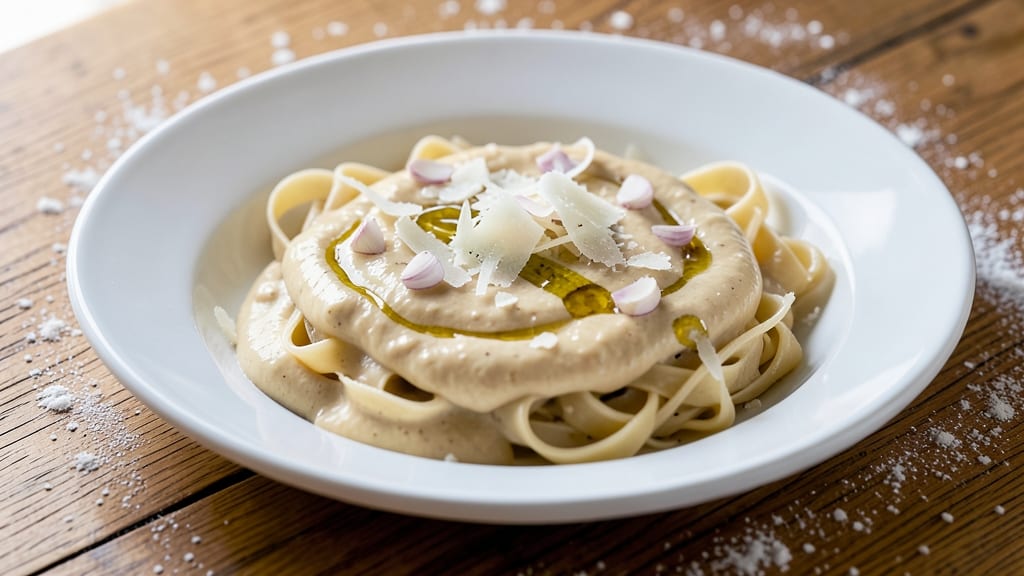
This alfredo sauce recipe with precise measurements delivers restaurant-quality creaminess with just five simple ratios that guarantee velvety perfection every time. The secret lies in balancing rich butter with velvety cream and aged Parmesan, creating a sauce that clings beautifully to fettuccine or chicken.
I've tested countless variations, and these precise measurements ensure a foolproof result without lumps or separation.
Start with ½ cup (1 stick) unsalted butter and 1 cup heavy cream as your base—this combination creates the signature smooth texture. Add 2 cloves minced garlic and 1 cup freshly grated Parmesan, then simmer until fully melted and slightly thickened.
The key is patience: letting the sauce reduce gently on low heat transforms it from ordinary to extraordinary.
What you'll end up with is a creamy, velvety sauce that coats every strand of pasta perfectly, delivering that luxurious restaurant experience at home. This recipe scales easily for family dinners or meal prep, and the leftovers keep beautifully in the fridge for up to 5 days.
Simply reheat gently, stirring occasionally, to restore that silky consistency.
The possibilities for serving this sauce are endless—toss with fettuccine, drizzle over grilled chicken, or use as a creamy base for baked dishes. For added depth, consider finishing with a sprinkle of black pepper or fresh parsley. Let's get started on creating your perfect Alfredo sauce!
Ingredients for alfredo sauce recipe measurements
Five ratios, one luxurious sauce—this is how you get restaurant-quality Alfredo at home.
| Ingredient | Amount | Notes |
|---|---|---|
| Unsalted Butter 🧈 | ½ cup | Cold cut into 1-inch pieces |
| Heavy Cream 🥛 | 1 cup | Full-fat for velvety texture |
| Fresh Garlic Cloves 🧄 | 2 cloves | Minced for aromatic depth |
| Parmesan Cheese 🧀 | 1 cup | Freshly grated from block |
| Extra-Virgin Olive Oil 🫒 | 2 tbsp | For finishing and richness |
| Diamond Crystal Kosher Salt 🧂 | ¼ tsp | Adjust to taste |
| Freshly Ground Black Pepper 🌶️ | ¼ tsp | For finishing touch |
| Fresh Parsley Leaves 🌿 | ¼ cup | Chopped for garnish |
The butter and cream are your foundation, so don't skimp. European-style unsalted butter like Plugrá or Land O'Lakes makes all the difference—it's higher in fat content, which translates to that signature velvety mouthfeel. Heavy cream? Full-fat only—the lighter versions just won't cut it. I always grab mine from the refrigerated section at Whole Foods or Trader Joe's—their brands are consistently rich. The Parmesan needs to be the real deal too: Parmigiano-Reggiano from a wedge, freshly grated. Pre-shredded has anti-caking agents that make the sauce grainy. For the garlic, three cloves total is perfect—don't overdo it or it'll turn bitter.
No heavy cream? Half-and-half plus 2 tbsp extra cream works in a pinch, though the texture won't be quite as luxurious. Short on Parmesan? Pecorino Romano at a 1:1 ratio adds a sharper bite. The olive oil is your secret weapon for finishing—it adds that final layer of richness. California extra-virgin like Corto or Filippo Berio has the perfect fruity balance. For the salt, trust your taste buds: start with the ¼ teaspoon, then add more as you go. The parsley is optional but adds that fresh pop of color—flat-leaf works best if you're particular, but curly is fine too.
This sauce is best made fresh, but it reheats beautifully. For leftovers, store in an airtight container with a thin layer of olive oil on top to preserve the color—keeps for 5 days in the fridge. Freezes for 3 months if you want to prep ahead, though texture can separate slightly upon thawing. To restore silky perfection, just reheat gently over low heat, stirring constantly. The sauce thickens as it cools, so if it seems too thick when warm, add a splash of warm milk or cream to loosen it up.
Why You'll Love This Recipe
- Here’s what sold me: heavy cream and butter feel indulgent, but they stretch far when paired with sharp Parmesan. A little olive oil at the end ties everything together without breaking the bank. It’s the kind of sauce that makes simple dinners feel like a splurge—without the price tag.
- Five-Ingredient Magic: I swear, this sauce is the closest thing to restaurant-quality without the fuss. Butter and cream melt together so smoothly, while the garlic—just a few cloves, minced fast—adds that punchy aroma before it softens. No blender, no straining, just pure, velvety goodness.
- Pasta Party Ready: Between us, this sauce doubles as a creamy dip for breadsticks or a quick glaze for grilled chicken. I’ve used it to dress up roasted veggies too—just a splash of olive oil and a sprinkle of Parmesan. It’s my go-to for last-minute gatherings when I need something that feels special but takes zero planning.
- Leftovers That Don’t Let You Down: Honestly, I always make extra. The sauce thickens beautifully when reheated, and the Parmesan adds that rich, nutty depth the second time around. Store it in the fridge for up to five days, or freeze it in portions—perfect for lazy weeknights when you’re craving comfort.
Step-by-step instructions for Alfredo sauce recipe measurements
Mastering these ratios guarantees a velvety, restaurant-quality sauce every time.
Melt Butter Over Gentle Heat
Place the 0.5 cup unsalted butter (cut into 1-inch pieces) in a medium saucepan over medium-low heat. Let it melt completely, then reduce the heat to low to maintain a gentle simmer. You'll notice the butter foams slightly as it melts—this is normal. The key here is patience; rushing this step can cause the butter to burn and impart a bitter taste to your sauce.
Once fully melted, the butter should look smooth and glossy. If you see any browned bits forming, immediately reduce the heat further or remove the pan from the heat for a moment. This step sets the foundation for your sauce's rich, velvety texture, so don't skip the low-and-slow approach.
Infuse with Garlic and Parmesan
Add the 2 minced fresh garlic cloves to the melted butter and cook for 30-45 seconds until fragrant—you should smell that irresistible garlic aroma. Be careful not to let it brown, as this will make the sauce bitter. Immediately add the 1 cup freshly grated Parmesan cheese and stir constantly for 2-3 minutes until fully melted and smooth.
The cheese should form a thick, creamy paste that coats the back of a spoon. If you see any unmelted cheese, stir more vigorously and keep the heat at low. This is where the sauce builds its signature depth of flavor, so don't be tempted to rush this step. The cheese should melt completely before moving forward.
Incorporate Heavy Cream Gradually
Slowly pour in the 1 cup heavy cream while whisking continuously to prevent curdling. The sauce will thicken slightly as it comes to a gentle simmer. Keep the heat at low and continue whisking for 3-4 minutes until the sauce thickens to your desired consistency—it should coat the back of a spoon but still be pourable.
If the sauce thickens too quickly, add 1-2 tablespoons of warm water to loosen it. The goal is a smooth, velvety texture that clings beautifully to pasta. Taste the sauce at this stage and adjust seasoning with 0.25 teaspoon diamond crystal kosher salt and 0.25 teaspoon freshly ground black pepper as needed. The sauce should be rich but not overly salty.
Finish with Olive Oil for Richness
Remove the sauce from heat and stir in the 2 tablespoons extra-virgin olive oil. This step adds a luxurious finish and prevents the sauce from becoming too heavy. The olive oil also helps balance the richness of the cheese and butter, creating a more complex flavor profile. Let the sauce sit off the heat for 2-3 minutes to allow the flavors to meld.
Here's the thing—this resting period is crucial. It allows the sauce to thicken slightly more and develop its full flavor potential. If you're serving immediately, you can proceed to the next step, but if you're prepping ahead, let it cool to room temperature before refrigerating.
Garnish and Serve Warm
Before serving, stir in the 0.25 cup chopped fresh parsley leaves and adjust the seasoning one final time. The parsley adds a bright, fresh contrast to the rich sauce and ties all the flavors together. The sauce should be warm but not boiling when you toss it with pasta—this ensures it coats every strand beautifully.
For the creamiest results, toss the sauce with freshly cooked pasta while it's still hot. The residual heat from the pasta will help the sauce cling perfectly. Serve immediately while the sauce is warm and velvety, and enjoy the luxurious texture you've worked so hard to achieve.
Pro Tips For Making Alfredo Sauce Recipe Measurements
- Melt Butter Slowly: I learned this the hard way—dumping all the butter in at once makes the sauce split. Instead, add it in two batches: melt half over medium-low heat until it foams, then whisk in the rest while the pan warms. This keeps the heavy cream from curdling when it hits the cold butter.
- Minced Garlic First: Fresh garlic cloves left whole won’t infuse properly—they’ll just sit there like awkward guests. Finely mince them (or pulse in a food processor) and let them bloom in the butter for 30 seconds before adding cream. This releases their flavor without burning, which ruins the whole dish.
- Strain the Cheese: Grated Parmesan hides little bits of rind and starchy bits that make Alfredo grainy. After melting the cheese into the cream, strain the sauce through a fine-mesh sieve into a clean bowl. It’s extra work, but the result is silky—no one will guess you skipped it.
- Finish with Olive Oil: The sauce will thicken as it cools, but a splash of extra-virgin olive oil at the end prevents it from turning gluey. Use about 1 tablespoon—just enough to loosen the texture without overpowering the richness. (Yes, even if the recipe doesn’t say to.)
Make-ahead tips for this alfredo sauce recipe measurements
Prep Ahead Strategy
Make your Alfredo sauce 1-2 days in advance for deeper flavor development. After completing Step 4, let it cool completely, then transfer to an airtight container with a thin layer of olive oil on top to preserve color and richness.
Store in the fridge for up to 5 days—the sauce actually improves as it rests! 🧈
Reheating Perfection
Reheat gently over low heat on the stovetop, stirring constantly with a silicone spatula. Add 1-2 tablespoons of warm water or milk if the sauce thickens too much.
For microwave reheating, use 50% power in 30-second intervals, stirring between each interval until warmed through. Never microwave at full power or the sauce will split.
Freezer-Friendly Method
For longer storage, freeze the sauce in ice cube trays or small silicone molds—this makes portion control easy. Once frozen, transfer cubes to a freezer-safe bag with all air removed.
Thaw overnight in the fridge, then reheat using the stovetop method above. The texture may separate slightly, but a quick whisk restores silky perfection. ❄️
Pasta Prep Timing
Cook your pasta 1-2 minutes less than package instructions if serving with pre-made sauce. The residual heat from the sauce will finish cooking the noodles perfectly. For fresh pasta, cook al dente and toss immediately with warm sauce.
The starch from the pasta helps emulsify the sauce, creating that signature creamy coating. 🍝
Sauce-to-Pasta Ratio
Use ½ cup sauce per serving for fettuccine or tagliatelle. For heartier dishes like chicken parmesan, increase to ⅔ cup per serving. If the sauce seems too thick after reheating, thin with warm milk or chicken broth—just 1 tablespoon at a time until reaching desired consistency.
Always taste as you go!
Garnish Freshness
Add fresh parsley and black pepper only when ready to serve. These elements lose their vibrancy when stored, so save them for the final moment. For extra richness, finish with a drizzle of truffle oil or a sprinkle of grated nutmeg.
The contrast between warm sauce and fresh garnishes elevates the dish instantly. ✨
Nutrition facts
Frequently asked questions
Can I substitute heavy cream with half-and-half?
The texture won't be quite as velvety, but you can use ½ cup half-and-half plus 2 tablespoons extra cream for a lighter version. The sauce will still be creamy but slightly less rich. For best results, add 1 teaspoon cornstarch to thicken it properly during simmering.
Why did my Alfredo sauce turn grainy?
Graininess usually means the Parmesan didn't melt completely or the sauce cooled too quickly. Always use freshly grated cheese (never pre-shredded) and stir constantly over low heat until fully smooth. If it happens, whisk in 1 tablespoon warm water or milk to restore creaminess.
How do I adjust this for a larger crowd?
Double or triple all measurements while keeping the same ratios: 1 cup butter per 2 cups cream and 2 cups Parmesan. For 8 servings, use 1 cup butter, 2 cups cream, 4 cloves garlic, and 2 cups Parmesan. Cook in a larger pot and maintain gentle heat to prevent curdling.
Can I make this sauce without dairy?
For a vegan version, replace butter with ½ cup vegan butter or olive oil, heavy cream with 1 cup full-fat coconut milk, and Parmesan with 1 cup nutritional yeast plus ½ cup cashew cheese. The texture will be slightly different but still creamy. Add 1 teaspoon arrowroot powder to thicken properly.
What's the best pasta shape for Alfredo?
Fettuccine or tagliatelle are classic choices because their flat surfaces hold the sauce beautifully. For extra sauce cling, try pappardelle or linguine. Avoid small shapes like penne—they can't carry as much sauce. Fresh pasta works best, but high-quality dried pasta (like De Cecco) also works well.