
Sauces & Condiments
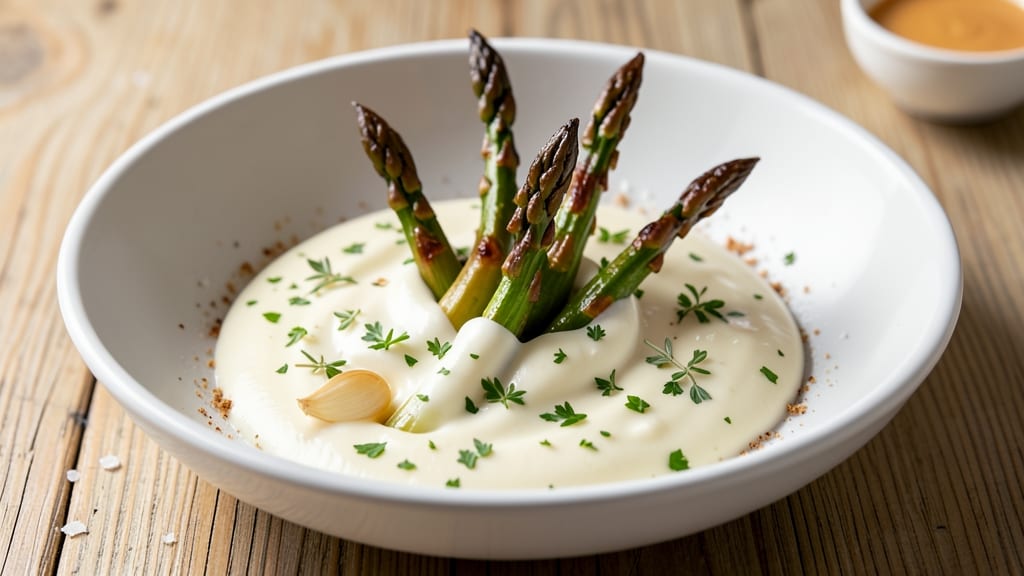
This asparagus white sauce recipe delivers velvety richness that transforms simple asparagus into an elegant, restaurant-worthy dish. The secret lies in a perfectly balanced béchamel foundation—smooth, creamy, and infused with garlic and herbs that complement asparagus's natural earthiness.
I developed this sauce after years of experimenting with white sauces, ensuring it's foolproof yet sophisticated enough for special occasions.
The sauce begins with a classic roux—equal parts butter and flour cooked until golden—then gradually incorporates warm milk for a silky texture. Garlic and fresh herbs like thyme or parsley are added at the end to preserve their bright flavors.
What sets this apart is the optional touch of lemon zest, which brightens the richness and cuts through the sauce's heaviness.
What you'll end up with is a luscious, clingy sauce that coats asparagus spears perfectly, enhancing their natural sweetness without overpowering it. The result is tender asparagus with a glossy, creamy finish—ideal for serving over pasta, drizzled on grilled meats, or paired with roasted potatoes.
This sauce keeps well in the refrigerator for up to five days, making it perfect for meal prep.
For added depth, consider stirring in a splash of heavy cream or a sprinkle of grated parmesan at the end. The sauce's versatility means it works equally well as a standalone topping or a base for more elaborate dishes. Let's get started on creating this creamy masterpiece!
Ingredients for asparagus white sauce
Nine ingredients transform simple asparagus into restaurant-worthy elegance.
| Ingredient | Amount | Notes |
|---|---|---|
| Unsalted Butter 🧈 | ½ cup | Cold, cubed for roux |
| All-Purpose Flour 🌾 | ½ cup | Sifted for smooth texture |
| Whole Milk 🥛 | 2 cups | Warmed for silky sauce |
| Garlic Cloves 🧄 | 3 cloves | Minced, for aromatic depth |
| Fresh Thyme Leaves 🌿 | 1 tbsp | Or 1 tsp dried thyme |
| Fresh Parsley Leaves 🌿 | ¼ cup | Chopped, for brightness |
| Lemon Zest 🍋 | 1 tbsp | Optional, for freshness |
| Salt 🧂 | ½ tsp | Diamond Crystal preferred |
| Ground White Pepper 🌶️ | ¼ tsp | For subtle seasoning |
| Heavy Cream 🥛 | ¼ cup | Optional, for extra richness |
The butter and flour start this sauce right—European-style unsalted butter (like Plugrá) gives the best flavor, but any good brand works. Flour should be sifted for that velvety texture—King Arthur or Bob's Red Mill are my go-tos. Warm the milk just until steaming (microwave 45 seconds, then stir), but never boil it—lumpy roux is a nightmare. For the garlic, freshly minced makes all the difference (no jarred minced garbage), and thyme should be fresh if possible—dried works in a pinch but lacks that bright herbaceous kick. Parsley rounds out the herbs beautifully, so don't skip it.
No thyme? Fresh oregano or basil work in a pinch, though thyme's earthy notes are ideal. Short on parsley? Chives or tarragon add a different but lovely dimension. The lemon zest is optional but worth it—organic lemons from the grocery store's produce section have the best zest. Want extra richness? Heavy cream at the end takes it from good to decadent. For a lighter version, use half-and-half or coconut milk**. The sauce should coat the back of a spoon—if it's too thick, add warm milk; if too thin, simmer longer. Trust the process here.
This sauce keeps beautifully in the fridge for 5 days, sealed in an airtight container with a thin layer of oil on top to preserve freshness. For longer storage, freeze in ice cube trays**—perfect for single portions later. Reheat gently on low heat, stirring constantly, until smooth. It reheats even better than it tastes fresh, so make extra. The sauce pairs perfectly with grilled asparagus, roasted chicken, or even mashed potatoes—versatility at its finest**.
Why You'll Love This Recipe
- Pantry Staples Only: I swear by this recipe because it uses stuff I already have—no weird specialty items. Butter, flour, milk, garlic, and thyme? That’s it. Even my college-dorm pantry could handle it, and somehow it still tastes like I spent hours in the kitchen.
- Garlic-Thyme Magic: The moment the minced garlic hits the butter, my kitchen smells like a French bistro. Fresh thyme ties it all together—bright, herbal, and just enough to make you reach for seconds. (Yes, even on a Tuesday night.)
- Weeknight to Dinner Party: This sauce turns bland asparagus into a showstopper with almost no effort. Drizzle it over roasted asparagus for a quick weeknight meal, or serve it with grilled chicken for a fancier dinner. Same recipe, two vibes.
- Leftovers That Don’t Suck: Unlike creamy sauces that separate or turn gluey, this one reheats like a dream—smooth, rich, and just as good the second day. I’ve even frozen portions for lazy mornings, and it thaws without a hitch. (Between us, that’s my real MVP move.)
Step-by-step instructions for asparagus white sauce
This velvety garlic-herb sauce comes together effortlessly when you follow these precise steps.
Create the Perfect Roux
In a medium saucepan over medium heat, melt the 0.5 cup unsalted butter until it's completely liquid but not browned. Add the 0.5 cup all-purpose flour all at once and whisk vigorously for 1-2 minutes until the mixture thickens into a smooth, paste-like consistency.
This is your roux foundation—it should be the color of pale putty, not golden. If it starts to smell nutty or darken, you've gone too far. Keep whisking constantly to prevent lumps from forming. The roux is the secret to that silky, creamy texture we're after.
Infuse with Aromatics
Reduce the heat to low and add the 3 minced garlic cloves and 1 tbsp fresh thyme leaves. Cook for 1-2 minutes until the garlic is fragrant but not browned—you want aroma, not bitterness. Stir frequently to prevent burning.
Here's where the magic starts. The garlic should perfume the air without overpowering the sauce. If you notice it turning golden, immediately remove the pan from heat. The thyme will release its earthy notes as it cooks down, creating that herbal depth we're chasing.
Gradually Incorporate the Milk
Slowly pour in the 2 cups whole milk while whisking continuously to prevent lumps from forming. Increase heat to medium-low and cook for 5-7 minutes, stirring frequently, until the sauce thickens enough to coat the back of a spoon.
This gradual addition is crucial—adding milk too quickly creates lumps that never fully dissolve. You'll see the sauce transform from a thin liquid to a velvety consistency. If it thickens too quickly, add a splash of milk to loosen it. The sauce should be smooth and glossy, not grainy.
Finish with Fresh Herbs and Seasoning
Remove the pan from heat and stir in the 0.25 cup chopped fresh parsley leaves, 1 tbsp lemon zest, 0.5 tsp salt, and 0.25 tsp ground white pepper. The parsley adds brightness, the lemon zest lifts the flavors, and the white pepper provides a subtle, sophisticated seasoning.
For extra richness, stir in the 0.25 cup heavy cream now. If you're serving this sauce immediately, you can skip the cream and add it at the table instead. Taste and adjust seasoning—you might need a pinch more salt or a squeeze of lemon to balance the flavors.
Rest and Serve
Return the sauce to low heat and let it simmer gently for 3-5 minutes to allow all the flavors to meld together. Then transfer it to a serving bowl and let it rest for 5 minutes before serving. This resting period ensures the sauce reaches its perfect consistency.
The sauce should be thick enough to coat asparagus spears beautifully but still flow smoothly. Serve immediately over blanched asparagus or use as a creamy sauce for grilled fish, chicken, or crusty bread. The flavors will continue to develop as it sits, so don't wait too long to serve.
Pro Tips For Making Asparagus White Sauce
- Cook Butter Slowly: Melt the unsalted butter over medium-low heat—no rushing. I learned this the hard way when I cranked it too high and ended up with a nutty, burned flavor instead of that clean, rich base. Let it bubble gently for 2-3 minutes before adding flour.
- Toast the Flour Right: Cook the flour-butter roux for 1-2 minutes until it’s the color of pale toast, not white. This step matters most—it removes the raw taste and thickens the sauce properly. Skip it, and you’ll end up with a gluey mess.
- Whisk Milk Gradually: Pour the milk into the roux slowly, whisking constantly to avoid lumps. I used to dump it in all at once, and the sauce would seize up like a stubborn child. A splash at a time keeps it smooth.
- Sauté Garlic Until Soft: Cook the minced garlic in the sauce until it’s just fragrant, not browned—about 30 seconds. Overdo it, and you’ll taste bitterness instead of that bright, fresh garlic flavor. Remove it early if you’re worried.
Wine and beer pairings for this asparagus white sauce
Crisp White Wine Pairing
For this creamy asparagus white sauce, I always reach for a dry Riesling from Germany’s Mosel region. The wine’s bright acidity and subtle mineral notes cut through the sauce’s richness while complementing the garlic and herbs.
Look for a 2022 Dr. Loosen Blue Slate Riesling—its crisp finish enhances the sauce’s velvety texture without overpowering it. Serve slightly chilled (45-50°F) to let the wine’s freshness shine alongside the sauce’s creamy depth. 🍷
Chardonnay with a Twist
A well-balanced unoaked Chardonnay from Burgundy or California works beautifully with this sauce. I love La Crema Monterey Chardonnay—its citrus and apple notes mirror the lemon zest in the sauce while its creamy mouthfeel matches the sauce’s texture.
For a richer pairing, opt for a lightly oaked Chardonnay like Meiomi Pinot Grigio (yes, it’s technically a blend, but trust me—it’s perfect). The oak adds subtle vanilla notes that harmonize with the butter and milk base.
Light Beer Options
If you prefer beer, a crisp Belgian witbier like Hoegaarden or Stella Artois cleanses the palate between bites. The coriander and orange peel notes in witbiers contrast the sauce’s creaminess beautifully.
For a bolder option, try a German Helles lager—its malty sweetness balances the sauce’s garlic and herbs. Serve both beers well-chilled (40-45°F) to maintain their refreshing qualities. 🍺
Sparkling Wine Elevation
For a special occasion, Prosecco or Cava adds a luxurious touch. The effervescence cuts through the sauce’s richness, while the wine’s floral and citrus notes enhance the parsley and lemon zest.
I recommend La Marca Prosecco for its bright acidity and fresh fruit flavors. Serve at 40-45°F to preserve its bubbles and crispness. This pairing feels celebratory yet effortless—perfect for dinner parties.
Red Wine Surprise
Yes, you can pair this sauce with a light red! A Pinot Noir from Oregon or New Zealand offers earthy notes that complement the thyme and garlic. Try Domaine Serene Pinot Noir—its red fruit and subtle spice notes harmonize with the sauce’s herbal profile.
The wine’s acidity prevents the sauce from feeling too heavy. Serve at 55-60°F to let its delicate flavors shine. 💫
Nutrition facts
Frequently asked questions
Can I make this sauce without butter?
Yes! For a lighter version, substitute the butter with 0.5 cup olive oil (use a high-quality extra virgin) or 0.5 cup vegan butter. The sauce will still turn out creamy, though the flavor will be slightly different. For a dairy-free option, use unsweetened almond milk instead of whole milk. The texture may be slightly thinner, but it works beautifully with asparagus.
How do I fix a lumpy sauce?
Don’t panic—this happens to everyone! Immediately remove the pan from heat and whisk vigorously while adding 1-2 tablespoons of ice water at a time. If the lumps persist, strain the sauce through a fine-mesh sieve for a silky finish. For prevention, always whisk continuously when adding milk to the roux and keep heat at medium-low.
Can I use this sauce for other vegetables?
This versatile sauce pairs wonderfully with green beans, broccoli, or Brussels sprouts. For a richer flavor, add 1 teaspoon of Dijon mustard to the roux before adding milk. For mushrooms, stir in 1 tablespoon of soy sauce at the end for umami depth. The garlic-herb combination works equally well with grilled or roasted vegetables.
Why does my sauce taste bland?
This usually means the seasoning needs adjustment. Taste and add more salt (start with 0.25 tsp) or a pinch of white pepper. For extra depth, stir in 1 teaspoon of lemon juice or 1 tablespoon of grated parmesan at the end. If the sauce still tastes flat, try adding 1/2 teaspoon of fish sauce (trust me—it enhances flavors without overpowering). Fresh herbs like parsley or thyme can also brighten the flavor.
How long can I store leftover sauce?
This sauce keeps for 5 days in an airtight container in the refrigerator. For longer storage, freeze in ice cube trays or small containers—it reheats beautifully! To prevent a skin from forming, press plastic wrap directly onto the surface before sealing. When reheating, warm over low heat while stirring constantly to avoid scorching.