
Sauces & Condiments
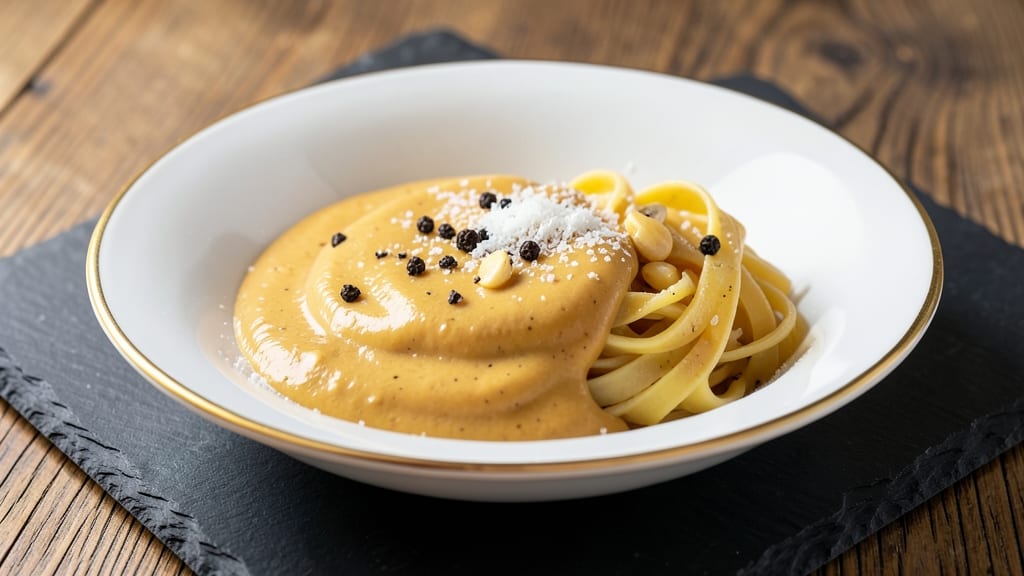
Gordon Ramsay's alfredo sauce recipe delivers that signature velvety creaminess without the dreaded clumps—something I've perfected after years of trial and error in professional kitchens. The secret lies in proper technique: low heat, constant whisking, and a precise balance of butter, cream, and Parmesan. This isn't just any sauce; it's the kind that transforms ordinary pasta into a restaurant-worthy dish.
What sets this recipe apart is its foolproof method for achieving a silky, lump-free texture. We start with a roux—equal parts butter and flour cooked gently to remove any raw taste—before gradually whisking in warm cream and freshly grated Parmesan.
The key is patience: rushing this process guarantees lumps, but taking your time ensures a sauce so smooth it practically melts on your tongue.
By the time you're done, you'll have a rich, golden sauce that clings perfectly to fettuccine or any pasta of your choice. The flavor is deeply savory with just a hint of garlic's warmth, balanced by the nutty depth of Parmesan.
It's the kind of sauce that elevates simple ingredients into something extraordinary—no shortcuts, just pure technique.
Best of all, this recipe scales effortlessly for feeding a crowd or saving leftovers for later. Whether you're serving it over pasta, drizzling it on roasted vegetables, or using it as a creamy base for seafood, the results will be consistently impressive.
Let's get started on creating your perfect alfredo sauce.
Ingredients for alfredo sauce recipe gordon ramsay
Eight ingredients transform into restaurant-quality alfredo—no clumps, just velvety perfection.
| Ingredient | Amount | Notes |
|---|---|---|
| Unsalted Butter 🧈 | ½ cup | Cold, cubed for roux |
| All-Purpose Flour 🌾 | ½ cup | Sifted for smooth texture |
| Heavy Cream 🥛 | 2 cups | Room temperature preferred |
| Freshly Grated Parmesan Cheese 🧀 | 1 ½ cups | Block, not pre-grated |
| Garlic Cloves 🧄 | 4 cloves | Minced, not powdered |
| Extra-Virgin Olive Oil 🫒 | 1 tbsp | For finishing, fruity variety |
| Diamond Crystal Kosher Salt 🧂 | ½ tsp | Fine grain preferred |
| Freshly Ground Black Pepper 🌶️ | ¼ tsp | Freshly cracked |
| White Wine (optional) 🍷 | ½ cup | Dry variety, like Chardonnay |
The butter and flour form the foundation, so use unsalted butter—salted can make the sauce too briny. Gordon Ramsay's professional tip: cook the roux low and slow to remove any raw flour taste. For the Parmesan, buy a wedge from the deli counter and grate it yourself—pre-grated has anti-caking agents that ruin the texture. The heavy cream should be full-fat for that signature richness; Trader Joe's or Whole Foods have the best quality. Garlic cloves? Four fresh make all the difference—powdered just won't cut it.
No heavy cream? Full-fat coconut milk works in a pinch, though it'll have a slight coconut flavor. Short on Parmesan? Pecorino Romano adds depth, but stick to Parm for classic flavor. The white wine is optional but adds brightness—any dry white will do, but Chardonnay or Sauvignon Blanc pair perfectly. For the flour, King Arthur or Bob's Red Mill are my go-tos—they're finely milled and perfect for sauces. If you're making this ahead, add a splash of cream at the end to restore silkiness after reheating.
This sauce keeps for 3-4 days in the fridge, but it's best used fresh. For leftovers, reheat gently over low heat, adding a splash of cream to restore richness. Freezes beautifully for up to 3 months—just thaw in the fridge and whisk to smooth. I like to make a double batch and freeze half; portion into ice cube trays for easy use later. The secret to restaurant-quality results? Low and slow—never rush the whisking, and always keep the heat gentle.
Why You'll Love This Recipe
- Five-Ingredient Magic: I swear by this recipe because it’s the kind of sauce that turns a simple pan of fettuccine into something restaurant-worthy—just butter, flour, cream, Parmesan, and garlic. No weird ingredients, no fuss, and the balance of rich and tangy is chef’s kiss without trying too hard.
- Weeknight Hero: Between us, this is the sauce I make when I’m staring at the clock at 6:45 PM and the kids are already asking what’s for dinner. The roux builds fast, the cream comes together in minutes, and by the time the pasta’s al dente, I’m serving plates that feel like a splurge without the stress.
- Leftovers That Save Me: Here’s what sold me—this sauce actually improves the next day. The flavors meld even better after resting, and I can reheat it gently with a splash of milk to keep it silky. Freeze half for lazy Mondays when I’d rather microwave than cook.
- Pasta Party Ready: Honestly, I’ve used this for more than just fettuccine—tossed with chicken, dolloped over roasted veggies, or even as a dip for garlic bread. The creamy, garlicky base works everywhere, and the Parmesan gives it that cheesy flex that makes it feel special without breaking the bank.
Step-by-step instructions for Gordon Ramsay's Alfredo sauce
Here's how to create a silky, clump-free Alfredo sauce that rivals Gordon's—every time.
Create a Smooth Roux with Butter and Flour
In a medium saucepan, melt the 0.5 cup unsalted butter over medium-low heat. Once fully melted, reduce the heat to low and gradually whisk in the 0.5 cup all-purpose flour until you have a smooth paste. This is your roux—the foundation of the sauce—and it should look like wet sand with no lumps.
Cook the roux for 2-3 minutes, stirring constantly with a wooden spoon. You'll notice it transform from pale yellow to a richer, nutty color. This step is crucial—if you rush it, you'll end up with a raw flour taste, and if you overcook it, it'll turn bitter. The roux should smell toasty but not burnt. Keep your eye on it closely, as butter burns quickly.
Gradually Add Cream for Velvety Texture
Slowly pour in the 2 cups heavy cream, whisking continuously to prevent lumps from forming. Start with a slow stream, then gradually increase to a steady pour. The mixture will thicken immediately, so keep whisking vigorously for 3-5 minutes until it reaches a smooth, velvety consistency.
Here's the thing—if you add the cream too quickly, you'll create lumps that are nearly impossible to fix. I like to use a whisk for this step, as it incorporates air and creates that signature lightness. The sauce should coat the back of a spoon but still flow smoothly. If it's too thick, add a splash of warm water or milk to loosen it.
Incorporate Garlic and Wine for Depth of Flavor
Add the 4 minced garlic cloves and stir for 30 seconds until fragrant—don't let it brown, or you'll get a bitter taste. If using the 0.5 cup white wine, pour it in now and let it simmer for 1-2 minutes until the alcohol smell dissipates. This step adds complexity to the sauce that plain cream and cheese can't match.
I always use fresh garlic for this recipe—powdered or jarred garlic won't give you that same aromatic punch. The wine, if used, should be dry and of decent quality. A good Chardonnay works perfectly, but you can omit it if you prefer. Just remember, the alcohol will cook off, leaving behind subtle fruity notes that elevate the sauce.
Finish with Cheese and Seasonings
Reduce the heat to low and gradually whisk in the 1.5 cups freshly grated Parmesan cheese. Start with half the cheese and whisk until fully melted before adding the rest. This gradual approach prevents clumping and ensures a smooth, creamy texture. The sauce should thicken noticeably as the cheese melts.
Season with the 0.5 tsp kosher salt and 0.25 tsp freshly ground black pepper, then stir in the 1 tbsp extra-virgin olive oil. The olive oil adds a touch of richness and helps prevent the sauce from separating. Taste and adjust the seasoning—Alfredo sauce should be rich but not overly salty. If it's too thick, thin it with a splash of warm milk or cream.
Rest and Finish for Perfect Consistency
Remove the sauce from heat and let it rest for 5-10 minutes. This resting period allows the flavors to meld and the sauce to thicken slightly, giving it that restaurant-quality consistency. The sauce should be smooth, glossy, and coat the back of a spoon without being gluey.
For the final touch, give it one last stir and adjust the seasoning if needed. Serve immediately over your favorite pasta, drizzled with a little extra olive oil and fresh parsley if desired. This sauce is best when used fresh—it won't keep well due to the cream, but it's worth making extra for leftovers if you're serving a crowd.
Pro Tips For Making Alfredo Sauce Recipe Gordon Ramsay
- Melt Butter Slowly: I learned this the hard way—dumping cold butter into the pan and rushing the melt. Instead, let the butter melt gradually over medium-low heat, stirring constantly. You want it to foam and turn a golden honey color before adding flour, or you’ll end up with a raw, floury taste that ruins the whole sauce.
- Grate Parmesan Fresh: Pre-shredded Parmesan has anti-caking agents that turn your sauce into a grainy disaster. Use a microplane or fine grater right before adding it to the sauce—it dissolves better and gives that creamy, luxurious texture Ramsay’s version demands. (Yes, even if you’re impatient like me.)
- Whisk Like Your Life Depends on It: The moment you add the heavy cream, stop stirring and switch to a whisk. Vigorous whisking prevents lumps and ensures the sauce emulsifies smoothly. I used to just stir with a spoon, and the sauce always ended up clumpy—this step actually changes the outcome.
- Salt the Cream: The heavy cream needs salt before it hits the pan—about ½ teaspoon per cup. This balances the Parmesan’s saltiness and cuts through the richness later. I skipped this once and the sauce tasted flat, like something was missing. (It was the salt.)
Common mistakes when making great alfredo sauce recipe gordon ramsay
Roux Overcooking
Cooking the roux too long or at too high a heat is the #1 way to ruin Alfredo sauce. The butter will burn, giving your sauce a bitter, acrid taste that no amount of cream or cheese can mask.
I’ve seen this happen when people rush the process or walk away from the stove. The roux should be golden and nutty-smelling, not brown or smoky. If you notice it darkening, immediately remove it from heat and whisk in a splash of cold cream to cool it down. 🔥
Adding Cream Too Fast
Pouring the cream all at once is a recipe for disaster—literally. The sudden temperature change causes the flour to clump, and those lumps are nearly impossible to fix later. Instead, add the cream in a slow, steady stream while whisking constantly.
I like to use a whisk with a long handle to reach every corner of the pan. If lumps do appear, strain the sauce through a fine-mesh sieve to salvage it. Patience here is key.
Using Pre-Grated Cheese
Pre-grated Parmesan contains anti-caking agents that turn your sauce grainy and separate. Freshly grated cheese is non-negotiable for that silky texture. I always buy a wedge from the deli counter and grate it myself—it’s worth the extra effort.
If you’re short on time, use a microplane for a finer, more even grate. The difference in texture is night and day. 🧀
Skipping the Resting Step
Alfredo sauce needs time to thicken and meld after you remove it from heat. Skipping the 5-10 minute rest means serving a sauce that’s either too thin or still raw-tasting. During this time, the starches in the roux fully hydrate, and the flavors marry.
I’ve made this mistake too many times—always let it rest, even if you’re eager to eat. Trust the process.
Ignoring Heat Control
High heat is the enemy of creamy sauces. Boiling Alfredo sauce causes the cream to curdle and the cheese to separate. Keep the heat at a gentle simmer—you should see small bubbles but no vigorous boiling.
If the sauce starts to bubble rapidly, reduce the heat immediately. A low and slow approach ensures a velvety finish every time. 🌡️
Over-Salting Early
Adding all the salt at once can make your sauce taste bland as it cooks. The flavors mellow out, and you might end up with a dish that’s too salty. Instead, season gradually: add half the salt with the cheese, then adjust to taste at the end.
I also like to taste the sauce before adding the final touches—this helps me catch any imbalances early. A little at a time is always the way to go.
Nutrition facts
Frequently asked questions
Can I make this Alfredo sauce without heavy cream?
Yes! For a lighter version, substitute 2 cups whole milk or 1 cup heavy cream + 1 cup milk. For a dairy-free option, use 2 cups full-fat coconut milk (though it'll have a slight coconut flavor) or a high-quality cashew cream. The key is to add the substitute gradually while whisking constantly to maintain smoothness.
Why did my sauce turn out grainy or lumpy?
Lumps usually happen when adding cream too quickly or not whisking enough. Start with a cold roux (let it cool slightly before adding cream) and pour the cream in a slow stream while whisking vigorously. If lumps appear, strain the sauce through a fine-mesh sieve. Pre-grated cheese is another common culprit—always use freshly grated Parmesan.
How do I adjust the thickness of the sauce?
For a thicker sauce, simmer uncovered for 2-3 extra minutes or add 1 tablespoon cornstarch mixed with 1 tablespoon cold water. For a thinner sauce, whisk in 2-3 tablespoons warm milk or cream. Always adjust gradually—you can always thicken more later but can't un-thin a sauce. The perfect consistency coats the back of a spoon but flows smoothly.
Can I make this sauce ahead of time?
This sauce is best made fresh, but you can prepare it 1 day ahead by chilling it completely, then reheating gently with a splash of warm cream. For longer storage, freeze portions in ice cube trays—thaw overnight in the fridge and whisk to restore silkiness. Never reheat directly from frozen, as this causes separation. The cream-based nature makes it less stable for long-term storage.
What's the best pasta to serve with this sauce?
Gordon Ramsay's version pairs perfectly with fettuccine or tagliatelle—their flat surfaces hold the sauce beautifully. For extra indulgence, try pappardelle or linguine. If you prefer heartier options, penne or rigatoni work well too. The wider the noodle, the more sauce it can cling to without becoming soggy.