
Sauces & Condiments
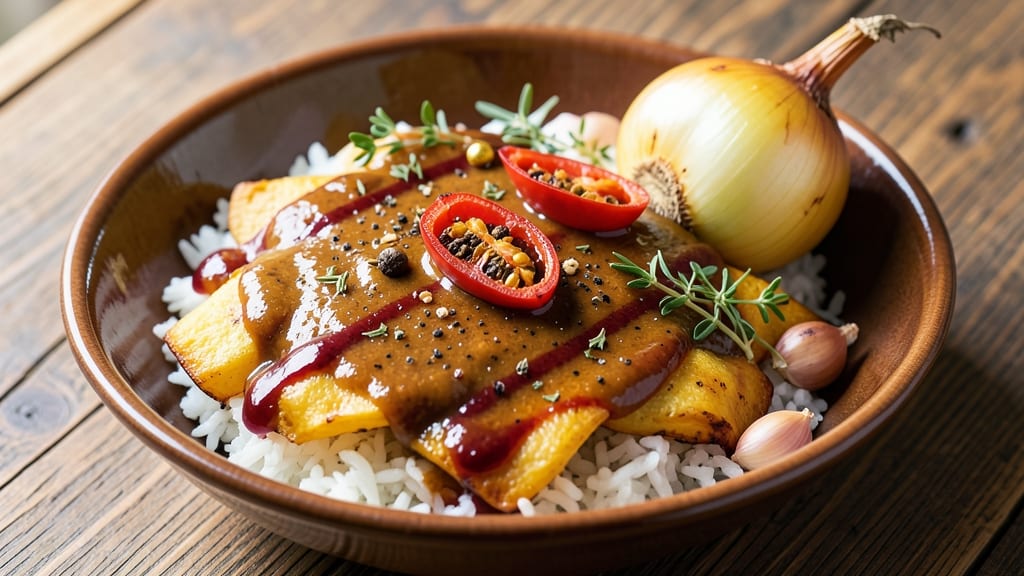
This vadouvan sauce recipe brings the fiery, aromatic heart of the Caribbean to your kitchen with just 10 minutes of prep and 30 minutes of simmering.
The secret lies in balancing Scotch bonnet peppers, mustard, and thyme—creating a sauce that's bold enough to stand alone yet versatile enough to elevate rice, fish, or meat.
I developed this recipe after years of seeking that perfect blend of heat and depth, and it never fails to transport me to a Jamaican dinner table.
The foundation of great vadouvan sauce is patience—letting the spices bloom in hot oil before adding tomatoes and onions. This step unlocks their full flavor, preventing bitterness and ensuring a smooth, rich sauce.
The mustard adds a tangy kick, while the Scotch bonnet delivers heat that lingers without overpowering. Once simmered, the sauce thickens into a glossy, aromatic paste that clings to every bite.
What makes this sauce truly special is its dual role: it works as a condiment drizzled over dishes or as a flavor base for stews and marinades. The balance of sweet, spicy, and savory notes makes it irresistible, and the heat can be adjusted to taste.
Store it in the fridge for up to a week, or freeze for longer shelf life—its versatility ensures you'll reach for it again and again.
Perfect for weeknight dinners, game day spreads, or as a gift-worthy condiment, this vadouvan sauce transforms simple meals into something extraordinary. Let’s get cooking—your taste buds will thank you.
Ingredients for vadouvan sauce
Caribbean heat in a jar—just ten ingredients for bold, aromatic vadouvan sauce.
| Ingredient | Amount | Notes |
|---|---|---|
| Scotch Bonnet Peppers 🌶️ | 2 whole | Seeds removed for less heat |
| Yellow Onions 🧅 | 1 whole | Medium size, finely chopped |
| Garlic Cloves 🧄 | 4 cloves | Peeled and minced finely |
| Yellow Mustard 🍯 | 2 tbsp | Dijon preferred for depth |
| Fresh Thyme Leaves 🌿 | ¼ cup | Stems removed, chopped |
| Tomato Paste 🍅 | ½ cup | High quality, no additives |
| Extra-Virgin Olive Oil 🫒 | ½ cup | For blooming spices |
| Salt 🧂 | 1 tsp | Kosher or sea salt |
| Black Peppercorns 🌶️ | ½ tsp | Freshly ground preferred |
| Allspice Berries 🌿 | 1 tsp | Ground or whole, toasted |
Scotch bonnet peppers are the heart of this sauce, so pick the freshest you can find—look for vibrant red or orange skins with no soft spots. Trader Joe's or Latin markets usually carry them, but if you can't find them, habanero peppers work in a pinch (reduce seeds for less heat). Fresh thyme is ideal, but if you're using dried, cut the amount to one-third—it's way more concentrated. The tomato paste? San Marzano is the gold standard, but any high-quality paste will do. For allspice, whole berries toasted in the oil add depth that ground can't match.
No Scotch bonnet? Habanero or Thai chili will work, but adjust heat by removing seeds. Mustard powder can replace fresh mustard at half the amount. If you're missing thyme, dried oregano or marjoram can step in, though the flavor will shift slightly. For the tomato paste, if you're using those little squeeze tubes, just measure by weight—100g equals about 0.5 cup. The olive oil is non-negotiable for blooming the spices—extra-virgin gives the best flavor, but any good-quality oil will work. And if you're worried about the heat level, just add more tomato paste or a splash of vinegar to mellow it out.
This sauce keeps beautifully—1 week in the fridge or 3 months frozen. For freezing, portion into ice cube trays first, then transfer to a bag. The sauce actually improves after a day or two as the flavors meld. I like to make a big batch and give some away—everyone loves it. If you're using it as a marinade, let the meat or fish sit for at least 30 minutes to soak up all that flavor.
Why You'll Love This Recipe
- No Chopping Chaos: I swear by this sauce because it’s the only recipe where I actually enjoy dicing onions—just three of them, quick-sautéed until sweet. The Scotch bonnet adds heat without the fuss of peeling seeds (I leave a few for that smoky punch), and the garlic? One quick press of the jar, done.
- Heat Meets Creamy: That mustard base cuts through the fire like a cool breeze after a spicy day. The thyme leaves? Tiny but mighty—just a handful, torn right into the pot. It’s the kind of sauce where every bite feels balanced: fiery, tangy, and just a little rich. (Yes, even on a Tuesday night.)
- Sauce for Any Day: I’ve drizzled this over grilled chicken, stirred it into rice, and even slathered it on toast with a fried egg. It’s my go-to for potlucks (people always ask for the recipe) and the only thing that makes my freezer meals feel special. Just freeze it in portions—thaw, reheat, and boom, instant flavor.
- Pantry Magic: Honestly, this sauce is my secret weapon for lazy Sundays. The ingredients? Mostly stuff I already have. A single onion, a few cloves of garlic, and that one Scotch bonnet I always buy “just in case.” It stretches like crazy—double the batch, and you’ve got dinner covered for days without breaking the bank.
Step-by-step instructions for vadouvan sauce
Here's how to build this fiery Caribbean masterpiece from scratch—layer by layer.
Bloom the Spices in Olive Oil
Heat the 0.5 cup extra-virgin olive oil in a medium saucepan over medium-low heat. Add the 1 tsp allspice berries and toast them for 1 minute until fragrant—you'll smell that warm, earthy aroma that's the soul of vadouvan. Immediately add the 1 whole yellow onion and cook for 5 minutes until softened and translucent.
This slow cooking draws out the onion's sweetness without browning, creating a flavor base. If you notice the oil starts to smoke, reduce the heat slightly. The goal is to develop depth without burning—think of it like making a spice-infused oil that will carry all the other flavors.
Add Aromatics and Tomato Paste
Push the onions to one side of the pan and add the 4 cloves garlic cloves to the empty space. Cook for 30 seconds until fragrant but not browned—garlic burns quickly, and you want that nutty sweetness, not bitterness. Stir to combine with the onions, then add the 0.5 cup tomato paste.
Cook for another 2 minutes while stirring constantly. The tomato paste will darken slightly as it melts into the oil, forming a rich, thick base. This step is where the sauce starts to take shape—you're building that deep, umami foundation that balances the heat. If the mixture sticks, add 1 tablespoon water to help it release.
Incorporate the Heat and Mustard
Reduce the heat to low and add the 2 whole scotch bonnet peppers (seeds removed) and 2 tbsp yellow mustard. Stir gently for 3 minutes—this is where the magic happens. The mustard helps emulsify the oil and peppers, creating a smoother sauce while adding that tangy depth. The peppers will soften and release their heat gradually.
Here's where it gets intense: taste the mixture. You should feel the heat building but also notice the complexity from the mustard and allspice. If the sauce looks too thick, add 1 tablespoon water to loosen it slightly. The texture should be like a thick, vibrant paste—this is the perfect consistency for balancing all the flavors.
Finish with Herbs and Season
Add the 0.25 cup fresh thyme leaves and stir for 1 minute until the thyme wilts slightly and releases its piney aroma. Remove the pan from heat and let it cool for 5 minutes—this resting period allows all the flavors to meld together. Then stir in the 1 tsp salt and 0.5 tsp black peppercorns (freshly ground).
The sauce should now have a deep red-orange hue with visible flecks of thyme and allspice. Taste again and adjust the seasoning—you might need a pinch more salt to balance the heat, or a splash of water if it's too thick. The final sauce should coat the back of a spoon with a smooth, velvety texture that carries layers of heat, sweetness, and earthy spice.
Use Immediately or Store Properly
Vadouvan sauce is best used fresh, but you can store it in an airtight container in the refrigerator for up to 5 days. Before using, reheat gently over low heat, stirring occasionally to prevent separation. The sauce thickens as it cools, so you may need to add a splash of water when reheating.
This sauce is incredibly versatile—use it as a marinade for grilled meats, a bold sauce for fried fish, or a flavor bomb in rice dishes. The key is to let it shine by pairing it with proteins that can stand up to its heat, like chicken, shrimp, or firm tofu. Each time you use it, you'll notice how the flavors evolve, deepening with age but never losing that bright, spicy punch.
Pro Tips For Making Vadouvan Sauce
- CHAR THE ONIONS LOW: I used to rush this and end up with bitter, watery onions that drowned the Scotch bonnet’s punch. Instead, cook them on medium-low for 8–10 minutes until they’re deep golden and their edges start to curl—almost caramelized. That’s when they’ll sweeten the sauce properly and not overpower the mustard’s tang.
- DESEED THE PEPPER RIGHT: Cut the Scotch bonnet open, scrape out the seeds and the white membranes—they’re where most of the heat lives. If you’re sensitive to spice, leave the flesh whole; if you want full fire, tear it into rough pieces after seeding. (And for the love of god, don’t touch your eyes afterward.)
- SWEAT THE GARLIC: After cooking onions, add minced garlic and let it sit in the pot for 30 full seconds before stirring. This mellows its sharpness and prevents burning—trust me, you’ll taste the difference. If it smells like nail polish, you’ve gone too far.
- SALT THE MUSTARD FIRST: Mix the yellow mustard with a pinch of salt and a splash of water (or vinegar) before adding it to the pot. This smooths out its bite and makes it blend into the sauce instead of clumping or fighting the other flavors. (Yes, even if the recipe doesn’t say to.)
Wine and beer pairings for vadouvan sauce
Spicy Red Wine Pairings
Vadouvan sauce’s bold heat and aromatic complexity pairs beautifully with bold red wines that can stand up to the Scotch bonnet’s intensity. A Jamaican red blend—like Grace Estate’s Red Mountain—complements the sauce’s tropical notes with its dark fruit and spice.
For something more robust, try a Syrah from the Rhône Valley—its peppery finish mirrors the allspice and thyme in the sauce. 🍷
If you prefer something lighter, a dry rosé with citrus notes (like Whispering Angel) cuts through the heat while highlighting the sauce’s tangy mustard undertones. The acidity in the wine refreshes your palate between bites of spicy dishes.
I always reach for rosé when serving vadouvan with grilled shrimp—it’s a match made in paradise.
Craft Beer Contrasts
For beer lovers, a hoppy IPA—like New Belgium’s Fat Tire—balances the sauce’s heat with its bitterness. The citrusy hops in the beer echo the Scotch bonnet’s brightness, while the malt sweetness softens the spice. If you’re serving vadouvan with fried fish, this pairing is a game-changer. 🍺
A Belgian-style witbier, such as Allagash White, offers a crisp, spiced alternative. The coriander and orange peel notes in the beer complement the allspice and thyme in the sauce, creating a refreshing contrast.
For a non-alcoholic option, try a ginger beer—the effervescence cools the palate while the ginger enhances the sauce’s warmth.
Non-Alcoholic Refreshers
If you’re avoiding alcohol, a hibiscus iced tea—sweetened lightly with honey—mirrors the sauce’s deep red hue and tangy profile. The floral notes in hibiscus tea pair surprisingly well with the mustard and thyme. I love serving this with grilled chicken and vadouvan rice for a vibrant, heat-friendly drink. 🌿
For something fruitier, a mango-limeade with a splash of agave syrup brightens the palate after each spicy bite. The citrus in the drink balances the sauce’s richness, while the mango’s sweetness rounds out the heat. It’s a tropical twist that feels like a Caribbean vacation in every sip.
Nutrition facts
Frequently asked questions about vadouvan sauce
Can I make vadouvan sauce without Scotch bonnet peppers?
Yes! If you can't find Scotch bonnet peppers, use habanero or Thai chili peppers instead. For milder heat, remove seeds and membranes, or use 1/2 the amount of a milder pepper like jalapeño. The sauce will still have depth, but the heat level will be noticeably different.
How do I adjust the heat level in vadouvan sauce?
To reduce heat, add more tomato paste or a splash of vinegar (apple cider works well) to balance the spice. For extra heat, increase the number of Scotch bonnet peppers or add a pinch of cayenne pepper. Always taste as you go—you can adjust while cooking, but it's harder to fix after the fact.
What's the best way to store vadouvan sauce?
Store in an airtight container in the fridge for up to 5 days. For longer storage, freeze in ice cube trays, then transfer to a bag. The sauce thickens when cold, so add a splash of water when reheating. It actually tastes better after 24 hours as flavors meld!
Can I use dried thyme instead of fresh?
Yes, but use only 1/3 the amount of dried thyme (about 1/8 tsp). Dried herbs are more concentrated, so fresh thyme gives a brighter, more aromatic flavor. If you must substitute, crush the dried thyme between your fingers first to release the oils.
What are the best dishes to serve with vadouvan sauce?
This sauce shines with grilled meats, fried fish, or rice dishes. Try it as a marinade for chicken, drizzled over fried snapper, or mixed into rice for a bold one-pot meal. The heat pairs especially well with starchy sides that can cool the palate.