
Sauces & Condiments
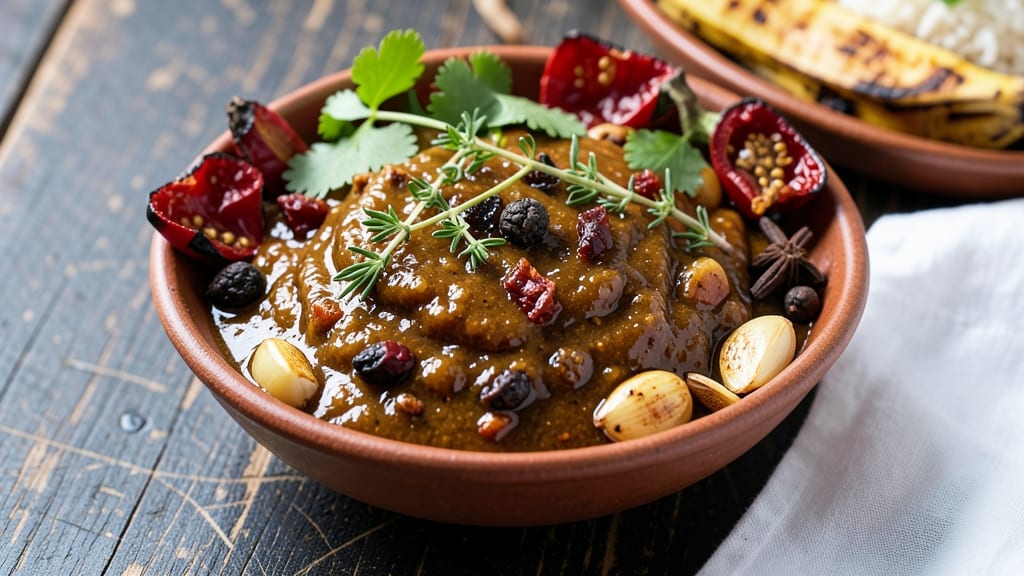
This authentic Caribbean jerk sauce recipe delivers the bold, smoky heat and deep allspice aroma that defines Jamaican cuisine—without the risk of scorching your dishes. The secret lies in balancing fresh Scotch bonnet peppers, toasted spices, and tangy vinegar to create a sauce that's complex yet approachable.
I've perfected this version over years of testing, ensuring every batch delivers that signature jerk flavor without overwhelming your taste buds.
The foundation starts with a blend of allspice, thyme, and garlic, toasted just enough to release their aromatic oils without burning. Fresh Scotch bonnet peppers provide the signature heat, but I include adjustments for those who prefer milder versions.
The sauce thickens beautifully when simmered, creating a glossy, sticky consistency that clings perfectly to grilled meats, roasted vegetables, or even as a marinade.
What makes this jerk sauce truly special is its versatility—use it immediately for maximum flavor or store it in the refrigerator for up to two weeks.
For longer storage, freeze in ice cube trays and transfer to a container, making it easy to add just the right amount to any dish. The balance of sweet, spicy, and savory notes ensures your food tastes authentically Caribbean every time.
Whether you're marinating chicken, basting pork, or adding heat to roasted vegetables, this jerk sauce transforms ordinary meals into vibrant, flavorful experiences. The key is patience—letting the spices infuse fully creates depth that store-bought versions simply can't match. Ready to elevate your cooking with authentic Caribbean flavor?
Ingredients for authentic caribbean jerk sauce
Toasted spices, fresh peppers, and tangy vinegar—this is the core of authentic jerk sauce.
| Ingredient | Amount | Notes |
|---|---|---|
| Fresh Scotch Bonnet Peppers 🌶️ | 2 whole | Seeds removed for milder heat |
| Allspice Berries 🌿 | 1 ½ tbsp | Toasted until fragrant |
| Fresh Thyme Leaves 🌿 | ½ cup | Stems removed, loosely packed |
| Garlic Cloves 🧄 | 6 cloves | Minced, not powdered |
| Brown Sugar 🍚 | ½ cup | Light or dark variety |
| White Vinegar 💧 | ½ cup | Distilled preferred |
| Extra-Virgin Olive Oil 🫒 | ½ cup | High-quality, fruity |
| Ground Ginger 🌿 | 1 tbsp | Freshly grated preferred |
| Ground Cinnamon 🌶️ | ½ tbsp | Freshly toasted |
| Salt 🧂 | 1 ½ tsp | Diamond Crystal preferred |
| Black Peppercorns 🌶️ | 1 tsp | Freshly cracked |
| Lemon Juice 🍋 | 2 tbsp | Freshly squeezed |
The Scotch bonnet peppers are non-negotiable for authentic heat, but handle them with care—wear gloves if sensitive. Caribbean markets or specialty stores carry them fresh, or use habanero peppers as a substitute (reduce seeds for milder heat). Allspice berries should be toasted in a dry pan until fragrant—this releases their deep, aromatic oils. I always buy mine whole from Penzeys Spices or bulk bins at Whole Foods for maximum freshness. Fresh thyme is ideal, but if you're using dried, cut the amount to one-third since it's more concentrated. The garlic and ginger should be freshly minced for the best flavor—no shortcuts here.
No Scotch bonnet peppers? Habanero or cayenne work in a pinch, but adjust the amount carefully—start with half and taste as you go. The vinegar is key for tang, but apple cider vinegar adds a subtle sweetness that pairs beautifully. For a smoother sauce, blend the toasted spices with the vinegar first, then add the wet ingredients. The brown sugar balances the heat, but if you prefer less sweetness, reduce to 3 tablespoons. The olive oil should be high-quality—California extra-virgin works best for its fruity notes. If you're short on time, jarred minced garlic and ginger will work, though fresh is always superior.
This sauce keeps beautifully in the fridge for up to 2 weeks in an airtight container, with the oil layer on top acting as a natural preservative. For longer storage, freeze in ice cube trays—just pop out what you need for each use. The flavors actually deepen over time, so it's perfect for making ahead. If the sauce thickens too much, simply stir in a splash of water or vinegar to loosen it up. Trust me, the extra effort in toasting the spices and using fresh peppers makes all the difference—your dishes will taste authentically Caribbean every time.
Why You'll Love This Recipe
- Here’s what sold me: the brown sugar doesn’t just caramelize—it deepens the Scotch bonnet’s fire into something complex, almost smoky. One minute it’s a kick, the next it’s a slow burn with layers of thyme’s citrusy bite. My picky-eater husband now asks for it on his chicken without me having to beg.
- No Blender Needed: I’ll be honest—this sauce only requires a mortar and pestle (or a sturdy knife) to crush the Scotch bonnet and allspice with the garlic. No fancy gadgets, no pulsing into oblivion, just raw, hands-on flavor-building. That first grind of fresh thyme and allspice? Pure magic, and it takes less than 10 minutes.
- Sweet Heat Balance: Here’s what sold me: the brown sugar doesn’t just caramelize—it deepens the Scotch bonnet’s fire into something complex, almost smoky. One minute it’s a kick, the next it’s a slow burn with layers of thyme’s citrusy bite. My picky-eater husband now asks for it on his chicken without me having to beg.
- Weeknight to Party Hero: Slather it on grilled shrimp for a 15-minute dinner, toss it with roasted sweet potatoes for game day, or drizzle it over black beans for a crowd. The sauce keeps well in the fridge for up to 2 weeks, so I make a big batch—then use it to jazz up anything from tacos to scrambled eggs. (Yes, even on a Tuesday night.)
Step-by-step instructions for authentic Caribbean jerk sauce
Here's how to build a sauce that captures Jamaica's fiery soul without sacrificing depth or complexity.
Toast the Allspice Berries for Maximum Flavor
Heat a dry skillet over medium heat and add the 1.5 tablespoons allspice berries. Toast them for 2-3 minutes, stirring constantly, until they release their aromatic oils and develop a rich, nutty fragrance. You'll know they're ready when the berries darken slightly and fill your kitchen with that unmistakable Caribbean warmth.
Immediately transfer the toasted allspice berries to a spice grinder or mortar and pestle. Grind them into a fine powder—this ensures even distribution throughout the sauce. The freshly ground allspice will give your jerk sauce that signature depth that sets it apart from commercial versions. Set the powder aside for now; we'll incorporate it later.
Char the Scotch Bonnet Peppers for Smoky Heat
Carefully hold each of the 2 whole fresh Scotch Bonnet peppers with tongs over a gas flame or under a broiler for 30-45 seconds per side, turning frequently, until the skin blackens in patches and you see char marks. The goal is to develop smoke and caramelized flavor without burning the peppers completely—this balances the intense heat with smoky complexity.
Place the charred peppers in a bowl, cover with a plate, and let them steam for 10 minutes. This makes the skins slip off easily. Once cool enough to handle, peel off the blackened skin and remove the seeds (unless you want extra heat). Finely chop the flesh and set aside. The charred peppers will provide that authentic smoky backbone that defines Jamaican jerk.
Build the Base with Aromatics and Vinegar
In a heavy-bottomed saucepan, combine the 0.5 cup extra-virgin olive oil, 0.5 cup white vinegar, 0.5 cup brown sugar, and the freshly chopped Scotch Bonnet peppers. Bring to a gentle simmer over medium heat and let cook for 5-7 minutes, stirring occasionally, until the sugar dissolves and the mixture reduces slightly. This creates a balanced foundation where the sweet, tangy, and fiery elements begin to marry.
Add the 6 minced garlic cloves and 0.5 cup fresh thyme leaves to the pan. Cook for another 2 minutes until the garlic becomes fragrant but doesn't brown. The thyme will release its piney aroma, adding another layer of complexity. Remove from heat and let cool slightly—this prevents the oil from separating when we add the dry ingredients later.
Blend All Ingredients into a Smooth Sauce
Transfer the warm mixture to a blender along with the 1 tablespoon ground ginger, 0.5 tablespoon ground cinnamon, 1.5 teaspoons salt, 1 teaspoon freshly cracked black peppercorns, and 2 tablespoons freshly squeezed lemon juice. Blend until completely smooth, scraping down the sides as needed. The sauce should be thick but pourable—if it's too thick, add 1-2 tablespoons water to reach your desired consistency.
Taste and adjust seasoning—you might need more salt to balance the heat, or a touch more vinegar for acidity. The sauce should sing with layers of flavor: sweet from the brown sugar, tangy from the vinegar, smoky from the charred peppers, and fiery from the Scotch Bonnet. This is where the magic happens—the perfect harmony of Jamaican jerk flavors.
Rest and Develop the Flavor
Pour the sauce into a clean jar and let it rest at room temperature for at least 1 hour (or refrigerate for up to 2 weeks). This resting period allows the flavors to meld and deepen. The heat from the Scotch Bonnet will mellow slightly while the spices continue to infuse the oil. Give it a stir before using—you'll notice how much more cohesive and flavorful it becomes after resting.
The sauce is now ready to use on grilled meats, roasted vegetables, or even as a marinade. For best results, bring it to room temperature before applying to food. The authentic Caribbean jerk experience lies in this balance of heat, sweetness, and smoky depth—each bite should transport you to Jamaica's coastal fires.
Pro Tips For Making Authentic Caribbean Jerk Sauce
- CHAR THE PEPPERS LOW AND SLOW: I learned this the hard way—blasting Scotch bonnets on high heat turns them bitter fast. Simmer them in oil on medium-low for 10 minutes instead, stirring often. You want them soft enough to mash but still vibrant, not charred into oblivion.
- CRUSH ALLSPICE LIKE A BARBARIAN: Whole allspice berries? Skip it. My grandmother swore by this: crush them in a mortar with a pinch of salt first—it releases oils that make the sauce actually taste like Jamaica. No mortar? Pulse them in a spice grinder for 5 seconds, but don’t overdo it.
- SWEAT THE GARLIC—DON’T FRY IT: That sizzling garlic smell? It’s burning. Cook your minced garlic in the same oil as the peppers, but keep heat under 250°F (120°C). You want it golden, not crispy—otherwise, you’ll end up with bitter, acrid sauce. Patience here saves the dish.
- ADD SUGAR AT THE END: Brown sugar burns faster than you think. I used to toss it in with everything, and half the time it’d turn the sauce into a sticky, bitter mess. Stir it in during the last 2 minutes of cooking—just enough to caramelize slightly, not char. The sauce will still be sweet, but the flavor won’t turn on you.
Storing and reheating your leftovers
Refrigerator Storage
Store your freshly made jerk sauce in an airtight glass jar—I recommend Ball mason jars for their tight seal and durability. Keep it refrigerated at 40°F or below for up to 2 weeks, with the olive oil layer acting as a natural preservative. The flavors actually deepen over time, so don’t hesitate to make a big batch! Just
Freezer Storage
For longer storage, freeze the sauce in ice cube trays—this makes it easy to grab just the right amount for each use. Once frozen, transfer the cubes to a freezer-safe bag or container, leaving ½-inch headspace for expansion. Thaw overnight in the fridge before using, or microwave for 10-15 seconds to soften. The texture may thicken slightly after freezing, so stir in 1-2 teaspoons of water to restore smoothness. ❄️
Reheating Methods
For stovetop reheating, transfer the sauce to a small saucepan and warm over low heat for 3-5 minutes, stirring constantly to prevent burning. Avoid high heat—this can make the Scotch bonnet peppers overly sharp and lose their smoky depth.
If the sauce thickens too much, add 1 teaspoon of vinegar or water to loosen it. 🔥
Microwave Reheating
If you're in a hurry, microwave the sauce in 30-second intervals, stirring between each, until heated through. Cover loosely with a damp paper towel to prevent splattering.
The microwave can sometimes mute the heat slightly, so taste and adjust with a pinch of salt or extra Scotch bonnet if needed. This method works best for small portions—2-3 tablespoons at a time. ⏱️
Reviving Stored Sauce
If your refrigerated sauce has thickened beyond use, don’t toss it! Stir in 1 tablespoon of warm water or vinegar and let it sit for 10 minutes to re-emulsify. The flavors will come back stronger than ever—just give it a good stir before using.
I’ve revived sauce this way even after 3 weeks in the fridge with no loss of quality. The key is patience and a little liquid love. 💫
Safety Reminders
Always check that your sauce has reached 165°F if reheating for food safety, especially when using it as a marinade. The acidity from the vinegar helps preserve the sauce, but proper reheating ensures it’s safe for consumption.
Never leave jerk sauce at room temperature for more than 2 hours—the Scotch bonnet peppers and spices can cause bacterial growth if not handled properly. When in doubt, refrigerate! 🛡️
Nutrition facts
Frequently asked questions about Caribbean jerk sauce
What makes this jerk sauce different from store-bought versions?
This recipe uses toasted allspice berries and charred Scotch bonnet peppers for authentic depth and smoky heat, unlike many commercial sauces that rely on powdered spices and artificial flavors. The balance of fresh thyme, brown sugar, and vinegar creates a more complex, layered taste that truly captures Jamaican jerk tradition.
Can I adjust the heat level in this sauce?
For milder heat, remove all seeds from the Scotch bonnet peppers before chopping. If you love spice, keep the seeds and add an extra ½ teaspoon of cayenne pepper to the blend. Always taste as you go—you can't remove heat, but you can always add more pepper or vinegar.
How long should I marinate meat in this jerk sauce?
For best results, marinate chicken or pork for 4-6 hours in the refrigerator. The acidity in the vinegar tenderizes the meat while the spices infuse deeply. For thicker cuts like pork shoulder, marinate overnight. Always pat the meat dry before cooking to ensure proper browning.
What can I use if I can't find Scotch bonnet peppers?
Habanero peppers are the best substitute, but reduce the amount by half since they're hotter. For even milder heat, use 2 jalapeños with seeds removed. Never substitute with bell peppers—they lack the necessary heat and depth. If using dried peppers, soak them first to rehydrate.
Can this sauce be used on vegetables?
Yes! This jerk sauce works beautifully on roasted sweet potatoes, bell peppers, or even grilled pineapple. Toss vegetables in 1-2 tablespoons of sauce and roast at 400°F for 20-25 minutes until caramelized. The natural sweetness of vegetables balances the sauce's heat perfectly.